Best Small Bathroom Walk In Shower Ideas: 25 Stylish Designs to Maximize Space
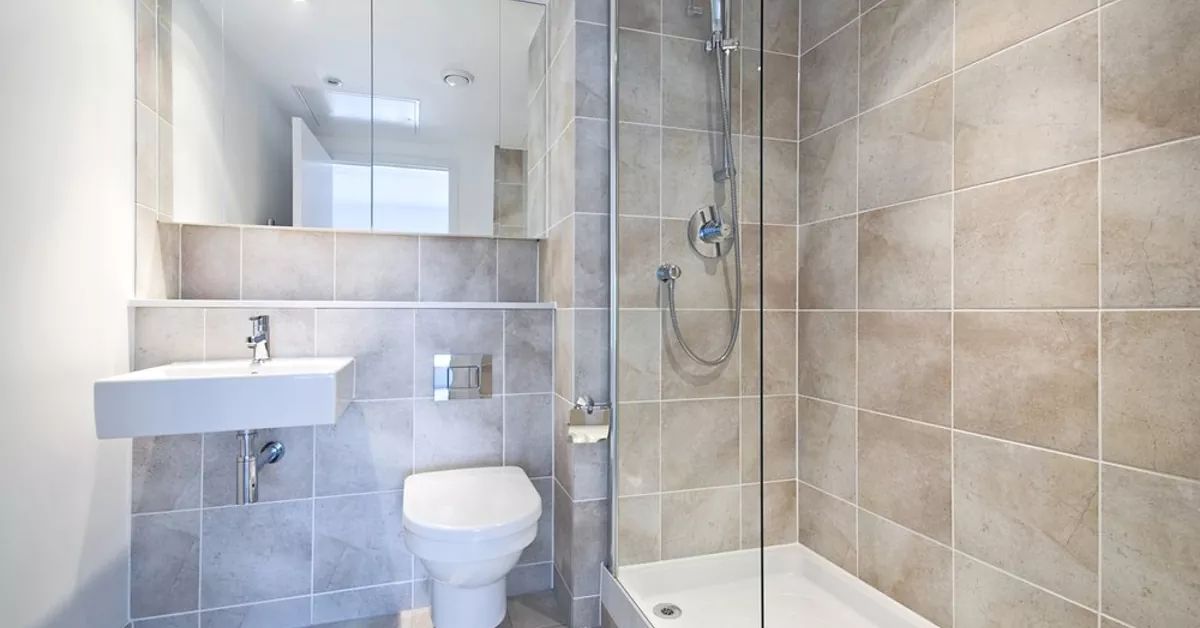
A small bathroom does not have to feel cramped. With the right small bathroom walk in shower ideas, you can turn a tight space into something that feels open and calm. This guide covers 25 walk in shower ideas for small bathrooms. You will find walk in shower designs for every style and budget. We also cover tile, layout, materials, and common mistakes. By the end, you will know exactly how to plan your bathroom renovation ideas with confidence.
Whether you live in a tiny apartment or a starter home, walk in showers can make your bathroom feel bigger and work better. Let’s dive in.
Why Choose a Walk In Shower for a Small Bathroom?
A walk in shower bathroom idea makes small spaces feel more open. There is no bulky tub taking up floor space. There is no shower curtain blocking the view. Your eye travels further across the room, so the whole bathroom feels larger than it is. This is one reason modern walk in shower designs are so popular right now.
Walk in showers also offer real, practical benefits. They are easier to clean than a tub-shower combo. They work well for people of all ages, including older adults who want a barrier-free shower. Many homeowners also see a strong return on investment when they upgrade to a stylish walk in shower, since updated bathrooms tend to boost resale value. Below is a quick look at the main benefits.
| Benefit | Why It Matters |
| Space-saving | No tub means more open floor area |
| Easy access | Great for kids, seniors, and mobility needs |
| Easier cleaning | Fewer corners and no curtain to scrub |
| Higher resale value | Buyers love updated, modern bathrooms |
| Visual openness | Glass and open layouts make rooms feel bigger |
Best Small Bathroom Walk In Shower Ideas
This section covers the core walk in shower ideas that work best in tight spaces. Each idea below solves a different problem, whether it’s saving floor space, adding storage, or making the room feel more open. Mix and match these ideas to fit your own bathroom.
Some of these designs cost very little to add. Others need a full remodel. Either way, these are the shower design ideas that designers use again and again for small bathrooms.
Doorless Walk-In Shower (Wet Room Style)
A doorless walk in shower removes the door entirely. This is often called a wet room shower. The whole bathroom floor slopes gently toward a drain. Water stays contained without any glass door or curtain in the way.
This style works so well in small spaces because there is nothing to block your view. Your eye moves straight through the room. A curbless shower also means no lip to step over, so it feels safer for kids and older family members. You do need good waterproofing, though. A wet room shower needs a proper tanking membrane under the tile. Skip this step, and you risk leaks into the floor below.
Minimalist Frameless Glass Shower
A frameless walk in shower uses clear glass panels with no metal frame around them. This keeps sightlines clean. Light bounces around the room instead of getting blocked by dark metal bars.
This is one of the most requested glass walk in shower styles today. It suits almost any bathroom style, from farmhouse to ultra-modern. A glass shower enclosure like this also makes tile work stand out, since nothing hides your wall design. The only downside is upkeep. Clear glass shows water spots fast, so you will want a squeegee nearby.
Corner Walk-In Shower Layout
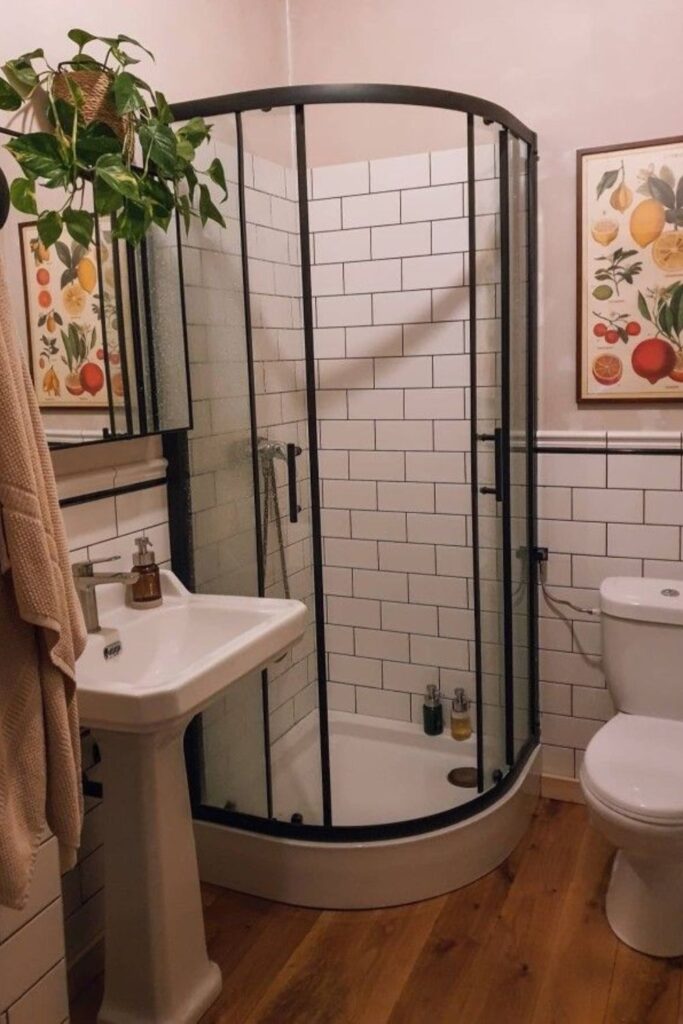
Placing your shower in the corner is one of the smartest small bathroom shower ideas around. A corner unit, sometimes called a neo-angle shower, uses two existing walls. This frees up the rest of the room for a sink, storage, or simply more walking space.
Corner layouts work especially well in square or oddly-shaped bathrooms. You lose almost no usable floor space this way. Many homeowners pair a corner shower with a pivoting glass door to save even more room, since a sliding or pivot door does not need clearance to swing open like a hinged door would.
Read More About: Bathroom Mirror Ideas: 25 Stylish Designs to Transform Your Bathroom
Half-Wall Walk-In Shower
A half-wall shower uses a short knee wall, usually topped with a small strip of glass. It gives you some privacy without closing off the whole space. This is a great middle ground between a fully open wet room shower and a boxed-in enclosure.
Half walls also hide plumbing and give you a spot to rest a hand or lean a towel. Many contemporary shower design projects use this style because it looks clean but still feels open. It works well in bathrooms where you want a bit of separation between the shower and the rest of the room.
Walk-In Shower with Built-In Bench
A built-in bench adds comfort and function. You can sit down to shave, rest, or simply relax under warm water. For anyone with mobility concerns, a bench also makes the shower much safer to use.
Teak benches are a popular choice because the wood resists water damage naturally. Tiled benches, built right into the shower wall, also save space compared to a freestanding stool. This is one of those walk in shower ideas that feels like a small luxury but barely eats into your square footage.
Built-In Shower Niches
A niche is a small recessed shelf built into the shower wall. It holds shampoo, soap, and razors without needing a bulky caddy. This keeps the floor and corners clear, which matters a lot in a small space.
Niches work best when planned before tiling begins, since they need to be built into the wall framing. A single deep niche or two smaller stacked ones can hold everything you need. This small detail makes a big difference in how organized your stand up shower feels day to day.
Oversized Rain Shower Head
A large rain shower head, mounted right into the ceiling, creates a spa-like feel. Water falls straight down instead of spraying at an angle. This small upgrade makes any modern walk in shower feel like a hotel bathroom.
Ceiling-mounted heads also save space, since there is no arm sticking out from the wall. If ceiling installation is not possible, a wall-mounted rain head still gives you that same wide, gentle water flow. Either way, this upgrade adds a strong dose of spa-inspired bathroom style for a fairly low cost.
Wall-Mounted Shower Fixtures
Wall-mounted faucets and controls sit flush against the tile. There is no bulky valve sticking out to bump into. This keeps the shower feeling open, especially in a tight shower enclosure.
These fixtures also look sleek and modern. Exposed pipe styles have become popular too, adding an industrial touch. Either way, wall-mounted hardware is a smart pick for anyone chasing clean, minimal lines in their walk in shower designs.
Modern Black Fixtures & Glass Frames
Matte black hardware has become one of the most requested finishes in bathroom design. Black faucets, black shower heads, and black-framed glass doors create bold contrast against white or light tile. This look pairs beautifully with a minimalist shower setup.
Black fixtures also hide water spots better than chrome. That is a real practical bonus in a small, frequently-used bathroom. If you want your contemporary shower design to feel current and sharp, black hardware is an easy way to get there.
Read More About: Farmhouse Bathroom Ideas: 35 Beautiful Designs for Every Home & Budget
Rose Gold & Brass Fixtures
For a warmer look, brushed brass or rose gold fixtures add a soft glow to the room. These finishes pair well with white tile, wood accents, and neutral colors. They feel a bit more traditional and cozy than black or chrome.
Brass tones have stayed popular for several years now because they photograph well and feel timeless rather than trendy. If your walk in shower bathroom idea leans toward warm, inviting tones, brass or rose gold hardware ties the whole look together.
Tile Ideas That Make Small Bathrooms Look Bigger
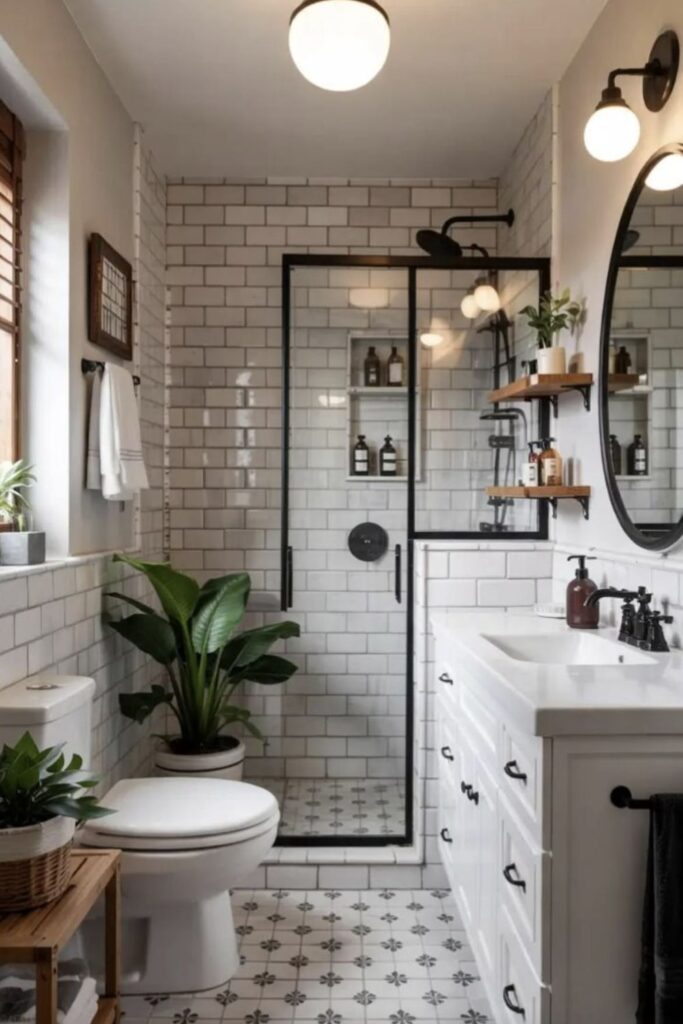
Tile choice changes how big a room feels, sometimes more than the layout itself. The right tile pattern, size, and color can trick the eye into seeing more space than actually exists. This matters even more in a small bathroom shower ideas project, where every visual trick counts.
Below are the tile strategies that designers rely on most. Some focus on scale, others on direction, and others on texture. Try combining two or three for the best effect.
| Tile Style | Best Effect |
| Large-format tiles | Fewer grout lines, cleaner look |
| Vertical layout | Draws the eye upward |
| Stone-effect tile | Adds texture without heavy cost |
| Terrazzo | Playful, modern speckled pattern |
| Mosaic accents | Great for small feature areas |
| Mixed patterns | Adds depth without shrinking the room |
Large-Format Tiles
Large tiles mean fewer grout lines. Fewer grout lines mean less visual clutter. This simple trick makes walls feel smoother and rooms feel bigger. Large-format porcelain has become a favorite for this exact reason.
These tiles also cut down on cleaning time, since there is less grout to scrub. They cost a bit more per tile, but you often need fewer of them, which balances out the price.
Vertical Tile Layout
Stacking tile vertically draws the eye upward. This makes ceilings feel taller and rooms feel airier. It’s a simple installation trick that costs nothing extra beyond normal labor.
Vertical layouts work especially well with narrow subway tile or long-format planks. Pair this with a light grout color for the strongest effect.
Stone Effect Tiles
Stone-look porcelain gives you the beauty of marble or travertine without the high cost or heavy upkeep. Real stone needs regular sealing, but porcelain does not. You get texture and depth without the maintenance headache.
This is a smart pick if you love the look of natural stone but want something more budget-friendly and low-fuss for daily use.
Terrazzo Walls
Terrazzo tile brings a playful, speckled pattern back into style. It works well as a full wall feature or as an accent strip. The mix of colors within each tile adds subtle depth to a plain shower wall.
This trend suits contemporary shower design projects that want a bit of personality without going too bold.
Mosaic Accent Tiles
Small mosaic tiles work great as a border, a niche liner, or a shower floor. Their small size gives excellent grip underfoot, which also helps with slip resistance. Use them sparingly as an accent rather than covering an entire wall.
Mixed Pattern Tiles
Combining a herringbone pattern with plain subway tile, or pairing a solid color field with a patterned accent strip, adds depth to your walk in shower designs. This technique works best when you keep one tile simple and let the second tile carry the pattern.
Walk-In Shower Design Styles
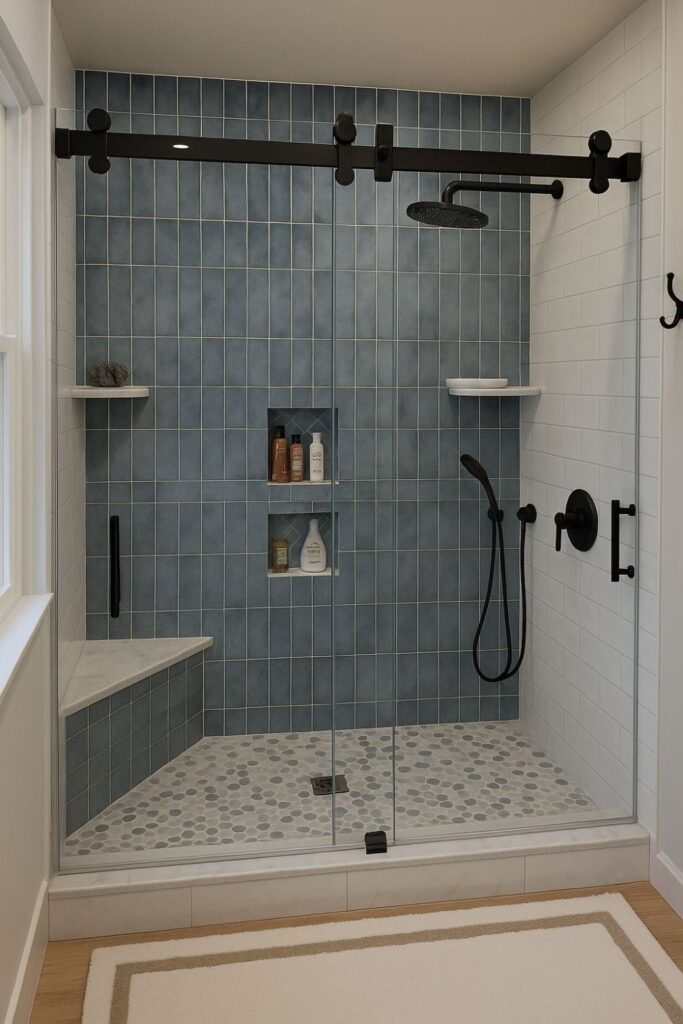
Your shower style should match the rest of your home. A shower that clashes with your bathroom’s overall feel will always look out of place, no matter how nice the tile is. Below are the most popular styles homeowners are choosing for their walk in shower ideas right now.
Each style uses different colors, materials, and fixtures to create its look. Pick the one that matches your taste, or blend two styles together for something unique.
Japandi Style
Japandi blends Japanese minimalism with Scandinavian warmth. Think natural wood, muted tones, and clean lines. A Japandi bathroom often uses a teak bench, stone tile, and soft lighting to create a calm, spa-like mood.
Scandinavian Style
Scandi bathroom design leans on white and light gray palettes with simple, functional fixtures. Nothing feels fussy or overdone. This style suits small bathrooms perfectly, since light colors help rooms feel open and bright.
Industrial Style
Industrial style brings in exposed concrete, black metal frames, and raw textures. It feels edgy and modern. This works well for apartment bathrooms or converted loft spaces that already have an industrial feel.
Boho Style
Boho bathroom design mixes warm textures, patterned tile, and greenery. It feels relaxed and personal. Woven baskets, patterned mosaic tile, and a hanging plant near the window all add to this laid-back look.
Traditional Style
Classic white subway tile, a neutral palette, and timeless fixtures define traditional bathrooms. This style rarely goes out of fashion, which makes it a safe choice if you plan to sell your home someday.
Art Deco Style
Art Deco style uses bold geometric tile patterns, strong color blocking, and brass accents. It makes a statement. This style suits homeowners who want their small bathroom to feel dramatic rather than quiet.
Dark Luxury Style
Charcoal tile, black fixtures, and moody lighting create a dark, luxury feel. This style might sound risky for a small room, but it often works beautifully, especially with good lighting and a large mirror to balance the darkness.
Limited Space Small Bathroom Designs With Shower
Some bathrooms are smaller than small. Tiny apartments, narrow layouts, and converted powder rooms all need extra planning. The good news is that even the tightest spaces can fit a working, attractive shower with the right approach.
This section covers real strategies for these extreme cases. Each one focuses on squeezing function out of very limited square footage without making the room feel like a closet.
Tiny Apartment Bathrooms
Studio apartment bathroom spaces often measure less than 35 square feet total. In these cases, a corner shower with a pivot door works best, since it needs almost no clearance. Compact fixtures, a wall-mounted sink, and a recessed niche all help stretch the space further.
Read More About: 35+ Guest Bathroom Ideas to Impress Every Visitor 2026 Guide
Narrow Bathroom Layouts
A galley-style bathroom, long and thin, works well with a shower placed at one end. This keeps the walking path clear down the middle. A doorless walk in shower at the far end of a narrow room often feels more open than a boxed-in unit would.
Small Ensuite Bathrooms
A primary ensuite attached to a bedroom often shares space with a closet or vanity area. Splitting the room with a half-wall shower, rather than a full glass box, helps the whole ensuite feel connected instead of chopped up.
Powder Room Shower Ideas
Converting a half bath into a full bath means adding a shower where there was none before. This usually means shrinking the vanity or losing a linen closet. A slim corner unit with a sliding door is often the only option that fits, but it can still work beautifully with the right tile choice.
Small Bathroom Shower Remodel Tips
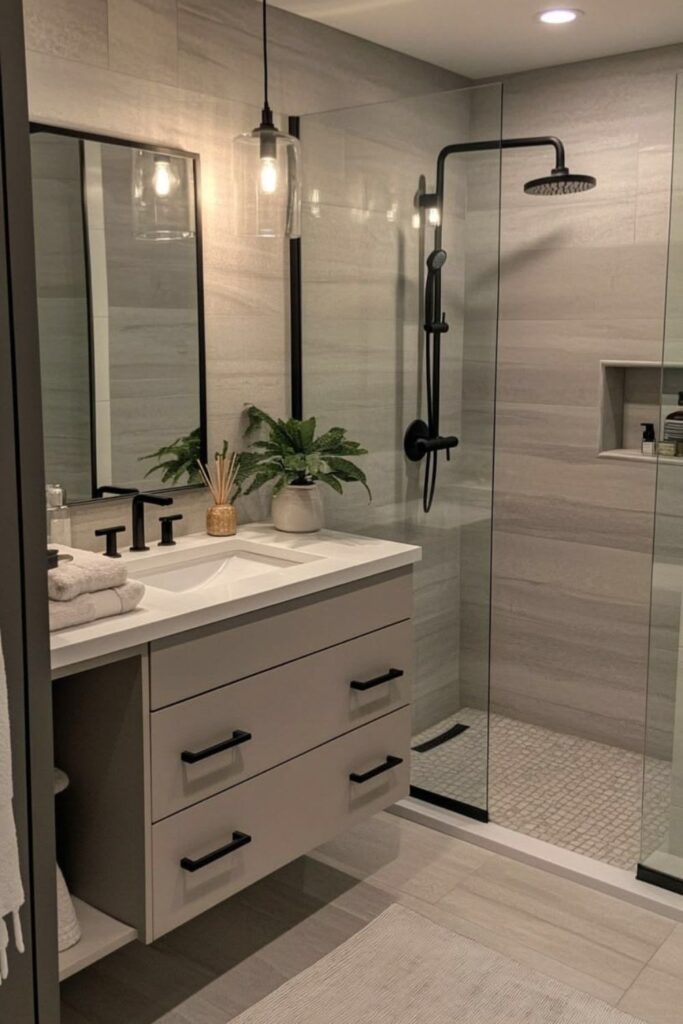
Planning a remodel means balancing your budget against your wish list. Some upgrades cost very little and still make a big visual difference. Others require a bigger investment but completely transform the room. Knowing which is which helps you spend wisely.
Below, we break remodel tips into budget-friendly and luxury categories, plus a look at whether you should DIY or hire a pro.
Budget-Friendly Remodel Ideas
Prefab shower kits and shower pans cut costs significantly compared to custom tile work. Swapping only the fixtures, rather than retiling the whole shower, also saves money while still updating the look. Even a fresh coat of paint on the surrounding walls can make an older shower feel new again.
Luxury Remodel Ideas
Custom tile work, a built-in steam generator, and high-end brass or matte black fixtures push a walk in shower into true luxury territory. A steam shower in particular turns a small bathroom into a genuine wellness space, though it does require extra ventilation and sealing work.
DIY vs Professional Installation
Tiling and basic fixture swaps are doable for confident DIYers. Waterproofing, however, is not the place to cut corners. A poorly sealed shower pan can lead to hidden leaks and costly water damage down the line. Most experts recommend hiring a licensed plumber for any work involving drains, valves, or waterproof membranes, even if you plan to tile the walls yourself.
Walk-In Shower Dimensions & Layout Guide
Getting the size right matters more than almost anything else in a walk in shower project. Too small, and the shower feels cramped and impractical. The right dimensions also keep you within local building codes, which matters if you ever plan to sell your home.
Here is a quick reference table for common shower sizing standards.
| Measurement | Standard Size |
| Minimum shower size | 36 x 36 inches |
| Comfortable shower size | 42 x 42 inches or larger |
| ADA-compliant shower | 60 x 30 inches, with clear floor space |
| Standard glass panel width | 24 to 36 inches per panel |
Minimum Walk-In Shower Size
Most building codes set 36 by 36 inches as the smallest allowed shower size. Anything smaller starts to feel tight for everyday use. If your bathroom allows it, aim for slightly larger, since a few extra inches make a noticeable difference in comfort.
ADA Walk-In Shower Sizes
An ADA-compliant shower typically needs at least 60 by 30 inches of clear space, along with a turning radius for wheelchair users and properly placed grab bars. This size also happens to work well for anyone planning ahead for aging in place.
Best Glass Panel Size
Standard glass panels run between 24 and 36 inches wide. Wider panels need thicker glass to stay sturdy, which adds cost. Most frameless walk in shower setups use two or three panels combined to fit the exact opening size.
Best Materials for Walk-In Showers
Material choice affects how your shower looks, how long it lasts, and how much upkeep it needs. Some materials cost more upfront but save money over time through durability. Others are budget-friendly but need more regular care.
This section breaks down the four most common materials used in small bathroom showers today.
Glass Panels
Tempered glass is the standard for shower enclosures because it is strong and safe if it breaks, shattering into small, blunt pieces rather than sharp shards. Regular squeegeeing after each use keeps water spots from building up over time.
Porcelain Tile
Porcelain is dense, water-resistant, and low-maintenance. It rarely needs sealing, unlike natural stone, which makes it a favorite for busy households that want a wall that looks good without constant care.
Natural Stone
Marble and travertine bring natural beauty and unique veining to a shower. They do require regular sealing to prevent staining and water absorption, so factor that ongoing maintenance into your decision before choosing stone.
Waterproof Wall Panels
Acrylic and solid-surface wall panels offer a grout-free alternative to tile. They install faster and have zero grout lines to clean, though they offer fewer design options compared to tile.
Mistakes to Avoid When Designing a Small Walk-In Shower
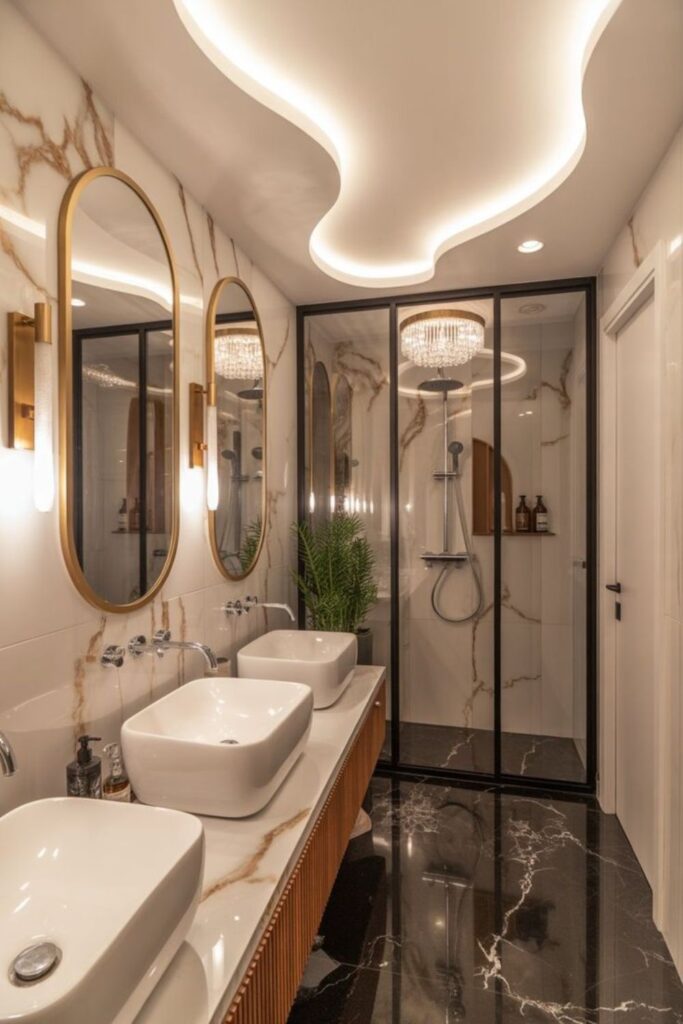
Even a well-planned shower can go wrong if a few key details get overlooked. These mistakes are common, but every one of them is avoidable with a bit of upfront planning.
Choosing oversized fixtures is one of the biggest issues. A huge rain head or wide bench might look great in a photo, but it can overwhelm a small shower and make it feel cramped instead of spacious.
Poor drainage causes water to pool instead of flowing away properly. This usually happens when the floor slope is not steep enough, so always confirm proper slope during installation.
Insufficient storage forces you to rely on hanging caddies, which look cluttered and can rust over time. Planning niches before tiling solves this problem completely.
Wrong tile size can make a small shower feel busier and smaller than it needs to. Oversized tile in a tiny stall, or tiny tile on a huge wall, both throw off the visual balance.
Inadequate lighting leaves showers feeling dim and unwelcoming. A single overhead light rarely provides enough brightness, so consider adding a waterproof recessed fixture directly above the shower area.
Lack of ventilation leads to mold, mildew, and peeling paint over time. Every shower needs a proper exhaust fan, sized correctly for the room, to pull moisture out and protect your shower enclosure long term.
Frequently Asked Questions
Can I put a walk-in shower in a small bathroom?
Yes. Even bathrooms under 40 square feet can fit a walk in shower, especially with a corner layout or a doorless walk in shower design. The key is choosing the right dimensions and skipping bulky extras.
What is the hottest bathroom trend in 2026? Spa-inspired bathroom?
Design leads the way this year, with warm wood tones, curved edges, and an open shower concept replacing sharp, boxy layouts. Matte black and brushed brass fixtures remain strong favorites too.
What is the smallest walk-in shower you can get?
Most codes allow a minimum of 36 by 36 inches. Some corner units and neo-angle designs fit into even tighter footprints, though comfort improves noticeably above this minimum size.
What is the cheapest way to do a walk-in shower?
A prefab shower kit with a standard pan and acrylic walls costs far less than custom tile work. Keeping the existing plumbing layout, rather than moving drains or valves, also saves a significant amount on labor.
Conclusion
A small bathroom does not need to feel like a limitation. With smart small bathroom walk in shower ideas, from a curbless shower to a frameless glass shower, you can create a space that feels open, functional, and genuinely stylish. Focus on the right dimensions, choose materials that fit your budget, and avoid the common mistakes covered above. Whether you’re planning a full bathroom renovation or a simple fixture swap, these walk in shower designs prove that small spaces can still make a big impression.