Best Awkward Living Room Layout Ideas: 25 Smart Ways to Fix Challenging
Every home has one room that just won’t cooperate. Maybe yours has a fireplace in the wrong corner. Maybe it’s long and skinny like a hallway. Or maybe it just feels “off” and you can’t say why. Awkward Living Room Layout Ideas You are not alone. Awkward living room layout problems are one of the most common design headaches in American homes, especially in older houses and open-concept builds. The good news? You don’t need to knock down a wall or hire a full-time designer. With the right room layout ideas, smart furniture placement, and a few clever interior design tips, almost any tricky space can become warm, functional, and easy to live in.
This guide walks through 25 real, practical fixes. We’ll cover everything from living room furniture arrangement basics to specific solutions for narrow living rooms, irregular room shape problems, fireplaces in odd spots, and even those forgotten corners under the stairs. By the end, you’ll have a full toolkit for your own living room makeover, no matter how strange your floor plan looks on paper.
What Makes a Living Room Layout Feel Awkward? Common Layout Problems Homeowners Face
An awkward living room layout usually comes down to a few repeat offenders. Too many doors fighting for wall space. A window stuck in a strange spot. A room shaped like an L or a bowling lane instead of a clean rectangle. Sometimes it’s not the shape at all. It’s the traffic flow. If people have to walk through your seating area to get to the kitchen, the room will always feel a little chaotic, even with beautiful furniture in it.
Homeowners across the U.S. report similar struggles. A 2023 survey by the National Association of Home Builders found that flexible, multi-use living spaces are now a top priority for buyers, which means more people are trying to squeeze extra function out of rooms that weren’t built for it. Common culprits include open floor plan layouts with no clear boundaries, low natural light, mismatched furniture scale, and conflicting focal points like a TV on one wall and a fireplace on another. Once you can name the actual problem, fixing it gets a lot easier.
How to Identify Your Room’s Biggest Challenge
Start with a simple walk-through. Stand in the doorway and ask yourself what your eye goes to first. Then grab a tape measure and check your walkways. A clear path needs at least 30 to 36 inches of width, according to most professional design standards. Anything tighter will feel cramped, even in a large room.
Next, sketch a rough floor plan on paper, or use a free room planner app on your phone. Mark every door, window, vent, and outlet. This single step solves more room layout ideas headaches than any Pinterest board ever could, because you’re working with real numbers instead of guesswork.
| Common Symptom | Likely Cause | Quick Fix Direction |
| Room feels cramped despite size | Furniture too large or blocking paths | Float furniture, reduce piece count |
| People bump into furniture | Poor traffic flow | Widen walkways, rearrange seating |
| Room feels cold or unfinished | No clear focal point | Anchor with rug, art, or fireplace |
| Hard to talk to people across the room | Seating too spread out | Pull seating closer, define a zone |
Identify the Best Focal Point Before Arranging Furniture
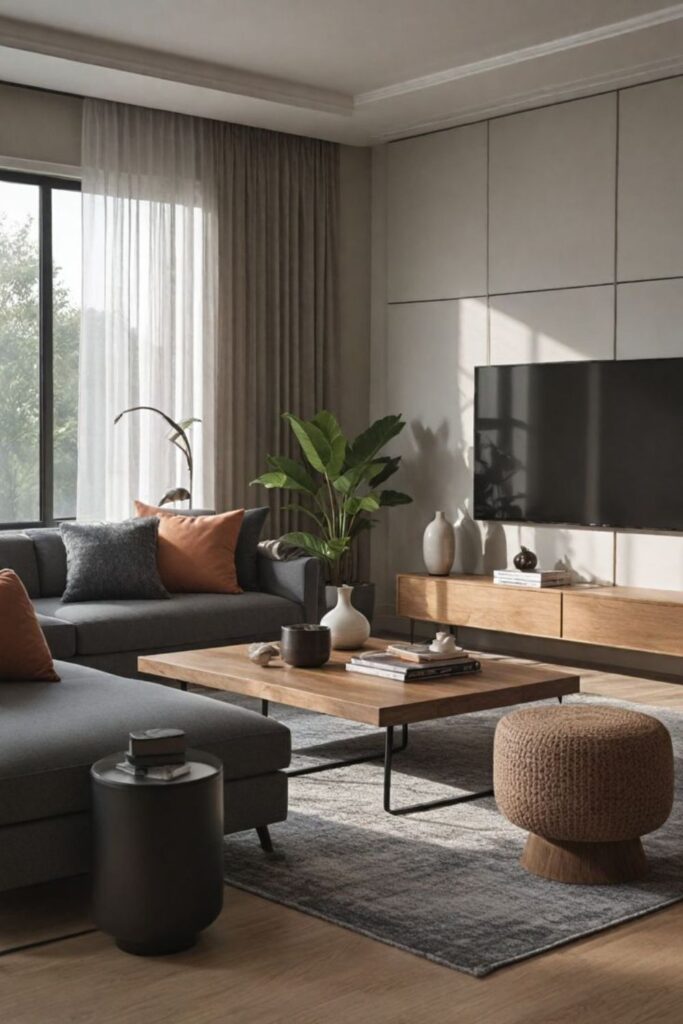
Before you move a single couch, find your room’s natural living room focal point. This is the spot your eye lands on first when you walk in. It might be a fireplace, a big window with a view, a built-in shelf, or even a striking piece of art. Every great layout starts here, because furniture should support the focal point, not compete with it.
If your room already has a strong architectural feature, your job is easier. If it doesn’t, you get to create one. Either way, this single decision shapes everything that follows, from where the sofa goes to how you handle TV placement ideas later on.
Working With Existing Architectural Features
Built-in shelving, exposed beams, bay windows, and fireplaces are gifts, even when they sit in odd places. Instead of fighting these features, build your layout around them. A bay window, for example, makes a natural reading nook. A fireplace pulls seating toward it automatically, which solves half your furniture arrangement tips problem before you even start.
Choosing a Primary Visual Anchor
No standout architectural feature? No problem. Create a focal point wall using a large piece of art, a gallery wall, or a bold paint color. A sectional sofa facing this wall instantly gives the room direction. This trick works especially well in newer homes with plain, builder-grade rooms that lack character on their own.
Read More About: 25+ Cozy Living Room Ideas to Create a Warm and Inviting Space
Break an Awkward Living Room Into Functional Zones
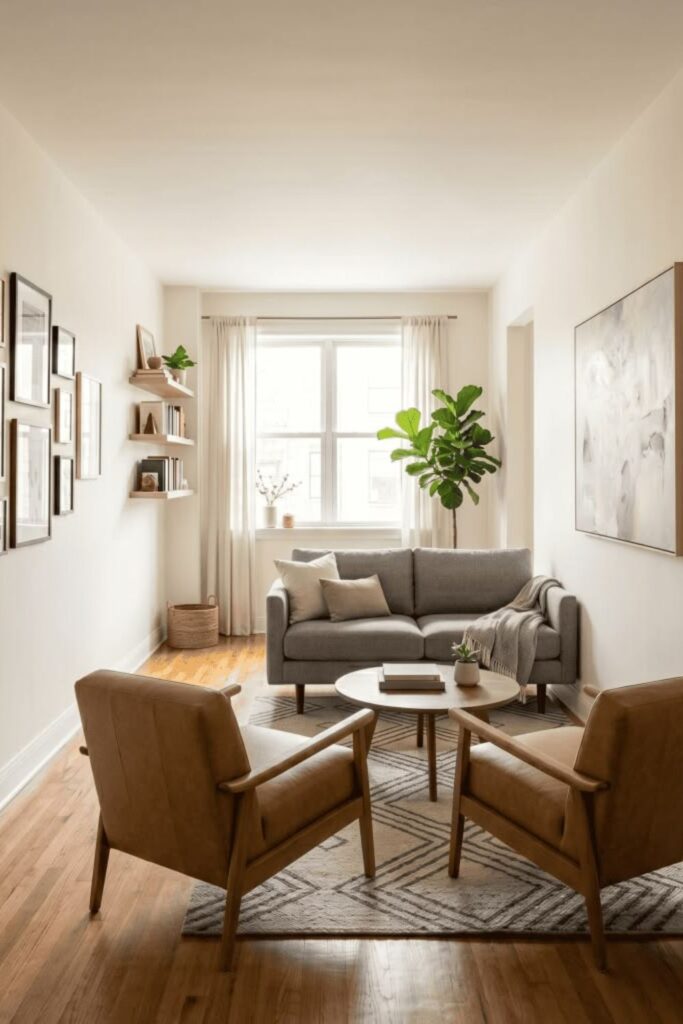
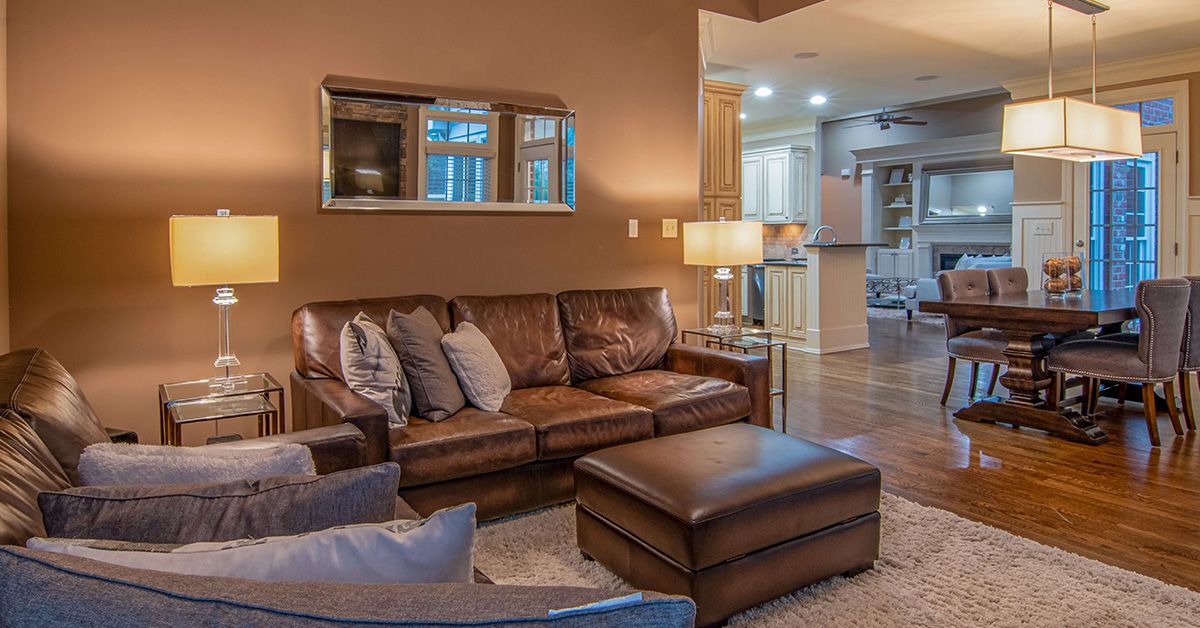
One of the best interior design tips for any tricky room is to stop thinking of it as one big space. Instead, create functional zones. A multifunctional living room might have a conversation area near the window, a small reading corner by the bookshelf, and a media zone facing the TV. This approach works wonders in open concept living room layout situations where the living room blends into the kitchen or dining area with no walls to separate them.
Zoning doesn’t require construction. It just requires intention. Once you decide what happens in each part of the room, the furniture almost arranges itself. This is also one of the fastest ways to fix a room that feels too big, too long, or too oddly shaped to use well.
Use Area Rugs to Define Separate Spaces
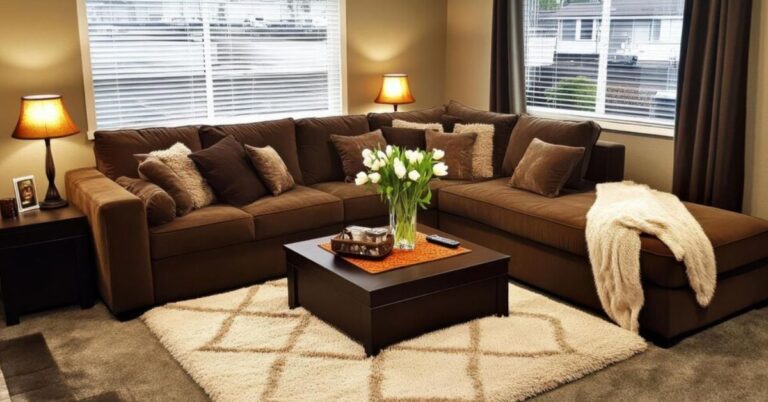
Area rugs are the secret weapon of zoning. A rug under your sofa and chairs visually says “this is the living area,” while a second rug under a desk says “this is the work zone.” Define spaces with rugs by making sure the front legs of your furniture sit on the rug, not floating off the edge, which keeps each zone feeling grounded and intentional.
Create Distinct Conversation Areas
A true conversation area keeps everyone close enough to talk without raising their voice. Designers generally recommend keeping seating within 8 feet of each other. In a long or oddly shaped room, you might fit two smaller seating arrangement groups instead of one giant one, which actually makes the space feel more inviting, not less.
How to Arrange Furniture in an Awkward Living Room
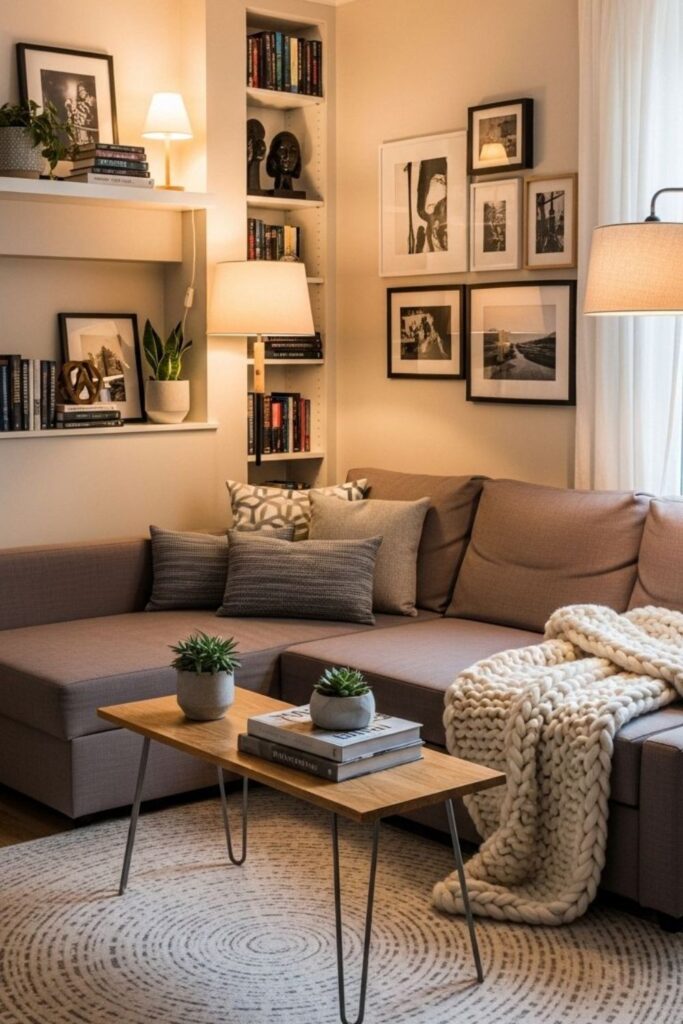
Learning how to arrange furniture in an awkward living room starts with a mindset shift. Forget pushing everything against the wall. Instead, think about scale, balance, and how people will actually move through the space. Good furniture placement creates a natural rhythm, guiding the eye and the foot traffic without anyone noticing the effort behind it.
A helpful rule: leave at least 14 to 18 inches between your sofa and coffee table, and keep main walkways clear of furniture corners. These small measurements make a huge difference in how comfortable a room feels day to day, even if the room’s basic shape never changes.
Float Furniture Away From the Walls
The floating sofa layout is one of the most underused tricks in American living rooms. Pulling your sofa even a few feet off the wall creates breathing room and often opens up a much better traffic flow path behind it. Floating furniture also makes large rooms feel cozier, because it breaks up empty space instead of pushing it all into the middle.
Use Swivel Chairs for Better Flexibility
Use swivel chairs in spots where one fixed direction won’t work for every situation. A swivel chair can face the TV during movie night and turn toward the conversation area when guests come over. This flexibility makes them perfect for awkward corners or rooms that serve more than one purpose throughout the day.
Balance Furniture Heights for Visual Harmony
To balance furniture heights, mix a low-profile sofa with a taller bookshelf or floor lamp. A room where everything sits at the same height looks flat and a little boring. Varying the heights creates visual interest and helps disguise awkward proportions, like a ceiling that’s too low or a wall that’s too long and blank.
Read More About: Living Room Accent Wall Ideas: 35 Stylish Designs for Every Home
Awkward Living Room Layout With Fireplace
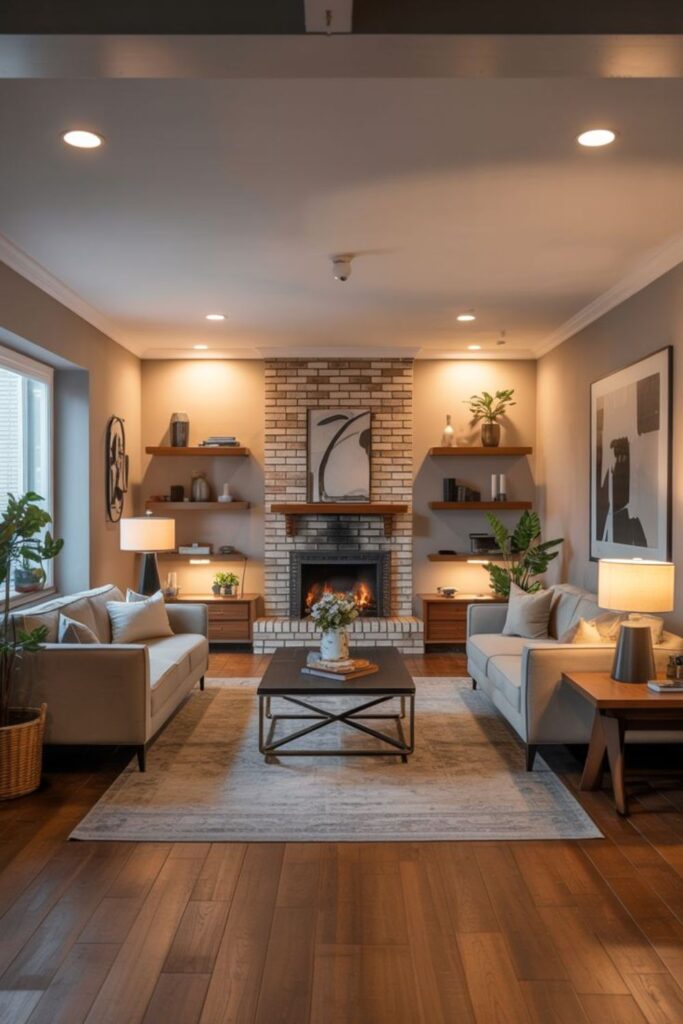
A fireplace is a beautiful feature, but it can also be the source of an awkward living room layout with fireplace problems, especially when it sits in a corner or off to one side instead of centered on a wall. The fireplace naturally pulls focus, which means your seating has to respect it, even if that means rethinking your sectional sofa placement entirely.
The trick is to treat the fireplace as a co-focal point alongside the TV, rather than letting them compete. Many homes now have both in the same room, and a thoughtful corner fireplace living room layout can actually make the space feel more dynamic, not more cluttered.
Position Seating Around the Fireplace
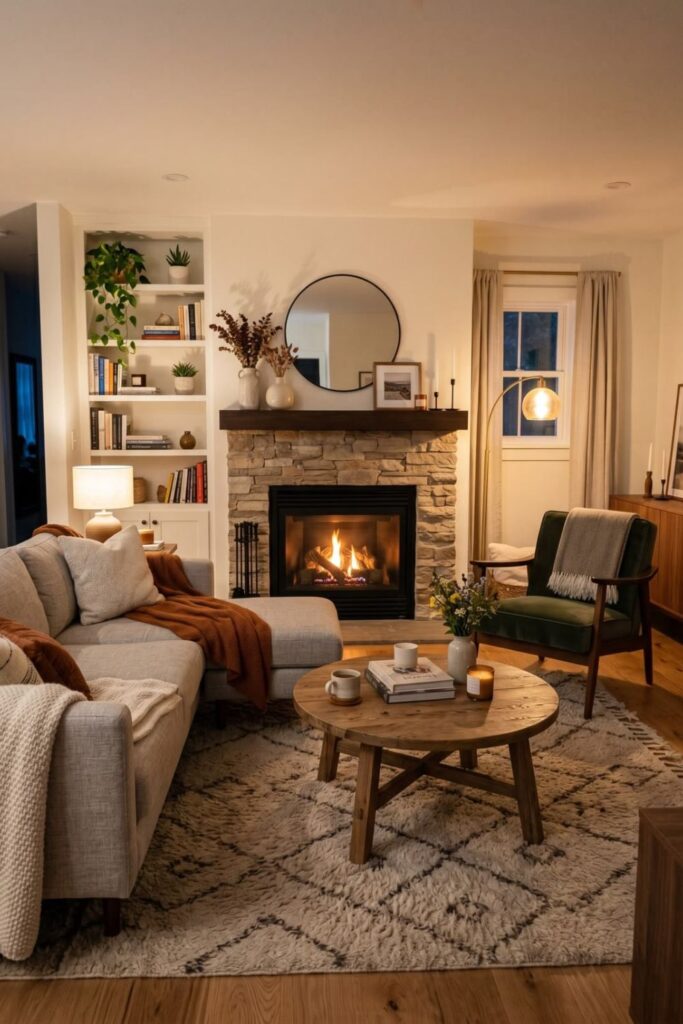
For a fireplace layout that works, angle your seating toward the fire rather than lining it up dead straight. A U-shaped or L-shaped seating arrangement lets people enjoy the fireplace and each other at the same time. Curved furniture ideas, like a rounded loveseat or a gentle arc of accent chairs, also soften the hard edges that fireplaces often create in a room.
Where to Put the TV When a Fireplace Is the Focal Point
This is one of the most common questions homeowners ask. For TV placement ideas near a fireplace, mounting the television above the mantel works in many homes, though it can cause neck strain if seating sits too close. A better option, when space allows, is placing the TV on a perpendicular or nearby wall so both features can be enjoyed without forcing your neck into an awkward angle every movie night.
Long Awkward Living Room Layout Ideas
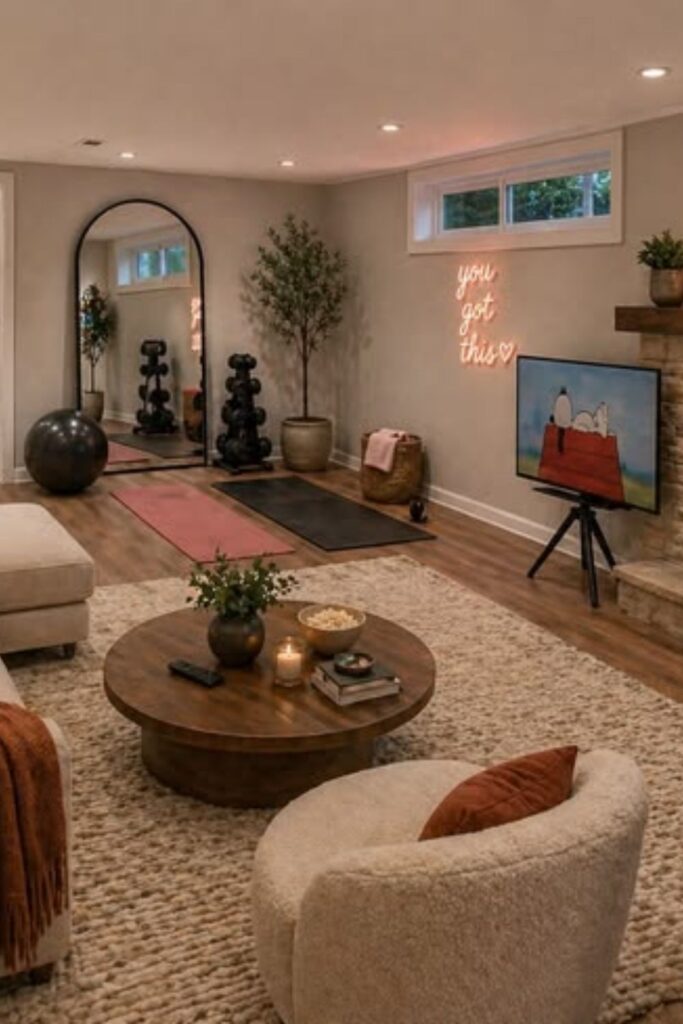
A long living room design challenge is one of the trickiest to solve, but also one of the most common in row houses, ranch homes, and converted spaces across the U.S. These long awkward living room layout ideas all share one goal: break the bowling-alley feeling into something that feels intentional, not accidental.
The key is to stop treating the room as one long stretch and start treating it as two or three connected rooms. This single shift, paired with smart furniture placement, transforms a narrow, tunnel-like space into a home that actually feels designed.
Split a Long Room Into Multiple Activity Zones
In a long room, create functional zones by placing furniture perpendicular to the longest wall instead of along it. A sofa facing a media unit can anchor one end, while a small desk or reading chair claims the other. This zoning trick works hand in hand with rugs, which we covered earlier, to keep each section visually distinct.
Improve Traffic Flow in Narrow Spaces
To improve traffic flow in a narrow living room, keep a clear path running the full length of the room, ideally along one side rather than down the center. This avoids cutting your seating area in half. Furniture with slim profiles and exposed legs also helps the space feel lighter and less congested.
Best Furniture Arrangement for Long Rooms
For the best living room furniture arrangement in a long space, choose a sectional sofa or two smaller sofas placed perpendicular to each other rather than one long row along the wall. A runner rug down the center can also visually shorten the room, making it feel more balanced from end to end.
Awkward L-Shaped Living Room Ideas
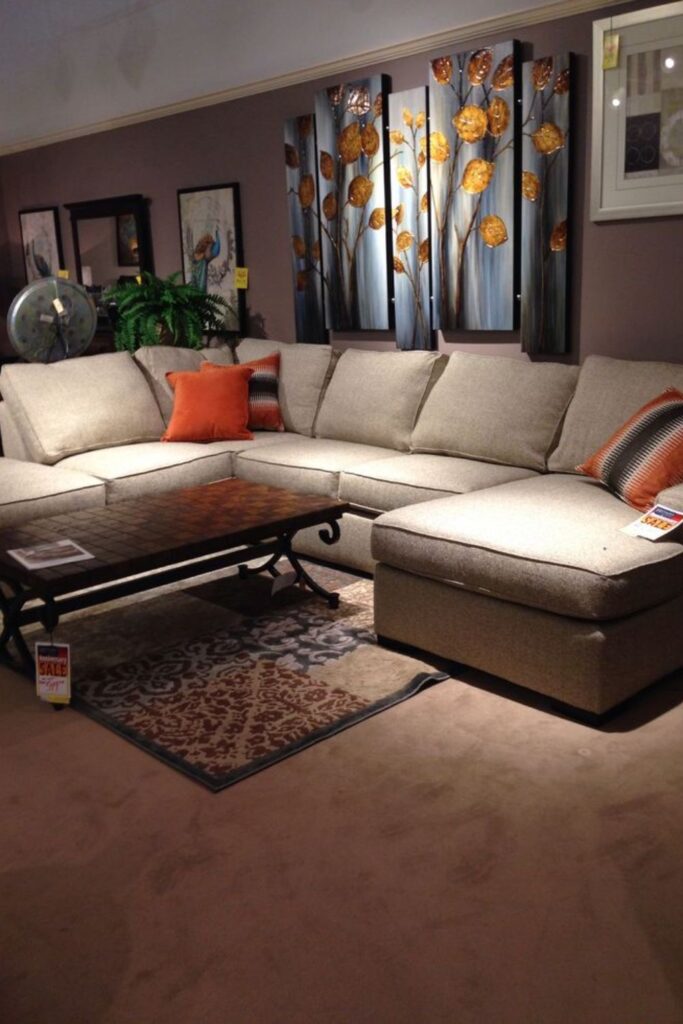
An awkward L-shaped living room has a built-in advantage that many homeowners overlook: it already comes with two natural zones. The trick with room layout ideas for this shape is using the “elbow” of the L as your main seating area, while the leg of the L becomes a secondary function.
This shape, common in open-concept homes and converted attics, can feel disjointed if you ignore its natural lines. But work with the angle instead of against it, and you’ll get one of the most flexible multifunctional living room setups available.
Create a Natural Seating Area
The corner where the two sections of the L meet is usually the strongest spot for your conversation area. Anchor it with a sectional sofa or two sofas at a right angle, which naturally fits the room’s existing geometry without any awkward gaps.
Use the Extra Section as a Functional Zone
The shorter leg of the L is perfect for a home office nook, a small dining table, or a reading corner. This is where define spaces with rugs comes in handy again, since a second rug clearly separates this zone from the main seating area without needing a wall.
Read More About: Best Living Room Ideas 2025: Modern Design Trends & Decor Inspiration
Irregular Shaped Living Room Ideas
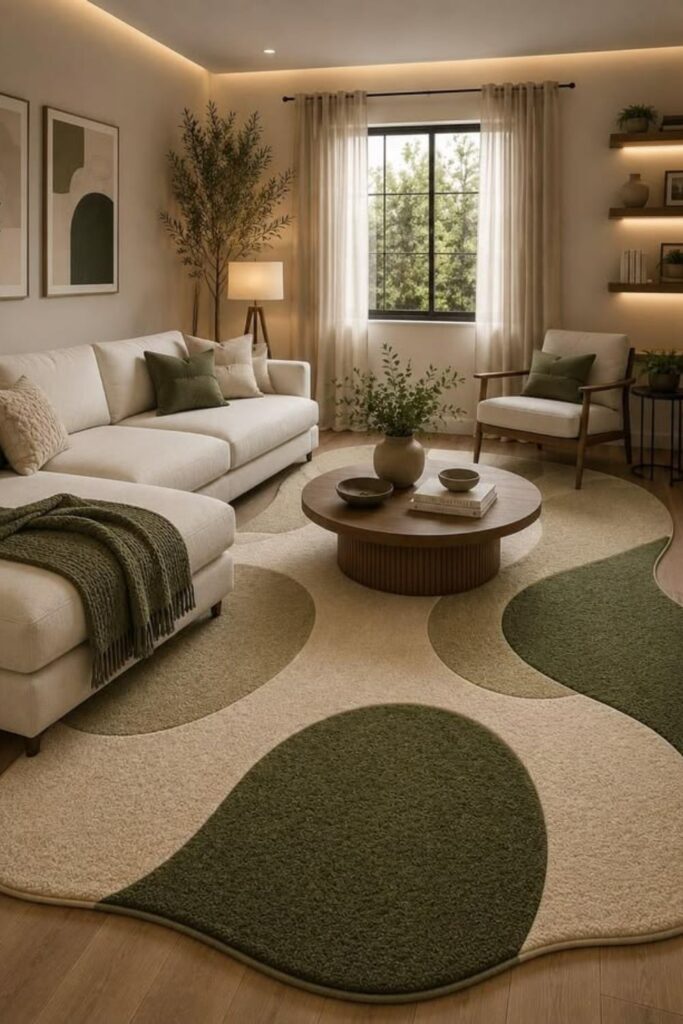
Irregular room shape layouts, think pentagons, hexagons, or rooms with several angled walls, intimidate a lot of homeowners. But these irregular shaped living room ideas prove that odd geometry can actually become a design strength rather than a weakness.
The general rule is to soften hard angles with curved or rounded furniture, and to avoid forcing rectangular pieces into spaces that simply weren’t built for them. A little flexibility goes a long way here.
Decorate Around Angled Walls and Corners
Angled walls respond well to custom or built-in shelving that follows the wall’s natural line. Curved furniture ideas, like a round ottoman or a curved sofa, also fit these spaces more naturally than sharp-edged pieces, and they reduce the visual clutter that boxy furniture can create in a non-standard room.
Use Custom Furniture Placement Strategies
When standard layouts don’t fit, modular furniture becomes your best friend. Modular sectionals can be rearranged into shapes that follow your walls instead of fighting them, giving you far more furniture arrangement tips flexibility than a fixed sofa ever could.
Smart Solutions for Weird Living Room Layouts
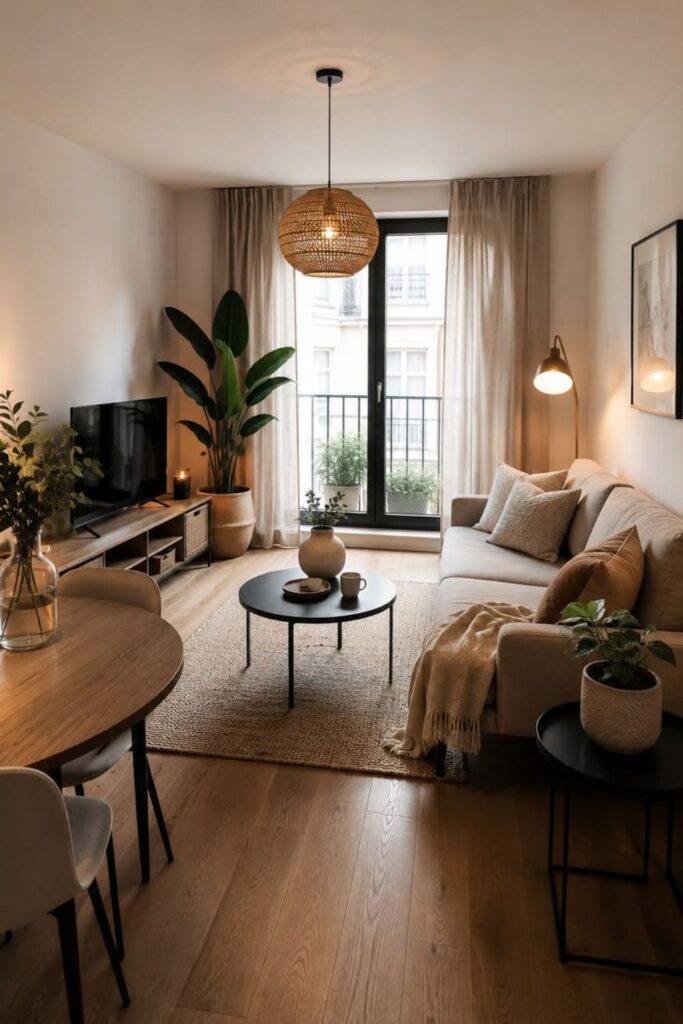
Sometimes a room doesn’t fit any clean category. It’s just a little bit weird living room layouts all around, with a few dead corners and one or two spaces nobody quite knows how to use. These living room design solutions turn that wasted square footage into something genuinely useful.
The mindset here is simple: no space is too small or too strange to have a job. Even a two-foot gap between a window and a wall can become something functional with the right small-scale furniture.
Turn Dead Corners Into Functional Spaces
To maximize awkward corners, add a tall plant, a slim bookshelf, or a single accent chair with a small lamp. Accent chairs are especially useful here because they don’t need much floor space, yet they instantly make a forgotten corner feel finished and intentional.
Repurpose Nooks and Niches
Repurpose nooks and niches by treating them as mini rooms within the room. A window nook becomes a reading spot. A wall niche becomes a small display shelf. These tiny upgrades often make the biggest difference in how finished a home feels.
How to Decorate Empty Corners in an Awkward Living Room
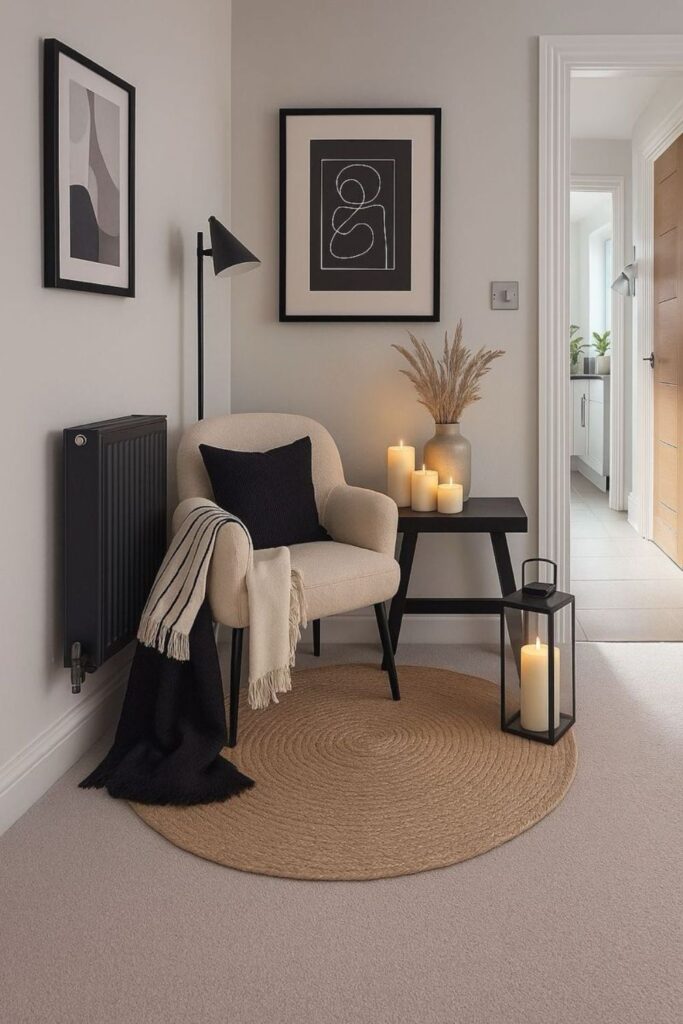
Empty corners are one of the most common complaints homeowners bring up during a living room makeover. They feel wasted, but they’re also one of the easiest problems to fix, often without buying a single large piece of furniture.
The goal isn’t to fill every inch. It’s to give each corner a clear, small purpose so the eye doesn’t skip right past it as dead space.
Create a Cozy Reading Nook
To create a reading nook, all you really need is one comfortable accent chair, a small side table, and a floor lamp for good light. This cozy seating area works beautifully in a corner near a window, where natural light does most of the work for you during the day.
Add a Compact Home Office or Workstation
A home office nook doesn’t need much room. A slim floating desk, a single chair, and a wall-mounted shelf can turn an unused corner into a real workspace. This is one of the most requested corner space ideas for homeowners adjusting to more time working from home.
Hidden Spaces You Can Transform for Extra Functionality
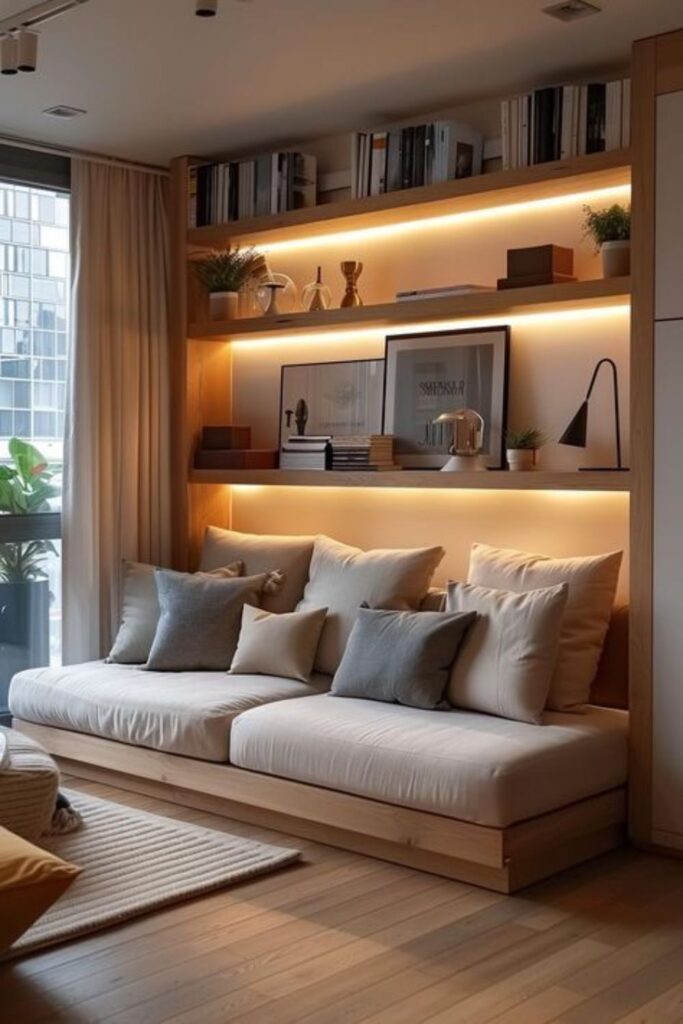
Beyond the obvious corners, most homes have a few genuinely hidden spaces that go completely unused. Finding and converting these areas is one of the smartest ways to add living room storage and function without any renovation at all.
These spaces often go ignored simply because they don’t look like “rooms.” But with the right small furniture or shelving, they can become some of the most-used spots in the house.
Turn a Closet Into a Mini Bar or Storage Zone
To turn a closet into a bar, remove the doors or swap them for open shelving, add a small counter, and you’ve got an instant entertaining feature. This trick, often called building a cloffice when it’s turned into a workspace instead, is one of the most popular small-space upgrades in recent years.
Make Use of Under-Stairs Space
To optimize under stairs space, consider built-in drawers, a small bench with storage, or even a mini library with short shelving that follows the slope of the stairs. This area is almost always wasted in standard home layouts, so claiming it adds real, usable square footage.
Lighting Tricks That Fix Awkward Living Rooms
Good lighting can quietly fix problems that furniture alone never could. A well-lit room feels bigger, warmer, and more balanced, even if the actual layout hasn’t changed at all. This is one of the most overlooked interior design tips for tricky spaces.
The goal is to avoid relying on a single overhead light, which tends to flatten a room and make awkward proportions even more obvious. Layering different light sources solves this almost instantly.
Layer Lighting to Improve Room Balance
To use layered lighting, combine ambient light from an overhead fixture, task light from a reading lamp, and accent light from a smaller decorative source. Wall sconces for living room spaces work especially well here, adding warmth at eye level without taking up any floor space at all.
Minimize the Impact of High or Off-Center Windows
To decorate around high windows, hang curtains close to the ceiling rather than right above the window frame. This trick draws the eye upward and makes the window, and the whole wall, feel more balanced and intentional, even when the window itself sits in an odd spot.
Wall Decor Ideas That Improve Awkward Layouts
Walls do a lot of heavy lifting in a tricky room. The right wall decor ideas can disguise a room’s odd proportions, while the wrong choices can make those same proportions even more obvious. A little planning here goes a long way.
This is also where your earlier focal point wall decision pays off, since wall decor naturally reinforces whatever anchor you chose at the start of the layout process.
Use Mirrors to Expand Difficult Spaces
A large mirror placed across from a window bounces natural light around the room and creates the illusion of more space. This is one of the oldest interior design tips in the book, and it still works exceptionally well in small or narrow living room spaces.
Create a Feature Wall on the Largest Surface
Your room’s biggest blank wall is the perfect spot for a focal point wall, whether that’s a bold paint color, wallpaper, or a curated gallery of art. This single move can visually “fix” an oddly proportioned room better than any furniture rearrangement.
Common Mistakes That Make an Awkward Living Room Worse
Even well-meaning homeowners make a few predictable mistakes when tackling a tricky room. Knowing these traps ahead of time can save you a lot of trial and error, and a fair amount of money on furniture that doesn’t end up working.
The two mistakes below show up again and again, regardless of the room’s size or shape, which makes them worth fixing first before anything else.
Blocking Natural Traffic Flow
Furniture placed without thinking about movement creates bottlenecks, forcing people to squeeze past tables or walk around chairs at odd angles. Always test your traffic flow by physically walking your planned path before committing to a final layout.
Pushing Every Piece Against the Wall
This is the single most common awkward living room layout mistake. Pushing every chair and sofa flush against the walls leaves a big, empty, useless space in the middle of the room. As covered earlier, a floating sofa layout almost always looks and feels better.
Designer Tips for Planning Any Living Room Layout
Professional designers rely on a few core habits that any homeowner can borrow, regardless of budget. These furniture arrangement tips apply just as well to a brand-new build as they do to a tricky, decades-old floor plan.
Keeping these two principles in mind from the very start of your space planning process will save you from most of the common layout headaches covered throughout this guide.
Prioritize Function Before Furniture
Before buying anything, decide exactly how you want to use the room. Reading, hosting, working, watching TV: each use shapes the layout differently. Space planning should always start with lifestyle, not with a sofa you saw online.
Measure Walkways Before Buying Pieces
Use painter’s tape on the floor to mark out furniture dimensions before you buy. This simple, free trick prevents the single most common and most expensive living room furniture arrangement mistake: buying a piece that simply does not fit the room.
Frequently Asked Questions
Where Should I Put My TV in an Awkward Living Room?
Place the TV on the wall that allows the most comfortable viewing distance from your main seating, ideally a flat wall without windows causing glare. If a fireplace shares the room, a perpendicular wall often works better than mounting directly above the mantel.
How Do You Use an Awkward Corner in a Living Room?
Small, single-purpose furniture works best. An accent chair, a slim bookshelf, or a floor lamp with a side table can all maximize awkward corners without overcrowding the space.
How Do You Place a Rug in an Awkward Living Room?
Choose a rug large enough that the front legs of your main furniture pieces rest on top of it. This single rule, more than any other, helps define spaces with rugs and keeps a tricky layout feeling grounded and pulled together.
Conclusion
Fixing an awkward living room layout doesn’t require a renovation budget or a degree in interior design. It just takes a clear-eyed look at your space, a willingness to break the room into smaller zones, and a few smart furniture placement choices along the way.
Whether you’re dealing with a narrow hallway-like room, an L-shaped floor plan, or a fireplace that refuses to cooperate, the same core principles apply: find your focal point, respect your traffic flow, and let every corner earn its keep.
Start small. Pick one zone, one corner, or one stubborn wall, and apply just one idea from this guide. You’ll likely find that a single well-placed rug or one floating sofa can change how an entire room feels. From there, the rest of your living room makeover will start to fall into place, one smart decision at a time.