23 Antique Home Decor Ideas That Make Any Room Feel Collected, Not Cluttered
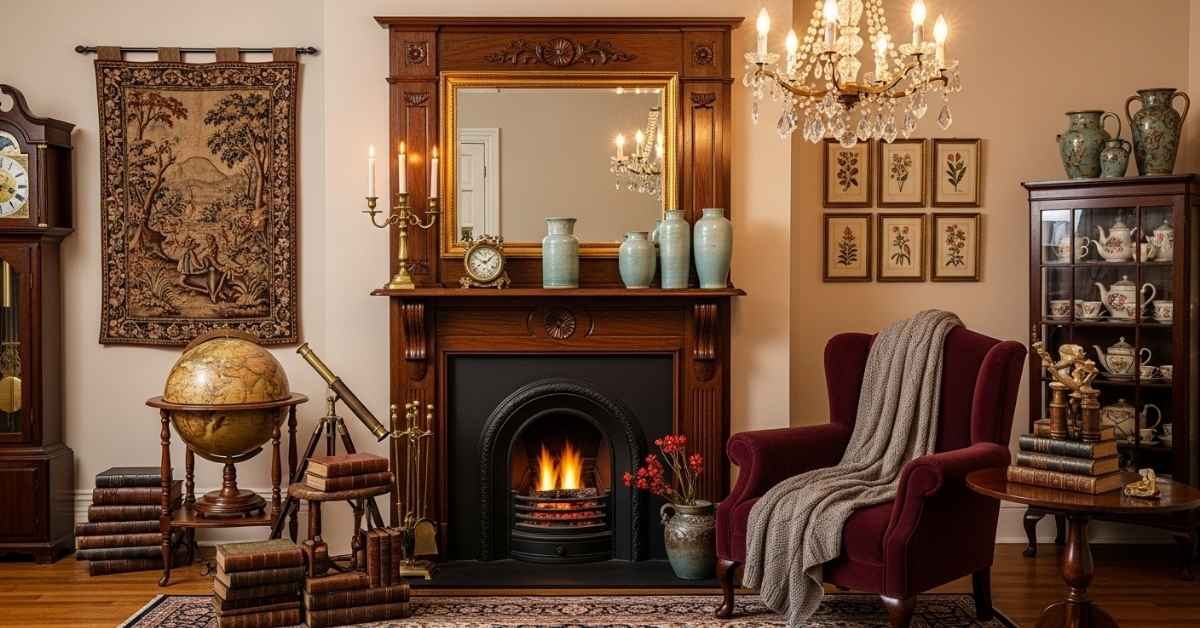
If your space feels generic or like it could belong to anyone, antique pieces are one of the most effective ways to fix that. A single well-placed vintage mirror, an old wooden chest used as a coffee table, or a set of mismatched ceramic vases can shift the entire feeling of a room without a full renovation or a big budget.
This list is for anyone who wants their home to feel curated and personal, whether you’re decorating a compact apartment, a rented flat, or a house that just hasn’t found its personality yet. These 27 antique home decor ideas range from easy one-piece swaps to full layout approaches all grounded in how real rooms actually work.
A Vintage Console Table in the Entryway
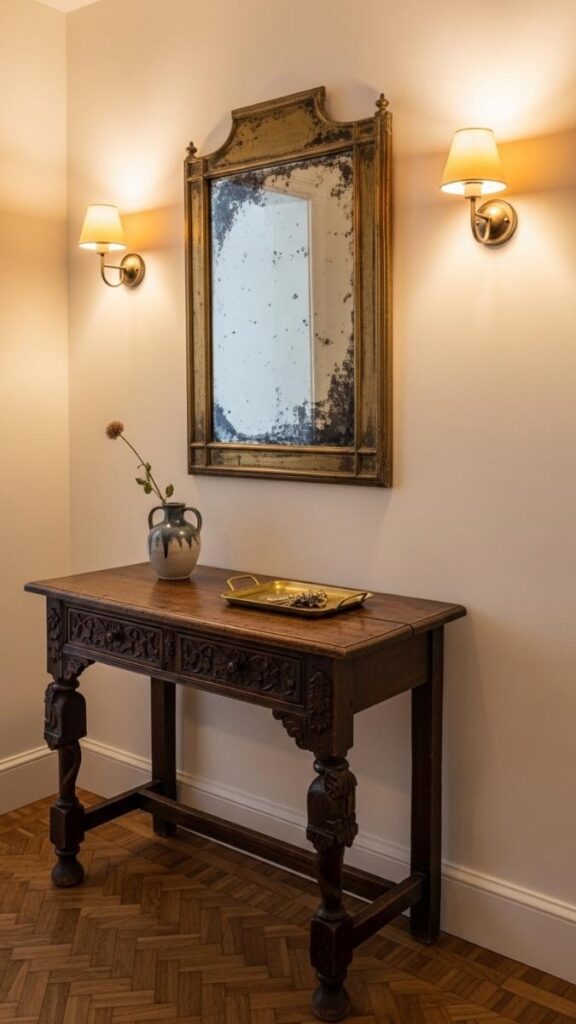
The entryway is the first thing people see, and a vintage console table immediately sets a tone that flat-pack furniture simply can’t. Look for one with turned legs, carved detailing, or a worn patina with visible history. Pair it with a simple tray for keys and a small lamp for warm ambient light. This setup works especially well in narrow entryways because the visual interest of the piece replaces the need for layered accessories. It solves the “blank hallway” problem without taking up extra floor space.
Antique Framed Mirrors as Wall Anchors
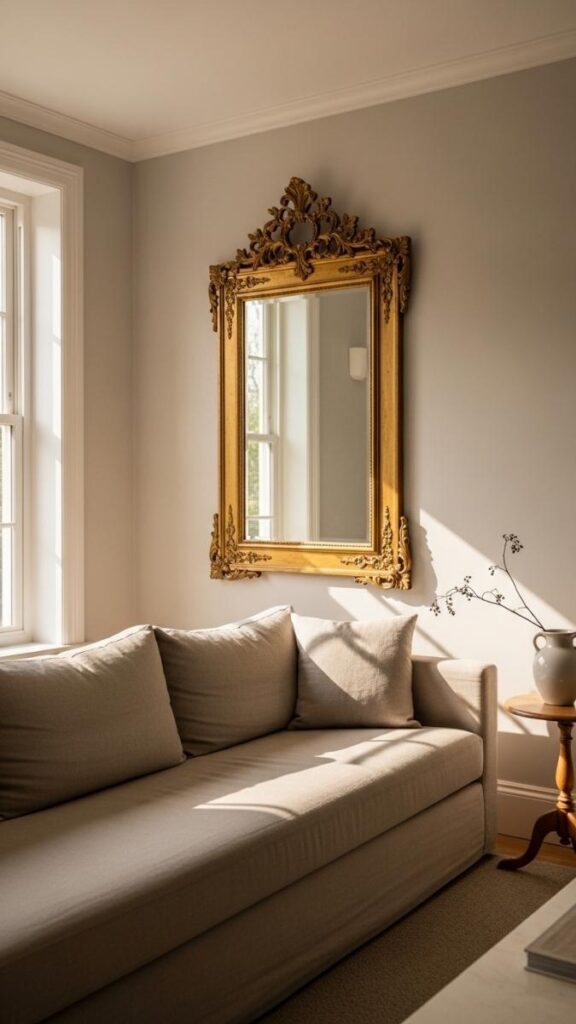
An oversized antique mirror does two things at once: it reflects light to make a space feel larger, and the frame itself acts as art. In rooms where wall decor feels disconnected or random, a single large vintage mirror creates an anchor. Gilded or distressed frames work particularly well against flat, modern walls; the contrast between the ornate frame and a clean background is what gives the look its tension. This is one I’d actually recommend trying first because it works in almost any room size and doesn’t require rearranging furniture.
Repurposed Antique Trunks as Coffee Tables
A steamer trunk or vintage wooden chest used as a coffee table is one of the most functional antique ideas available. It provides surface space, hidden storage inside, and visual weight that grounds the seating area. Unlike glass or thin-legged modern tables, a trunk anchors the room and makes the layout feel intentional. This works particularly well in living rooms that double as storage-challenged spaces, apartments, studio setups, or rooms where a traditional coffee table would feel too predictable.
Gallery Walls Built Around Antique Frames
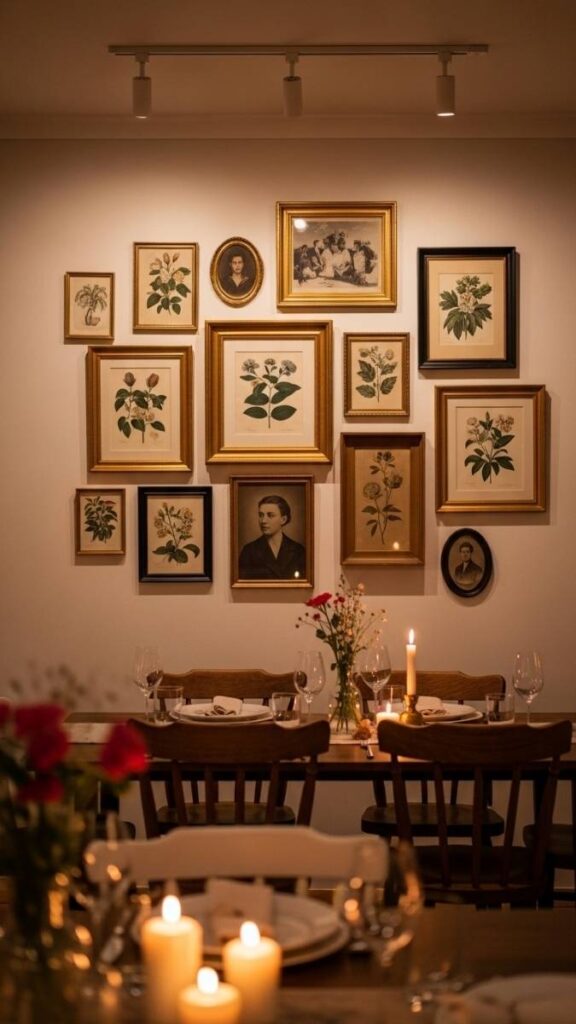
The most visually interesting gallery walls aren’t perfectly matched; they’re built around antique frames in varying sizes, finishes, and depths. Mix oil-rubbed gold with dark walnut and distressed white. Fill them with anything: vintage botanical prints, black-and-white family photos, or abstract artwork. The frames do the heavy lifting. In my experience, this works best when you have at least one large frame to anchor the arrangement and fill the remaining space with smaller ones clustered around it.
Vintage Lighting Fixtures as Focal Points
Swap a flat, builder-grade ceiling fixture for an antique or antique-style chandelier and the room reads completely differently. Aged brass, verdigris bronze, or wrought iron fixtures cast warm, directional light that modern recessed lighting doesn’t replicate. In kitchens and dining rooms especially, the fixture becomes the first thing the eye goes to which takes pressure off every other design decision in the room. This is particularly useful in rented spaces where you can’t change walls or floors but can swap out lighting fixtures.
Antique Rugs to Define Open-Plan Zones
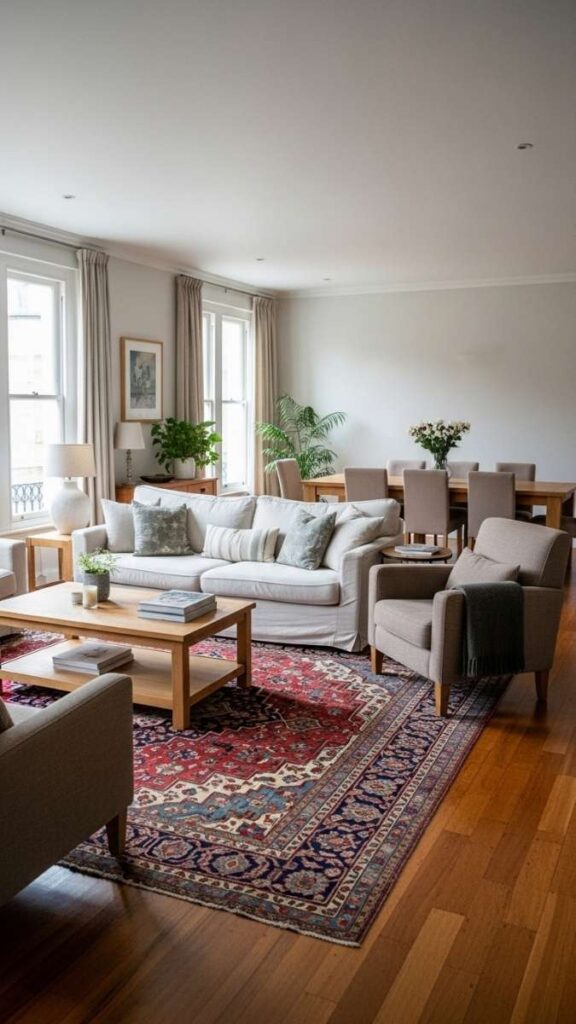
In open-plan layouts, defining separate zones without walls is one of the most common layout challenges. An antique rugPersian, Turkish, or Moroccan grounds the seating area and creates a clear visual boundary without any construction. The aged colors (dusty rose, faded indigo, worn terracotta) tend to tie together otherwise disconnected furniture pieces because they already carry a mix of tones. Honest opinion: this single swap does more for spatial clarity in open layouts than almost any furniture rearrangement.
Vintage Wooden Shelving for Kitchen Display
Open wooden shelving with a worn or aged finish turns everyday kitchen items into display moments. Stack white ceramics, hang copper pots, and add a few dried botanicals. The visual warmth of old wood against a painted or tiled backsplash creates a layered, lived-in feel that no flat-pack shelf replicates. This works best in kitchens that lack upper cabinetry or in those where the cabinets are being deliberately removed to open up the space.
Antique Ceramic Vessels as Sculptural Decor
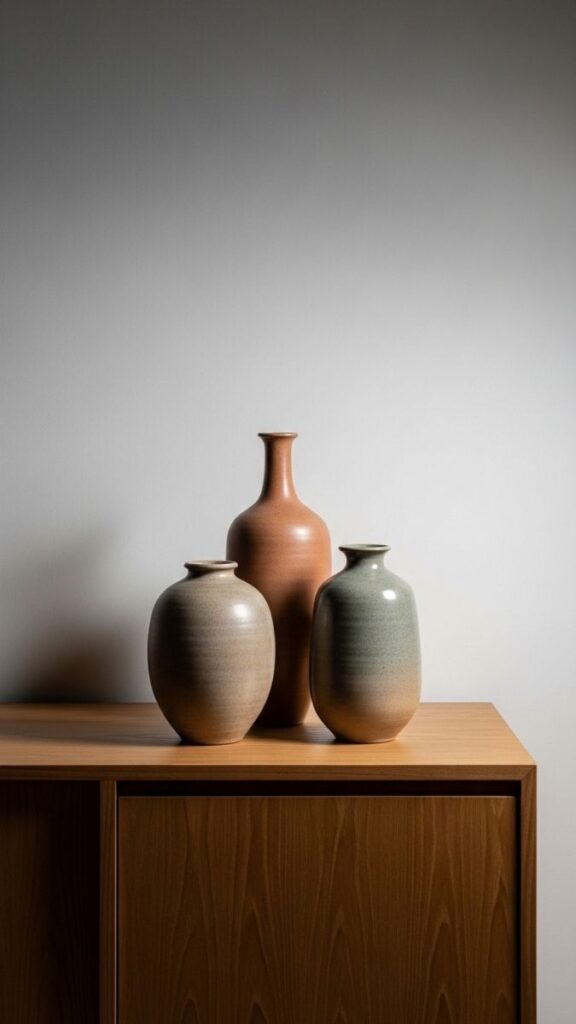
Grouped antique ceramics, crackle-glaze vases, hand-thrown stoneware, or vintage porcelain function as sculptural objects rather than typical decor. The key is variation: different heights, similar color families. Place them on a sideboard, shelf, or windowsill in clusters of three or five. Unlike modern vases with uniform finishes, antique ceramics carry subtle imperfections that give the grouping texture and depth. This is a low-commitment, high-impact approach that works in nearly any room.
A Clawfoot or Roll-Top Desk as a Statement Work Piece
If your home office setup looks like a generic workstation, an antique roll-top or clawfoot desk immediately reframes the space. The piece itself communicates purpose, it’s clearly a desk, it has storage built into its design, and it adds warmth to a space that can otherwise feel sterile. It works especially well in bedroom corners or living room alcoves where the workspace needs to blend into the room rather than dominate it.
Vintage Map Prints for Layered Wall Decor
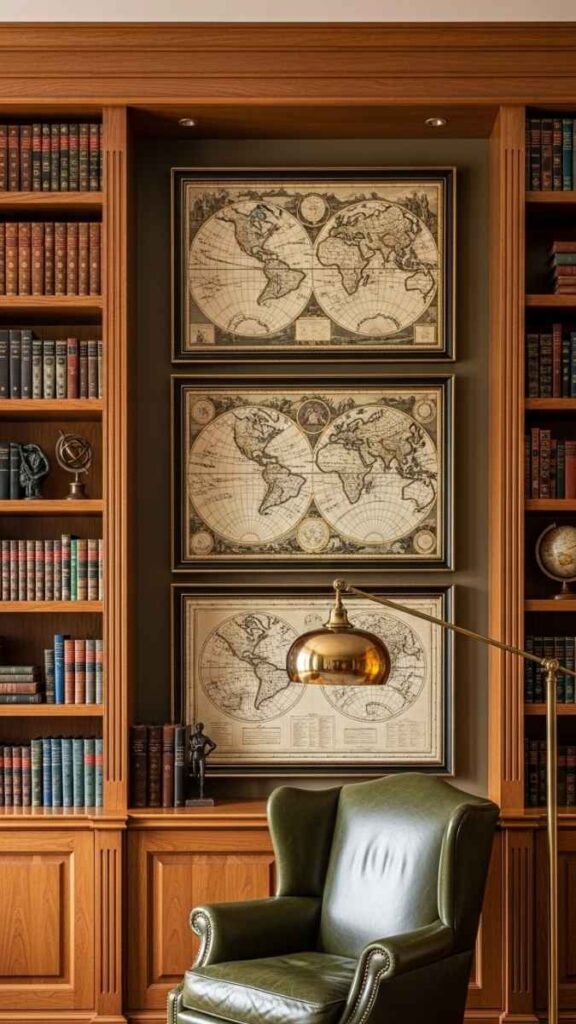
Old maps, city plans, coastal charts, hand-drawn botanical maps work as wall art with genuine depth and detail. Unlike generic prints, they invite closer inspection and add an intellectual layer to the room’s atmosphere. Frame them in aged wood or gold and hang them in studies, hallways, or above bookshelves. The scale matters: a large map as a single statement piece reads differently (and more powerfully) than a cluster of small ones.
Antique Side Tables for Bedroom Layering
Matching nightstands are not a rule. Using two different antique side tables, one dark walnut, one painted cane or rattan creates a bedroom that feels collected rather than showroom-staged. Each piece should be at roughly the same height, but surface material, leg style, and drawer configuration can all differ. This works well in rooms where a symmetrical, matched look feels too formal or predictable for the overall aesthetic.
Old Doors Repurposed as Headboards
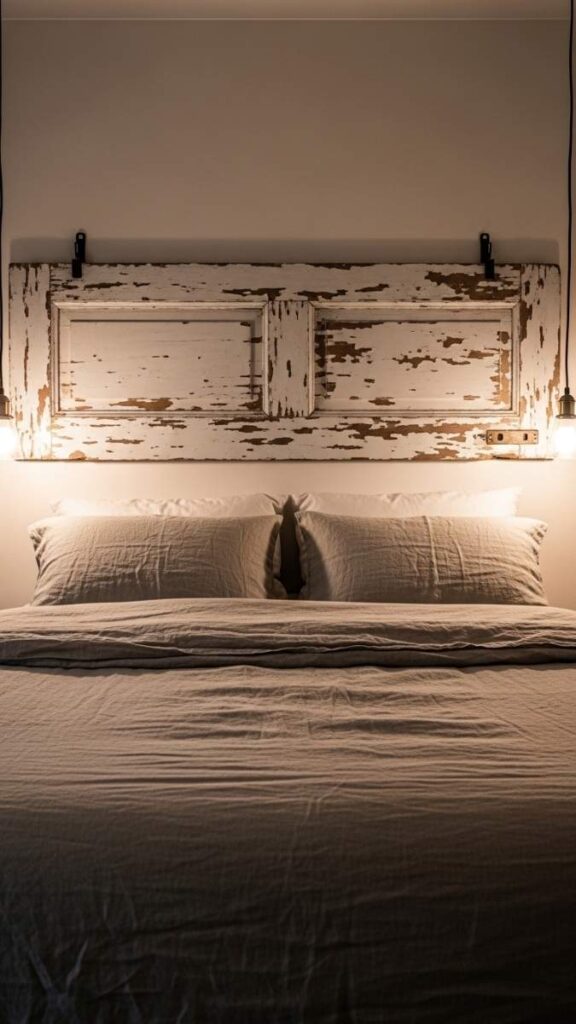
A vintage door salvaged from an architectural reclaim yard mounted behind a bed creates one of the most distinctive headboard solutions available. The door’s paneling, hardware, and paint history all add character that no upholstered headboard can manufacture. Choose one slightly wider than your mattress for proper proportions. This is especially useful in rooms with high ceilings, where standard headboards leave too much empty wall space above.
Read More About: 27 High End Bedroom Decor Ideas That Make Your Space Feel Like a Luxury Hotel
Vintage Clocks as Functional Wall Art
A large antique clockstation-style, steeple-style, or an ornate mantel clock displayed on a shelf is one of the few decor pieces that combines function and visual impact. The scale of an old clock adds presence without requiring you to fill surrounding wall space. Clocks also work in rooms that feel spatially awkward because they draw the eye to a specific focal point and create visual order. In smaller kitchens or compact living rooms, this is often more effective than a gallery wall.
Antique Armchairs as Accent Seating
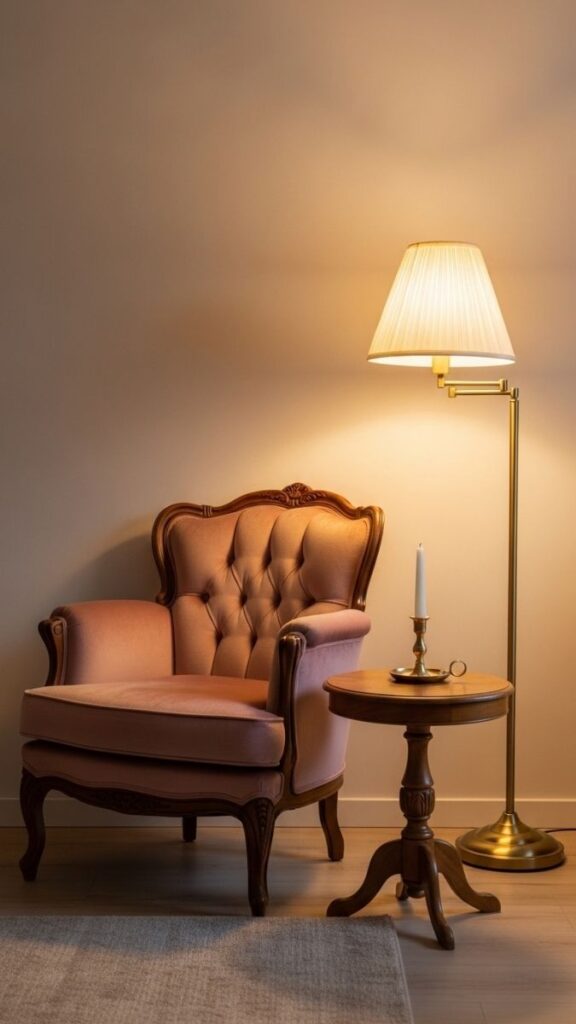
A single antique armchair in a modern room creates exactly the kind of visual contrast that makes a space interesting. Look for carved wooden frames, camel-back silhouettes, or bergère-style cane sides. Reupholster if needed in a contemporary fabric, dusty velvet, textured linen, or even a bold stripe. Position it near a lamp to create a reading corner, and let it be the room’s personality piece. This is especially useful in minimalist spaces that need warmth without adding clutter.
Brass Hardware Swaps for a Vintage Feel
You don’t need antique furniture to bring antique character into a kitchen or bathroom hardware does it efficiently. Swapping modern chrome or matte black pulls for aged brass, oil-rubbed bronze, or unlacquered brass hardware takes about an afternoon and costs very little per piece. The finish patinas over time, which is the point. This is the right move for renters who want antique warmth without any permanent changes and can reverse it when they leave.
Vintage Textiles as Throws and Cushion Covers
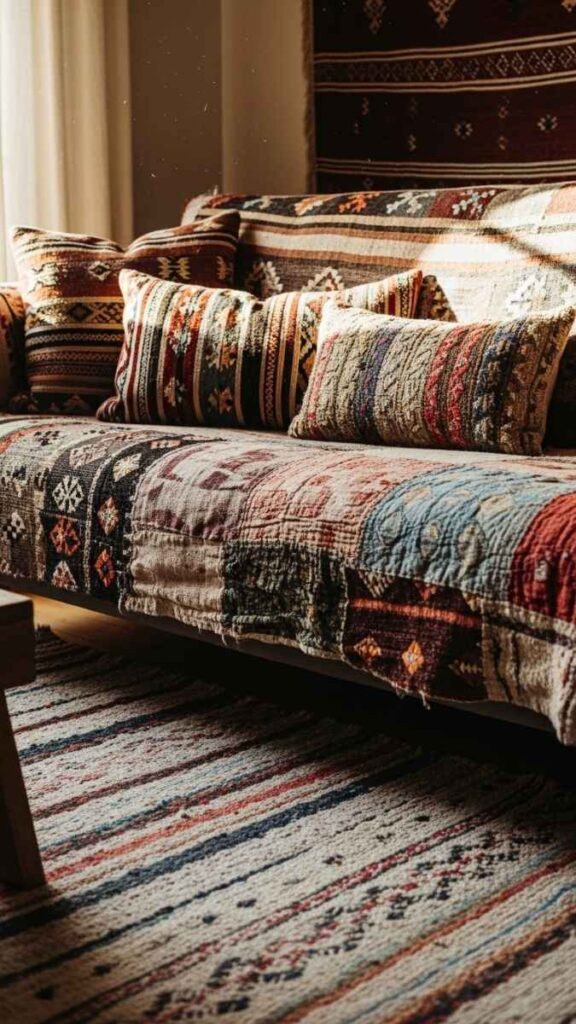
Antique and vintage textiles, kilim cushions, faded patchwork throws, hand-block-printed linen add a layer of warmth that manufactured textiles don’t replicate. The irregular dye patterns and worn softness of aged fabric give a sofa or bed an instantly lived-in, comfortable quality. Layer two or three pieces in complementary tones rather than matching sets. This is a low-cost, highly reversible way to bring antique character into any room without buying large furniture pieces.
Apothecary Jars and Old Glassware for Bathroom Display
Old apothecary jars, medicine bottles, or pressed glass containers make functional bathroom storage look intentional. Use them for cotton rounds, bath salts, or hair pins. The clear or slightly tinted glass catches light and adds an unexpected layer of detail to bathroom shelving. This works particularly well in bathrooms that are too small for significant furniture but need something beyond standard white plastic organization.
Antique Bookcases as Room Dividers
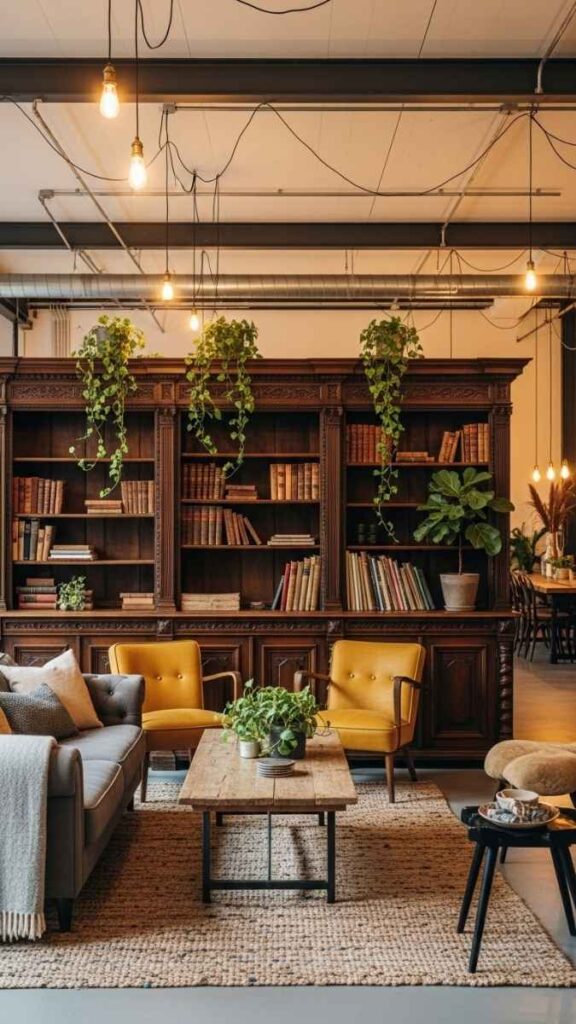
A freestanding antique bookcase particularly one with open shelving on both sides or significant depth can function as a room divider in open-plan spaces. It defines zones, provides storage, and adds architectural character without permanent construction. Darker wood finishes create more visual weight and a clearer boundary. This is one of the smartest antique investments for studio apartments or open living-dining rooms where defining separate areas isn’t otherwise possible.
Read More About: 21 Vintage Bedroom Decor Ideas That Feel Curated, Not Cluttered
Vintage Window Frames as Decorative Mirrors
Old window frames with mirror panels inserted in place of glass create a unique decorative mirror alternative. The grid pattern adds geometric detail, and if the frame carries its original paint layers or hardware, the piece has real visual character. Lean large ones against a wall rather than hanging them, which also makes them easy to move. This is a clever solution for rooms that need light-reflecting elements but where standard mirrors feel too plain.
Cast Iron or Canopy Beds for Bedroom Presence
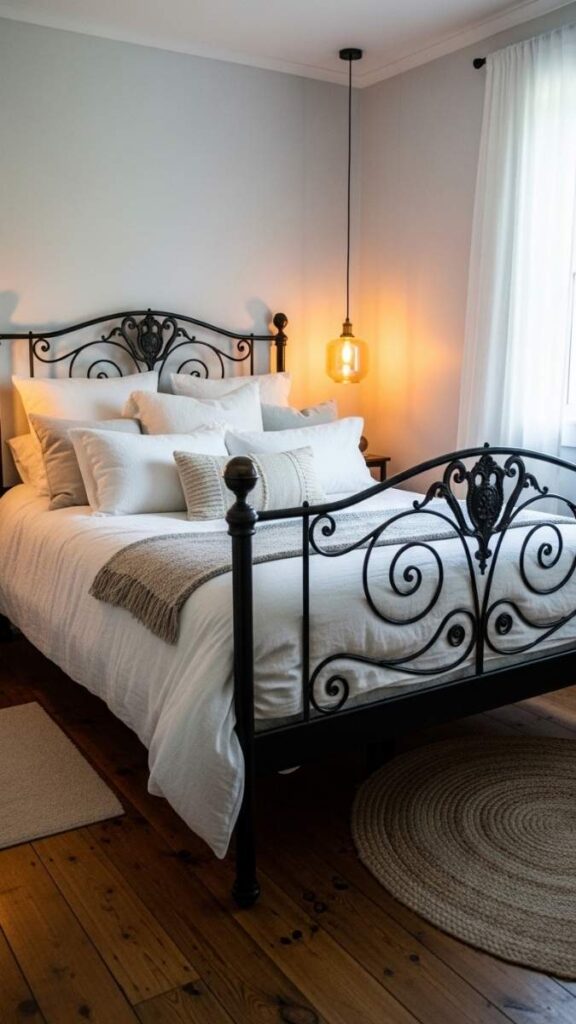
A cast iron or wooden canopy bed frame completely changes a bedroom’s scale and atmosphere. The vertical presence of the frame draws the eye upward and makes the room feel taller. Pair it with simple white or neutral linen the bed frame provides enough visual interest on its own. This is worth considering in bedrooms with higher ceilings that feel cavernous without a strong focal piece.
Antique Scientific or Botanical Illustrations
Antique scientific illustrations, botanical charts, insect studies, anatomical drawings, celestial maps are one of the most effective ways to add visual interest to a plain wall. They’re detailed enough to reward close inspection and neutral enough in subject matter to work in almost any room. Frame them simply in aged wood or gilt and cluster them by theme. The consistency of subject matter is what makes the grouping feel curated rather than random.
Repurposed Ladder as Towel or Blanket Rack
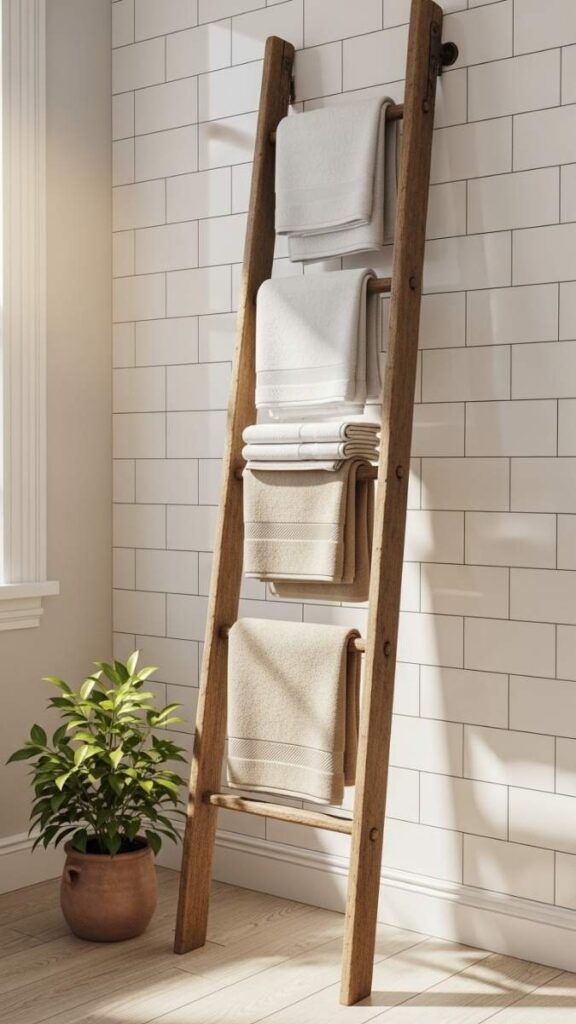
A vintage wooden ladder leaned against a wall works as a towel rack in bathrooms or a blanket display in bedrooms. It takes up almost no floor space, adds vertical warmth to tiled or plain walls, and holds a surprising amount of fabric. In bathrooms especially, where storage is often limited and accessories tend to feel clinical, this introduces a natural material and an organic shape. Look for old barn ladders or orchard ladders for the most visual character.
Antique Clocks on Mantelpieces for Visual Balance
A mantelpiece without a clock tends to feel incompleteit’s a shelf designed for display, and a clock provides the vertical anchor the arrangement needs. An antique mantel clock in dark wood, marble, or enamel immediately communicates permanence and intention. Flank it asymmetrically with candles, small ceramics, or a trailing plant for a balanced but not rigid look. This is particularly effective in living rooms that have a fireplace as their natural focal point.
Vintage Bar Carts for Living Room Function
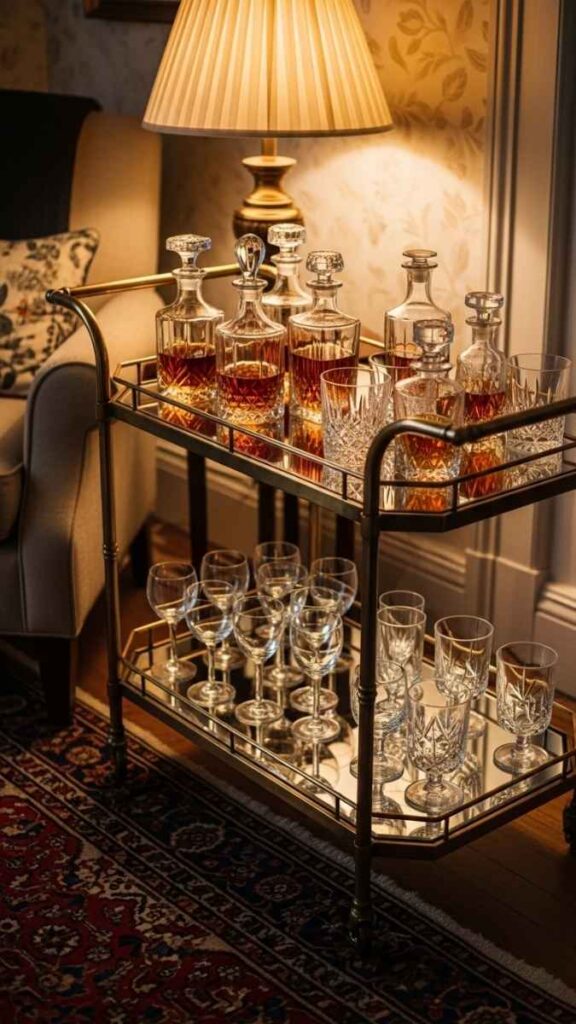
An antique bar cartbrass-framed with glass shelves, or chrome with mirrored surfaces is simultaneously functional and decorative. It provides storage for drinks and glasses without requiring cabinetry, and the reflective surfaces bounce light around the room. The rolling design means it’s easy to reposition for gatherings. This works well in apartments and smaller living rooms where a dedicated bar area isn’t possible but the visual element of a styled surface adds warmth to an otherwise plain corner.
Antique Dressers Styled as Bathroom Vanities
Converting an antique dresser into a bathroom vanity by cutting a hole for plumbing and mounting a vessel sink creates a bathroom that feels genuinely custom. The wood drawers remain functional for storage, the piece’s original hardware adds character, and no two bathrooms end up looking the same. This is a more involved project but solves the problem of bathrooms that feel identical to every other rental or new-build. In my experience, this single change is what makes a bathroom feel like it belongs to a specific person rather than a generic space.
Old Books as Layered Shelf Decor
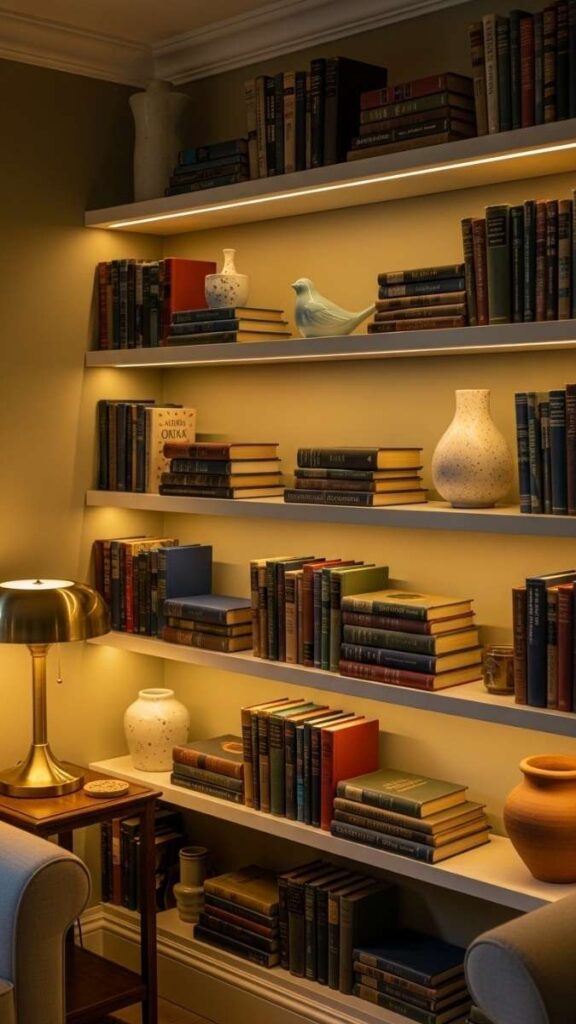
Vintage hardcover books gathered from secondhand shops, estate sales, or inherited collections provide shelf texture that new books don’t. The variation in spine color, age, and height creates a layered, collected look that styled shelving often tries and fails to replicate. Mix vertical stacking with horizontal piles. Use a few as platforms for small objects. The books don’t need to be readable or themed; they’re contributing color, depth, and material warmth to the shelf as a whole.
Antique Planters and Urns for Indoor Greenery
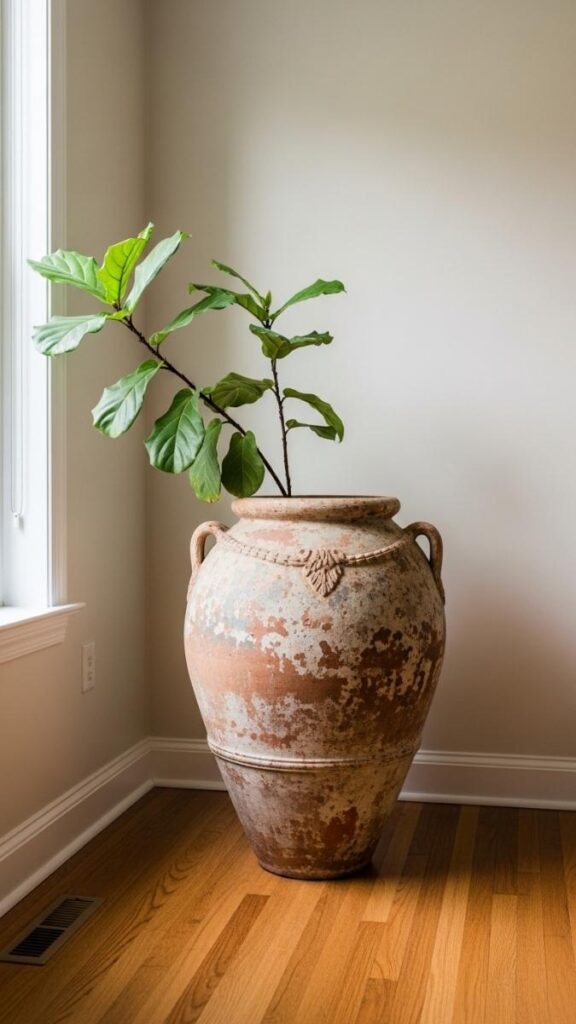
Large antique terracotta urns, zinc planters, or cast stone pots bring a garden-meets-interior quality that modern plant containers rarely achieve. The aged surfaces, cracked glaze, weathered zinc, mossy stone contrast well with green plants and make even a single large indoor tree feel like a considered design choice rather than an afterthought. Position one in a corner with a tall plant, near a window where natural light is strongest. This works particularly well in rooms that feel unfinished in their corners.
What Actually Makes Antique Home Decor Work in Real Rooms
The most common mistake with antique decor isn’t buying the wrong piecesit’s placing too many in one room without considering visual balance. Here’s what actually makes these ideas work at a practical level.
Scale matters more than quantity.
One large antique piece per room almost always reads better than five small ones. A single vintage armoire, a large mirror, or an oversized rug establishes the antique tone without crowding the space.
Mix proportions deliberately.
Antique pieces tend to have heavier visual weight than modern furniture, thicker legs, more ornamentation, denser materials. Pair them with lighter modern pieces (simple linen sofas, thin-legged dining chairs) to create balance and let each piece breathe.
Patina is the point.
The worn finish, the faded upholstery, the slight asymmetry these aren’t flaws. They’re what makes the piece visually interesting. Resist the urge to over-restore antique pieces. A refinished antique often loses the quality that made it worth buying.
Lighting reveals character
. Antique pieces look best under warm, layered lightingtable lamps, floor lamps, and candlelight. Overhead cool-white lighting flattens the material depth and aged tones that make vintage pieces distinctive. If you’ve placed an antique piece in a room and it doesn’t look right, adjust the lighting before reconsidering the piece itself.
Antique Decor Style Guide by Room and Setup
| Idea | Room Type | Best For | Problem Solved | Budget Level |
| Vintage console table | Entryway | Small/narrow halls | Blank entry, no storage | Low–Mid |
| Antique mirror | Living room, bedroom | Any size room | Poor light, bare walls | Low–Mid |
| Steamer trunk coffee table | Living room | Storage-limited spaces | Clutter, style gap | Low |
| Persian antique rug | Open-plan spaces | Large or undefined rooms | Zone separation | Mid–High |
| Roll-top desk | Home office, bedroom | Work-from-home setups | Sterile workspace | Mid |
| Cast iron bed frame | Bedroom | High-ceiling rooms | Weak focal point | Mid–High |
| Antique dresser vanity | Bathroom | Renters, renovators | Generic bathroom feel | Mid–High |
| Apothecary jars | Bathroom, kitchen | Small storage areas | Clinical look, clutter | Low |
| Vintage bar cart | Living room corner | Apartments, renters | Dead corner space | Low–Mid |
| Old wooden ladder | Bathroom, bedroom | Tight spaces | No towel/blanket storage | Low |
How to Design a Room Around Antique Pieces Without Losing Cohesion
Starting with antique pieces and building a room around them is different from styling a room and adding vintage accents afterward. The approach matters.
Start with the floor and anchor pieces.
If you have a Persian rug or a large antique armoire, place those first and let the rest of the room respond to them. Trying to fit antique pieces into an already-styled modern room often results in a space that feels like two separate rooms fighting each other.
Establish a tonal family, not a style era.
You don’t need everything to be Victorian, or 1920s Art Deco, or French provincial. What you do need is a consistent color story. If your antique pieces carry warm amber, aged brass, and deep walnut tones, keep your modern pieces in the same warm familycream, camel, terracottarather than introducing cool grays or bright whites.
Give each antique piece breathing room.
This applies especially in smaller rooms. If a vintage chest of drawers is your anchor piece in a bedroom, don’t crowd the surrounding walls with prints and shelves. Let the piece sit with clear space around it so the eye can actually register it.
In 2026, the strongest trend is confident mixing antique.
pieces paired with organic modern furniture (curved silhouettes, natural stone, raw wood), rather than trying to recreate any single historical interior. The mix is the point. A room that looks like it was designed in one specific decade is often less interesting than one that feels genuinely collected over time.
FAQs’
What is the easiest way to start decorating with antiques?
Start with accessories rather than furniture, vintage ceramics, old frames, or antique textiles are low-cost, easy to move, and don’t require committing to a specific layout. Once you have a feel for what tones and styles you’re drawn to, you can scale up to larger antique furniture pieces.
How do you mix antique decor with modern furniture without it looking messy?
The key is maintaining a consistent color palette across both old and new pieces. Antiques and modern furniture coexist well when they share tonal family-warm woods and warm neutrals, for example, even if their styles are from completely different eras. Limit the number of antique statement pieces to one or two per room.
Can antique decor work in small apartments or rented spaces?
Absolutely. Many antique ideas, brass hardware swaps, vintage textiles, apothecary jars, antique mirrors require no structural changes and are fully reversible. These are specifically well-suited to rented spaces where permanent changes aren’t allowed.
What’s the difference between antique and vintage decor?
Technically, antique refers to pieces over 100 years old, while vintage typically covers pieces from 20 to 99 years old. In practice, most home decor contexts use the terms interchangeably. What matters more than age classification is the quality, character, and material of the piece.
Is antique decor expensive to pull off?
Not necessarily. Estate sales, thrift stores, Facebook Marketplace, and architectural salvage yards regularly yield high-quality antique pieces at accessible prices. The most expensive antique purchases are usually large furniture items; accessories, textiles, and hardware can be assembled on a modest budget.
How do you prevent an antique-decorated room from feeling like a museum?
Keep at least half of the room’s furnishings modern or contemporary in silhouette. Antique pieces should anchor or accent the space not fill every surface. Clean lines, open floor space, and simple modern textiles counterbalance the visual weight of older pieces and keep the room feeling current.
Which rooms benefit most from antique home decor?
Living rooms and bedrooms tend to show the biggest impact because they have enough surface area and furniture to absorb the visual weight of antique pieces. Entryways are also highly effective because even one antique console table or mirror immediately sets the tone for the whole home.
Conclusion
Antique home decor works because it adds something manufactured newness can’t: a sense of permanence, individuality, and material depth. Whether you introduce it through a single framed mirror, a vintage rug, or a converted antique dresser, the effect is a room that feels genuinely inhabited rather than recently assembled.
The key is finding the right entry point for your space and budget. Start with one or two ideas that fit your room’s layout and your lifestylemaybe a vintage textile for the sofa, or a brass hardware swap in the kitchen. Build from there. You don’t need to overhaul the room to feel the shift; in most cases, one well-chosen antique piece is enough to change how the whole space reads.