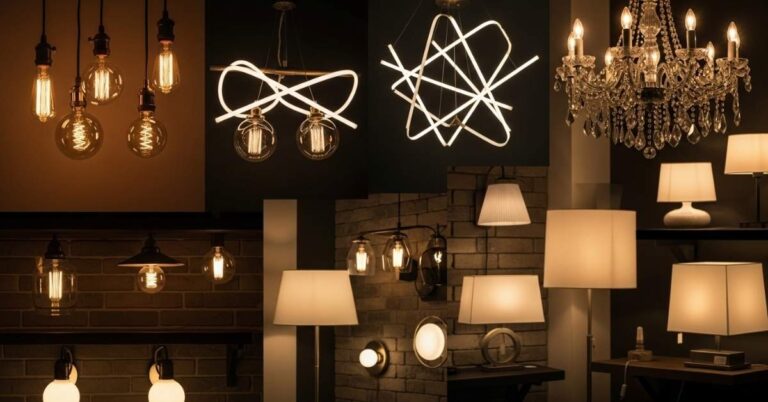
16+ Home Decor Ideas That Actually Work in Real Rooms
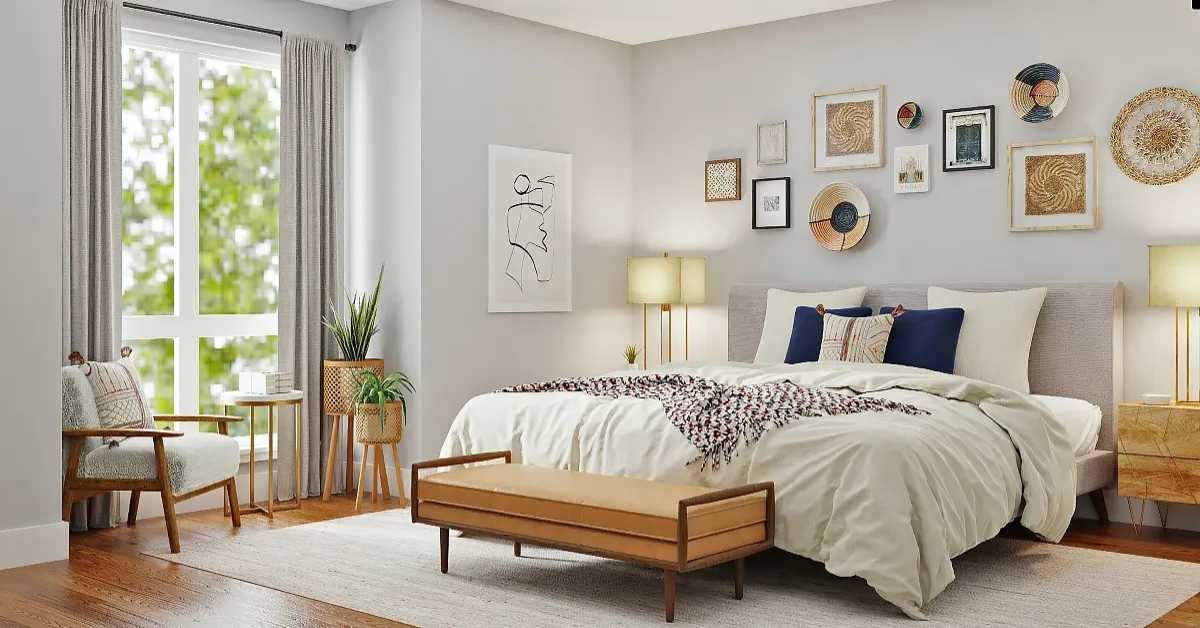
Your space doesn’t need a full renovation to feel noticeably better. Most rooms that feel off aren’t missing expensive furniture, they’re missing proportion, light, or a layout that actually makes sense for how you live. Whether you’re in a rental apartment, a small house, or a room that’s just never felt quite right, Home Decor Ideas the right setup changes everything.
If your space needs to work harder as a living area, a home office, a place to unwind these ideas are built around that reality. Not just aesthetic, but functional, scalable, and doable without starting over.
Anchor the Room with a Correctly Scaled Rug
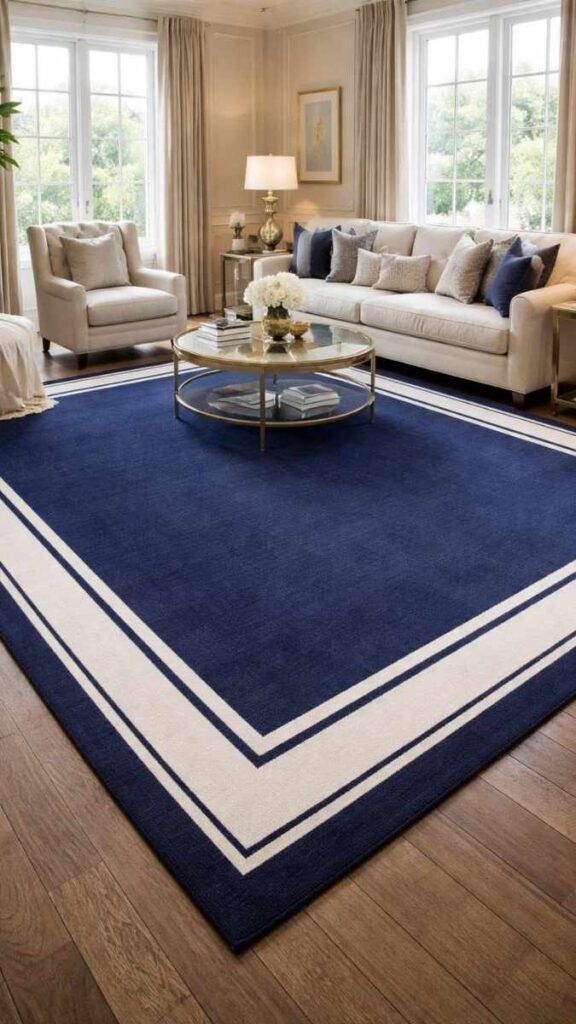
A rug that’s too small is one of the most common reasons a living room feels disconnected. When furniture floats above an undersized rug, the seating area reads as random rather than intentional.
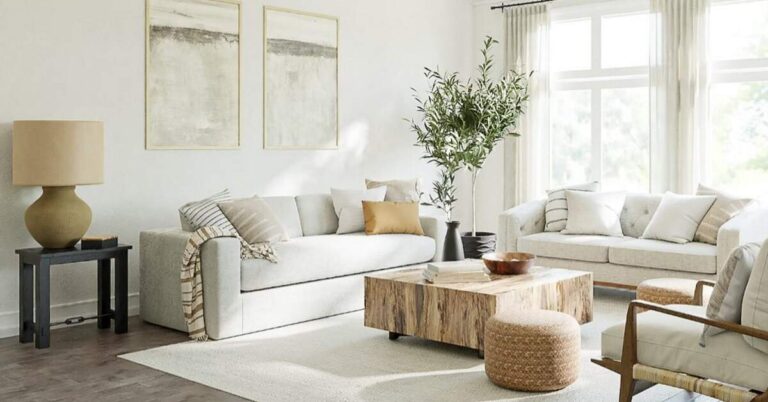
The fix: go bigger than feels comfortable when shopping. In most living rooms, all front legs of the sofa and chairs should sit on the rug that single adjustment pulls the entire zone together visually. This works especially well in open-plan spaces where you need to define areas without walls. A jute, wool, or low-pile flatweave in a neutral or warm tone keeps things grounded without competing with other elements in the room.
Use a Tall Bookshelf to Add Vertical Weight
Rooms with standard eight-foot ceilings often feel squat and adding low furniture makes it worse. A tall bookshelf (think 72 inches or above) draws the eye upward and creates the illusion of height without any structural changes. Style it with a mix of books, small objects, and one or two trailing plants to break the rigidity.
This is one I’d actually recommend trying first because the impact is immediate and the shelf itself adds functional storage. It works particularly well in living rooms and home offices where wall space is underused. Keep the lower two shelves slightly more sparse to maintain breathing room at eye level.
Layer Lighting Instead of Relying on One Overhead Fixture
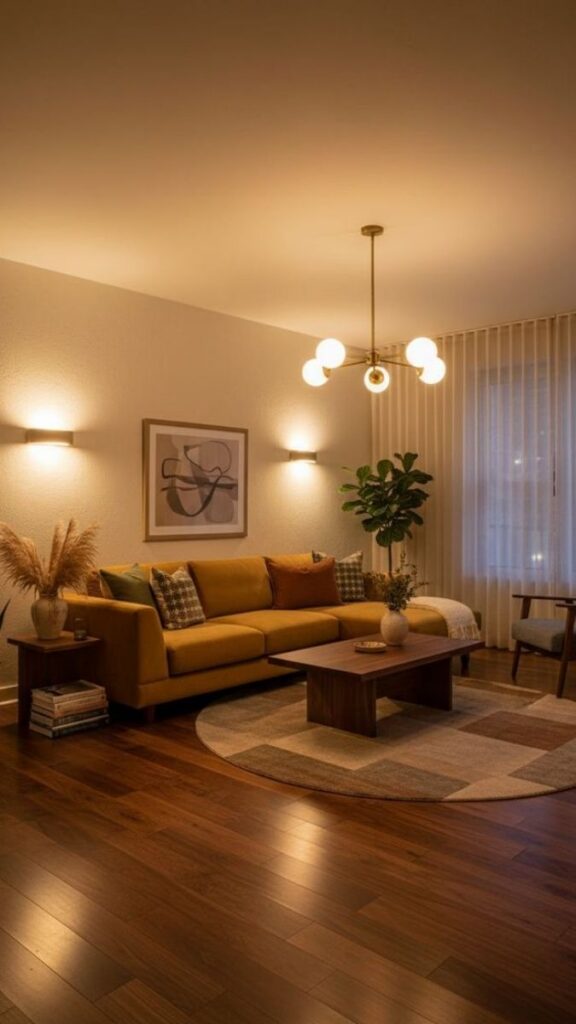
A single ceiling light flattens a room. Layered lighting, a combination of floor lamps, table lamps, and task lighting at different heights creates depth and warmth that overhead fixtures simply can’t achieve alone.
The key is using warm-toned bulbs (2700K–3000K) consistently across sources so the light feels cohesive rather than mismatched. This setup works especially well in bedrooms and living rooms where mood matters as much as function. If you’re renting and can’t hardwire anything, three well-placed plug-in lamps will do more for the atmosphere than any overhead fixture ever could.
Float Furniture Away from the Walls
Pushing every piece of furniture against the wall is a reflex in small rooms but it usually makes the space feel more awkward, not less. Pulling the sofa even 4–6 inches away from the wall creates a sense of intentional arrangement rather than furniture that’s just been pushed aside.
It also opens up better conversation zones and improves movement flow through the room. In a small living room, this works best when paired with a smaller coffee table that keeps the center clear. The result is a room that feels curated rather than crammed.
Add a Console Table Behind the Sofa
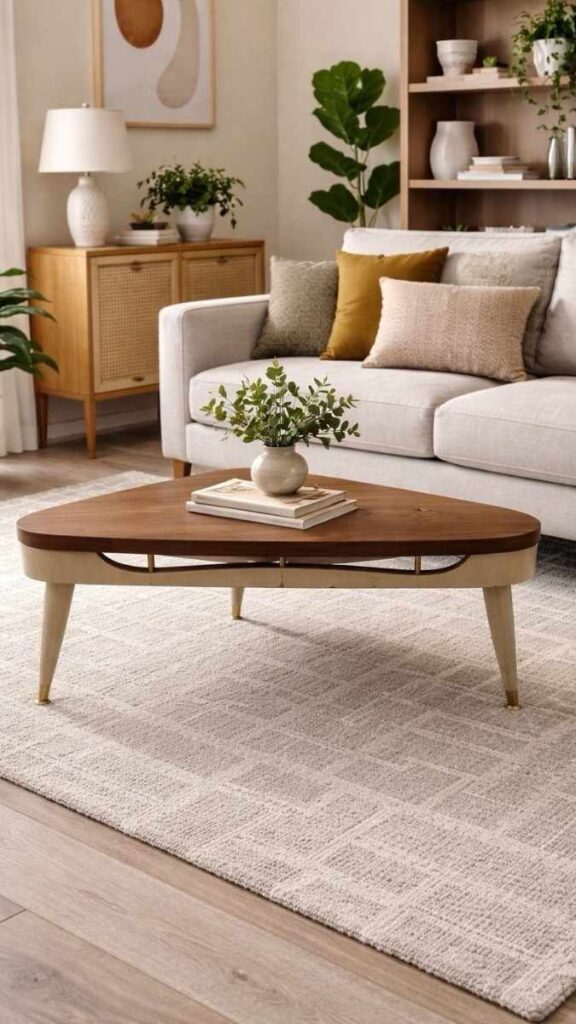
If you’ve floated your sofa away from the wall, a slim console table behind it solves two problems at once. It defines the back of the seating area essentially acting as a soft room divider in open-plan layouts and gives you a surface for a lamp, books, or a plant without adding bulk.
Look for consoles that are no deeper than 12–14 inches so they don’t interrupt foot traffic. This is particularly useful in studio apartments or open living-dining combos where zones need to be implied rather than built.
Read More About: 15+ DIY Aesthetic Decor Ideas That Actually Look Good in Real Homes
Use Curtains Hung High and Wide to Elongate Windows
Curtains hung at window height cut the wall in half visually. Hung just below the ceiling and extending 8–12 inches beyond the window frame on each side, the same curtain panel makes the window look significantly larger and the ceiling feel taller.
His works in any room, but especially in bedrooms and living rooms where window scale matters to the overall feel. Use a lightweight linen or cotton fabric in white, ivory, or a soft warm neutral to keep things airy. Blackout lining can be added without changing the look if light control is a priority.
Introduce One Statement Mirror to Expand Tight Spaces
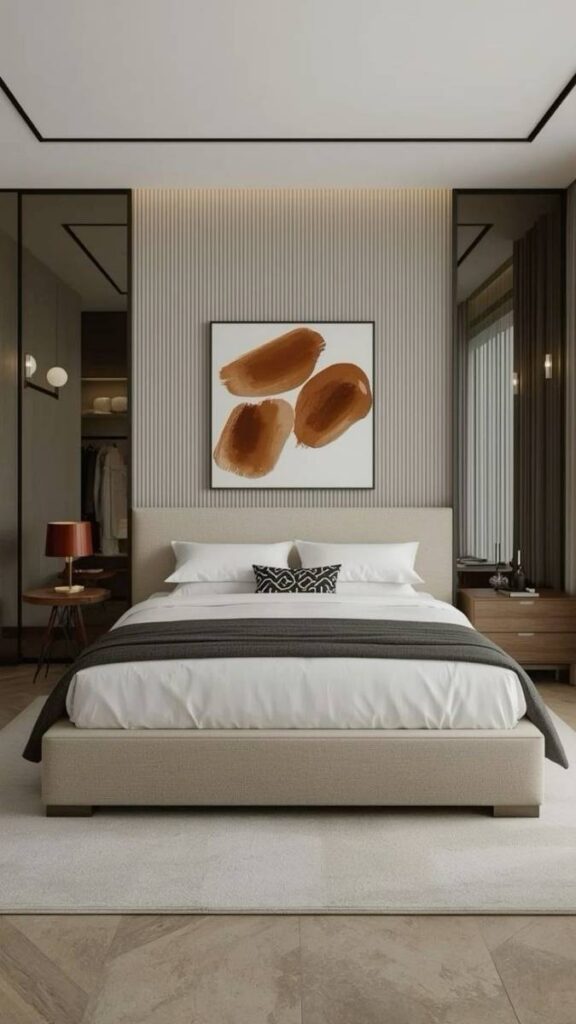
A well-placed mirror doesn’t just reflect light it creates a perceived depth that makes a room feel like it continues beyond the wall. In a small entryway or compact living room, a large leaning mirror (especially arch or rounded shapes, which are trending into 2026) reads as decor while doing serious spatial work.
Position it across from a window so it reflects natural light into the darker parts of the room. Avoid placing it where it reflects a wall of clutter that the mirror shows matters just as much as where it sits.
Build a Functional Entryway in Any Space
Most homes lack a proper entryway and that missing transition zone makes the rest of the space feel chaotic. Even in apartments with no defined foyer, you can create one: a narrow bench, a few wall hooks, and a small tray for keys and mail establishes an arrival zone that contains daily clutter before it spreads.
A small rug defines the boundary further. This setup doesn’t require much square footage; even two feet of wall space near the door can do the job. The practical payoff is a home that immediately feels more organized from the moment you walk in.
Use Open Shelving in the Kitchen as Breathing Room
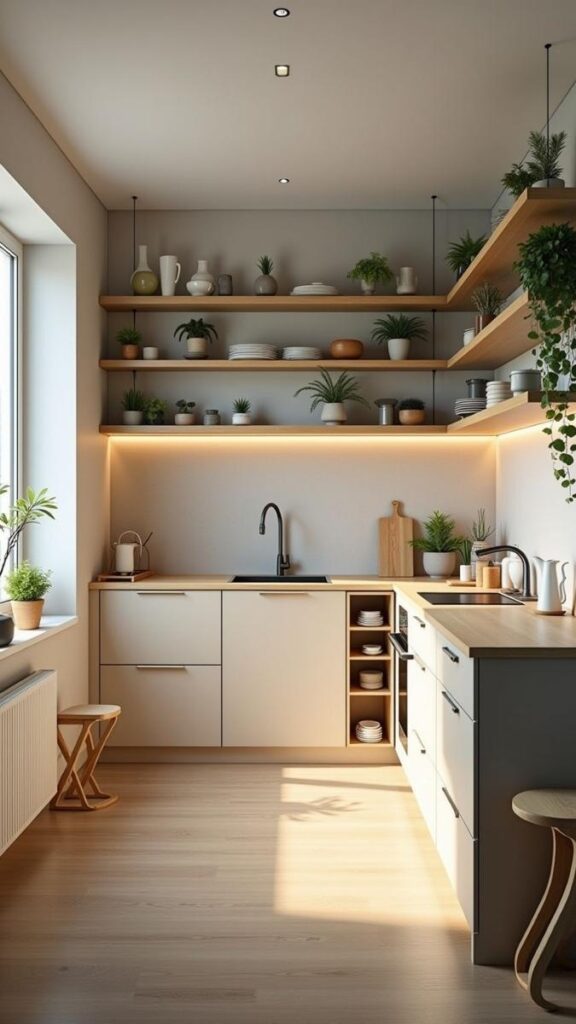
Upper cabinets that run wall to wall can make a kitchen feel dense. Replacing one or two sections with open shelving breaks that visual weight and introduces an airy quality that closed cabinetry can’t replicate.
The catch: open shelving only works when what’s on it is intentional. Stick to items you use daily dishes, glasses, a few mugs plus one or two plants or small objects for personality. In smaller kitchens especially, this edit can make the space feel dramatically more open without changing the layout at all.
Style the Coffee Table as a Composed Vignette
An empty coffee table makes a room feel unfinished. An overcrowded one makes it feel chaotic. The middle ground: a tray that groups a few objects, two or three books stacked, a small plant or candle, one sculptural piece into a composed vignette with negative space around it.
The tray does the organizational work, containing the objects so they read as deliberate rather than scattered. This takes about ten minutes and uses things most people already own, rearranged with a bit more intention.
Define a Reading Nook with a Single Chair and Floor Lamp
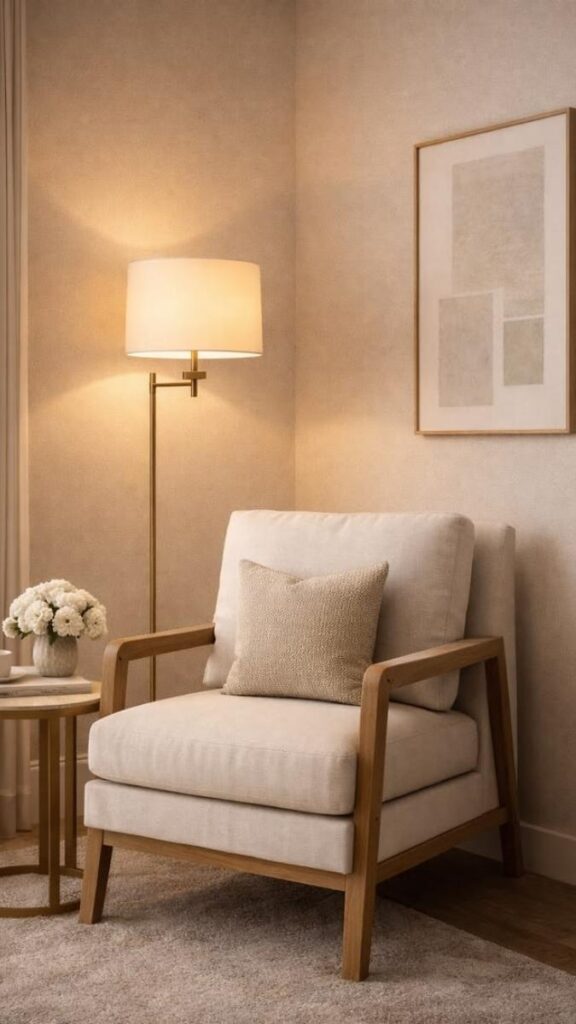
A dedicated reading corner does more than just give you a place to sit; it signals that the room has distinct zones, which makes the overall space feel larger and more thoughtfully designed.
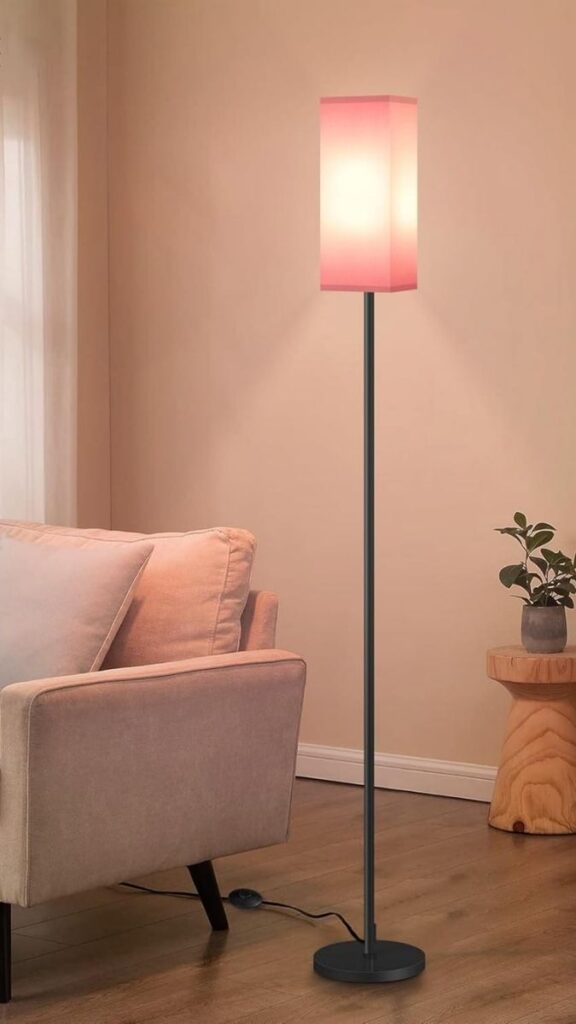
The formula is simple: one armchair with comfortable proportions, an arc or adjustable floor lamp positioned to light over the shoulder, and a small side table within reach. A small rug underneath defines the zone without requiring a wall or partition. This works well in bedrooms with unused corners or in living rooms where a second seating area would improve the layout.
Read More About: 88+ DIY Home Lighting Ideas That Actually Change How Your Space Feels
Paint an Accent Wall in a Deep, Specific Color
A single painted wall can reframe an entire room but only if the color is specific and intentional rather than a generic neutral. Deep tones like forest green, warm terracotta, or a dusty slate add depth and make the furniture in front of them appear more grounded.
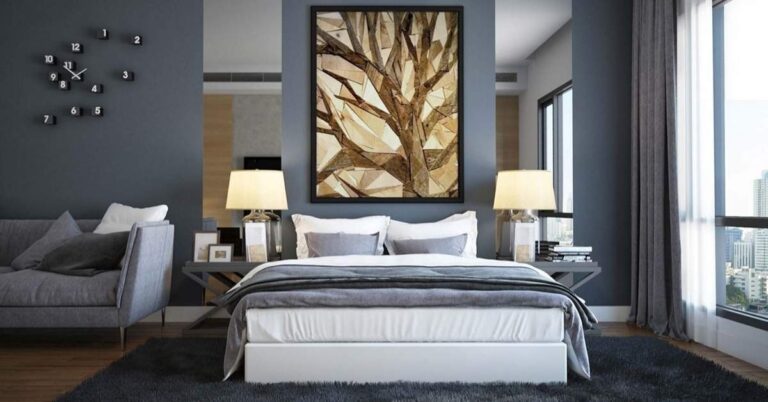
The wall behind the sofa or the bed headboard wall are the strongest candidates because they’re the natural focal points of those rooms. Honestly, the biggest mistake people make here is going too light; the impact only lands when the color has real depth. Two coats and a weekend are all it takes.
Use Multifunctional Furniture in Studio or Small Apartments
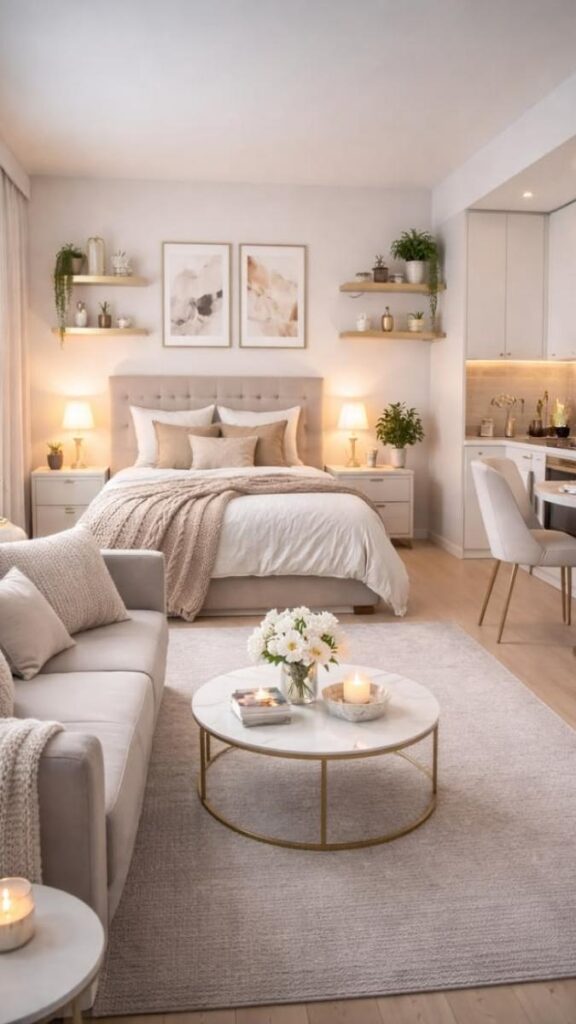
In a studio or one-bedroom apartment, every piece of furniture should do at least two things. A storage ottoman that doubles as a coffee table. A sofa bed that handles guests. A wall-mounted desk that folds away when not in use.
The goal isn’t just saving space, it’s reducing the number of pieces in a room so the layout stays clear and movement stays easy. This is especially useful in 2026, where compact urban apartments are being designed with flexibility built in rather than added later.
Layer Textiles to Add Warmth Without Clutter
Warmth in a room doesn’t come from more objects, it comes from texture contrast. A linen duvet paired with a chunky knit throw, smooth cotton pillowcases alongside a velvet accent pillow: the layering of different fabric textures creates visual richness that reads as cozy rather than busy.
In my experience, this works best when you keep the color palette tight two or three tones maximum and let the texture do the variation. This is a practical move in bedrooms and living rooms where you want comfort without the clutter of more decor.
Bring in Plants at Different Heights
Plants grouped at one height feel flat. Distributed across the room a tall tree-form plant on the floor, trailing plants on shelves, small ones on tables they create a vertical rhythm that makes a room feel more alive and layered.
This isn’t just aesthetic: plants at different heights naturally guide the eye around the room, making the space feel larger and more considered. If natural light is limited, focus on low-maintenance varieties like pothos, snake plants, or ZZ plants, which handle indirect light well and require minimal upkeep.
Add Under-Bed Storage to Reclaim Bedroom Square Footage
The space under the bed is one of the most underused in most homes. With low-profile storage bins or woven baskets, it becomes a functional space for out-of-season clothing, extra linens, or bulky items that would otherwise clutter the closet.
Beds with legs (rather than solid platform bases flush to the floor) make this easier while also keeping the room feeling lighter. In a small bedroom especially, this approach can eliminate the need for an extra dresser which frees up floor space and simplifies the overall layout significantly.
Create a Gallery Wall with Consistent Framing
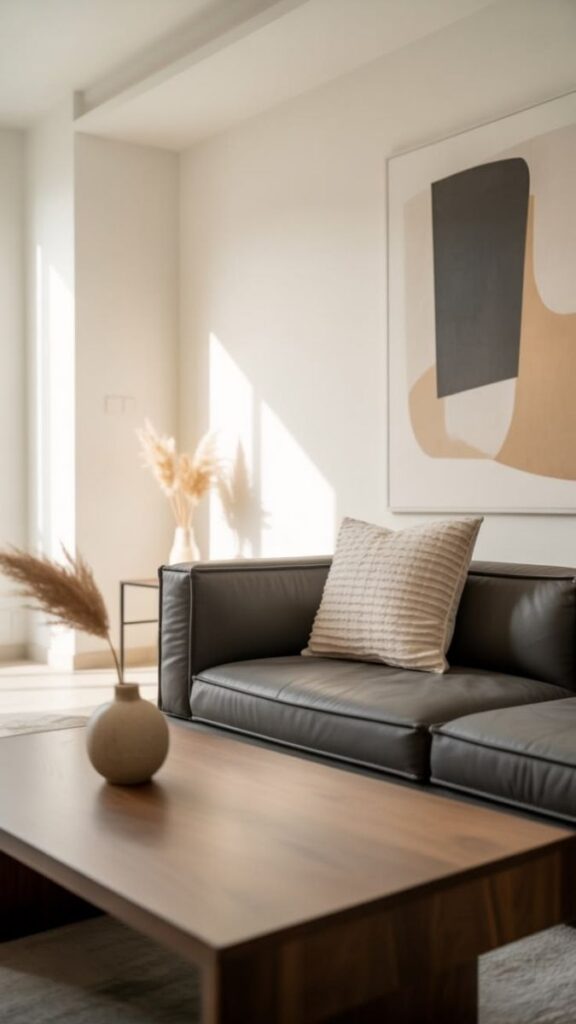
A gallery wall that looks curated rather than collected usually comes down to one decision: consistent frames. When frames share the same finish all black, all natural wood, all white the arrangement reads as intentional even when the prints inside are entirely different.
Mix sizes rather than matching them: a large anchor piece in the center or corner, surrounded by smaller frames in a loose grid. Lay the arrangement on the floor before committing to the wall. This gives you a real preview of spacing and balance before any nails go in.
Use a Room Divider to Separate Work and Living Zones
Working from home in an open-plan space without physical separation between the desk and the sofa is a recipe for constant distraction. A room divider whether rattan, open-slatted wood, or even a bookshelf used sideways creates enough visual and psychological separation to make both zones feel distinct.
This doesn’t require a full wall or construction. A freestanding divider that’s 5–6 feet tall does the job while keeping the space feeling open overall. The psychological impact of a defined workspace is worth the floor space it takes up.
Swap Overhead Lighting for Wall Sconces in the Bedroom
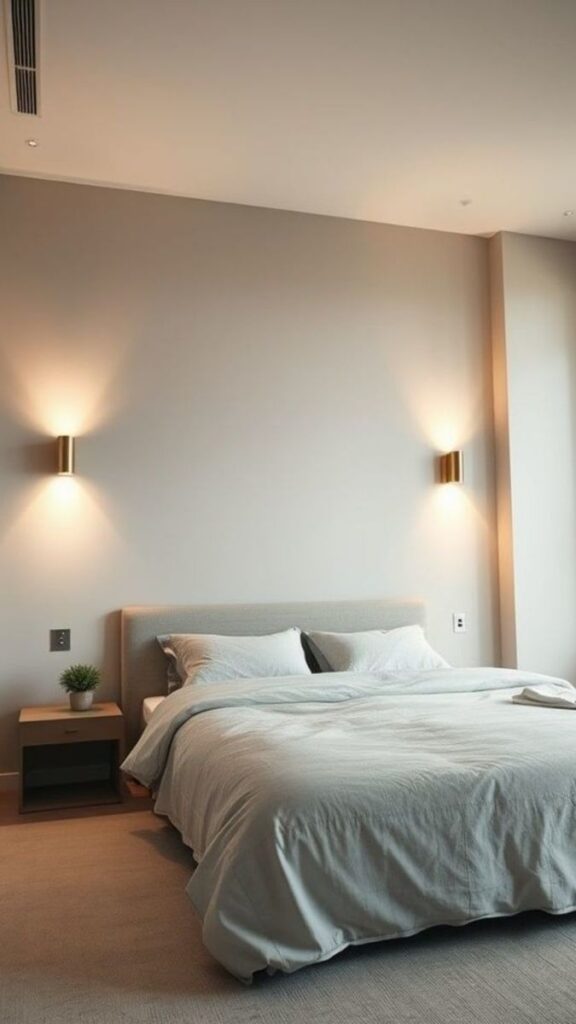
Wall sconces free up nightstand surfaces and deliver light at exactly the right height for reading slightly above and to the side of the head, rather than directly overhead, which casts unflattering shadows. Plug-in sconces are available now at a wide range of price points and require no hardwiring, making this change renter-friendly and reversible.
This setup works especially well in smaller bedrooms where table lamps compete for surface space on narrow nightstands. It’s a small change with a significant impact on both function and the overall feel of the room at night.
Read More About: 87+ Apartment Decor Ideas That Make Small Spaces Feel Bigger
Use a Bench at the Foot of the Bed
A bench at the foot of the bed serves several practical purposes: it’s a place to sit when putting on shoes, a surface for laying out clothing, and a visual anchor that completes the bed as the room’s focal point.
Without it, beds often look like they’re floating in the room with nothing to ground the lower half of the space. In terms of proportion, the bench should be roughly two-thirds the width of the bed. A storage bench adds even more function without changing the visual footprint.
Style Open Kitchen Shelves by Zone, Not Just by Look
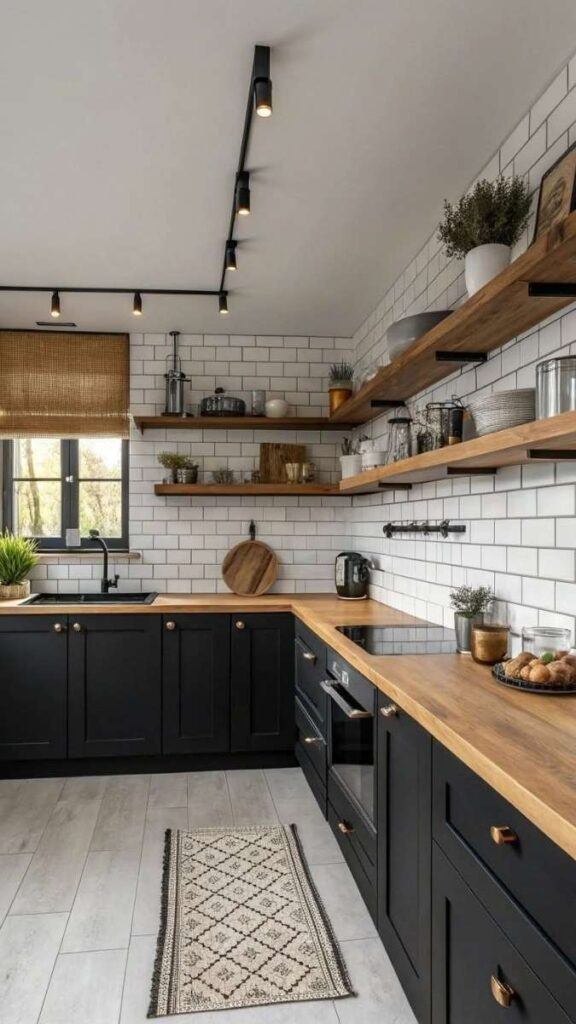
Open kitchen shelves that look styled but aren’t organized by function become annoying to use fast. The more sustainable approach: arrange by use zone first, then refine the visual. Glasses near the sink. Cooking oils and frequently used spices near the stove. Stack dishes vertically or in small groups rather than in precarious towers.
This way the shelves look considered because they are items where they naturally belong, which also makes the kitchen easier to work in daily. Functionality and aesthetics shouldn’t be in conflict on a shelf you actually use.
Use a Pegboard for Flexible Wall Storage
Pegboards work because they’re infinitely adjustable. In a home office, a pegboard keeps cables, stationery, and accessories off the desk without taking up floor space. In a kitchen, it holds pots, utensils, and small shelves where cabinets don’t exist.
The visual upside is that everything is visible and accessible, which reduces the time spent rummaging through drawers. For renters, a freestanding pegboard frame avoids wall damage entirely. This is a setup that rewards being thoughtful about what goes on. It treats it like a curated display of tools, not a dumping ground.
Choose a Sofa Color That Grounds the Room
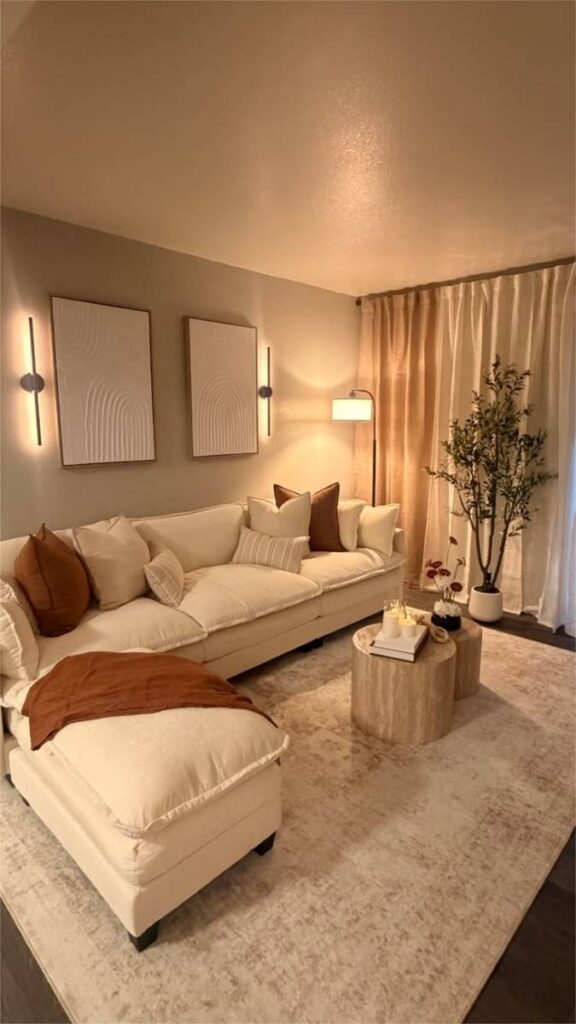
Sofa color tends to anchor the entire palette of a living room which makes it one of the most consequential decor decisions in the space. Warm neutrals like camel, warm greige, or terracotta work in a wide range of light conditions and age well with changing decor around them.
Deeper tones like navy, forest green, or charcoal make a room feel more sophisticated, but require careful attention to surrounding light levels to avoid feeling heavy. Avoid bright whites or very light beige in high-traffic homes they show wear quickly and require more upkeep than the aesthetic gain warrants.
Use Woven Baskets for Storage That Looks Intentional
Woven baskets are one of the few storage solutions that look better out in the open than hidden away. A large basket next to the sofa holds throws. One on the floor of the bathroom holds spare towels. One on a lower shelf corrals children’s toys or cables.
The texture adds warmth, the natural material fits almost any color palette, and the storage function is immediate. They’re also lightweight and easy to move which matters in smaller spaces where furniture arrangements shift seasonally.
Add a Runner Rug to Define a Hallway or Long Room
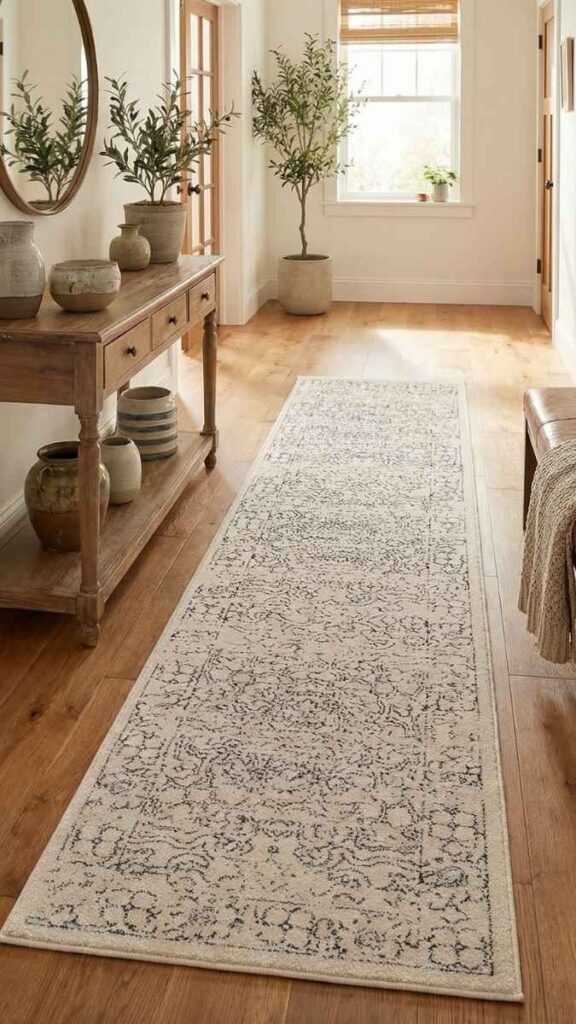
Hallways are often treated as non-rooms, just passage from one space to another. A runner rug changes that. It adds warmth underfoot, reduces sound (especially in apartments with hard floors), and creates a visual through-line that makes the hallway feel like part of the home’s design rather than an afterthought.
In long, narrow living rooms, a runner down the center can help define a movement path while still leaving seating areas on either side. Aim for a width that leaves at least 6 inches of floor visible on each side.
Create a Cohesive Color Palette Across the Room
Rooms that feel chaotic often don’t have a color problem, they have a cohesion problem. Too many competing tones across furniture, decor, and textiles create visual noise. The fix is straightforward: identify a three-color palette (one dominant, one secondary, one accent) and edit the room to stay within it.
This doesn’t mean everything needs to match, it means each piece should feel like it belongs to the same conversation. The simplest version: warm whites for walls, one neutral for large furniture, one or two accent colors repeated in smaller pieces across the room.
Use Architectural Molding or Peel and Stick Panels for Wall Interest
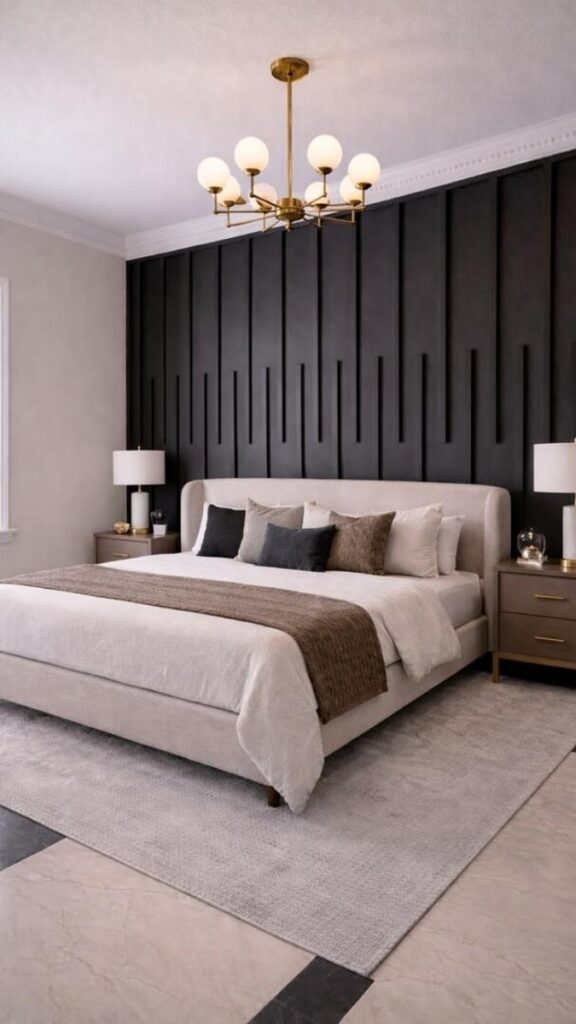
Flat walls with nothing happening architecturally can make a room feel plain regardless of how well the furniture is arranged. Board-and-batten molding (or peel-and-stick alternatives for renters) adds depth and texture to a wall without requiring major construction.
It works especially well behind the bed in a bedroom, in a dining area, or as an entryway feature wall. Paint it the same color as the wall for a tonal, textural effect, or in a contrasting shade for more drama. This is one of the decor trends gaining real traction in 2026 more people are investing in architectural interest rather than more furniture.
What Actually Makes These Home Decor Ideas Work
The ideas above aren’t random; they follow a few consistent principles that separate rooms that feel intentional from ones that just feel decorated.
Proportion matters more than price.
A correctly scaled rug does more than an expensive one that’s too small. A sofa that fits the room does more than a designer piece that overwhelms it. Getting proportions right is free, it just requires measuring before buying.
Layers beat single statements.
One great lamp doesn’t light a room well. One plant in a corner doesn’t make a room feel alive. The rooms that feel richest are usually built through accumulation textures layered, lighting distributed, objects grouped rather than scattered.
Zones create perceived space.
Even in a small room, defining distinct areas (a reading corner, a work zone, a dining spot) makes the space feel larger and more useful. Furniture arrangement does this better than additional decor ever could.
Neutral doesn’t mean boring.
The most versatile home decor palettes are built on warm, specific neutrals not stark white or flat grey. Warm white walls, a camel sofa, terracotta and green accents: this combination works in almost any light condition and evolves easily as preferences shift.
Home Decor Ideas by Space and Goal
| Idea | Best For | Space Type | Problem It Solves | Difficulty |
| Large rug, correct scale | Living rooms, open plans | Any size | Disconnected furniture layout | Low |
| Tall bookshelf | Living rooms, offices | Small-medium | Low ceilings, lack of storage | Low |
| Layered lighting | Bedrooms, living rooms | Any | Flat, harsh atmosphere | Low |
| Floated sofa + console | Open plans, studios | Medium-large | Dead zone behind sofa | Low |
| High-hung curtains | Any room with windows | Small-medium | Windows feel small, ceilings low | Low |
| Leaning mirror | Entryways, living rooms | Small | Poor light, tight space | Low |
| Multifunctional furniture | Studios, small apartments | Very small | Clutter, lack of surfaces | Medium |
| Board-and-batten wall | Bedrooms, dining rooms | Any | Flat, blank walls | Medium |
| Room divider | Open-plan apartments | Medium-large | No separation between zones | Low |
| Wall sconces (plug-in) | Bedrooms | Small-medium | Crowded nightstand, bad lighting | Low |
Common Home Decor Mistakes That Make Rooms Feel Smaller or Cluttered
Even with great individual pieces, a few persistent layout errors keep rooms from coming together.
Furniture pushed wall-to-wall.
This feels like it saves space but actually makes rooms harder to move through and harder to define. Pulling furniture slightly inward creates real, usable zones and improves visual flow.
Too many small decor pieces.
A collection of small objects spread across every surface reads as clutter, even if each piece is intentional on its own. Grouping objects in threes or fives on a tray or shelf gives them more visual weight and makes the surfaces around them feel intentional.
Mismatched lighting temperatures.
Combining cool-white and warm-white bulbs in the same room creates an inconsistency that feels off without being immediately identifiable. Standardizing to warm-toned bulbs (2700K–3000K) throughout creates cohesion that improves the room’s feel at night dramatically.
Ignoring vertical space.
Most rooms underuse the upper third of the wall. Tall shelving, high-hung curtains, and tall plants all draw the eye upward and make ceilings feel taller without structural changes.
Rugs that are too small.
Already mentioned, but worth repeating: this is the single most common proportion mistake in living rooms. When in doubt, go up one size.
FAQ’s
What are the most impactful home decor changes for a small room?
The three highest-impact changes in a small room are: scaling up the rug, adding layered lighting instead of relying on one overhead fixture, and floating furniture away from the walls. These address the most common layout and atmosphere issues without requiring new furniture or structural changes.
How do I make my living room feel more cohesive?
Start with a defined three-color palette: one dominant tone, one secondary, one accent and edit the existing room to stay within it. Cohesion usually comes from reducing competing colors and textures, not from adding more.
Is it worth painting an accent wall in a small room?
Yes, if the color is intentional and deep enough to create contrast. A washed-out color won’t read well. Go for a tone with real depth forest green, warm terracotta, dusty slate and limit it to the room’s focal wall (behind the sofa or bed).
What’s the easiest home decor upgrade that costs the least?
Rearranging furniture, specifically pulling pieces away from walls and defining zones, costs nothing and has a significant impact on how a room feels. After that, adding a warm-toned floor or table lamp addresses atmosphere at a relatively low cost.
How do I style a coffee table without it looking cluttered?
Use a tray to contain the objects, then limit the tray to three items: one taller element (a plant or candle), one medium (a small stack of books), and one smaller textural piece (a small sculptural object). Leave negative space around the tray on the table surface.
Can I make a rental apartment look more designed without making permanent changes?
Yes high-impact, renter-friendly options include: peel-and-stick wall panels, plug-in wall sconces, large rugs to cover existing flooring, freestanding room dividers, and removable wallpaper on one accent wall. None of these require permanent installation.
What’s the best way to add warmth to a room that feels cold or sterile?
Layer textiles first a throw, different pillow textures, a rug underfoot. Then shift lighting to warm-toned bulbs. Add one or two plants for organic texture. These three adjustments address the most common causes of a room feeling cold without requiring new furniture.
Conclusion
Better-looking rooms aren’t always the result of more furniture, more decor, more spending. In most cases, they come from getting a few foundational decisions right: scale, lighting, color cohesion, and layouts that make sense for how you actually use the space. Small adjustments in these areas make a real, noticeable difference in how a room looks and how it feels to be in it.
Start with one or two ideas from this list that match your space type and budget. Adjust the lighting first if the room feels flat. Rearrange the furniture if the layout has always felt slightly off. The key is building incrementally, not trying to overhaul everything at once because that’s how rooms develop a coherent character rather than a renovated-all-at-once feel.