86+ DIY Hidden Storage Ideas That Keep Your Home Clean, Calm,
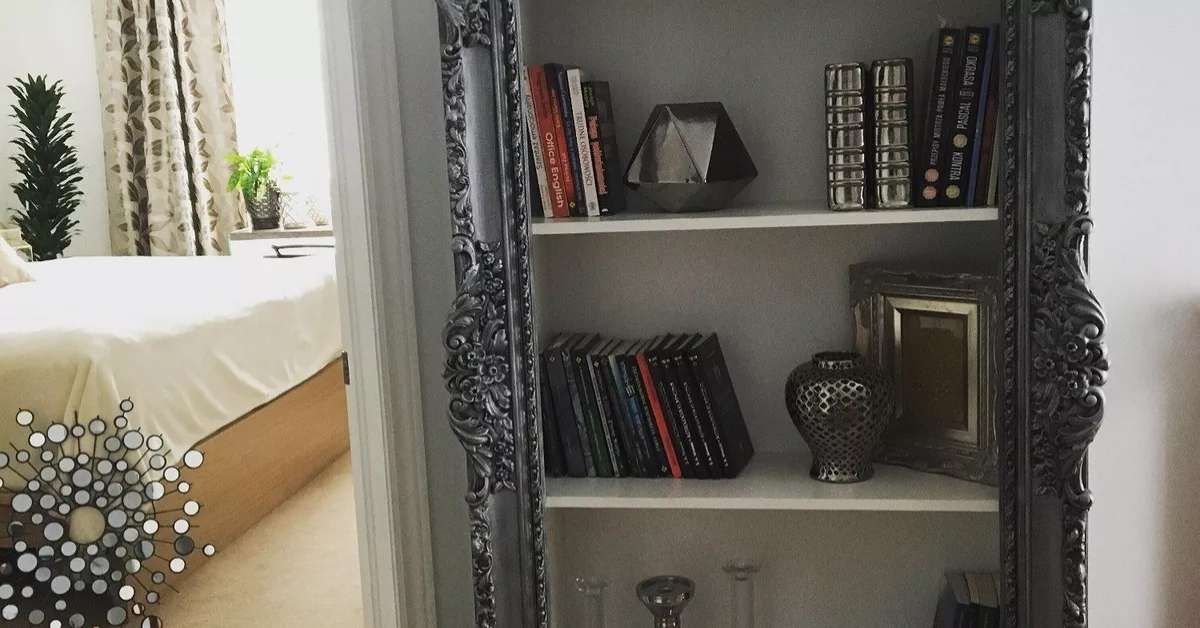
Clutter has a way of creeping especially in smaller homes where every surface seems to attract stuff. You organize, you declutter, and somehow a week later it looks the same. The problem usually isn’t the amount of things you own. It’s that most homes just don’t have enough smart storage built into them.
Hidden storage changes that equation entirely. Instead of adding more shelves or bins that make a room feel busier, you build storage into what’s already there under beds, inside ottomans, behind mirrors, beneath staircases. The room looks cleaner, not because you have less, but because there’s a place for everything that doesn’t compete with your decor.
If you’re working with a small apartment, a rented space, or just a home that needs better organization without a full renovation, these DIY hidden storage ideas are practical, buildable, and designed to actually work in real rooms.
Hollow Ottoman With a Lift Top Lid
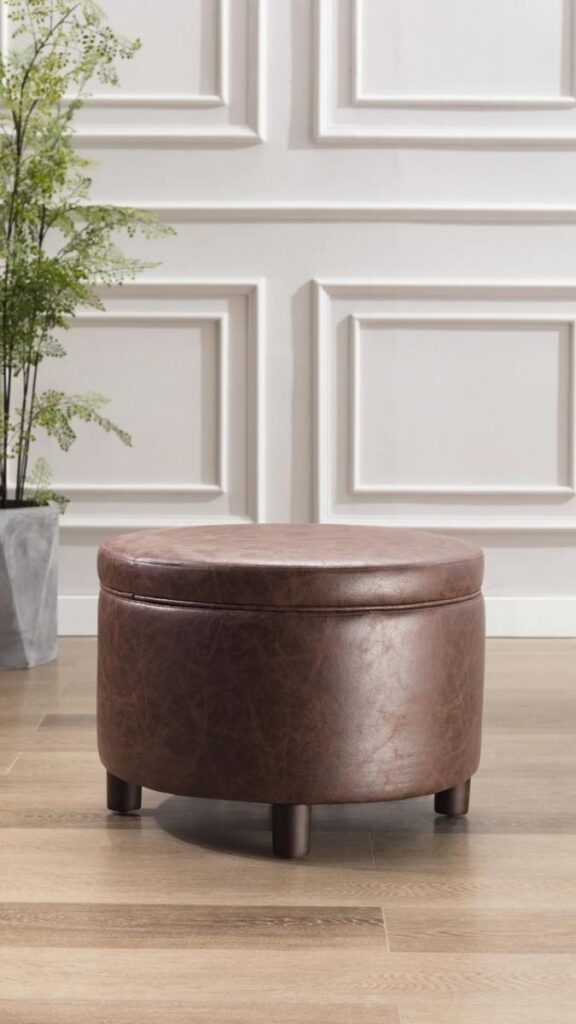
An ottoman that opens up is one of the most efficient pieces of furniture you can build or buy for a living room. DIY versions typically use a plywood box frame upholstered with foam and fabric, total material cost can be under $60. Inside, it holds throw blankets, board games, charger cables, or anything that usually piles up on your coffee table.
The flat top doubles as a surface with a tray, and because it looks like a standard ottoman, the storage is completely invisible. This works especially well in small living rooms where a traditional storage cabinet would feel heavy and intrusive.
Under Bed Platform With Pull Out Drawers
Beds with built-in drawers are a staple in space-constrained bedrooms, and building your own platform base is more achievable than it sounds. A basic frame built from 2x4s and plywood, raised about 10–12 inches off the floor, creates enough clearance for two to four shallow drawers. Those drawers can hold seasonal clothing, shoes, or extra bedding items that usually end up in closets you don’t have space for.
The visual effect is clean: a low, grounded bed that looks intentional and modern. This is one I’d actually recommend trying first if you’re short on closet space, because the storage yield is surprisingly high.
Staircase Step Drawers
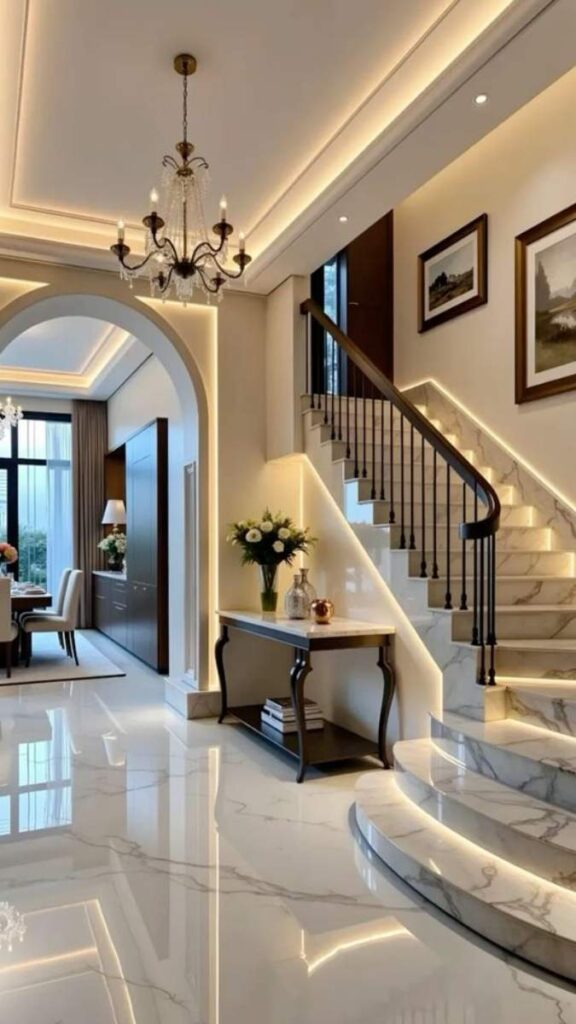
The space inside a standard staircase is almost always wasted. Each hollow step can be converted into a pull-out drawer deep enough to hold shoes, seasonal accessories, cleaning supplies, or kids’ toys.
This is a more involved DIY project, but it doesn’t require structural changes just cutting the face of each riser and fitting a drawer box behind it. In narrow entryways or hallways where a storage bench would block movement, stair drawers solve the problem without taking up any floor space at all.
Floating Shelves With Hidden Compartments Behind Panels
Standard floating shelves are open by design, which means everything on them is visible. Adding a hinged panel to one section flush with the shelf face creates a concealed storage compartment that blends into the wall. It’s useful for storing things you access occasionally: important documents, backup chargers, remotes, small tools.
The panel can be finished to match the shelf, so it reads as a solid section rather than a door. For renters who can’t do major modifications, this can also be built as a freestanding shelf unit with the same paneled compartment built in.
Bed Headboard With Built-In Storage Shelves
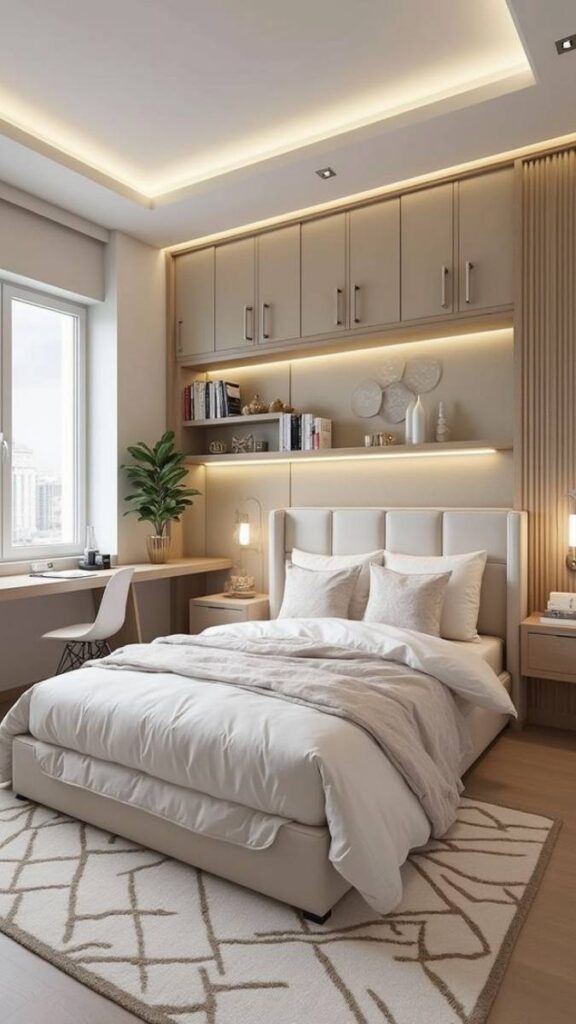
A headboard that’s thick enough to hold shelves, drawers, or cubbies behind it pulls double duty in a bedroom. The DIY version is essentially a shallow bookcase mounted to the wall at bed height, with the back facing the room and the storage facing the bed.
It keeps nightstand items, books, glasses, phone, water within reach without requiring actual nightstands on either side. This layout is particularly useful in narrow bedrooms where nightstands would cut into walking space on both sides of the bed.
Read More About:84+ DIY Room Decor Ideas for Teens That Actually Look Good and Work in Real Spaces
Window Seat With Lift-Up Storage Bench
A window seat that opens is one of the most satisfying DIY projects in terms of space return. The box structure built from plywood and finished with paint or wood stain fits neatly under a window where that floor space often goes unused.
A piano hinge lets the cushioned top lift up to reveal deep storage underneath, ideal for bulky items like extra pillows, seasonal throws, or children’s toys. It also creates a natural reading nook or extra seating when needed. In living rooms or bedrooms with awkward wall-to-window corners, this setup fills the space with both function and a cozy visual anchor.
Kitchen Toe Kick Drawers
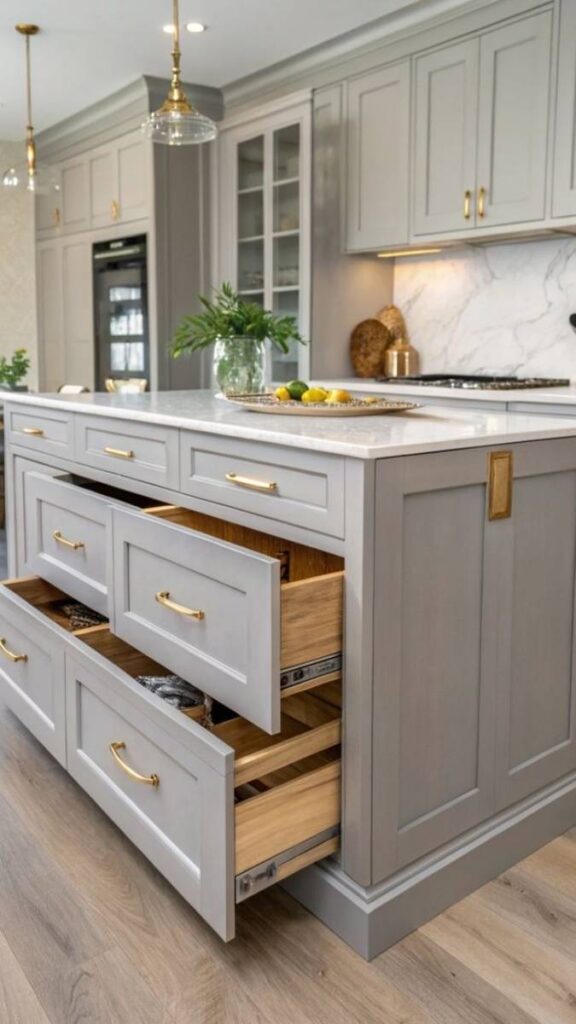
The recessed base at the bottom of kitchen cabinetsThe toe kick is typically a solid panel of wasted space. Converting it into shallow pull-out drawers gives you storage for flat items: baking sheets, cutting boards, placemats, or tablecloths.
The drawer face sits flush with the cabinet base when closed, making it completely invisible at standing height. You only notice it when you crouch down to open it. This works in any kitchen but is especially valuable in galley layouts or small kitchens where counter and cabinet space is already stretched.
Murphy Bed With Built-In Side Cabinets
A Murphy bed is the ultimate hidden storage setup in a studio or guest room: the bed folds flat against the wall when not in use, and the surrounding frame can include cabinets, shelves, or even a fold-down desk.
DIY murphy bed kits are available that handle the hardware, while you build the surrounding cabinet structure yourself. The result looks like a wall of built-ins when the bed is up. For apartments that need to function as both a living room and a bedroom, this is one of the few setups that genuinely does both without compromise.
Hollow Book or Faux Book Spine Storage
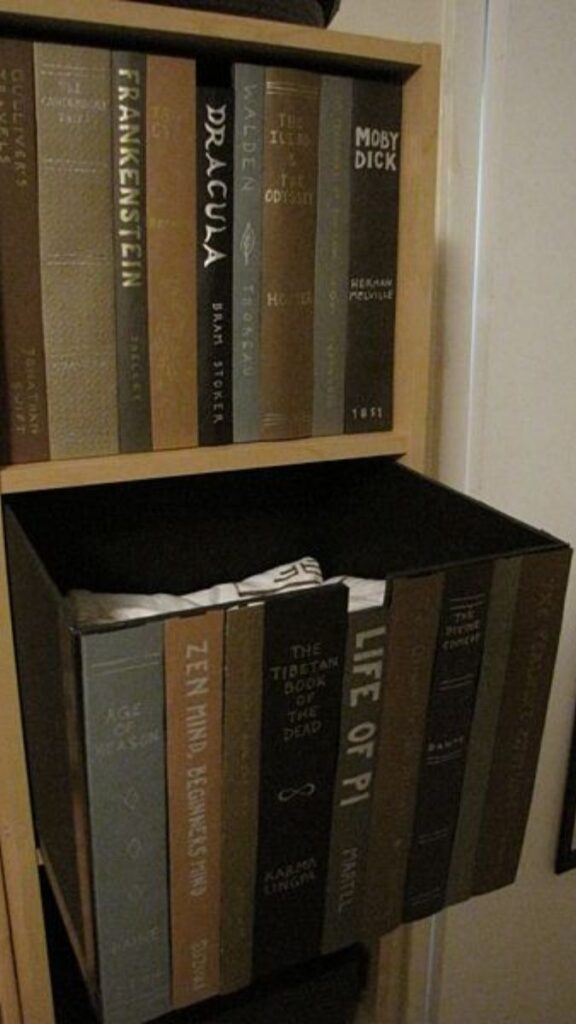
This one leans more decorative than structural, but it’s practical for small valuables or things you want discreetly accessible. A DIY version uses a wooden box sized to match standard books, with a spine-printed facade glued to the front.
When placed on a bookshelf, it blends in completely. Use it for chargers, small tools, a spare key holder, or anything you want kept out of sight but not locked away. Honestly, it also doubles as a conversation piece, guests rarely notice until they look closely.
Under-Stair Closet Converted Into Pull-Out Pantry
If you have a closed-off under-stair space that currently holds a vacuum and nothing else, converting it into a pull-out pantry can add significant functional storage. The setup uses narrow pull-out shelving units similar to kitchen pantry organizers that slide out on tracks.
Because the staircase creates a triangular ceiling profile, the tallest shelf unit goes at the open end of the space where clearance is highest. This is especially useful in homes without a dedicated pantry cabinet, and the pull-out design means nothing gets lost at the back.
Mirror With Hidden Storage Cabinet Behind It
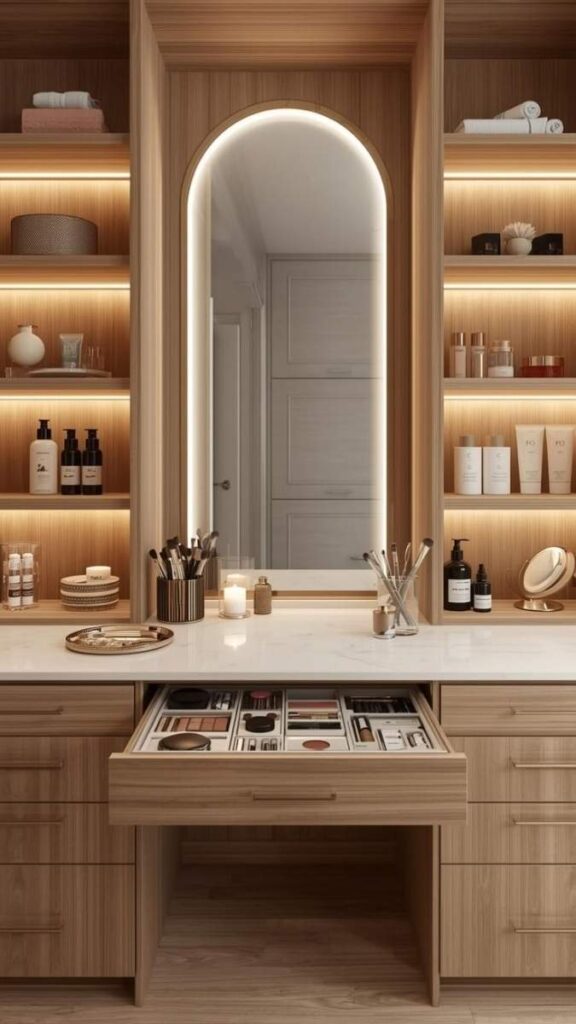
A full-length or oversized mirror is a natural choice for an entryway or bedroom wall and building a shallow cabinet behind it adds storage without changing the visual. The mirror mounts on hinges so it swings open like a door.
Behind it, the cabinet depth is typically 3–4 inches, enough for jewelry, sunglasses, small accessories, documents, or a key rack. The mirror does what a mirror does while hiding the cabinet completely. In rentals, this can be built as a freestanding unit or mounted with wall anchors that don’t require major wall work.
Read More About: 85+ DIY Home Decor Ideas That Actually Work in Real Rooms
Floating Bathroom Vanity With Pull-Out Bins
Floating vanities already create visual space by exposing the floor beneath them but adding pull-out bins inside makes them significantly more functional. DIY versions use a basic cabinet box mounted to wall studs, with narrow pull-out inserts that hold toiletries, cleaning supplies, or hair tools.
The floating mount keeps the floor visible, which makes a small bathroom feel less cramped. For bathrooms with limited counter space, having pull-out storage that keeps things organized and hidden is a straightforward improvement.
Sofa With Built In Drawer Base
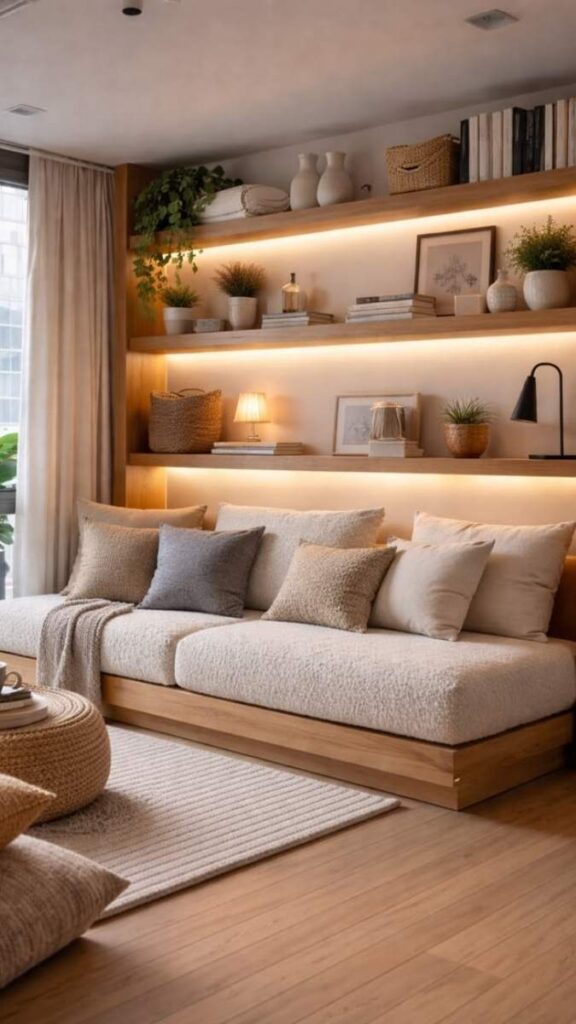
Some sofas come with under-seat storage, but if yours doesn’t, building a simple drawer base that the sofa sits on top of is a clean DIY option. The base is essentially a low platform with two or three wide, shallow drawers enough for throw blankets, magazines, remote controls, or kids’ toys.
When the sofa is in place, the drawer face is visible but reads as part of the base. This works well in living rooms that lack side storage like bookshelves or console tables, keeping the floor plan open while adding functional hidden storage underneath a piece of furniture that’s already there.
Pegboard Panel With Hinged Swing-Out Storage
A pegboard that swings out from the wall on piano hinges creates a dual-function storage wall: the front face holds frequently used tools, kitchen utensils, or office supplies on hooks, while the wall behind it has shelves for less-used items.
The pegboard looks like a normal organizational setup when closed. This is particularly effective in home offices or garages where two layers of storage visible and hidden solve the problem of running out of wall space without adding new furniture.
Dining Bench With Under Seat Storage
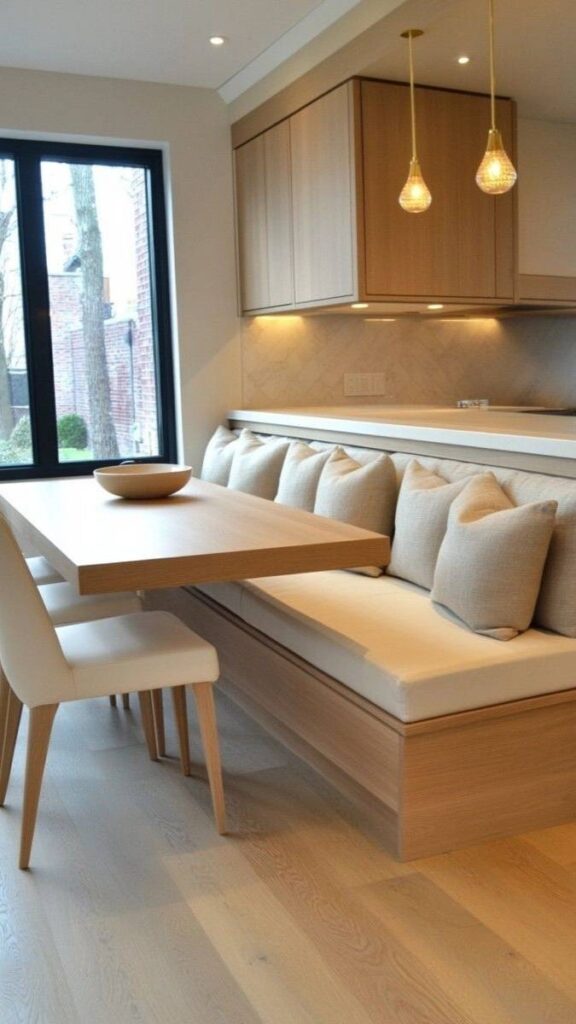
A dining bench with a lift-top seat is one of the most practical pieces you can DIY for a small dining area. Built from plywood with a cushioned lid on piano hinges, it can hold table linens, napkins, seasonal decor, or extra kitchen items that don’t fit elsewhere.
In homes without a dining room where the table is in a multi-purpose space this kind of hidden storage helps keep the area functional without visible clutter. The bench itself takes up space that a chair would, so the storage comes at no layout cost.
Wall-Mounted Fold-Down Desk With Closed Storage Panel
A fold-down desk that mounts to the wall like a cabinet keeps an entire home office invisible when not in use. When the desk folds up, the exterior looks like a flush wall panel or a cabinet door. Inside, shelves hold notebooks, a laptop, chargers, and small office supplies.
This is most practical in studio apartments or small bedrooms where a full desk setup would permanently occupy floor space. The fold-up design means the workspace only exists when it’s being used, which mentally separates work and rest in a small space.
Kitchen Island With Enclosed Bottom Storage
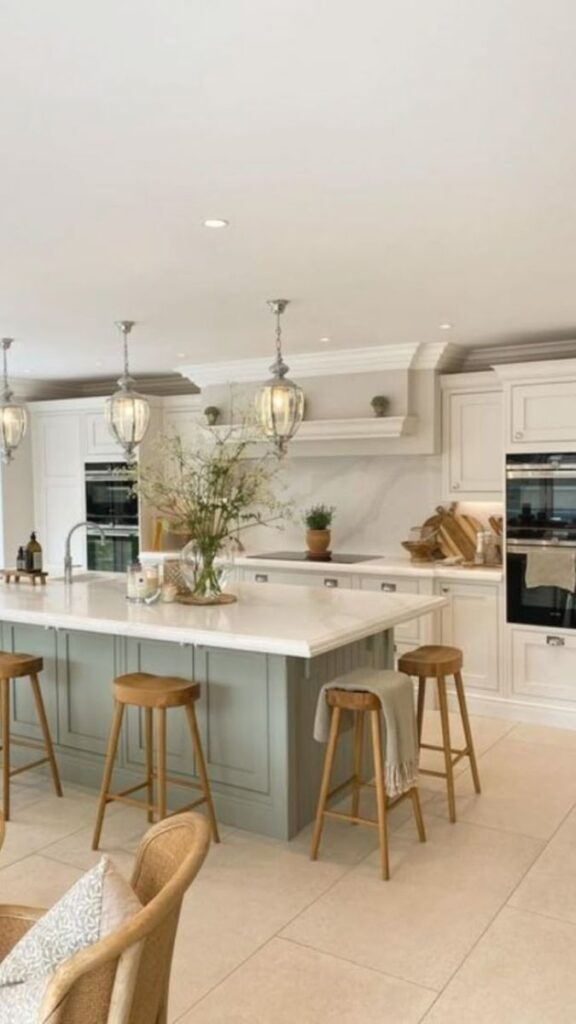
A freestanding kitchen island built with an enclosed lower shelf or cabinet offers hidden storage that a standard open-bottom island doesn’t. The base can hold small appliances, extra cookware, or pantry overflow. Because it’s freestanding and often on casters, it can move to wherever it’s most useful.
DIY versions work well in kitchens without an island where storage is needed, as well as in open-plan spaces where the island doubles as a room divider. The enclosed lower half keeps the kitchen looking organized even when it’s not.
Read More About: 83+ Kitchen Counter Organization Ideas That Actually Make Cooking Easier
Bookcase With Secret Door Access
A full-height bookcase that opens on hinges to reveal a room, closet, or storage area behind it is one of the more ambitious DIY hidden storage projects but also one of the most efficient in terms of what it hides. The bookcase itself functions normally, holding books or decor, while the hinged section gives access to whatever is behind the wall.
This works best where an existing door or closet entry is in an awkward or visible location. The bookcase keeps the wall looking continuous and styled, and the door is only detectable if you know it’s there.
Floating Nightstand With Hidden Drawer
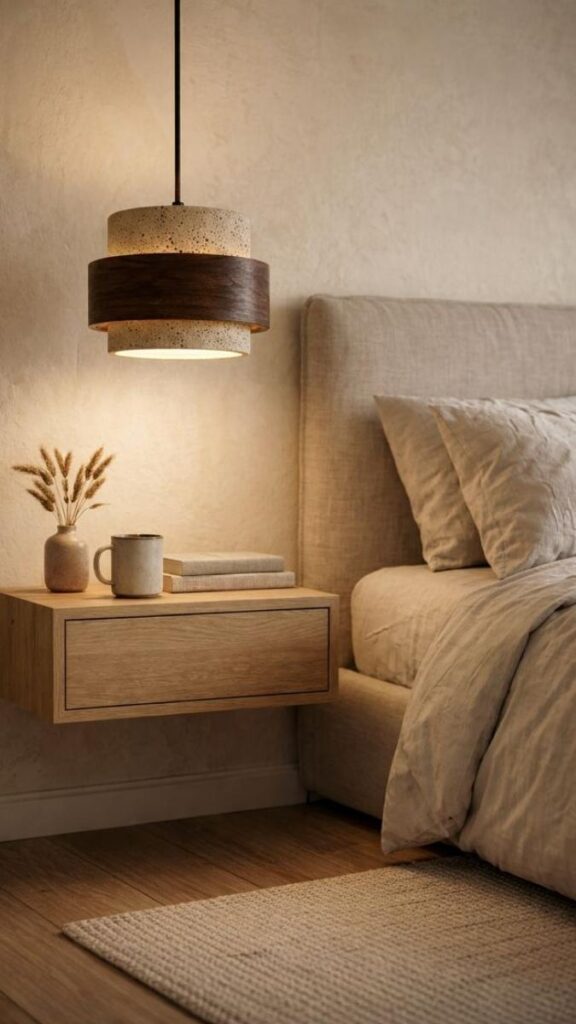
A wall-mounted nightstand built with a hidden drawer underneath the surface solves the problem of bedside clutter without adding visual bulk. The drawer opening faces the bed rather than the room, so it’s invisible from the doorway.
Inside, it holds the usual nightstand itemsphone, lip balm, reading glasses, small books without them sitting on the surface. In small bedrooms where the visual weight of furniture matters, a floating nightstand reads as minimal and light while still being functionally complete.
Entry Bench With Shoe Storage Cubbies
An entryway bench built with open or enclosed cubbies underneath gives shoes, bags, and outdoor accessories a home right at the door. The enclosed version where the cubby front has a hinged or push-open panel keeps the entryway looking tidy even when it’s not.
The bench seat on top provides a place to sit while putting shoes on, which solves a practical problem that a shelf alone doesn’t. In homes without a mudroom or coat closet near the entrance, this kind of furniture does everything: seating, shoe storage, and an organized transition point between outdoors and inside.
Bathroom Wall Niche With Hidden Cabinet Door
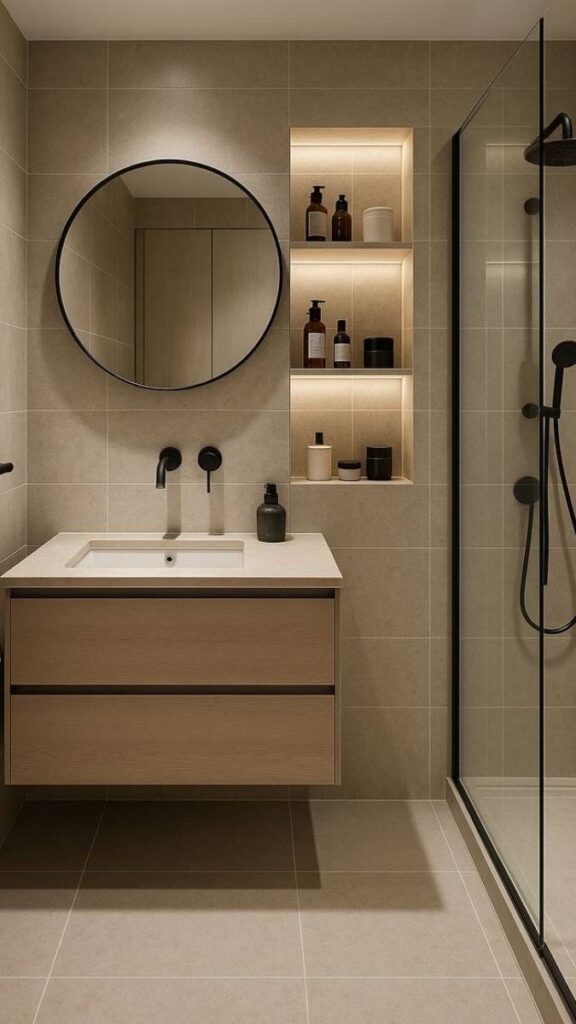
A recessed wall niche between studs gives you 3.5 inches of storage depth without removing any floor space. Building a small cabinet door flush with the wall tile or paint turns it into a hidden storage panel. For toiletries, medicines, or cleaning products, this keeps the bathroom counter clear and the storage completely out of sight.
In my experience, this works best in bathrooms where counter space is genuinely limited; having that recessed storage means the counter stays clear, which makes the whole room feel larger and calmer.
Under-Desk Cable and Supply Drawer
Desks that have no storage force everything onto the surfacecables, notebooks, stationery, small tools. Adding a shallow drawer mounted directly to the underside of the desk solves this with a simple DIY fix:
A wooden box with a face and a track system, attached with screws. The drawer is invisible when closed and keeps the desktop clear. For home offices that need to look clean during video calls or in multi-use rooms, an under-desk drawer removes visual clutter without requiring a new desk or a drawer pedestal beside it.
Laundry Room Wall Cabinet With Sliding Panel Exterior
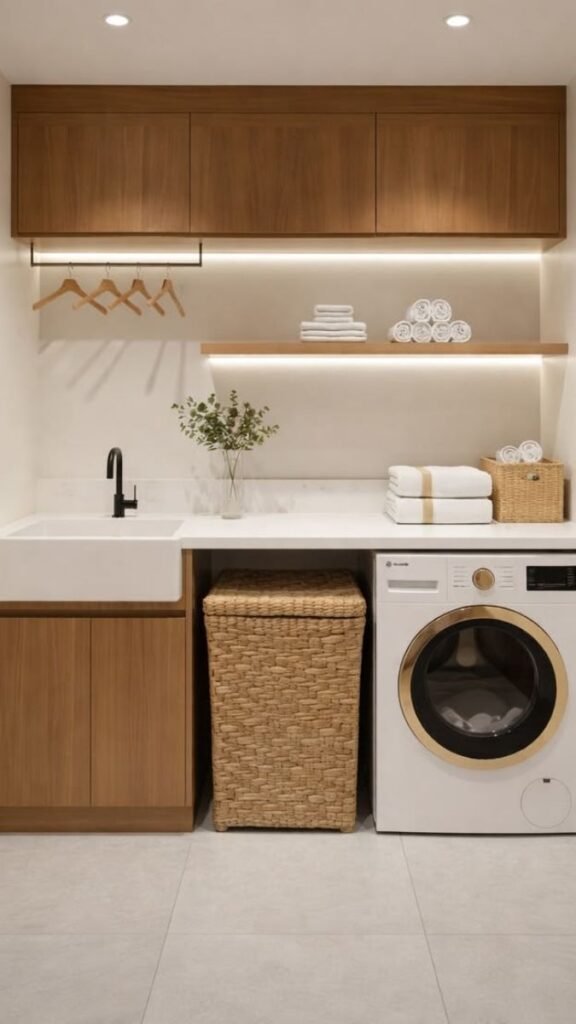
Laundry rooms tend to collect cleaning products, spare lightbulbs, and miscellaneous supplies with no natural home. A wall-mounted cabinet with a flat sliding panel rather than a hinged door that opens into a narrow space keeps everything enclosed without needing door clearance.
The panel can be painted the same color as the wall for a near-invisible look. This is practical in narrow laundry closets or stacked washer-dryer setups where a swinging door would be awkward, and it keeps the space looking intentionally clean rather than just managed.
Hollow Floating Shelf Box With Closed Front Panel
A floating shelf built as a hollow box rather than a simple plank gives you enclosed storage inside while still functioning as a display shelf on top. The front panel is flush and either hinged or magnetic push-to-open, hiding the interior from normal view.
This is useful for living rooms where you want display shelving but also need to store things like remotes, small notebooks, or charging cables without them sitting out. The result looks like a decorative shelf, not a storage unit.
Kids’ Room Storage Built Into Bed Frame Steps
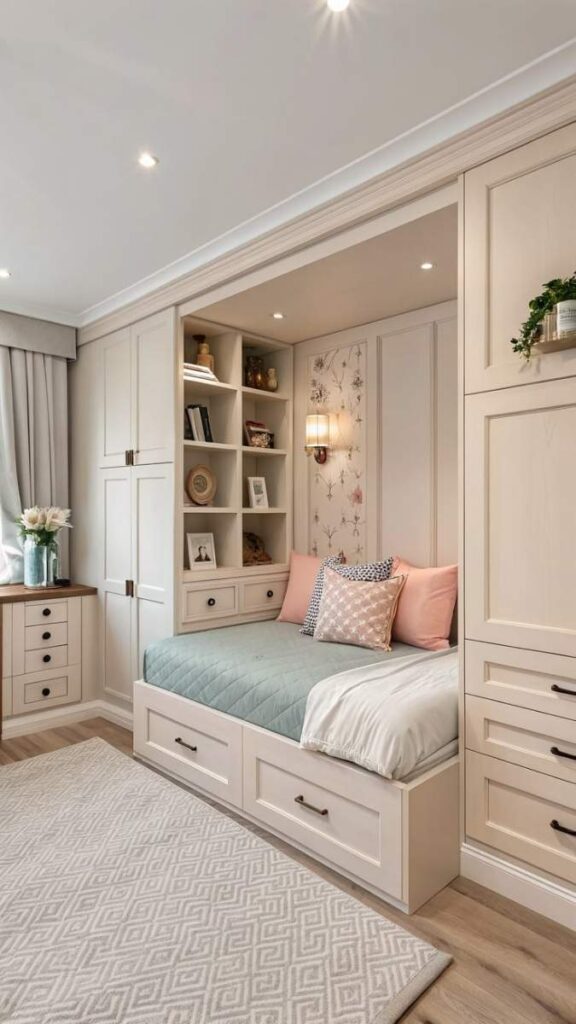
Loft beds in kids’ rooms almost always include a ladder, which takes up space and provides no additional function. Replacing the ladder with wide steps that contain pull-out drawers converts dead structure into usable storage.
Each step drawer can hold folded clothes, toys, art supplies, or books items that in most kids’ rooms end up on the floor or in bins. The step structure is solid enough to handle regular climbing while being deep enough for meaningful storage, and it makes the most of the vertical space a loft bed already creates.
Behind the Door Shelving Frame
The back of a doorespecially a hollow-core interior dooris structurally capable of holding a narrow shelving frame loaded with lightweight items. A DIY version mounts directly to the door face using screws into the door’s internal structure.
With shallow shelves that don’t extend past the door’s swing clearance. In bedrooms, it holds folded items, shoes, or accessories. In bathrooms, toiletries and small products. The shelf only becomes visible when the door opens, keeping the room looking uncluttered while using space that’s typically ignored entirely.
Closet Floor to Ceiling Hidden Panel Storage
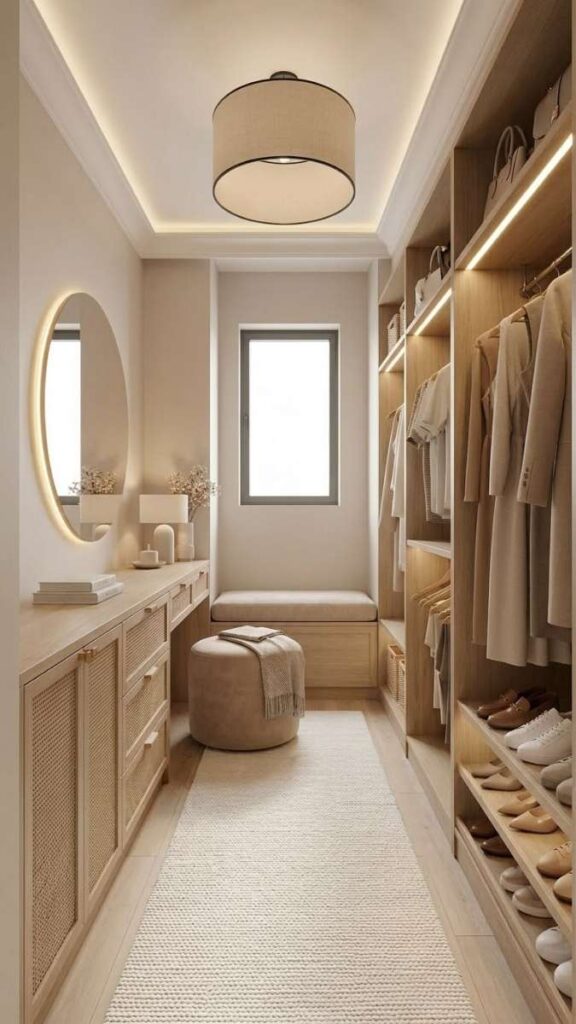
Inside a walk-in or reach-in closet, one side wall can be fitted with a full-height panel that swings open to reveal deep shelving behind it. The panel looks like a finished wall section when closedsame paint or material as the surrounding walls and gives access to a secondary storage area for seasonal items.
Valuables, or anything that needs to be fully out of sight. This is especially useful when a closet needs to hold more than daily-use clothing, and you’d rather not add bulky bins or boxes to the floor. The panel-as-door approach uses the wall depth already there.
What Actually Makes These DIY Hidden Storage Ideas Work
The difference between hidden storage that looks great and hidden storage that just exists comes down to a few practical principles most people skip when planning.
Match depth to function.
A 3-inch recessed cabinet works for toiletries but not for bulky items. Before building anything, measure the actual items going inside then design the cavity around them, not the other way around. Storage that’s too shallow ends up unused.
Flush is everything.
Hidden storage reads as “hidden” only when the panel, door, or face sits flush with the surrounding surface. If a drawer face protrudes by even half an inch, the storage becomes visible. Take the time to fit panels precisely this is where most DIY projects either succeed or look unfinished.
Access frequency matters.
Items you reach for daily need easy access: push-to-open mechanisms or handles that don’t require bending down. Items you access monthly can be behind a lifted lid or a hinged panel. Designing access around how often you use something prevents the storage from being ignored because it’s inconvenient.
Think load distribution.
Wall-mounted hidden cabinets need to be anchored to studs, not just drywall. Under-bed drawers need smooth-rolling hardware rated for the weight inside. The best hidden storage fails quickly if the structural basics aren’t right from the start.
Visual continuity.
The most convincing hidden storage uses the same material, color, or finish as the surrounding surface. A panel that matches the wall disappears. A drawer face that matches the cabinet reads as solid. When the materials tell a consistent story, the eye doesn’t hunt for gaps or hinges.
Hidden Storage Comparison Guide
| Setup | Best For | Space Type | Problem Solved | Difficulty Level |
| Ottoman with lift top | Living room catch-all | Small to medium | Surface clutter | Easy |
| Under-bed platform drawers | Bedroom overflow | Any size | Closet shortage | Moderate |
| Stair step drawers | Shoe/seasonal storage | Homes with stairs | Wasted structural space | Advanced |
| Floating shelf with panel | Living room small items | Any size | Visible clutter | Easy–Moderate |
| Toe-kick kitchen drawers | Flat items, trays | Small kitchens | No lower cabinet space | Moderate |
| Murphy bed with cabinets | Studio/guest room | Small apartments | Dual-function room | Advanced |
| Window seat storage | Bulky seasonal items | Rooms with bay windows | Awkward corner space | Moderate |
| Behind-door shelves | Daily-use items | Any room | Unused door space | Easy |
| Wall niche with cabinet | Bathroom toiletries | Small bathrooms | Counter clutter | Moderate |
| Bookcase secret door | Large hidden storage | Homes with spare closets | Visible entry points | Advanced |
FAQ’s
What is the easiest DIY hidden storage project for beginners?
A behind-the-door shelving frame or a lift-top ottoman are the most beginner-friendly options. Both require minimal tools and no structural work, and they can be completed in a few hours with basic woodworking or upholstery skills.
How do I add hidden storage without damaging walls in a rental?
Focus on freestanding units/ottomans, platform bed bases, freestanding kitchen islands that don’t require wall anchoring. Behind-the-door shelves using door-mounted hardware also work in rentals since they use existing screw points without creating new holes.
Can hidden storage make a small room feel bigger?
Yes, but not because of the storage itself because it removes visible clutter. When items are stored out of sight, surfaces stay clear, which makes the room read as more open. The floor and wall space that storage bins or shelving units would otherwise occupy stays visually free.
Which hidden storage setup has the best return for a bedroom?
Under-bed platform drawers consistently offer the most storage for the space used. A standard queen bed frame can yield four large drawers enough for seasonal clothing, extra bedding, and shoes without adding any furniture footprint to the room.
Is it better to build hidden storage or buy ready-made solutions?
It depends on your space. Ready-made solutions (like ottomans or storage benches) are quicker and lower risk. DIY built-inslike toe-kick drawers or stair step storagefit your specific dimensions and tend to look more integrated, but require more time and tools. For built-in applications, DIY almost always produces a better result than trying to adapt a product that wasn’t designed for your space.
How much space do you typically need for a wall-recessed cabinet?
Standard stud framing creates 3.5 inches of depth between wall surfaces enough for toiletries, medicines, or shallow shelving. If you need deeper recessed storage, it requires either a thicker wall, a double-stud bay, or a freestanding cabinet built to sit flush with the surrounding wall finish.
What’s the best hidden storage for a home without a dedicated storage room?
Prioritize multi-use furniture: a storage ottoman in the living room, a platform bed with drawers in the bedroom, and a window seat or dining bench in shared spaces. These three setups combined can absorb a significant amount of storage without requiring a closet, utility room, or dedicated storage furniture.
Conclusion
The most effective hidden storage doesn’t announce itselfit just makes a home feel cleaner, calmer, and easier to live in. Whether you start with something simple like a lift-top ottoman or take on a more involved project like stair step drawers, each addition reduces the visual noise that makes spaces feel smaller and harder to manage.
Start with one or two ideas that solve your most pressing problem whether that’s bedroom overflow, kitchen clutter, or an entryway with no organization system and build from there. Small, well-executed storage projects compound over time, and the difference they make in daily usability is consistently more noticeable than most decorative changes.