41+Clean Home Aesthetic Ideas That Make Any Space
There’s a particular kind of calm that comes from walking into a room that isn’t trying too hard. No maximalist gallery walls, no competing textures, no furniture that looks like it was chosen in three different decades. Clean Home Aesthetic Just space, light, and a few things that actually belong there. That’s what a clean home aesthetic really means and in 2026, it’s less about sterile minimalism and more about deliberate calm. Warm materials, intentional layouts, and surfaces that breathe.
If your space feels cluttered or visually noisy even when it’s technically tidy, this is for you. These ideas are built for real homes, small apartments, rented spaces, rooms that need to work harder than they look. Not every idea will fit every room, but even two or three of these shifts can change how a space feels day-to-day.
A Low Profile Sofa With Breathing Room on All Sides
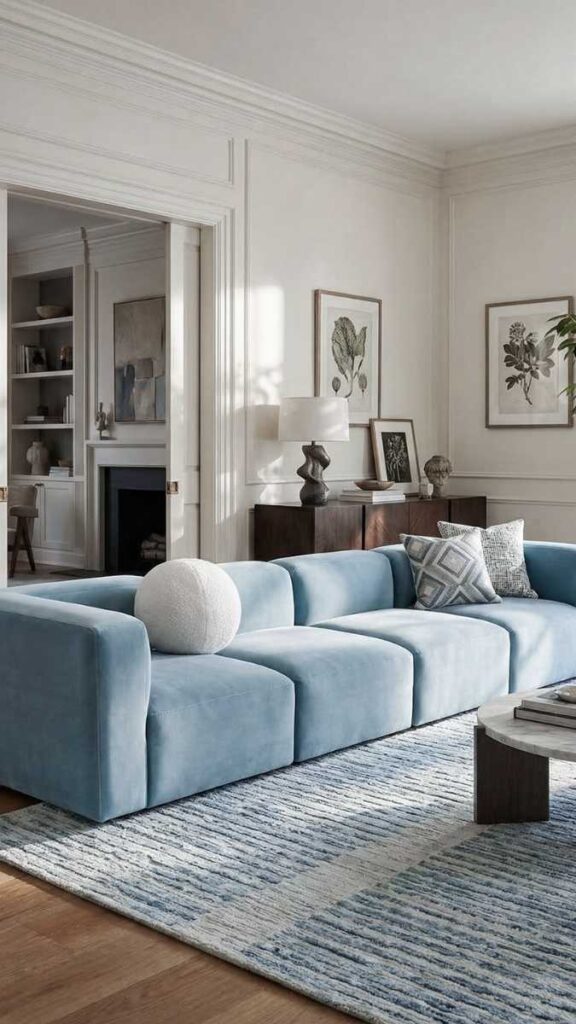
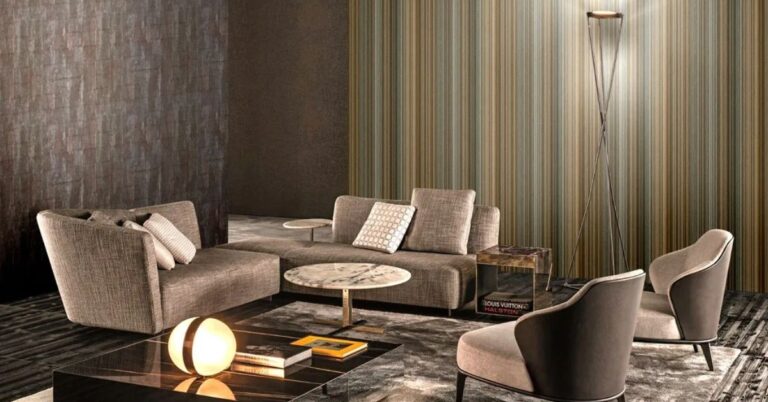
A sofa pushed flat against the wall actually makes a room feel smaller; the eye reads the room as a stack of furniture rather than a space with depth. Pulling a low-profile sofa even 10–12 inches from the wall creates a visual buffer that lets the room breathe.
In a small living room, choose something under 30 inches in height with clean lines and no skirt exposed legs to lift the eye and create the illusion of more floor space. This works especially well in apartments where the main light source is a single window, because it allows light to travel across the floor rather than getting blocked by the back of the sofa.
Neutral Walls With One Warm Textural Element
Not every wall needs art. In a clean aesthetic, one carefully placed textural element: a boucle cushion, a chunky throw, a linen curtain that puddles slightly does more visual work than three frames on a wall. The texture creates contrast against smooth, neutral surfaces without adding clutter or competing color.
This setup is particularly effective in north-facing rooms that don’t get much direct light, because warm-toned textiles compensate for cool ambient light without requiring any renovation.
Floating Shelves With Negative Space Built In
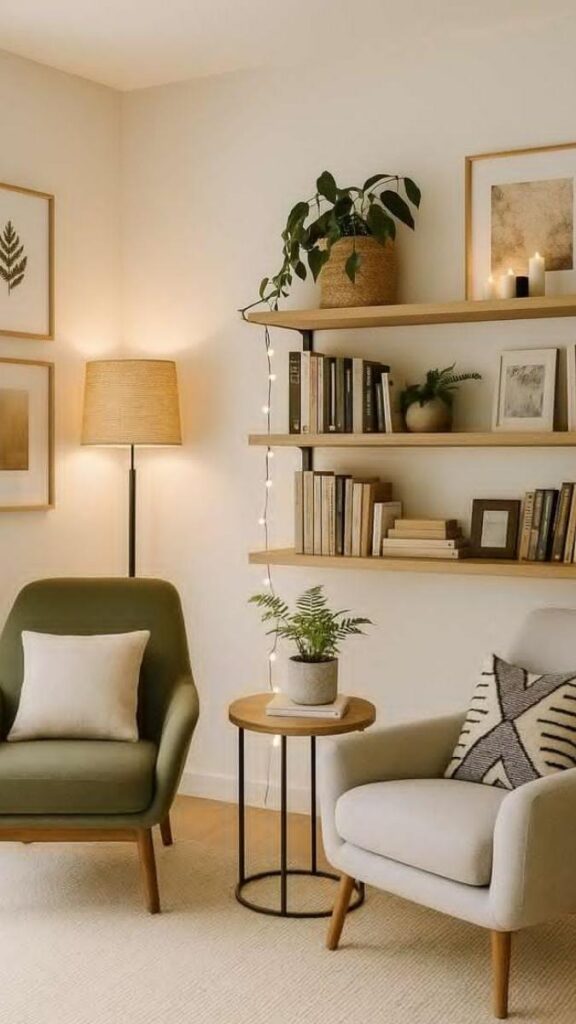
The problem with most shelving isn’t the shelves, it’s the fill rate. A shelf at 80% capacity reads as storage. A shelf at 40% reads as decor. If you’re going for a clean aesthetic, the goal is to leave as much empty shelf space as objects.
In my experience, this works best when you group items in odd numbers with intentional gaps rather than spreading them evenly. It makes the shelf look curated rather than emptied-out. Renters who can’t patch walls can replicate this with a simple leaning shelf positioned against a solid wall away from doorways.
A Single Pendant Light Instead of Multiple Sources
Layered lighting is often recommended, but for a clean aesthetic, one strong pendant placed low and centered can do more work than three competing fixtures. A wide pendant over a dining or work surface pulls focus to that zone and naturally de-emphasizes the rest of the room which reduces visual noise without removing anything physical.
This is one I’d actually recommend trying first because it costs nothing if you already have a pendant: just lower the cord by 4–6 inches and swap in a warm 2700K bulb.
Matching Storage Containers in Open Shelving
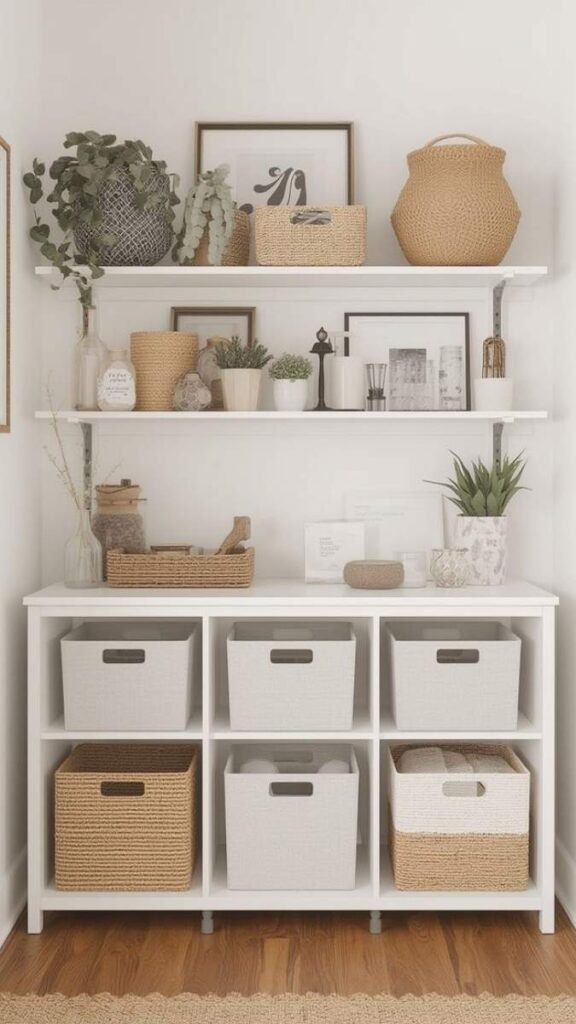
Open shelving only works as a clean aesthetic choice if the containers are consistent. Mixing five different baskets, three different jar sizes, and a random collection of mugs defeats the purpose. Choosing two or three matching container types with the same material,
The same color family makes even a busy shelf look intentional. This applies especially to kitchens where pantry items are in plain view. It’s a low-cost fix that doesn’t require reorganizing anything; just replacing mismatched containers with cohesive ones changes the entire read of the room.
A Monochromatic Color Palette With Tonal Variation
Monochromatic doesn’t mean flat. A bedroom done entirely in warm beiges and taupes dark headboard, medium duvet, lighter walls creates depth through tonal contrast rather than
color contrast. This approach works particularly well in bedrooms because it reads as restful rather than blank. The trick is making sure you vary the weight of tones across vertical layers: darkest on the ground, lightest at ceiling height. It anchors the room without making it feel heavy.
Read More About: 72+ Black and White Bedroom Ideas That Actually Work in Real Homes
Hidden Cable Management in Living Areas
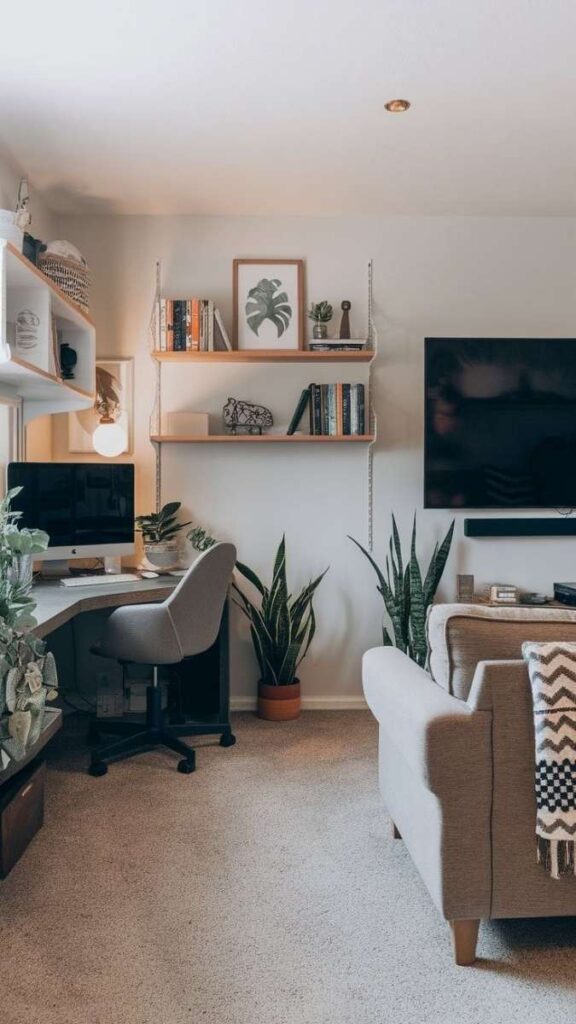
Nothing breaks a clean aesthetic faster than a visible cable drop. A simple cord cover kit, the paintable channel type, costs under $20 and takes 30 minutes to install.
For renters, cord concealers that mount with adhesive strips work on smooth walls without patching. The visual payoff is disproportionate to the effort; removing visible cords from even one wall clears the eye’s resting point and makes the whole room feel more finished.
A Streamlined Bed Frame Without a Footboard
Footboards add visual weight and reduce walking space around the bed, two things that work against a clean, open feel. A platform or low-profile frame without a footboard opens up the sightline from the doorway and gives the room a longer,
more expansive horizontal feel. In smaller bedrooms, this also frees up enough visual floor space that the room reads as larger even at the same square footage. The bed becomes furniture rather than architecture.
Linen or Cotton Curtains Hung at Ceiling Height
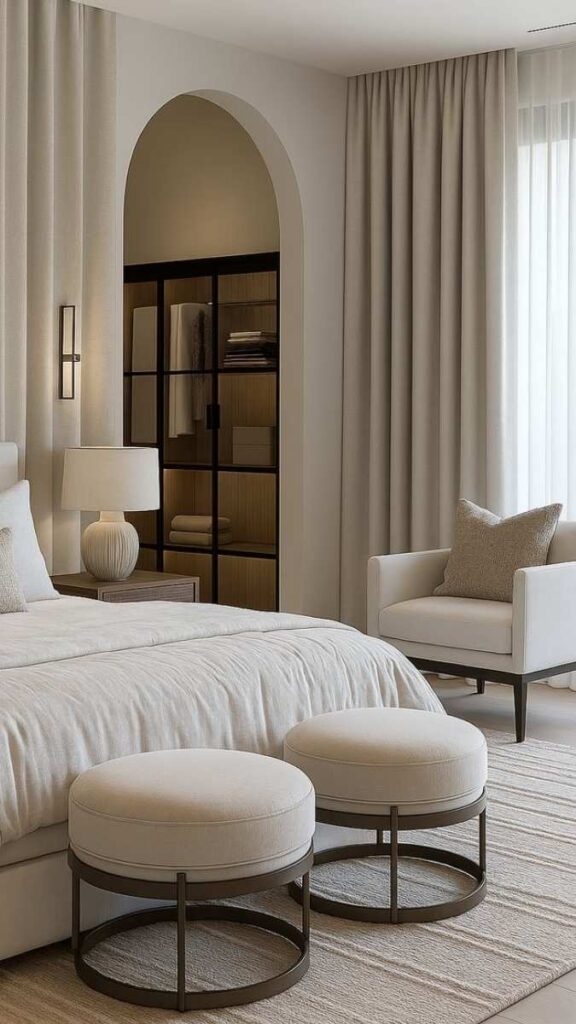
Where you hang curtains matters more than the curtains themselves. Hanging the rod as close to the ceiling as possible even if the window starts 18 inches below draws the eye upward and makes the ceiling feel higher.
Natural linen or cotton in a color within one shade of the wall reads almost architecturally, like the window is taller than it is. This is especially effective in rooms with standard 8-foot ceilings, which can feel boxed-in without this kind of vertical cue.
Decluttered Countertops With One Intentional Display
Countertop clutter is one of the most common things that makes a kitchen feel chaotic, even when it’s cleaned. The goal isn’t to remove everything, it’s to keep only what you use daily plus one object that’s genuinely nice to look at.
A wooden board, a small pot of herbs, a ceramic bowl. That’s enough. Everything else the appliances used twice a week, the mail pile, the vitamins belong in a drawer or cabinet. The countertop then reads as an extension of the room rather than a drop zone.
A Statement Rug That Defines the Seating Zone
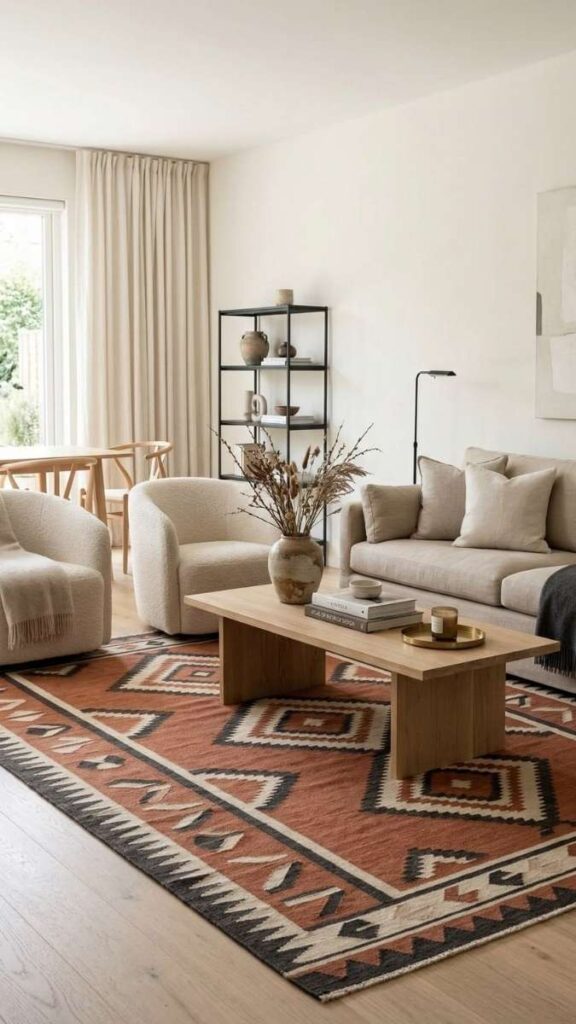
In open-plan spaces, a rug that’s too small floats awkwardly and makes the furniture arrangement look indecisive. For a clean aesthetic, the rug needs to be large enough that at least the front legs of all seating pieces sit on it. This anchors the zone,
separates it from the dining or entry area, and gives the room a defined logic. Jute and flat-weave wool both work well because their low pile doesn’t compete visually with furniture; they ground the space without adding bulk.
Furniture Legs That Reveal the Floor
In rooms under 300 square feet, how much floor you can see is as important as how much floor you have. Furniture with visible legs creates the impression of a continuous floor plane rather than a series of blocks sitting on a surface.
Thin tapered legs in natural wood or powder-coated metal keep the look clean without the room feeling like it’s floating. I’ve noticed this style tends to work particularly well in studios and open-plan apartments where the floor itself is a design element worth showing.
Read More About: 42+ Cool Living Room Ideas That Actually Work in Real Homes
A Dedicated Drop Zone Near the Entry
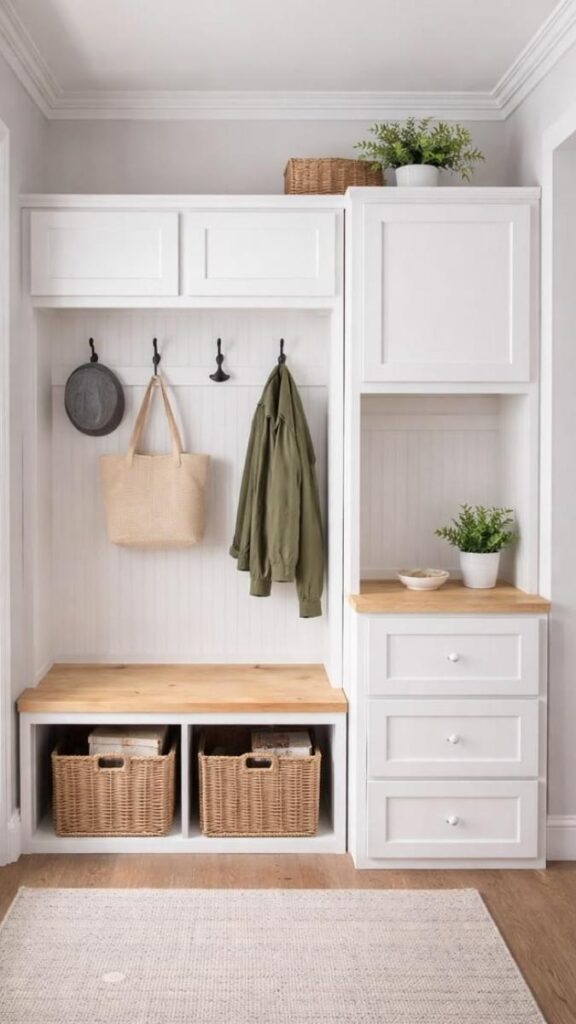
Entryways are where clean aesthetics most often break down because there’s no system. A slim console with a single tray and one or two hooks contains the daily load keys, one bag, and mail without letting it spread.
The mirror above serves two purposes: it bounces light back into the space and gives the entry a finished look that reads well even from the living area. This setup works in even narrow hallways because the console only needs to be 10–12 inches deep.
Bedside Tables With Only Two Items on Top
Bedside tables are clutter magnets. For a clean look, the rule is simple: one lamp, one personal item (a book, a glass of water), nothing else on the surface. Everything else, chargers, skincare
, reading glasses, lives in the drawer. The surface reads as clear and calm from across the room, which contributes directly to how restful the bedroom feels. Matching tables aren’t required, but matching them removes one more decision from the room‘s visual story.
A Cohesive Plant Collection in Similar Pots
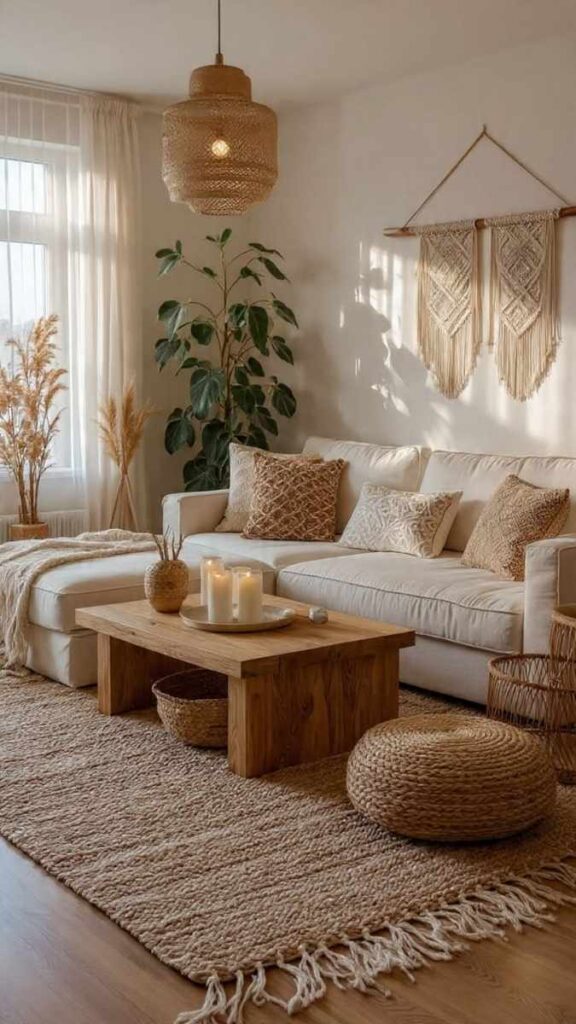
Scattered plants in mismatched pots look collected; grouped plants in similar containers look designed. Three to five plants in matching matte terracotta, ceramic, or concrete pots varied in height but consistent in finish act as a single visual element rather than multiple competing ones.
Grouping them near a light source also serves a practical function: plants in a similar light zone tend to stay healthier, which means less browning and replacement over time.
Built-In or Recessed Storage Where Possible
Storage that sits flush with the wall rather than projecting from it keeps the room’s geometry clean. Built-in shelving beside a bed, a recessed niche in the bathroom, or floating media storage in the living room all of these work because they don’t interrupt the wall plane.
For renters, some furniture pieces replicate this effect: a low flat-front bookshelf pushed against the wall and styled minimally reads almost built-in if the proportions are right.
Matte Finishes Over Glossy Throughout
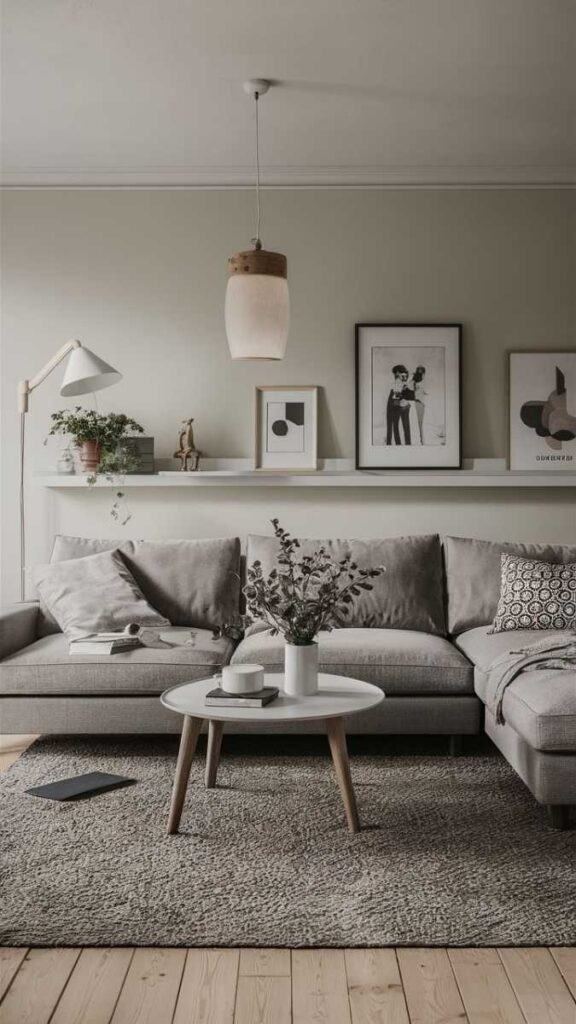
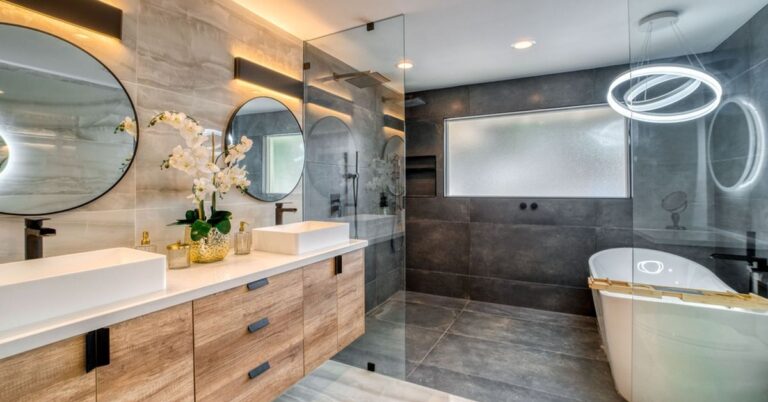
Glossy surfaces reflect light in multiple directions, which creates visual noise even in an otherwise simple room. Matte finishes on cabinets, walls, even kitchen hardware absorb light more evenly and create a quieter surface.
In 2026, matte is having a clear moment in kitchen and bath design specifically because it reads as refined without being cold. It also tends to hide fingerprints and minor surface variation, which is a practical argument for high-traffic rooms with kids or frequent cooking.
A Neutral Gallery Wall With Generous Spacing
If you want art without visual density, the key is in the spacing and scale. Instead of a large dense gallery wall, choose five or fewer prints in similar tones and hang them with at least 4 inches of space between frames.
The wall itself becomes part of the composition. Thin black or natural wood frames keep the installation clean. Prints that share a color palette even loosely read as a single intentional moment rather than a collection, which is what separates a clean aesthetic from a maximalist one.
A Work From Home Corner That Packs Away Visually
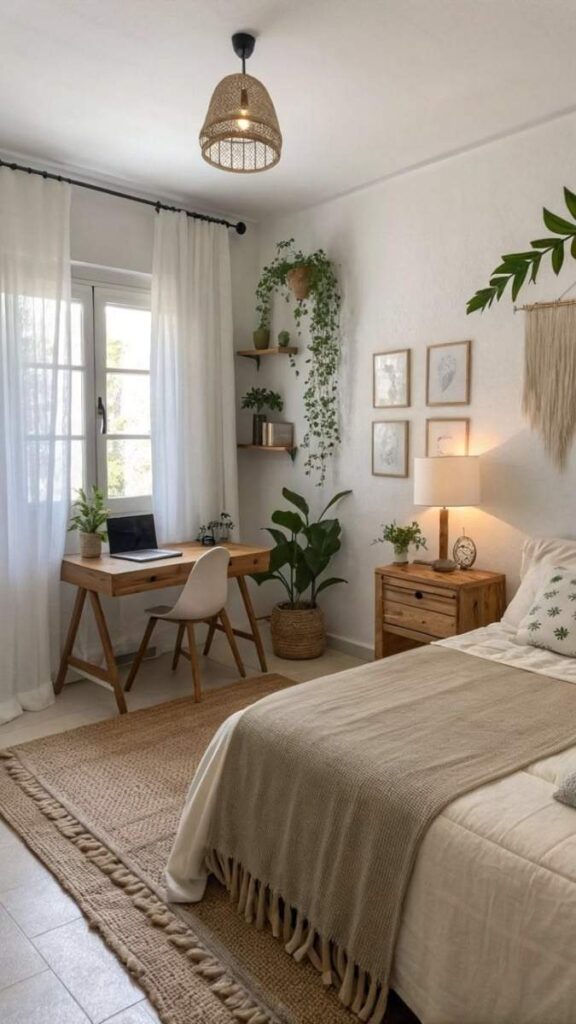
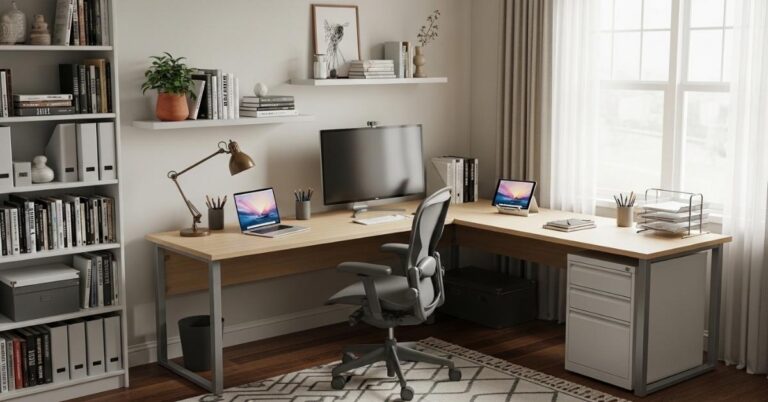
Multi-use spaces only work as a clean aesthetic when the work zone can visually disappear during off-hours. A slim wall-mounted desk or a floating shelf at desk height with a chair that tucks fully out of sight meets this standard.
The monitor or laptop goes into a drawer or bag at the end of the workday, leaving only the surface. When the desk is clear, it reads as part of the wall. This is especially useful in studio apartments where the visual reset between work and home mode matters for mental clarity.
Read More About: 29+ Entryway Decor Ideas That Make Your Home Feel Intentional the Moment You Walk In
Layered Lighting at Three Heights
Overhead lighting alone flattens a room; it eliminates the shadows that give furniture and materials dimension. For a clean but warm aesthetic,
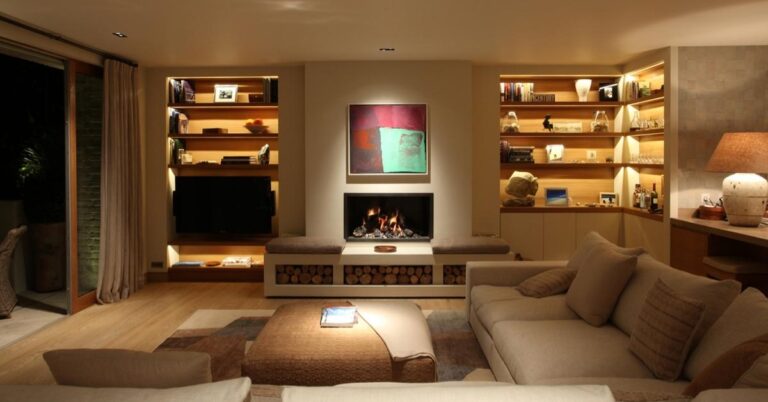
Layering light at three heights (pendant or ceiling, table lamp, and floor lamp) creates a more nuanced room. The overhead can be on a dimmer, used only when needed; the table and floor lamps do most of the evening work. This setup makes the room feel intentional even on days when nothing else is particularly styled.
Minimalist Styling on Open Kitchen Shelves
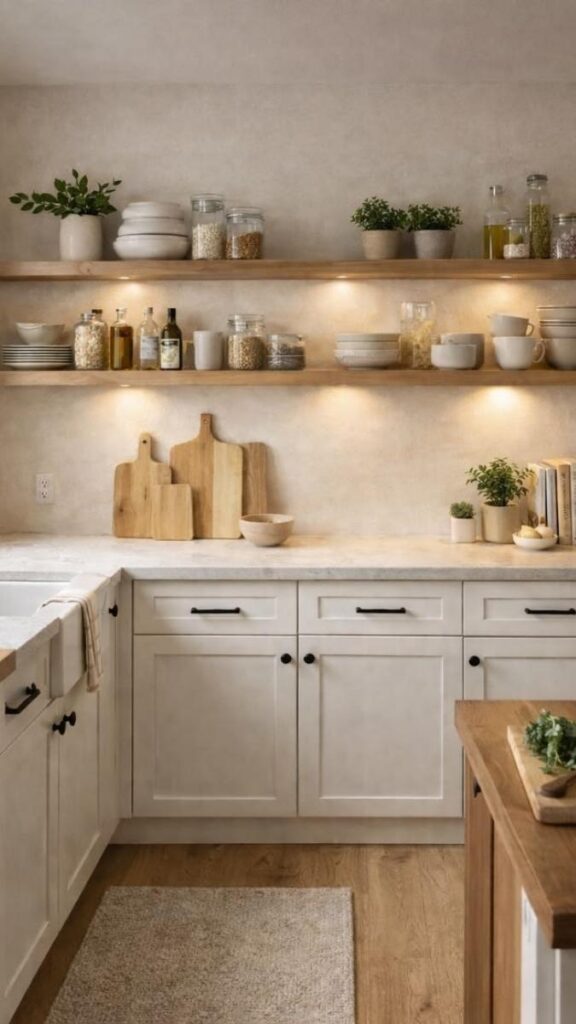
Open kitchen shelving works when the items on it are genuinely attractive and consistently styled. That means all the same color plates stacked neatly, glasses that match, and no random bottles of cleaning spray or expired spices in view.
The goal is that the shelf looks the same as it would in a photo because it is effectively in a photo all the time, since it’s always visible from the living area in open-plan spaces. Honestly, this one requires more editing than adding: the job is mostly removing things rather than sourcing new ones.
What Actually Makes a Clean Home Aesthetic Work
The clean aesthetic isn’t about owning less. It’s about arranging and displaying what you own with intention. Three things determine whether a room reads as clean or cluttered regardless of how many objects are in it:
Surface density.
How much of each visible surface is occupied? In a clean aesthetic, open surfaces, countertops, shelves, tables are mostly clear. The eye needs somewhere to rest.
Visual rhythm.
Does the room repeat colors, materials, or shapes in a way that feels deliberate? A room with four different wood tones and six different metal finishes will feel chaotic at the same furniture count as a room with two consistent tones.
Scale coherence.
Do the furniture pieces and accessories read as the right size for the room? Oversized sofas in small rooms and undersized rugs in large ones are two of the most common reasons a space never quite comes together. Scale is harder to fix than styling, but noticing it is the first step.
Clean Home Aesthetic Ideas Setup Comparison
| Idea | Best For | Space Type | Problem It Solves | Effort Level |
| Low-profile sofa with breathing room | Small living rooms | Compact + open plan | Room feels boxed-in | Low |
| Ceiling-height curtains | Any ceiling height | All types | Ceiling feels low | Low |
| Furniture with visible legs | Studio + small rooms | Under 300 sq ft | Floor feels cut off | Medium |
| Matching storage containers | Kitchens, open shelving | All types | Visual clutter on shelves | Low |
| Matte finishes throughout | Kitchens, bathrooms | High-traffic rooms | Too much glare, visual noise | Medium–High |
| Layered lighting at 3 heights | Evening-heavy rooms | Living rooms, bedrooms | Harsh or flat lighting | Medium |
| Packed-away work corner | Multi-use rooms | Studios, open plans | Work zone bleeds into living | Low |
| Single pendant over dining area | Apartments | Dining zones | Too many competing fixtures | Low |
How to Make Your Space Feel Cleaner Without Adding More Furniture
Most people approach a room that feels “off” by adding things: a new lamp, a plant, another throw pillow. But the clean aesthetic almost always requires subtracting first.
Start with surfaces.
Every visible horizontal surface countertops, coffee tables, dressers, window sills should hold only what genuinely belongs there. Do a full surface edit before changing anything else. The difference is often immediate.
Address scale before style.
If your rug is too small or your sofa is too large for the room, no amount of styling will fix it. The layout decisions, furniture size, rug coverage, curtain height need to be resolved before the decorative layer makes sense.
Consolidate your storage.
Instead of one basket in the living room, one in the bedroom, one in the hallway, pick one central storage piece per room that contains everything that doesn’t have a designated home. This prevents the scatter pattern that makes spaces feel cluttered even when items are technically put away.
Limit your material palette.
A room that’s working with more than three or four distinct materials (wood, metal, stone, fabric, glass) starts to feel visually busy. For a clean aesthetic, pick two or three and repeat them across the room consistently.
Let walls be walls.
Not every wall needs a treatment. In a small room especially, one styled wall and three empty ones creates more breathing room than four walls each doing something.
FAQ’s
What exactly is a clean home aesthetic?
A clean home aesthetic is a design approach focused on visual calm through intentional reduction of clear surfaces, cohesive materials, and furniture arranged to create openness rather than fill space. It’s not the same as minimalism; you can have warmth, texture, and personal items while still achieving a clean look.
How do I get a clean aesthetic on a budget?
Start with editing rather than buying. Clearing surfaces, removing mismatched items from shelves, and containing clutter in consistent storage can shift the feel of a room before you spend anything. When you do buy, prioritize curtains at ceiling height, a proper-sized rug, and matching storage containers; these have the highest visual return for the cost.
Does a clean home aesthetic work in small apartments?
It works especially well in small apartments because visual simplicity makes spaces feel larger. The key moves are furniture with visible legs to expose floor space, curtains hung at ceiling height to add vertical scale, and consistent surface editing so the eye isn’t jumping between competing objects.
What’s the difference between a clean aesthetic and a minimalist home?
Minimalism often means as few objects as possible. A clean aesthetic allows for more layered textiles, plants, art, collections as long as they’re cohesive and deliberately placed. The goal is visual calm, not visual emptiness.
How do I maintain a clean aesthetic in a household with kids or pets?
The biggest lever is having a real home for everything. Baskets and closed storage for toys, a dedicated spot for pet gear, and a daily 10-minute reset routine matter more than any specific furniture choice. Choosing durable, easy-clean materials (slipcovers, matte surfaces, flat-weave rugs) also reduces the maintenance pressure.
Which rooms benefit most from a clean home aesthetic?
Living rooms and bedrooms see the greatest impact because they’re the spaces where visual calm translates directly into how you feel at home. Kitchens close behind a clear countertop change the feel of the kitchen more than any other single change.
Is a clean aesthetic practical for people who work from home?
Yes, but it requires a defined work zone that can be visually packed away at the end of the day. A desk where the surface stays clear and the chair tucks fully under makes the room switch back to living space mode without requiring any physical reorganization.
Conclusion
Getting a clean home aesthetic isn’t a renovation project, it’s closer to a calibration. The goal is a space that feels light, functional, and considered, not a space that looks like a showroom. Small adjustments to how surfaces are used, how furniture is scaled, and how light moves through the room can shift the feel dramatically without requiring a full overhaul.
Start with one or two ideas that address your most specific frustration: if it’s clutter, begin with surface editing; if it’s the room feeling small, start with curtain height and furniture legs. Build from there. The key is finding what actually works in your space rather than replicating something that works in someone else’s.