Best Bathroom Tile Ideas: 75 Stylish Bathroom Tiles Design Ideas for Every Home
Picking the right tile can make or break a bathroom. It’s the one decision that touches everything else in the room. Walls, floors, the shower, even the little niche where you keep your shampoo tile shows up everywhere. So it pays to get it right.
This guide walks you through bathroom tiles design ideas for every taste and every budget. You’ll find styles, colors, materials, patterns, and layouts. We’ll also cover small bathrooms, bathroom shower tiles, bathroom floor tile ideas, and how to avoid the most common mistakes. By the end, you’ll have a clear plan for your own bathroom renovation ideas, whether you’re starting from scratch or just refreshing a tired space.
Latest Bathroom Tiles Design Trends (2026)
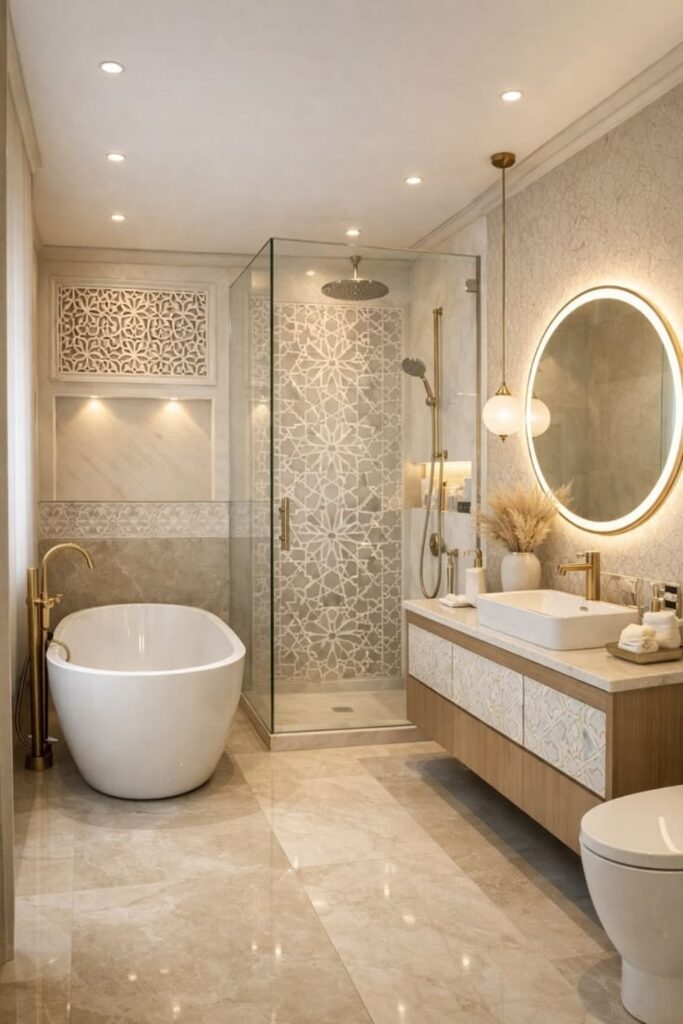
Bathroom tiles design latest trends for 2026 move away from cold, sterile spaces. Homeowners want warmth now. They want texture you can actually feel. Tile drenching leads the pack this year. It means using one tile, or a tightly matched family of tiles, across the floor, the walls, and the shower. The result feels like a single, flowing room instead of a patchwork of materials. Designers love it because it removes visual clutter and makes small bathrooms feel bigger.
Large-format tile keeps its grip on the top spot too. Bigger tiles mean fewer grout lines, and fewer grout lines mean less cleaning and a sleeker look. Alongside that, textured tiles are having a real moment. Fluted tile, with its raised ridges, catches light in a way flat tile never could. You’ll see it on accent walls and inside showers, where the play of shadow adds real depth. Zellige tiles, with their handmade, slightly uneven surface, bring an artisanal warmth that mass-produced tile just can’t fake.
Earthy, deep colors are trending too, think sage green, terracotta, and warm ochre paired with matte finishes that feel soft underfoot and under hand. Vertical stacking, where tiles run in tall columns rather than the usual horizontal rows, is also gaining fans because it tricks the eye into seeing more ceiling height. If you want your space to feel current without chasing every passing fad, lean into texture, warmth, and a cohesive material story.
Bathroom Tiles Design by Style
Style sets the tone before color or material ever enters the conversation. Knowing the style you’re after first makes every later decision faster. It also keeps your bathroom interior design feeling intentional instead of accidental, where pieces were picked one at a time with no plan tying them together.
Below, we break down five of the most requested styles homeowners search for. Each one carries its own mood, and each one suits a different kind of home and a different kind of person.
Modern Bathroom Tile Ideas
Modern bathroom tiles favor clean lines, neutral colors, and minimal fuss. Think large-format porcelain in soft grey or white, laid with thin grout lines so the surface reads as one continuous plane. Geometry plays a quiet role here too a hexagon floor or a subtle grid pattern adds interest without shouting for attention. Modern design isn’t about being boring. It’s about restraint. Every element earns its place, and nothing feels extra.
A modern bathroom often pairs matte black fixtures with crisp white or grey tile, creating contrast that feels sharp and deliberate. Contemporary bathroom tiles also tend to skip ornate trim and decorative borders. Instead, the tile itself does the talking, often through texture rather than pattern. If you’re after a calm, uncluttered space that still feels fresh, modern is the safest long-term bet.
Simple Bathroom Tiles Design
Simple bathroom tiles design works best when you want a space that ages well and never feels dated. A single tile color across the whole room, paired with a basic grid or subway layout, gives you a clean backdrop that any towel color or decor style can sit against. White, soft grey, or beige tile in a 12×24 inch format is a popular, foolproof choice.
Simplicity doesn’t mean cheap or boring, either. A well-chosen grout color, like a soft charcoal against white tile, adds just enough contrast to keep things interesting. This approach also tends to be the most budget-friendly route, since plain tile usually costs less than patterned or imported options, and installation runs faster too.
Luxury Marble Bathroom Tiles
Luxury bathroom tiles almost always lead back to marble. There’s a reason marble shows up in five-star hotels and high-end homes alike no two slabs look the same, and that natural variation gives a room a one-of-a-kind quality no manufactured tile can copy. Calacatta and Carrara remain the most requested varieties, prized for their dramatic veining against a creamy white base.
In 2026, designers are pushing marble further by choosing bolder, more expressive veining instead of the quiet, minimal slabs popular a few years back. Picture deep plum or emerald veins running through a white field. That said, marble does need more care than porcelain. It’s porous, so it needs sealing, and it can etch if acidic products sit on it too long. If you love the look but want less maintenance, marble-look porcelain delivers a convincing imitation at a fraction of the cost and effort.
Vintage & Retro Bathroom Tiles
Vintage tile brings personality and a sense of history into a room. Small hexagon floor tile in black and white, scalloped fish-scale shapes, or hand-glazed tile with a slightly imperfect finish all nod to decades past while still feeling fresh today. Patterned tiles with floral motifs or encaustic-style designs also fall into this camp, and they work beautifully in powder rooms where a bold choice feels exciting rather than overwhelming.
Retro doesn’t mean dated, though the line can blur if you’re not careful. The trick is pairing an old-school tile with clean, modern fixtures, so the room reads as curated rather than stuck in time. A pastel pink hexagon floor with a sleek matte black faucet is a perfect example of old meeting new.
Industrial Bathroom Tiles
Industrial style leans into raw, unfinished-looking materials. Concrete-effect porcelain, dark charcoal grey tile, and exposed-looking textures all fit this mood. Metallic accents, like a brushed steel or matte black trim, complete the look. This style suits homes with an open, loft-like feel, or anyone who wants their bathroom to feel a little edgier than the typical soft, spa-style space.
Subway tile shows up here too, but usually in a darker shade like charcoal or deep green rather than the classic white. The goal is texture and depth over polish and shine, so matte finishes almost always win out over glossy ones in an industrial bathroom.
Read More About: Master Bathroom Ideas: 55 Modern, Luxury & Functional Designs for Every Home
Bathroom Tile Ideas by Color
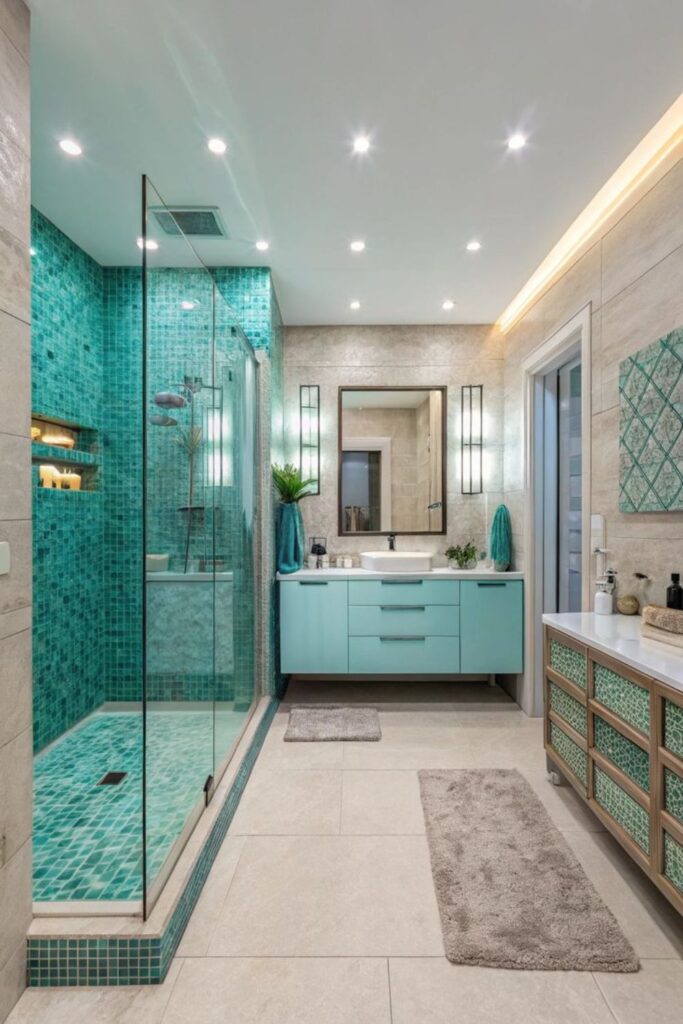
Color shapes mood faster than almost any other design choice. A pale tile opens a room up. A dark tile pulls it in and makes it feel cozy, even a little dramatic. Choosing your bathroom tile colors early helps you build the rest of the room paint, fixtures, towels around a single, confident direction.
Here’s a look at seven popular color directions, along with what each one tends to suit best.
| Color | Best For | Mood It Creates |
| White | Small bathrooms, resale value | Bright, clean, timeless |
| Black | Bold statements, powder rooms | Dramatic, sophisticated |
| Grey | Modern and transitional homes | Calm, neutral, versatile |
| Blue | Coastal or spa-style baths | Cool, relaxing, fresh |
| Green | Nature-inspired, warm modern | Earthy, grounding, soft |
| Pink | Vintage or feminine spaces | Playful, warm, gentle |
| Beige | Minimalist, warm neutral baths | Cozy, soft, inviting |
White Bathroom Tiles
White bathroom tiles remain the most popular choice across the country, and for good reason. White reflects light, which makes any bathroom, especially a small one, feel larger and airier. It also pairs with literally any other color, so you’re never locked into one decor direction down the road.
White tile does show dirt and grime faster than darker shades, so a matte finish or a textured surface can help hide smudges between cleanings. Pairing white wall tile with a contrasting grout color, like grey or black, also adds definition without sacrificing that bright, open feeling white is known for.
Black Bathroom Tiles
Black bathroom tiles create instant drama. A black accent wall behind the vanity, or a fully black-tiled shower, gives a bathroom a moody, upscale feel that’s hard to achieve any other way. Black also hides water spots and soap scum better than lighter colors, which makes it surprisingly practical for a shower.
The key with black is balance. A bathroom tiled entirely in black, floor to ceiling, with no light source or contrast, can feel cramped rather than luxurious. Pairing black tile with brass fixtures, a skylight, or plenty of white grout keeps the room feeling intentional instead of like a cave.
Grey Bathroom Tiles
Grey bathroom tiles sit at the center of nearly every modern bathroom palette, and they’ve held that spot for years because grey works with almost anything. Warm greys lean toward beige and pair well with wood accents. Cool greys lean toward blue and suit a more clinical, contemporary look.
Grey also hides everyday wear better than pure white, which makes it a smart pick for a busy family bathroom. Large-format grey porcelain with a subtle marble-look pattern is one of the most requested combinations in 2026, giving you texture and sophistication without committing to real, high-maintenance stone.
Blue Bathroom Tiles
Blue bathroom tiles bring a cool, watery calm that feels right at home in a space built around water in the first place. Navy creates a deep, moody contrast against white fixtures, while a soft powder blue gives a gentler, almost nursery-like softness. Blue zellige tile, with its handmade texture, has become especially popular for shower walls and backsplashes.
Blue also photographs beautifully, which is part of why it shows up so often in coastal and spa-inspired bathrooms. If you want color but worry about long-term resale appeal, a mid-tone blue tends to age better than either very dark or very pale shades.
Green Bathroom Tiles
Green bathroom tiles, particularly sage and deep forest shades, are one of the breakout colors of 2026. Green connects a bathroom to the natural world, and it pairs beautifully with warm wood vanities, brass fixtures, and natural stone accents. Sage green especially has become a go-to for homeowners who want color but still want the room to feel calm rather than bold.
A green accent wall behind a freestanding tub, or a green tile niche inside an otherwise neutral shower, lets you experiment with color without committing your entire budget, or your entire bathroom, to one strong hue.
Read More About: 61+ Modern Bathroom Ideas To Create A Stylish Spa Like Retreat
Pink Bathroom Tiles
Pink bathroom tiles have shifted from a purely retro choice into something genuinely contemporary. Dusty rose and blush tones now show up in high-end bathroom design, often paired with brushed gold fixtures and warm white walls. Pink softens a space and adds warmth that cooler colors simply can’t match.
Pink also works surprisingly well in small powder rooms, where a bold color choice feels exciting rather than overwhelming, precisely because the room itself is small enough to handle the intensity.
Neutral Beige Bathroom Tiles
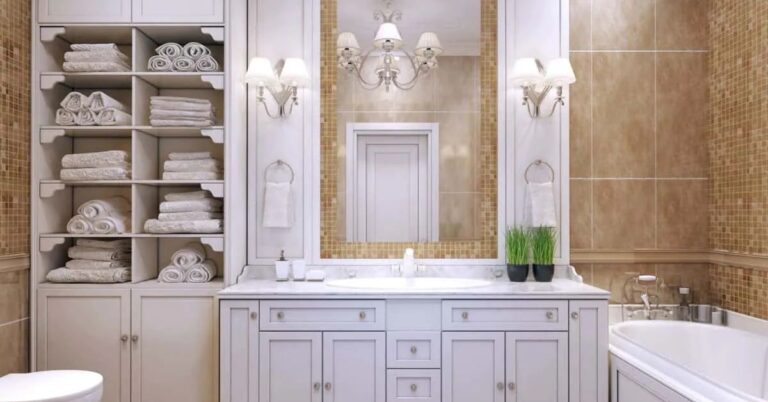
Bathroom tile colors in warm beige and sand tones have surged back into favor as homeowners move away from the stark white and grey palettes that dominated the last decade. Beige tile, especially with a travertine or limestone look, brings a soft, sun-warmed quality that feels inviting rather than clinical.
Beige also works as one of the most forgiving background colors for a bathroom, since it complements both warm wood tones and cooler metal fixtures equally well. It’s a smart pick if you want a space that feels timeless rather than trend-driven.
Bathroom Tile Ideas by Material
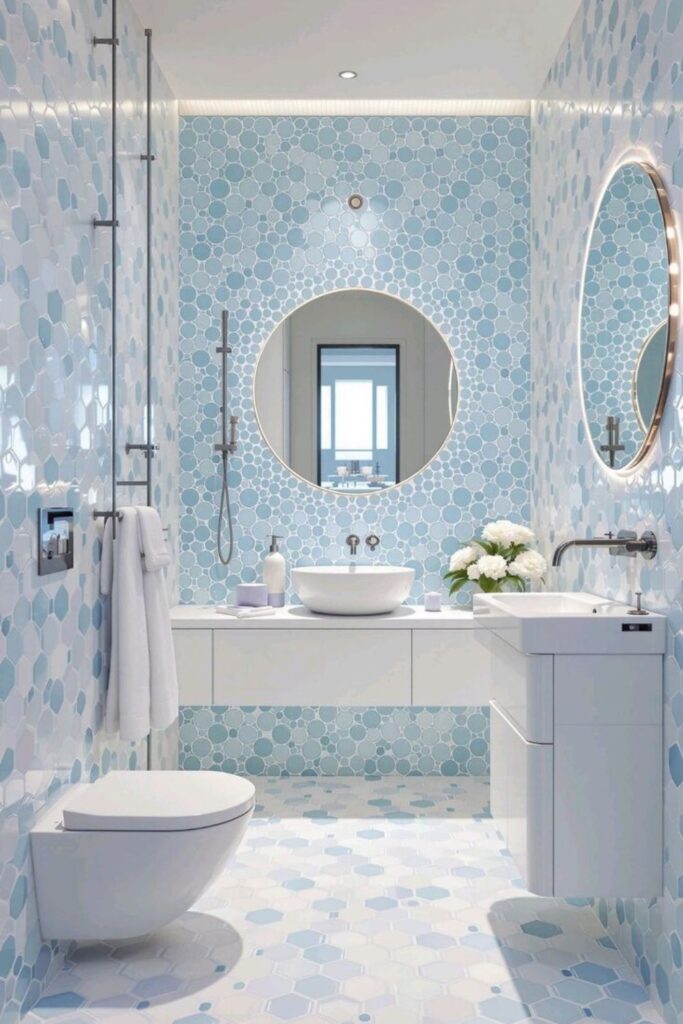
Material affects everything from price to durability to how the tile feels under bare feet on a cold morning. Picking the right one means weighing your budget against how much upkeep you’re realistically willing to do.
Ceramic Bathroom Tiles
Ceramic bathroom tiles are made from clay, fired at high heat, and finished with a glaze. They’re typically the most affordable option on this list, which makes them a favorite for budget-conscious renovations. Ceramic also comes in nearly endless colors and patterns, since the glaze can be customized however a manufacturer likes.
The tradeoff is durability. Ceramic is softer and more prone to chipping than porcelain, and it’s usually better suited to walls than high-traffic floors. Still, for a backsplash or a wall behind a vanity, ceramic gives you style and color at a price that’s hard to beat.
Porcelain Bathroom Tiles
Porcelain bathroom tiles are denser, harder, and more water-resistant than ceramic, thanks to a firing process that uses higher heat and more refined clay. This makes porcelain the better choice for bathroom floors, showers, and any high-moisture, high-traffic area. It also handles ceramic vs porcelain bathroom tiles comparisons easily, usually coming out ahead on long-term durability.
Porcelain now mimics wood, marble, and concrete so convincingly that many homeowners choose it purely for the look, with the added bonus of skipping the maintenance that real stone or wood would demand. If you’re only picking one material for the whole bathroom, porcelain is usually the safest, most versatile choice.
Marble Bathroom Tiles
Marble bathroom tiles deliver a level of natural elegance that’s tough to replicate. Each slab carries its own unique veining, so a marble bathroom never looks quite like anyone else’s. Marble works in slabs, mosaics, or standard tile formats, giving you flexibility in how dramatic or subtle you want the effect.
Marble is porous, though, and needs regular sealing to resist staining and water damage. It can also feel cold underfoot, so many homeowners pair marble floors with radiant heating. For those who want the marble look without the upkeep, marble-look porcelain is now good enough to fool most guests.
Terrazzo Bathroom Tiles
Terrazzo tiles are made from chips of marble, quartz, or glass set into a cement or resin base, then polished smooth. The result is a speckled, almost confetti-like surface that feels playful and a little nostalgic, since terrazzo first became popular decades ago and is now enjoying a strong comeback.
Terrazzo is durable and easy to maintain, and it works well on both floors and walls. It’s also a genuinely sustainable choice, since many terrazzo tiles use reclaimed stone chips rather than freshly quarried material, which lines up nicely with the sustainability push shaping a lot of 2026 design choices.
Zellige Bathroom Tiles
Zellige tiles are handmade in Morocco using a centuries-old technique, and that heritage shows in every piece. No two tiles are perfectly identical. Slight variations in color and surface give a wall a rich, almost glowing texture that flat, machine-made tile can’t match.
Zellige tends to cost more than standard ceramic or porcelain, both because of the labor involved and because installation requires a skilled hand to manage the irregular shapes. Many designers use zellige sparingly, as an accent wall or shower niche, rather than across an entire room, which keeps costs reasonable while still delivering that handcrafted impact.
Travertine Bathroom Tiles
Travertine is a natural stone with a soft, warm, slightly pitted texture that brings an organic, old-world feel to a bathroom. It’s especially popular in spa-style and Mediterranean-inspired designs, where its honey and cream tones echo the warm, earthy palette trending heavily in 2026.
Travertine needs sealing, like marble, since it’s porous and can stain if left untreated. It’s also naturally slip-resistant when honed or tumbled, which makes it a smart, practical pick for shower floors despite its luxury price point.
Glass Bathroom Tiles
Glass tile reflects light beautifully, which makes it a popular choice for bathroom backsplash tiles and shower accent walls. It comes in nearly every color imaginable, often with a glossy finish that adds brightness and a subtle shimmer to a room.
Glass is non-porous, so it resists mold and mildew exceptionally well, which is a real advantage in a humid bathroom. It can be more slippery than other materials, though, so most designers reserve it for walls and accents rather than floors.
Bathroom Tile Ideas by Pattern
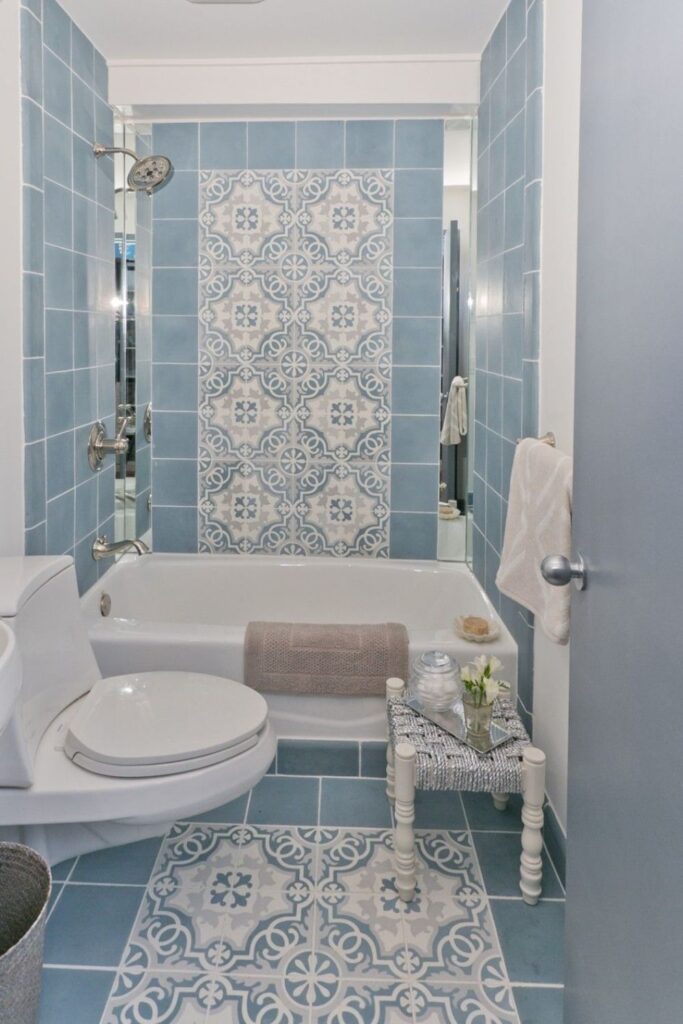
Pattern adds rhythm and visual movement to a bathroom. The right one can make a small space feel larger, a plain space feel custom, or a busy pattern feel like the room’s main event.
Checkerboard Tiles
Checkerboard bathroom tiles are a timeless classic, most often seen in black and white, though modern versions now play with color and shape, too. A checkerboard floor pairs beautifully with simple white walls, letting the floor carry all the visual interest while everything else stays calm.
This pattern works in both vintage and modern bathrooms, which is part of why it never really goes out of style. Smaller checkerboard tiles suit powder rooms, while larger-scale versions feel more contemporary and work well in bigger bathrooms.
Mosaic Tiles
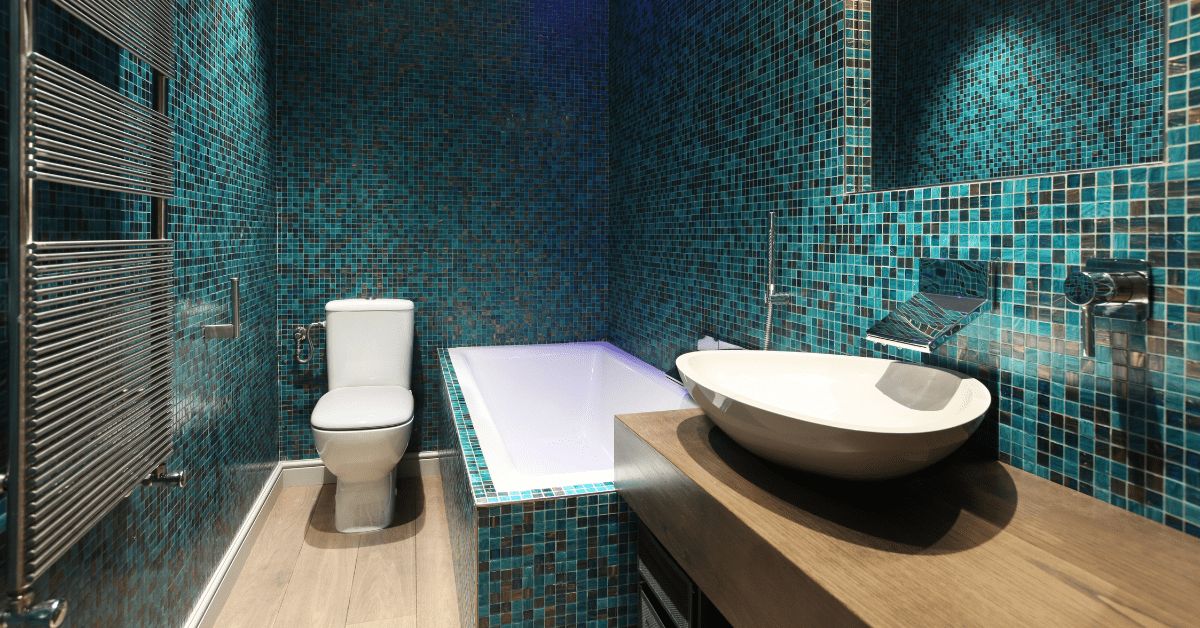
Mosaic tiles are small pieces, often under two inches, arranged together to form a pattern or simply a textured field of color. They’re a favorite for shower floors because their many grout lines provide extra traction underfoot, and for accent walls because of the rich texture they create.
Mosaic tile comes in glass, stone, ceramic, and porcelain, so you can match it to nearly any material story already established elsewhere in the bathroom. It’s pricier per square foot than larger tile, mostly due to the labor involved, so many homeowners use it as an accent rather than across an entire room.
Subway Tiles
Subway tiles are the simple rectangular tile you’ve seen in nearly every bathroom photo for the past decade, and they remain one of the most requested styles in the country. Classic white subway tile, laid in a running bond pattern, gives a clean, slightly retro look that suits almost any style of home.
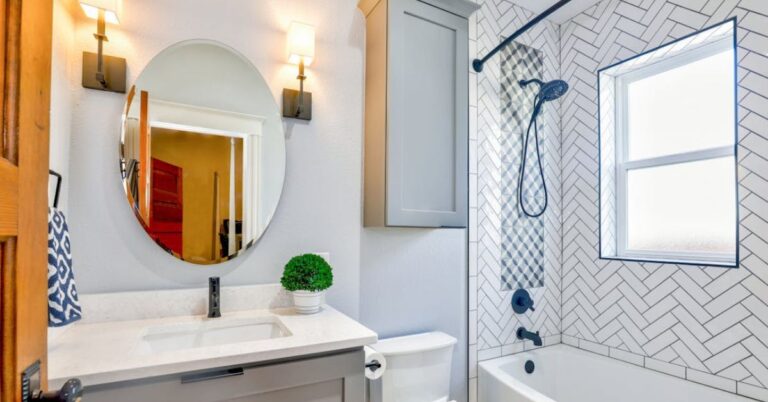
Subway tile has evolved past plain white, too. Colored, textured, and even handmade zellige-style subway tiles now offer the same familiar shape with a fresh, updated feel. Vertical stacking, instead of the traditional offset brick pattern, is the most popular way designers are modernizing subway tile in 2026.
Hexagon Tiles
Hexagon tiles bring geometric interest without feeling overly bold. Small hexagon mosaics are a classic choice for bathroom floors, especially in vintage-inspired spaces, while larger hexagon tile creates a more modern, architectural statement on walls or floors alike.
Hexagon tile also handles small spaces well, since its angled edges draw the eye around the room rather than straight across it, which can make a cramped bathroom feel a touch more dynamic.
Read More About: Best Interior Design Trends 2026: The Biggest Home Decor Trends
Chevron Tiles
Chevron tile creates a sharp, continuous zigzag by joining angled pieces into a seamless V pattern. It reads as more dramatic and more directional than herringbone, since chevron’s points line up perfectly rather than staggering. This pattern works especially well on a shower wall, where the strong visual line draws the eye upward and makes ceilings feel taller.
Chevron does require more precise cutting and installation than simpler layouts, so it tends to cost a bit more in labor. The dramatic payoff, though, is often worth it for homeowners chasing a real showstopper.
Penny Tiles
Penny tiles, named for their small, round, coin-like shape, bring a soft, retro charm to bathroom floors. They’re especially popular in showers, since their tiny size and dense grout lines create excellent traction, which matters a great deal on a wet surface.
Penny tile comes in countless colors, and many designers use multiple shades together to create a subtle ombre or speckled effect across the floor. It’s a small detail that adds a surprising amount of personality to an otherwise simple bathroom.
Scalloped Tiles
Scalloped, or fish-scale, tile brings a soft, curved silhouette that stands out against the straight lines found in most bathrooms. It works beautifully on accent walls, shower niches, or even a half-tiled wall behind a freestanding tub, where its gentle curves soften the whole room.
This pattern leans vintage by nature, but pairing it with a modern matte finish or a bold, contemporary color keeps it from feeling overly nostalgic.
Geometric Tiles
Geometric tile covers a wide range, from simple diamonds to complex, multi-shape patterns inspired by Moroccan and Spanish design traditions. These tiles often arrive pre-patterned, meaning the design is baked into each tile, so you get a complex, custom look without needing complicated installation work.
Geometric tile makes a strong statement on its own, so it’s usually best paired with simple, solid-color walls or fixtures elsewhere in the room, letting the floor or accent wall remain the clear focal point.
Small Bathroom Tiles Design
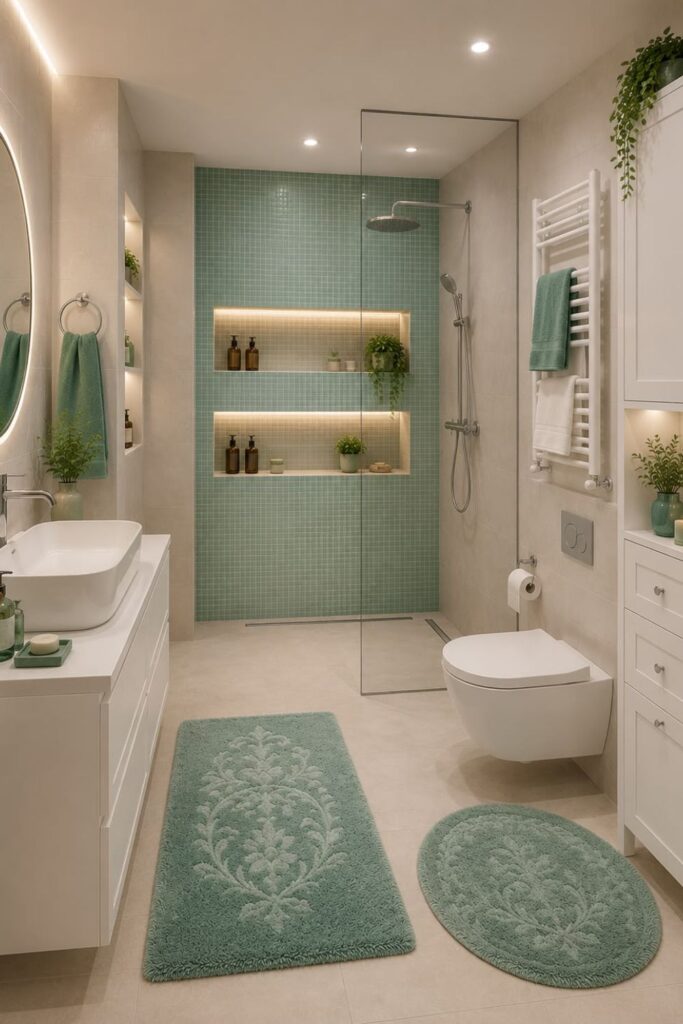
Small bathrooms come with their own rulebook. What works beautifully in a sprawling master bath can overwhelm a tiny powder room in seconds. The good news is that small bathroom tiles design has plenty of tricks for making a cramped space feel open and intentional.
Bathroom Tile Ideas for Small Bathrooms
The biggest mistake in small bathrooms is overcomplicating the design with too many colors or too many patterns competing for attention. A single tile, carried from floor to wall, keeps the eye moving smoothly instead of stopping at every grout line and color change. Light colors also help enormously here, since they reflect available light rather than absorbing it.
Vertical lines, whether through tile shape or layout, draw the eye upward and make ceilings feel taller than they actually are. This is one reason vertically stacked subway tile has become such a popular small-bathroom trick in recent years.
Small Bathroom Shower Tile Ideas
In a small shower, large-format tile reduces the number of grout lines, which helps the whole enclosure feel less busy and visually larger. Glass tile or a glossy finish also bounces light around the small space, adding a sense of openness that matte, dark tile can’t quite achieve.
A single accent tile, used sparingly inside a niche, gives a small shower personality without overwhelming the limited square footage available.
Best Tile Colors for Small Bathrooms
White, soft grey, and pale beige remain the safest, most space-expanding choices for small bathrooms. These light, neutral shades reflect light rather than soaking it up, which keeps a tight room feeling bright rather than closed in. That said, a confident, saturated color on just one wall can still work beautifully, as long as the rest of the room stays light and simple to balance it out.
Large Tiles vs Small Tiles
This is one of the most common questions homeowners ask, and the science checks out: large tiles for small bathrooms genuinely do make a difference. Fewer grout lines mean fewer visual breaks, and fewer visual breaks make a room read as more continuous and, therefore, larger. Small tile, on the other hand, adds texture and detail but can sometimes visually chop up a tiny room if overused.
| Factor | Large Tiles | Small Tiles |
| Visual Size Effect | Makes room feel bigger | Can make room feel busier |
| Grout Lines | Fewer, cleaner look | More, can add texture |
| Best Use | Floors and walls | Showers, accents, niches |
| Installation Cost | Often lower labor per tile | Higher labor due to detail |
Space-Saving Tile Layouts
Beyond size, layout itself can stretch a small bathroom. Diagonal floor layouts, where tile runs at a 45-degree angle rather than straight, can make a room feel wider than a standard grid layout. Continuing the same floor tile into the shower, with no threshold or visual break, also extends the sense of space right through the wet area.
Shower Tile Ideas
The shower takes more daily wear than almost any other surface in the home, so bathroom shower tiles need to balance good looks with serious performance. Water, heat, and soap residue all test a tile’s limits day after day.
Master Shower Tile Ideas
Master shower tile ideas for 2026 lean heavily toward large-format porcelain paired with a contrasting niche or bench in a bolder material, like marble or zellige. This combination gives the shower a clean, expansive feel while still carving out a moment of luxury and detail.
A frameless glass enclosure paired with floor-to-ceiling tile creates a seamless, hotel-like look that’s become one of the most requested features in master bathroom renovations. Built-in benches and recessed niches, tiled to match the surrounding walls, also add function without breaking the room’s visual flow.
Walk-In Shower Tile Ideas
Walk-in shower tiles typically skip the traditional tub-and-curtain setup entirely, opening the space up instead. Because there’s no door or curtain hiding the tile, every surface stays visible, which means the tile choice carries even more visual weight than in an enclosed shower.
A curbless, walk-in design also benefits from a slightly textured tile underfoot, since the open layout means water can travel a bit further across the floor before draining.
Floor-to-Ceiling Shower Tiles
Floor-to-ceiling tile, sometimes called tile drenching when extended even further into the room, has become one of the defining looks of 2026. Running one tile from the shower floor straight up to the ceiling removes any visual stopping point, making the whole space feel taller and more immersive.
This approach also offers practical benefits. Drywall above a standard tile line is far more vulnerable to moisture damage over time, so extending tile to the ceiling protects the room as much as it elevates the design.
Shower Niche Tile Ideas
A built-in niche gives you a small but mighty design opportunity. Lining a niche with a contrasting tile, like a bold mosaic or a piece of leftover marble from another part of the project, turns a purely functional storage spot into a genuine design feature.
Lighting inside the niche, paired with a glossy or textured tile, can also turn this small detail into a quiet focal point every time someone steps into the shower.
Best Waterproof Tile Finishes
Waterproof bathroom tiles are non-negotiable for shower walls and floors. Porcelain and glass both offer excellent water resistance straight out of the box, with very low porosity that keeps moisture from soaking in. Natural stone, by contrast, almost always needs a sealant to perform safely in a wet environment.
Beyond the tile itself, the grout and waterproofing membrane behind the tile matter just as much. Even the most water-resistant tile won’t protect a bathroom if the layer behind it fails.
Bathroom Floor Tile Ideas
Floors face constant foot traffic, water, and temperature changes, all at once. Bathroom floor tile ideas need to account for durability and safety, right alongside style.
Large Format Floor Tiles
Large-format tile dominates floor trends in 2026, and it’s easy to see why. Bigger tiles mean fewer grout lines, which translates to less cleaning and a sleeker, more expansive look across the entire floor. This style suits modern and minimalist bathrooms especially well, where a clean, uninterrupted surface supports the overall calm, uncluttered aesthetic.
Wood-Look Floor Tiles
Wood-look porcelain delivers the warmth of real hardwood without any of the water damage risk that real wood would face in a bathroom. Advances in printing technology mean today’s wood-look tile can replicate grain patterns, knots, and even subtle color variation so convincingly that many guests genuinely can’t tell the difference at a glance.
This option suits homeowners who want a softer, warmer floor feel without giving up the durability and water resistance that a bathroom genuinely demands.
Concrete-Effect Floor Tiles
Concrete-look porcelain brings an industrial, minimalist edge to bathroom floors. Its soft, cloudy texture pairs beautifully with both matte black fixtures and warm wood vanities, making it a surprisingly flexible choice despite its raw, urban appearance.
Concrete-effect tile also hides minor scuffs and water spots better than glossy options, which makes it a practical pick for busy, high-traffic bathrooms.
Natural Stone Floor Tiles
Natural stone floors, including travertine, slate, and limestone, bring texture and organic variation that manufactured tile can only approximate. Each piece carries its own subtle differences in color and surface, giving the floor a one-of-a-kind quality.
Natural stone does need sealing and a bit more regular care than porcelain, but for homeowners chasing an authentic, high-end look, it remains one of the most rewarding floor choices available.
How to Choose the Best Bathroom Tiles
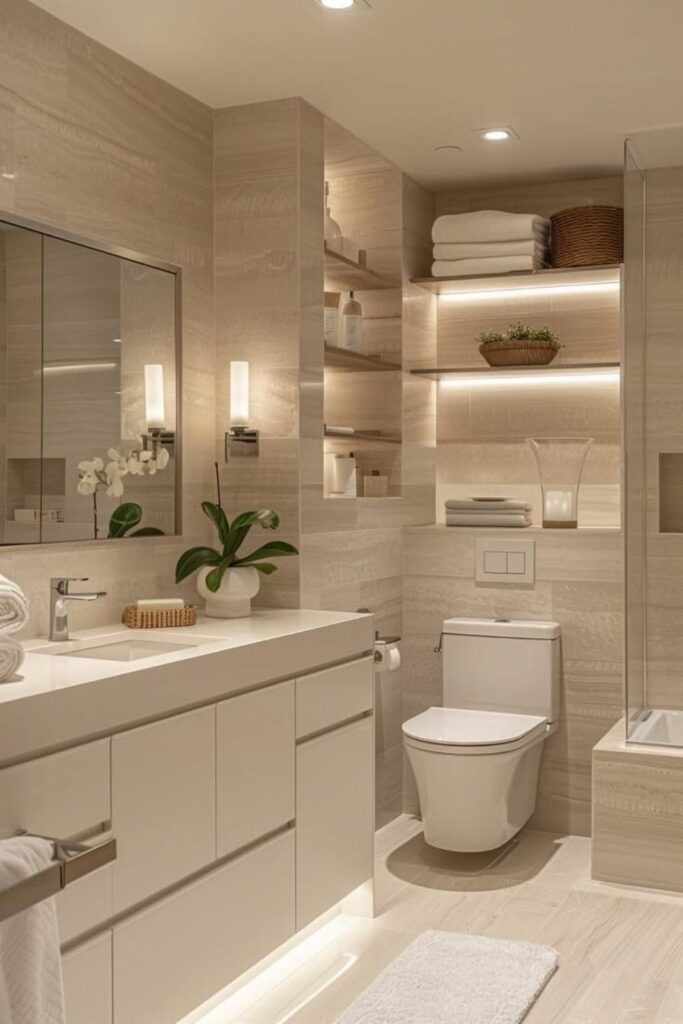
With so many styles, colors, and materials on the table, how to choose bathroom tiles can feel overwhelming fast. Breaking the decision into a few clear categories makes it far more manageable.
Best Tile Size for Bathrooms
Tile size for small bathrooms generally favors larger formats, as covered earlier, since fewer grout lines create a more spacious feel. In bigger bathrooms, you have more freedom to mix tile sizes, perhaps a large-format floor paired with smaller mosaic accents in the shower, without the room feeling cramped or busy.
Best Tile Material
Best tile material for bathrooms usually comes down to porcelain for most homeowners, thanks to its durability, water resistance, and relatively low price point. Natural stone and zellige offer more visual drama but ask for more maintenance in return. Weighing your budget against how much upkeep you genuinely want to commit to is the real deciding factor here.
Gloss vs Matte Bathroom Tiles
Matte vs glossy bathroom tiles is one of the most common questions in any renovation. Glossy tile reflects light, which helps brighten small or dark bathrooms, but it can also show water spots and smudges more readily. Matte tile hides daily wear better and gives a softer, more contemporary look, though it can sometimes feel a touch less luminous in a room without much natural light.
Many designers now split the difference, choosing glossy tile for walls to maximize brightness, and matte tile for floors, where slip resistance and smudge-hiding matter more.
Slip-Resistant Bathroom Tiles
Slip-resistant bathroom tiles are essential for floor and shower floor applications, full stop. Textured porcelain, smaller mosaic and penny tile, and honed natural stone all offer better grip underfoot than large, glossy tile. Tile slip ratings, often listed as a coefficient of friction or a similar safety standard, are worth checking before you commit, especially for households with young kids or older adults.
Bathroom Tile Layout Patterns
The same tile can look completely different depending on how it’s laid. Bathroom tile layout patterns shape how a room feels, sometimes just as much as the tile color or material itself.
Vertical Stack Pattern
Vertical stacking lines tiles up in straight, tall columns rather than the traditional offset rows. This layout draws the eye upward, making ceilings feel taller and rooms feel more open. It’s become one of the defining layout trends of 2026, especially on shower walls and accent walls.
Brick Bond Pattern
Brick bond, sometimes called running bond, offsets each row of tile by half a tile’s width, just like a traditional brick wall. This is the classic subway tile layout, and it remains a dependable, timeless choice that suits nearly any style of bathroom.
Herringbone Pattern
The herringbone tile layout arranges rectangular tiles in a zigzag, interlocking pattern that creates real movement and texture across a surface. It’s particularly popular on bathroom floors, where it adds a sense of craftsmanship and visual interest that a basic grid simply can’t match.
Herringbone does require more precise cutting during installation, so labor costs typically run a bit higher than with simpler layouts. Many homeowners feel the dramatic visual payoff is worth the extra investment.
Grid Layout Pattern
A straightforward grid, with tiles lined up in even rows and columns, offers the cleanest, most minimal look on this list. It suits modern and simple bathroom designs especially well, letting the tile’s color or texture take center stage without any layout-driven distraction competing for attention.
Bathroom Tile Installation & Cost Guide
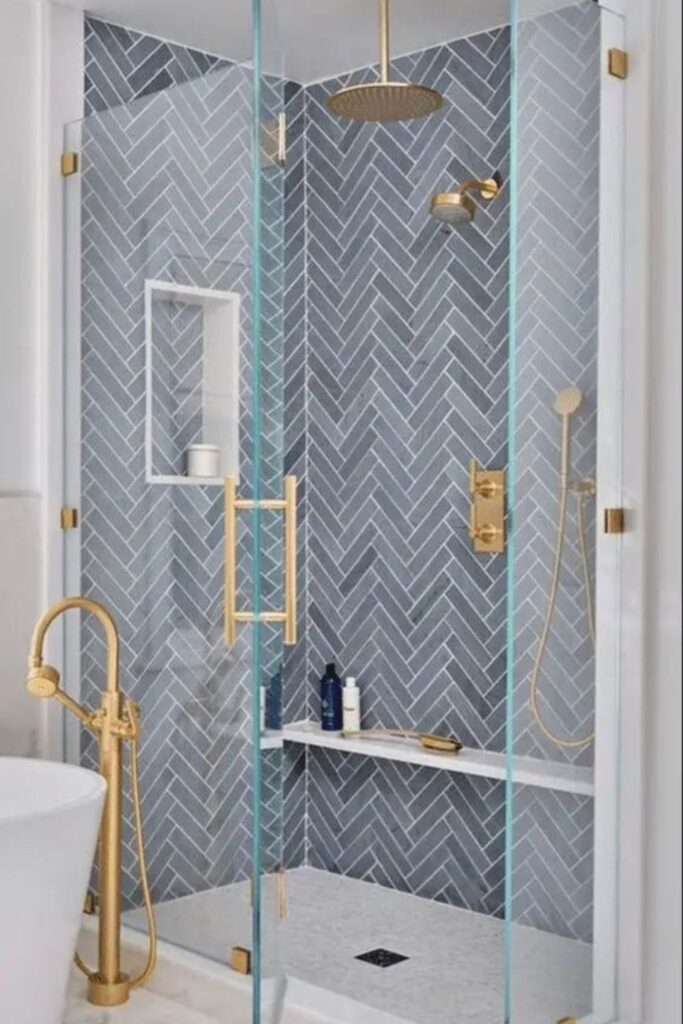
Budget and installation logistics shape nearly every tile decision, so it’s worth understanding both before you fall in love with a specific look.
Average Bathroom Tiling Cost
Bathroom tile installation costs vary widely depending on material, size of the room, and labor rates in your area. Here’s a general breakdown homeowners across the country can expect, though actual quotes will vary by region and contractor.
| Tile Type | Average Cost Per Square Foot (Material Only) | Typical Installation Cost Per Square Foot |
| Ceramic | $1–$5 | $5–$10 |
| Porcelain | $3–$10 | $5–$12 |
| Natural Stone (Marble, Travertine) | $7–$20+ | $10–$20 |
| Zellige | $15–$30+ | $15–$25 |
| Mosaic/Penny | $5–$15 | $10–$20 |
These numbers are general estimates, and actual pricing depends heavily on your location, the complexity of your layout, and whether your project needs extra prep work like leveling or waterproofing.
DIY vs Professional Installation
DIY tile installation can save real money, particularly on simple, large-format floor layouts in a straightforward room. However, showers and wet areas genuinely demand precise waterproofing, since even a small gap or error behind the tile can lead to costly water damage down the line.
Complex patterns, like herringbone or chevron, also call for a skilled, experienced installer, since cutting angles correctly takes real practice. For most bathrooms, a mix often works best: DIY for simple floor areas, and a professional bathroom tile installer for the shower and any intricate pattern work.
Bathroom Tile Maintenance Tips
Bathroom tile maintenance depends heavily on the material you’ve chosen. Porcelain and glass need little more than regular cleaning with a mild, non-abrasive cleaner. Natural stone, by contrast, needs periodic resealing, usually every one to two years, to keep moisture from seeping in and causing long-term damage.
Grout deserves attention too, regardless of tile type. Grout color for bathroom tiles affects how visible dirt becomes over time, and darker grout genuinely hides grime better than white grout in high-traffic areas. Sealing grout annually, and addressing any cracks quickly, prevents water from working its way behind the tile where it can cause real, hidden damage.
Bathroom Tile Mistakes to Avoid
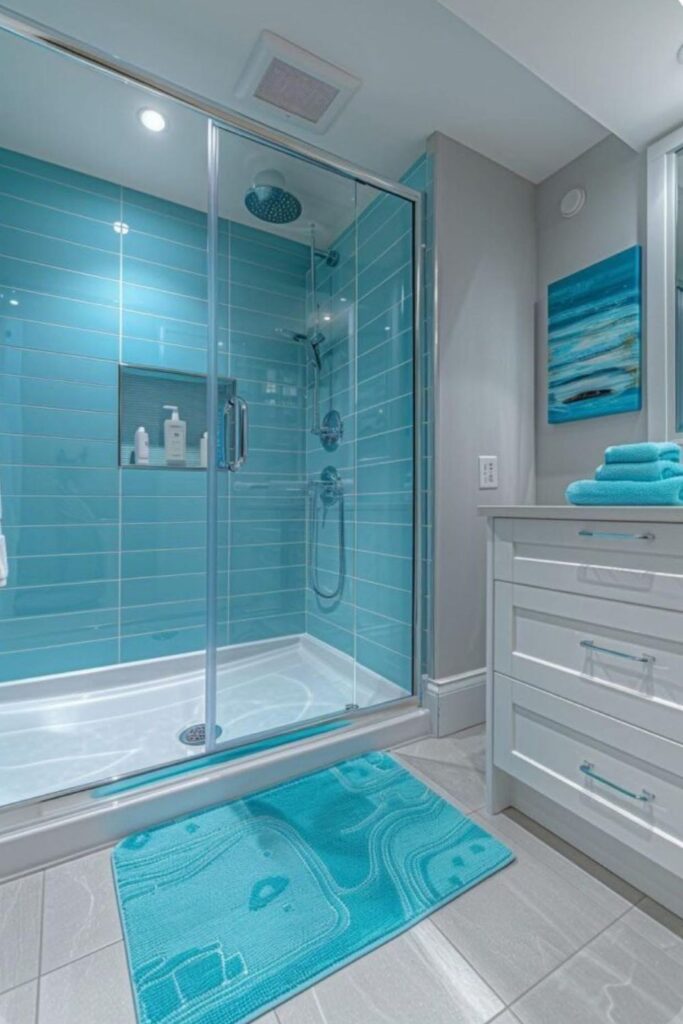
A few avoidable missteps cause more renovation regret than almost anything else, so it’s worth naming them clearly before you start your own project.
Choosing tile based purely on a showroom photo, without ever seeing a physical sample in your own bathroom’s lighting, ranks among the most common errors homeowners make. Light changes color perception dramatically, and a tile that looked warm and inviting under showroom lighting can read cold and flat once it’s actually installed at home. Always order a sample and look at it morning, afternoon, and evening before committing.
Skipping proper waterproofing behind shower tile is another costly mistake, one that often doesn’t reveal itself until months or even years later, when hidden water damage has already done real harm. Mismatching grout color is a smaller but still common misstep too, since the wrong grout can make even a beautiful tile look messy or unfinished.
Overcomplicating a small bathroom with too many competing colors, patterns, and materials rounds out the list of frequent pitfalls. And finally, ignoring slip resistance on shower and bathroom floors isn’t just a style oversight. It’s a genuine safety risk, particularly in households with kids or older family members.
Frequently Asked Questions
What are the best bathroom tile ideas for modern homes?
Best bathroom tile ideas for a modern home usually center on large-format porcelain, neutral colors, and a clean, simple layout like a grid or vertical stack. Textured tile, used sparingly as an accent, adds depth without disrupting the overall sense of calm that modern design relies on.
Which bathroom tile material lasts the longest?
Porcelain generally outlasts most other common materials, thanks to its density and low water absorption. Natural stone, when properly sealed and maintained, can also last for decades, though it does demand more ongoing care than porcelain ever will.
What tile size makes a small bathroom look bigger?
Tile size for small bathrooms matters more than most people expect. Large-format tile, generally 12×24 inches or bigger, reduces grout lines and creates a more continuous, expansive look. Light colors and a vertical stack layout add to this effect even further, stretching the room’s apparent size in both directions.
Conclusion
Choosing the right bathroom tile comes down to balancing style, durability, and budget, and there’s no single correct answer that works for every home or every homeowner. Whether you’re drawn to the timeless calm of simple bathroom tiles design, the handcrafted warmth of zellige, or the bold drama of black tile in a small powder room, the ideas in this guide give you a real, practical starting point for your own bathroom makeover ideas.
Take your time. Order samples. Look at them in your own light, at different times of day, before you commit to anything. The best bathroom tile, in the end, is the one that feels right every single time you walk into the room.