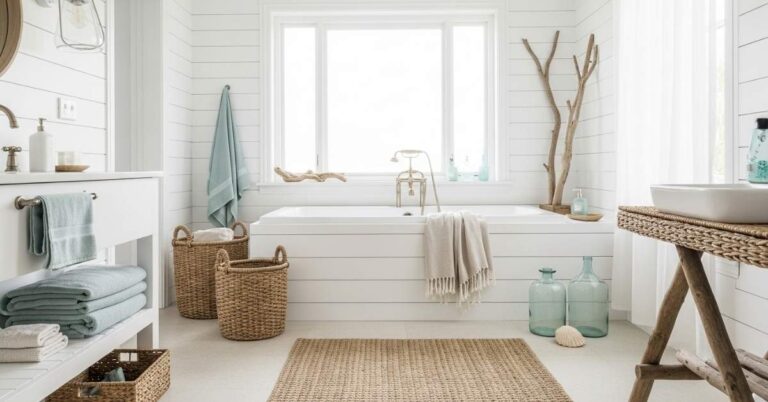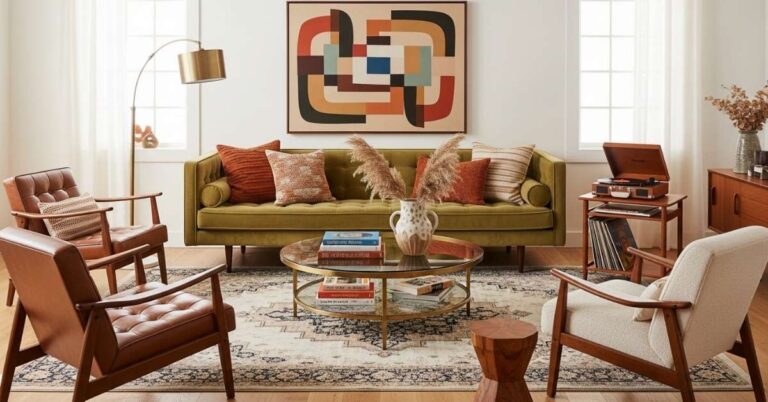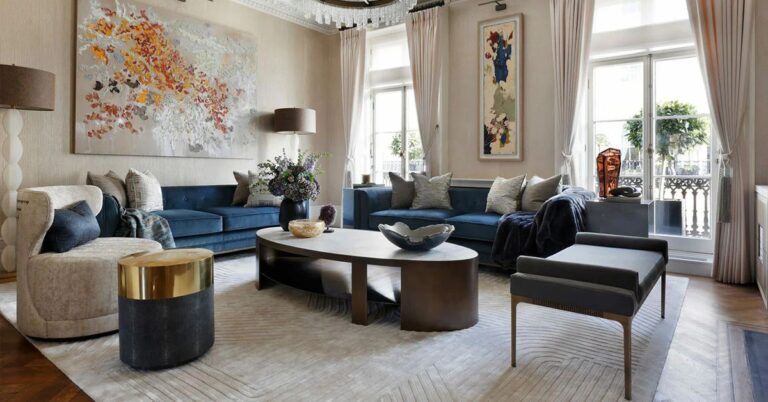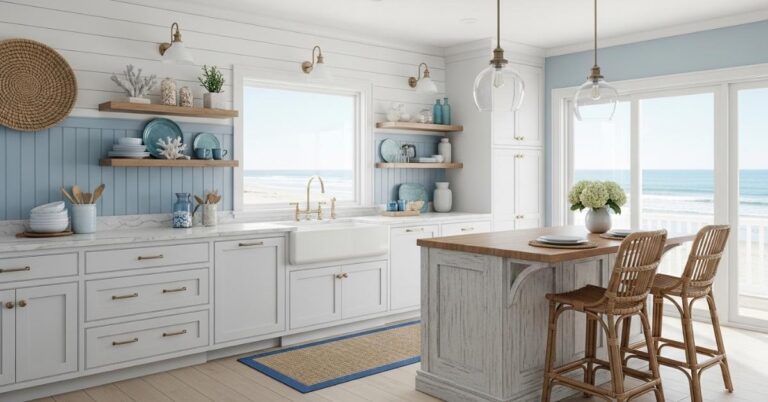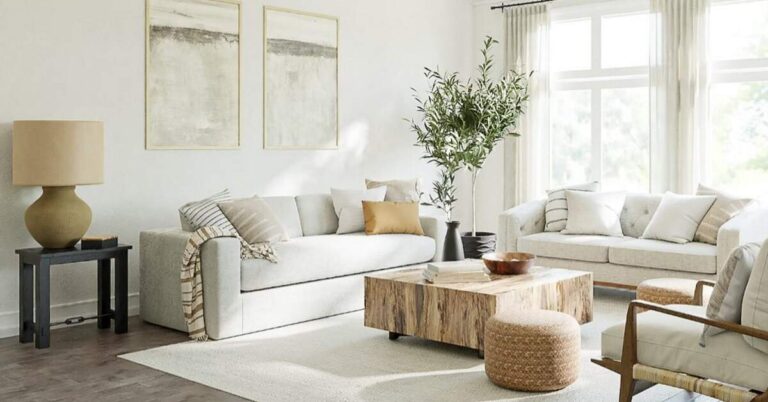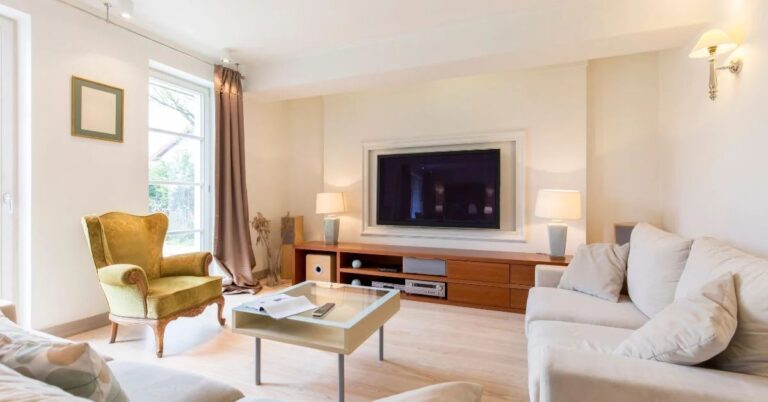
Best Interior Design Trends 2026: The Biggest Home Decor Trends
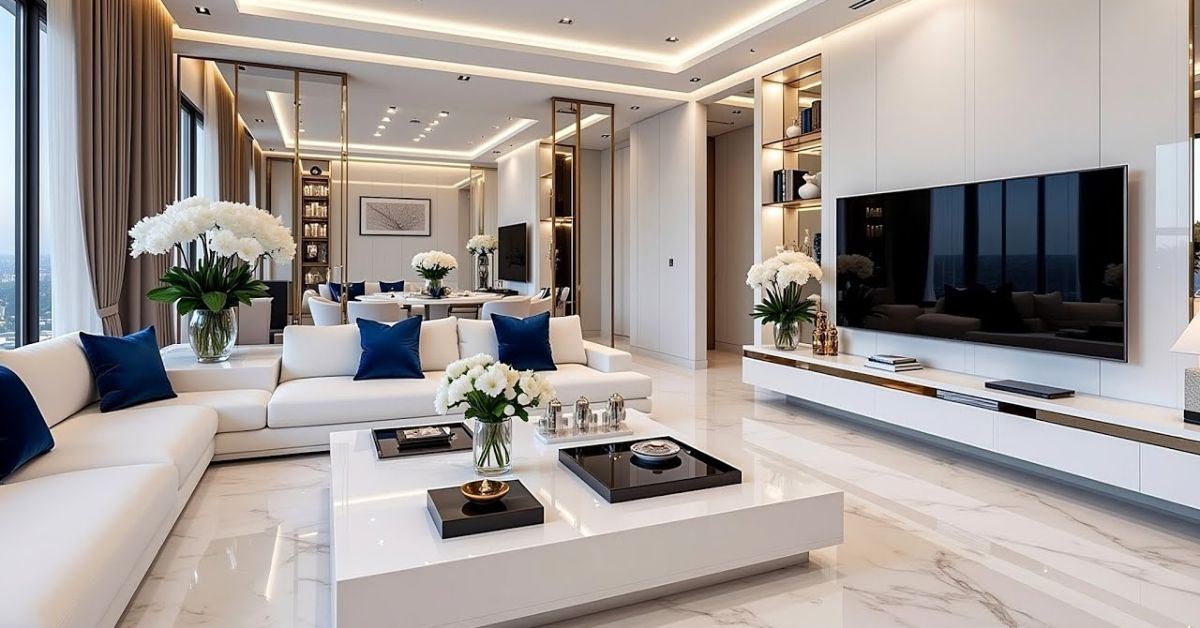
American homes are changing fast. What felt fresh five years ago now feels tired. And what designers are doing today? It’s genuinely exciting. Interior design trends in 2026 aren’t Interior Design Trends just about looks, they’re about how we live. How we rest, connect, breathe, and feel inside our own four walls.
Whether you’re planning a full home makeover or just swapping out throw pillows, knowing the latest home decor trends helps you make smarter choices. This guide covers everything from the boldest color shifts to the quietest design philosophies reshaping residential interiors across the USA. You’ll find room-by-room breakdowns, style explainers, expert predictions, and budget-friendly tips that actually work.
What Are Interior Design Trends?
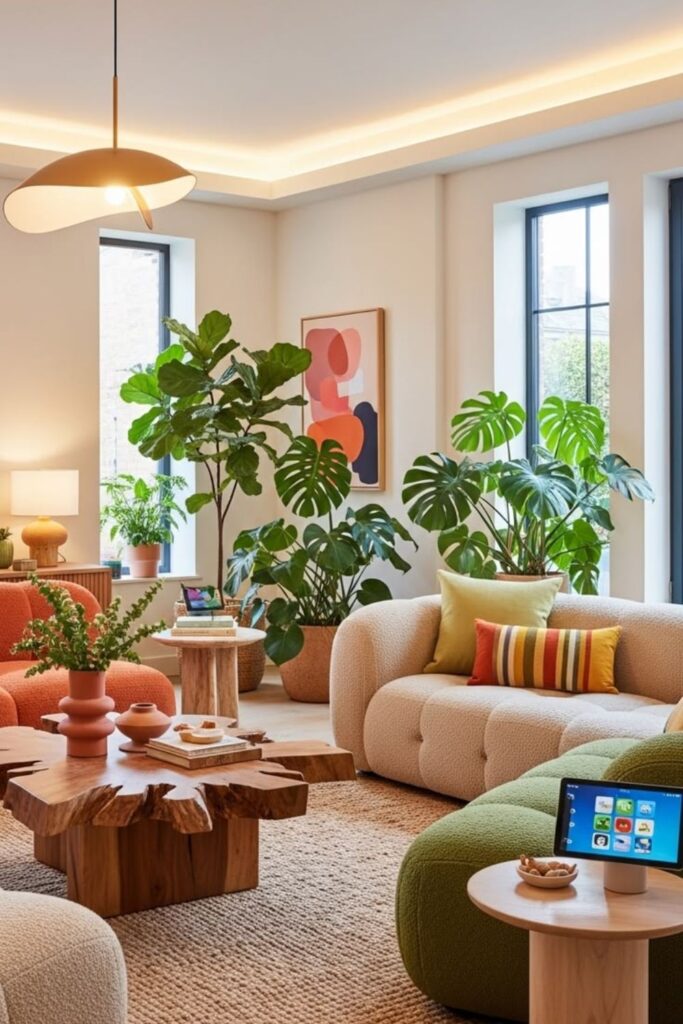
Interior design trends are the collective shifts in how people choose to decorate and style their homes during a particular period. They emerge from a fascinating mix of cultural moments, economic conditions, social media influence, and the creative output of designers, architects, and brands worldwide. Think of them as the design world’s pulse always moving, always responding to what people need and want from their living spaces right now.
Trends don’t appear out of nowhere. They bubble up through platforms like Pinterest, filter through high-end trade shows like Milan Design Week and High Point Market, and then land in mainstream stores within 12 to 24 months. What you see at West Elm or Target today was spotted on a designer’s mood board two years ago. Understanding this cycle helps you invest wisely. Some home decor trends are here for a season. Others like biophilic design or Japandi style are reshaping how we think about interiors for the long haul. The smartest decorators know the difference.
Top Interior Design Trends 2026 You Need to Know
If there’s one word that defines interior design trends 2026, it’s intention. Americans are done decorating impulsively. They want spaces that feel curated, comfortable, and deeply personal. The shift away from sterile, Instagram-perfect interiors is real and it’s driving some of the most exciting home decor trends this country has seen in decades.
Below are the defining trends shaping modern interior design across the USA right now. Each one reflects a broader cultural shift toward warmth, sustainability, wellness, and authenticity.
Livable Luxury
Livable luxury is the trend that’s quietly taken over American homes and it makes complete sense when you think about it. After years of minimalist interiors that looked beautiful but felt cold, people want spaces that are both stunning and genuinely comfortable. Livable luxury means high-quality materials, thoughtful details, and an atmosphere that feels indulgent without being untouchable.
Think bouclé sofas in warm ivory, velvet upholstered chairs in deep jewel tones, and layered textiles that invite you to sink in and stay awhile. Statement lighting plays a huge role here sculptural pendant lights, arched floor lamps, and backlit shelving transform ordinary rooms into spaces that feel considered and rich. The beauty of livable luxury is that it doesn’t require a massive budget. A single well-chosen piece a tufted ottoman, a curved accent chair, a chunky knit throw can shift the entire feeling of a room from flat to fabulous.
Warm Earth Tones & Moody Colors
The all-white era is officially over. Warm earth tones have moved in, and they’re not leaving anytime soon. Terracotta, olive green, burnt sienna, ochre, and clay are dominating everything from wall paint to furniture upholstery to kitchen cabinetry. These colors feel grounding. They connect interiors to the natural world in a way that cool greys and stark whites simply cannot.
Alongside earth tones, moody color palettes are having a serious moment in contemporary interiors. Deep blue, burgundy, chocolate brown, and forest green are showing up in bedrooms, dining rooms, and even bathroom spaces where Americans are increasingly comfortable with drama and depth. The combination of warm neutrals with the occasional rich, moody accent creates an interior that feels layered, sophisticated, and deeply human. If you’ve been afraid of color, 2026 is your year to experiment.
| Color | Best Room | Mood It Creates |
| Terracotta | Living Room, Kitchen | Warm, grounded, earthy |
| Olive Green | Bedroom, Study | Calm, organic, serene |
| Deep Blue | Dining Room, Bathroom | Dramatic, rich, sophisticated |
| Burgundy | Bedroom, Entryway | Bold, cozy, luxurious |
| Chocolate Brown | Living Room, Library | Warm, timeless, elegant |
| Ochre | Kitchen, Accent Walls | Sunny, energetic, inviting |
Color Drenching Continues
Color drenching might be the single boldest interior decorating technique trending in 2026. The idea is simple but powerful: you paint every surface in a room the walls, ceiling, trim, and even built-in furniture in one unified color. The result is an immersive, cocoon-like experience that feels intentional and deeply stylish.
What makes color drenching work so well in modern interior design is how it eliminates visual clutter. When every surface shares the same tone, the eye relaxes. The room feels cohesive. A deep sage green powder room with matching trim, shelving, and ceiling doesn’t look overwhelming it looks like a considered design decision. Try color drenching in smaller rooms first: powder rooms, walk-in closets, laundry rooms, or home offices. These compact spaces deliver maximum visual impact with minimum effort and cost.
Read More About: 61+ Modern Bathroom Ideas To Create A Stylish Spa Like Retreat
Vintage & Sustainable Decorating
Vintage decor and sustainability have become deeply intertwined in 2026, and the pairing makes complete sense. Buying secondhand is the most eco-friendly decorating choice you can make and it also produces the most characterful interiors. No two vintage finds are identical. That one-of-a-kind quality is exactly what sets thoughtfully curated homes apart from spaces filled with mass-produced furniture.
Platforms like Chairish, 1stDibs, Facebook Marketplace, and local estate sales are booming. American homeowners especially Millennials and Gen Z buyers furnishing their first homes are actively choosing sustainable decorating over fast furniture. The appeal goes beyond environmental values. A worn leather armchair with history, a mid-century sideboard with beautiful patina, a handwoven vintage rug these pieces bring soul to a space that no flatpack shelf can replicate. Pair them with thoughtfully chosen organic textures and natural materials, and you’ve got an interior that feels genuinely alive.
Slow Design & Mindful Living
Slow design is the antidote to disposable decorating culture. It’s a philosophy rooted in mindful living the idea that your home should be filled only with things you truly love, things built to last, and things that serve a real purpose in your daily life. It pushes back against the impulse to buy trending pieces impulsively and replace them a year later when the next wave hits.
In practical terms, slow design means buying fewer, better pieces. It means choosing a handcrafted ceramic lamp over a cheap mass-produced alternative. It means living with empty space for a while rather than filling it with something mediocre just to fill it. This approach to interior decorating ideas doesn’t produce rooms that look sparse it produces rooms that feel intentional. Every object earns its place. And when you walk into a space designed this way, you feel it immediately.
Biophilic Design
Biophilic design is one of the most important interior design trends of this decade not just of 2026. It’s based on a fundamental human truth: we feel better when we’re connected to nature. Biophilic design brings the outdoors in through living plants, natural light, organic textures, water features, raw wood, stone surfaces, and earthy color palettes.
The science behind this trend is compelling. Studies consistently show that biophilic design elements reduce stress, lower blood pressure, improve focus, and enhance overall mood. That’s why you’re seeing it everywhere in residential interiors from corporate offices converting to plant-filled open spaces to homeowners installing living walls in their living rooms. If you’re new to biophilic design, start simply: add a cluster of low-maintenance indoor plants, swap synthetic rugs for natural jute or sisal, and maximize every available source of natural light. The impact is immediate and measurable.
Wallpaper Everywhere
Wallpaper is back and it’s bigger, bolder, and more confident than ever. After decades of painted walls dominating American home styling, wallpaper trends in 2026 are pushing into every corner of the home. We’re talking ceilings, closets, laundry rooms, stair risers, and powder rooms. Textured walls created through grasscloth, linen-effect, and embossed wallpapers are adding depth and dimension that paint simply can’t match.
The patterns making the biggest waves right now include oversized botanicals, abstract painterly prints, rich damasks, and architectural geometric designs. Peel-and-stick wallpaper has been a genuine game-changer for renters and budget-conscious decorators the quality has improved dramatically and the designs rival traditional options. If you’ve never tried wallpaper before, a powder room or bedroom accent wall is the perfect low-risk starting point. Commit to the pattern. Go bold. This is one home decor trend that rewards confidence.
Dark Wood Returns
Blonde wood and whitewashed finishes had their moment. Now dark wood is back and it looks extraordinary. Walnut, mahogany, ebonized oak, and rich teak are showing up in dining tables, bedroom furniture, built-in shelving, and kitchen cabinetry across American homes. The depth and warmth these materials bring to a room is unmatched.
What’s interesting about the dark wood revival is how versatile it is across interior design styles. It anchors a mid-century modern living room beautifully. It adds gravitas to a Japandi style bedroom. It brings richness to a Mediterranean style dining room. Pair dark wood furniture with warm plaster walls or earth tones for an interior that feels grounded and timeless. If you’re investing in new furniture in 2026, a solid walnut dining table or a mahogany bed frame are pieces you’ll be proud of for decades.
Read More About: 57+Best Bathroom Decor Ideas to Transform Any Bathroom on Any Budget
Latest Home Decor Trends for Every Room
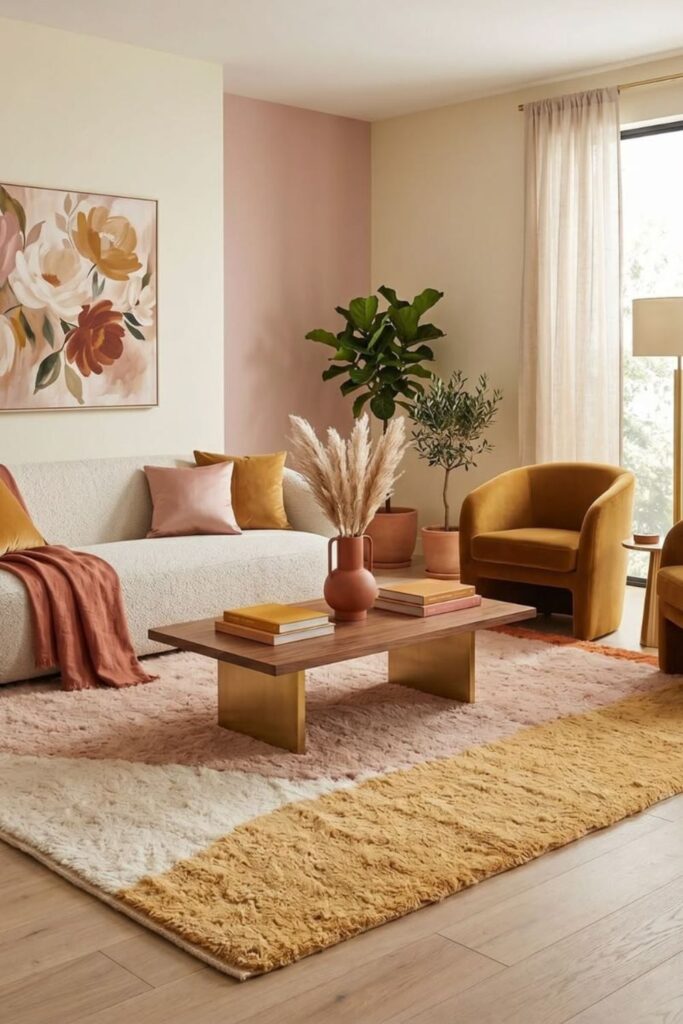
Great interior decorating is room-specific. A trend that transforms a living room might feel out of place in a bathroom. Understanding how current interior design trends apply differently across your home helps you make decisions that work in context not just in theory. Here’s what’s happening in every major room right now.
The most exciting shift in home makeover ideas for 2026 is the move toward treating every room as a designed space not just the ones guests see. Laundry rooms, hallways, home offices, and mudrooms are all getting the interior design treatment. No space is too small or too functional to deserve thoughtful styling.
Living Room Trends
The living room is ground zero for interior design trends 2026. Curved furniture is everywhere rounded sofas, arched armchairs, oval coffee tables, and kidney-shaped ottomans are replacing the hard-edged silhouettes that dominated the previous decade. This softening of form makes living rooms feel more welcoming and more human.
Statement lighting has become non-negotiable in stylish homes across the USA. A sculptural arched floor lamp, an oversized rattan pendant, or a cascading chandelier does more for a living room’s atmosphere than almost any other single design choice. Layered rugs placing a patterned rug over a solid sisal base are adding texture and warmth to hardwood floors. And mixed metal finishes are in: brass combined with matte black, or brushed nickel alongside antique bronze, creates depth that all-matching hardware never could.
Kitchen Design Trends
The all-white kitchen’s reign is definitively over. Colored cabinetry in olive green, navy, deep forest green, and warm terracotta tones is reshaping American kitchens from sterile workspaces into beautiful, inviting rooms. Unlacquered brass hardware which develops a natural patina over time is the dominant finish choice in contemporary design kitchens right now.
Glass-front cabinet doors are replacing open shelving, offering the visual openness of display without the pressure of perfect organization. Waterfall countertops in quartzite, marble, and veined stone continue to anchor luxury kitchen designs. The butler’s pantry revival is one of the most talked-about kitchen design trends of 2026, with homeowners carving out dedicated prep and storage spaces that keep the main kitchen looking clean and uncluttered.
Bathroom Trends
American bathrooms are transforming into genuine retreats. The spa-inspired bathroom trend is driving investment in soaking tubs, steam showers, heated floors, and towel warmers features once reserved for luxury hotels are now standard asks in residential renovation projects. Terrazzo tile with its confetti-like speckled pattern is making a dramatic comeback in bathroom floors and shower walls.
Fluted glass shower screens are replacing clear glass panels, adding privacy while maintaining light flow. The design detail is subtle but the visual impact is significant. Floating vanities with integrated LED lighting are creating the clean, floating aesthetic that makes bathrooms feel larger and more modern. One of the most interesting micro-trends in bathroom design is the deliberate use of dark, bold grout making the grout lines a feature rather than something to minimize.
Bedroom Trends
The bedroom in 2026 is becoming a sanctuary intentionally designed for rest, calm, and genuine disconnection from the digital world. Floor-to-ceiling fabric headboards in bouclé, linen, or velvet are the focal point of choice in modern interior design bedrooms across the country. They add drama, texture, and an undeniable sense of luxury without requiring much floor space.
Tonal bedding in warm neutrals and earth tones layered blankets, textured pillowcases, and heavyweight linen duvets is creating the effortlessly relaxed aesthetic that dominates bedroom design inspiration content online. Canopy beds are making a confident return, reinterpreted in streamlined, contemporary forms that work in modern spaces. And perhaps the most meaningful bedroom trend of 2026: deliberately removing technology. Phone-free bedrooms, intentionally designed reading nooks, and soft ambient lighting are all signs that Americans are investing in genuine rest.
Dining Room Trends
The dining room is reclaiming its identity as a space for real connection. Oval and round dining tables are dominating contemporary interiors they create a natural conversation flow that rectangular tables simply don’t achieve. Japandi style influences are particularly strong in dining room design right now, with clean lines, warm wood tones, and restrained but thoughtful decoration.
Banquette seating is replacing traditional dining chairs in countless American homes, offering built-in storage, a relaxed café atmosphere, and a conversation-friendly layout.
Deliberately mismatched chairs combining different styles around one table is an eclectic style approach that’s fully embraced in stylish homes right now. Linen and velvet upholstered chairs remain the go-to seating choice, offering comfort and visual richness in equal measure.
Outdoor Living & Backyard Trends
Americans are treating their outdoor spaces like interior rooms and the results are spectacular. Full outdoor living setups with weather-resistant sofas, coffee tables, outdoor rugs, and ambient lighting are transforming backyards into year-round destinations. Pergolas with retractable shade sails are replacing traditional covered decks, offering flexibility and a more architectural aesthetic.
Outdoor kitchens have gone from luxury add-ons to mainstream renovation projects across American suburbs. Fire pits remain the most popular gathering feature, extending backyard usability well into cooler months. One of the most refreshing home improvement trends in outdoor spaces is the shift toward native plant landscaping replacing high-maintenance traditional grass lawns with drought-tolerant, locally appropriate plantings that support local ecosystems and dramatically reduce water usage.
Read More About: 37+ Best Bathroom Remodel Ideas to Transform Every Space 2026 Guide
Interior Design Styles Explained
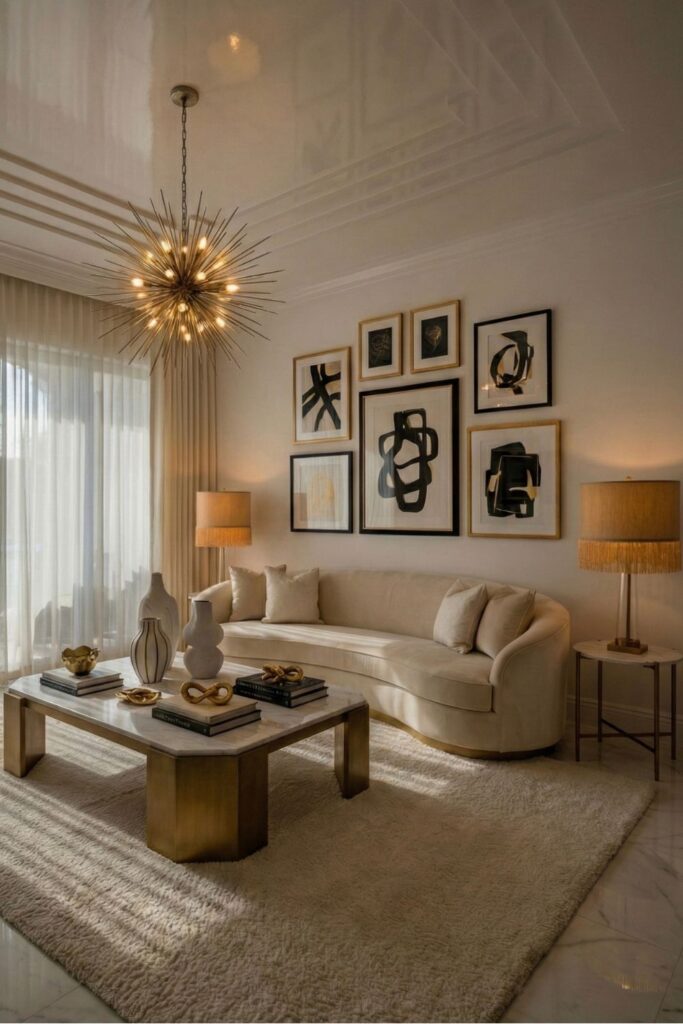
Understanding interior design styles is like learning a visual language. Once you know the vocabulary, you can identify what appeals to you, communicate it to designers or retailers, and make decorating decisions with real confidence. Different interior design styles carry distinct characteristics specific color palettes, furniture silhouettes, material preferences, and decorative philosophies.
The types of interior design styles trending in 2026 span an enormous range from the quiet restraint of minimalist design to the joyful abundance of maximalist design. Most Americans don’t live in purely one style. The most successful personalized interiors blend elements from multiple aesthetics in ways that feel authentic to the people who actually live there.
Types of Interior Design Styles
Here’s a comprehensive look at the dominant interior design styles shaping American homes right now.
Minimalist Design strips away everything non-essential. Clean lines, a restrained color palette, deliberate negative space, and exceptional quality in every chosen piece define this style. In 2026, minimalist design is warming up swapping cold whites for warm neutrals and incorporating more natural textures to make spare spaces feel inviting rather than sterile.
Scandinavian style brings together functionality, natural materials, and the concept of hygge the Danish and Norwegian idea of cozy contentment. Light woods, neutral colors, and simple forms create spaces that feel simultaneously calm and deeply livable. Scandinavian style is merging beautifully with Japanese aesthetics in 2026 to create the enormously popular Japandi style.
Japandi style is perhaps the most influential interior design movement of the past three years. It combines Japanese wabi-sabi the beauty of imperfection and impermanence with Scandinavian style‘s love of clean, functional forms. The result is incredibly serene: low-profile furniture, organic textures, muted palettes, and carefully chosen objects that each carry meaning. It’s one of the top interior design styles in the USA right now.
Mid-century modern design draws from the postwar optimism of the 1950s and 60s. Tapered legs, organic curves, bold geometric patterns, and a celebration of new materials characterize this endlessly appealing style. In 2026, mid-century modern is pairing with warm earth tones and dark wood for a fresher, less museum-piece feel.
Home Decor Trends That Are Going Out of Style
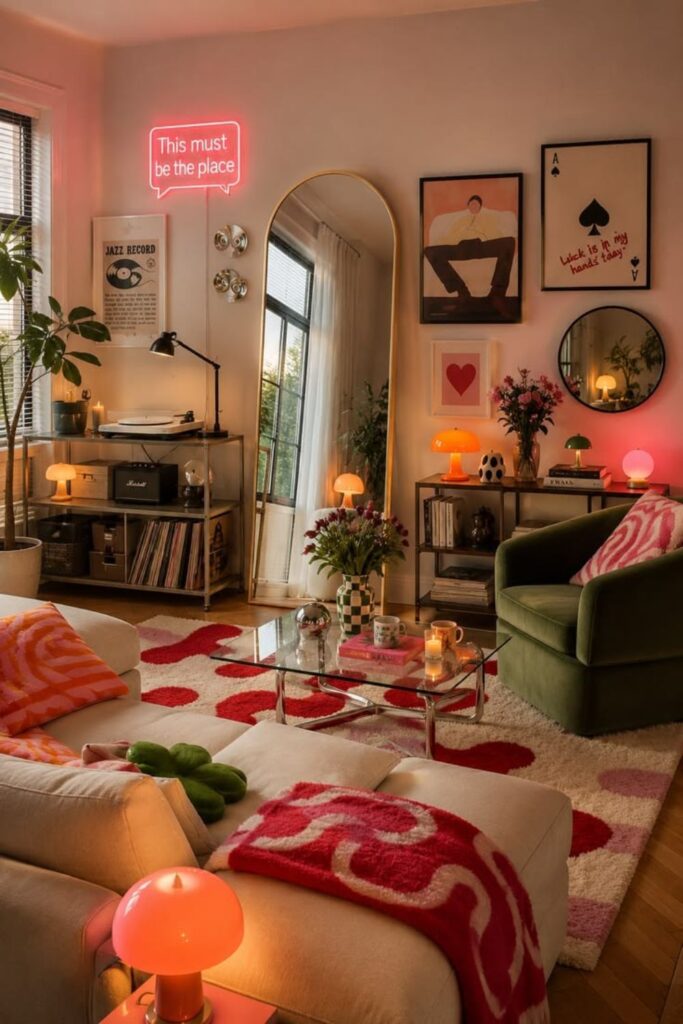
Every conversation about what’s in needs an honest conversation about what’s out. Interior design trends move in cycles and what felt fresh five years ago can now date a room significantly. This isn’t about shame it’s about giving you the context to make smarter choices going forward.
Interior decorating always benefits from knowing when to let go. The most frustrating mistake homeowners make is investing heavily in a trending look at its peak popularity, only to watch it feel dated within a few years. Understanding the full lifecycle of a trend protects your design investment and keeps your home feeling current.
Trends Losing Popularity
The all-white kitchen and living room aesthetic which dominated American home decor trends for the better part of a decade is fading fast. It reads as cold, clinical, and high-maintenance. Shiplap paneling, so strongly associated with the early farmhouse style movement, is being overused in contexts where it simply doesn’t belong. Grey-on-grey moody color palette schemes that were everywhere five years ago now feel flat and uninspired. Industrial pipe shelving, once a fresh industrial style statement, has become so ubiquitous that it reads as generic. And matching furniture sets buying a complete living room or bedroom collection from one manufacturer signal a lack of design confidence that the most stylish homes actively avoid.
What Designers Recommend Instead
Swap all-white surfaces for warm neutrals creamy off-whites, soft linen tones, warm sand. These feel clean without feeling cold. Replace shiplap with textured walls created through limewash paint, venetian plaster, or grasscloth wallpaper. Trade matching furniture sets for a curated mix one strong anchor piece (a quality sofa, a solid wood table) surrounded by complementary items from different sources and periods. Replace flat grey color schemes with warm earth tones terracotta, olive green, and chocolate brown bring the warmth and depth that grey promised but rarely delivered.
Expert Predictions: Interior Design Trends Beyond 2026
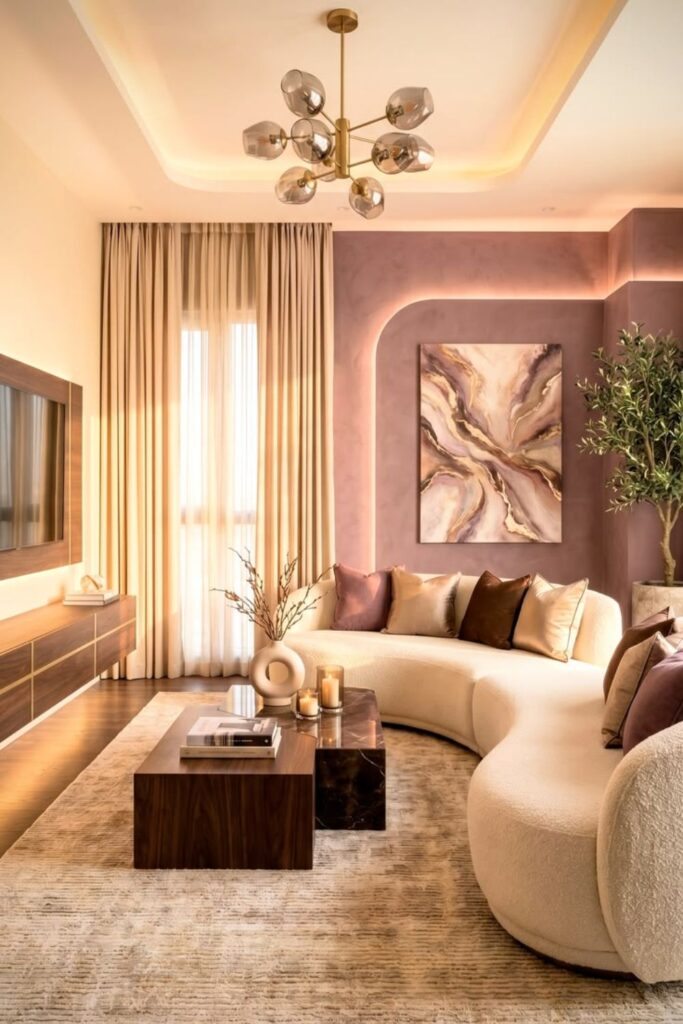
The most forward-thinking designers aren’t just watching what’s popular now they’re tracking the larger cultural, technological, and environmental forces shaping how Americans will want to live in the years ahead. Current interior design trends are just the beginning of a much bigger transformation in how we think about home styling and residential interiors.
Interior design styles will keep evolving as the world changes around them. Climate anxiety, remote work culture, longevity science, and the continued blurring of physical and digital life are all influencing what people need from their homes in ways that go far beyond aesthetics.
Technology & Smart Homes
Smart home technology is becoming seamlessly integrated into interior decorating in ways that are increasingly invisible. The goal is no longer to show off your technology it’s to hide it. Motorized window treatments, wireless charging surfaces built into furniture, hidden screen systems, voice-activated lighting and climate control, and whole-home audio woven discreetly into architecture are all standard features in modern interior design projects.
The most exciting development in this space is the integration of smart home technology with wellness goals. Circadian lighting systems that automatically adjust color temperature throughout the day to support natural sleep cycles are moving from hospital design into residential home improvement projects. Energy monitoring, air quality sensors, and automated climate systems are becoming design features rather than afterthoughts.
AI in Interior Design
AI interior design tools are genuinely changing how Americans approach decorating decisions. Platforms that allow you to upload a photo of your room and virtually try different paint colors, furniture arrangements, and flooring options are democratizing design inspiration in a way that was impossible even five years ago. Tools like Houzz’s AI features, RoomGPT, and a growing ecosystem of space-planning apps are making professional-quality interior decorating ideas accessible to anyone with a smartphone.
The debate about whether AI in interior design threatens human designers misses the point. These tools are removing friction from the decision-making process helping clients articulate what they want, explore options efficiently, and communicate with confidence. Human designers bring something AI cannot: emotional intelligence, cultural nuance, and the ability to understand the unspoken needs of the people they’re designing for. The future of contemporary design involves both.
Wellness-Focused Homes
The connection between home styling and physical and mental health has never been more clearly understood or more actively pursued. Wellness-focused homes are being designed from the inside out with human health as the primary brief.
Low-VOC paints and non-toxic finishes are becoming standard expectations. Air quality monitoring and filtration systems are being built into renovation plans. Acoustic design managing how sound moves through a home is becoming a mainstream home improvement priority.
Dedicated wellness spaces are appearing in American homes across all budget levels: yoga rooms, meditation corners, home spa zones, infrared sauna installations, and cold plunge areas. These aren’t luxury add-ons anymore; they’re considered essential investments in long-term wellbeing.
The “restorative home” concept, where every design decision is evaluated against the question “does this support the health of the people who live here?, is one of the most significant philosophical shifts in interior design styles in a generation.
How to Use Interior Design Trends Without Making Your Home Feel Dated
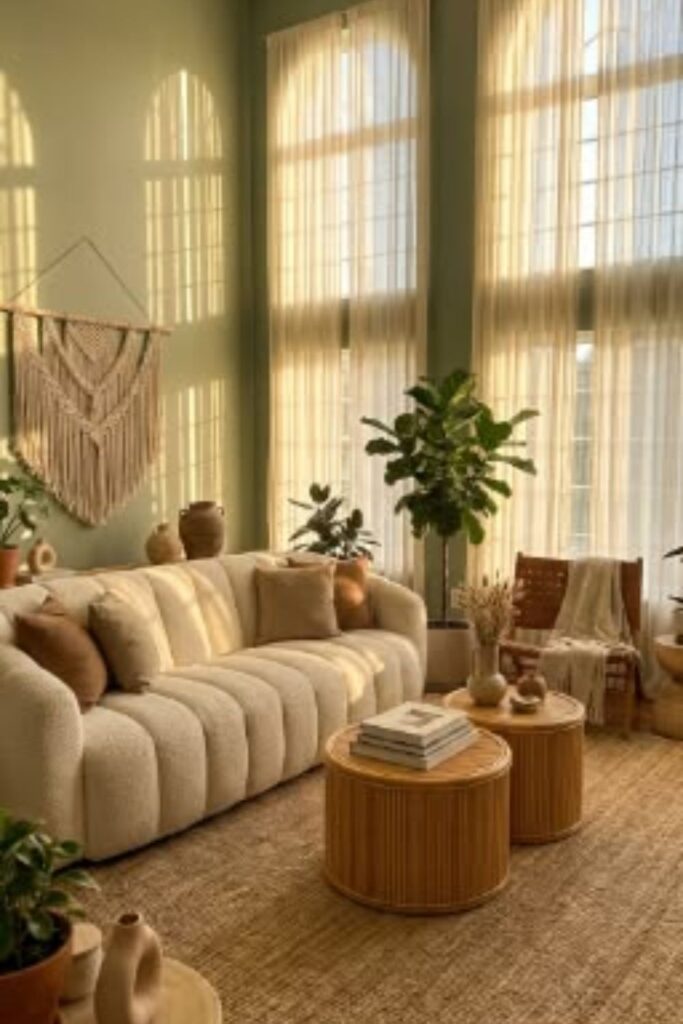
The biggest fear people have about following home decor trends is the very real risk of creating a space that looks painfully dated in three years. It’s a legitimate concern and it’s entirely avoidable with the right approach. The goal is to embrace trends strategically, not wholesale. Think of current interior design trends as seasoning, not the main ingredient.
The smartest interior decorating philosophy for longevity combines timeless foundations with carefully chosen trend-forward accents. Your investment pieces: the sofa, the dining table, the bed frame, the flooring should be chosen for quality, proportion, and timelessness. Your trend moments happen in the accessories, textiles, wall treatments, and decorative objects that can evolve as your tastes change.
Mix Trends With Timeless Pieces
The 80/20 rule is one of the most useful frameworks in home styling. Spend 80% of your budget and energy on timeless, high-quality foundational pieces. Invest the remaining 20% in trend-driven accents that bring freshness and personality. A classic mid-century walnut sofa can absorb terracotta cushions in 2026 and sage green ones in 2028 without ever feeling dated itself. The foundation stays relevant; the accents evolve.
The pieces worth spending on for longevity include your primary sofa, your dining table, your bed frame, quality window treatments, and your flooring. The pieces where trend-following makes sense include throw pillows, blankets, small decorative objects, art, plants, candles, and easily changeable wall treatments like peel-and-stick wallpaper. This approach to interior decorating keeps your home feeling current without requiring constant, expensive overhauls.
Budget-Friendly Trend Updates
You don’t need a designer budget to participate in interior design trends 2026. Some of the most impactful updates you can make to a room cost surprisingly little. Paint is the single highest-value-per-dollar design investment you can make transforming a room with a fresh coat of terracotta or deep blue costs a few hundred dollars and produces dramatic results. Swapping throw pillows and blankets seasonally shifts the entire feel of a living room for under $100.
| Designer Look | Budget-Friendly Alternative | Estimated Savings |
| Custom bouclé sofa | IKEA sofa + bouclé slipcover | Up to $2,000 |
| Terrazzo tile bathroom | Terrazzo-look peel-and-stick tile | Up to $800 |
| Professional limewash walls | DIY limewash kit | Up to $600 |
| Arched doorway renovation | Arched mirror installation | Up to $1,500 |
| Custom drapery | Ready-made linen panels, hemmed | Up to $400 |
| Walnut dining table | Walnut-veneer table, solid legs | Up to $1,200 |
Designer Tips for Small Spaces
Small spaces don’t have to miss out on interior design trends; they just need thoughtful adaptation. Mirrors remain the most powerful tool in a small-space decorator’s arsenal: a large, well-placed mirror doubles perceived space and amplifies natural light simultaneously. Multifunctional furniture storage ottomans, murphy beds, extendable dining tables, and nesting side tables keeps small rooms from feeling overwhelmed by too many pieces.
Vertical design is consistently underused in small American homes. Draw the eye upward by hanging curtains close to the ceiling rather than at window height, installing tall bookshelves, and choosing art pieces that have vertical rather than horizontal orientation. Warm neutral palettes make small rooms feel cozy rather than cramped. And always, always edit ruthlessly: in a small space, every single object must earn its place.
Home Decor Trends News & Industry Forecast
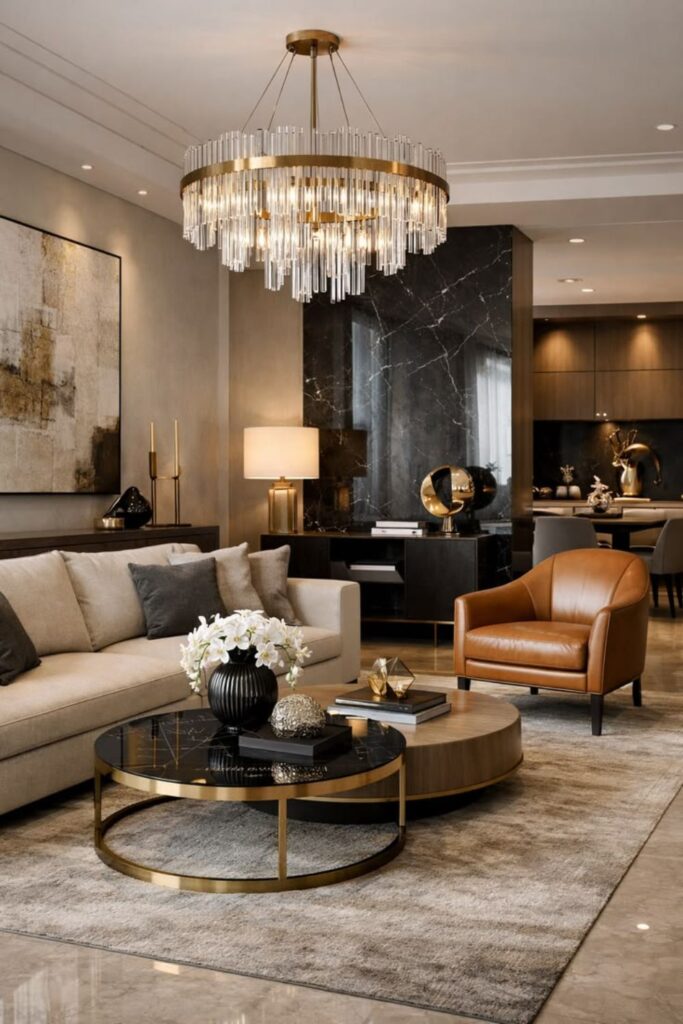
The interior design industry has sophisticated mechanisms for predicting and tracking home decor trends. Understanding where these forecasts come from and how to read them gives you a meaningful advantage as a consumer. The organizations and platforms that publish trend forecasts do so based on real data: search behavior, purchase patterns, social media engagement, and direct feedback from the designers working at the cutting edge of contemporary interiors.
Home styling doesn’t happen in a vacuum. Every interior design trend is a response to something happening in the broader culture: economic conditions, environmental anxieties, technological shifts, generational preference changes, and global events all shape what people want their living spaces to feel like.
Pinterest Trend Forecast
Pinterest is one of the most reliable leading indicators for interior design trends in the USA. The platform’s annual Pinterest Predicts report tracks search behavior across hundreds of millions of users to identify what’s gaining momentum often 12 to 18 months before those trends appear in mainstream retail. For home decor trends 2026, Pinterest data pointed strongly toward biophilic design, color drenching, Mediterranean style, warm earth tones, and the resurgence of wallpaper trends long before they became mainstream conversations.
What makes Pinterest data particularly valuable is its intent-based nature. People on Pinterest aren’t passively scrolling; they’re actively planning and dreaming about future purchases and projects. When search volume for Japandi style or California coastal homes spikes on Pinterest, retailers and designers pay close attention. Following Pinterest’s trend forecasts gives you a meaningful head start on understanding which interior design styles are about to peak.
Color of the Year Highlights
Every major paint brand releases a Color of the Year in the final months of the calendar year, and these announcements carry significant cultural weight. Pantone, Benjamin Moore, Sherwin-Williams, Behr, and PPG all release their choices with substantial supporting research and design rationale. These aren’t random selections they reflect extensive analysis of color trends across fashion, graphic design, product design, and interiors.
For 2026, the dominant themes across these announcements center on warmth, depth, and connection to the natural world. Rich, grounded tones terracotta adjacents, deep greens, warm chocolate brown feature prominently. Understanding the Color of the Year choices doesn’t mean you have to paint your walls in them. More usefully, they signal the broader directional shift in the moody color palette conversation information you can apply across every decorating decision you make.
Designer Insights
The most consistent message emerging from American interior designers heading into the second half of the 2020s is this: design is becoming values-driven. The aesthetic question does this look good? is being joined by deeper questions: Is this sustainable? Does it support my wellbeing? Does it reflect who I actually am? This shift is producing personalized interiors with more genuine character than the aspirational, social-media-optimized spaces that defined the early 2020s.
Designers across the USA are also noting a meaningful shift in client priorities. Quality over quantity. Investment pieces over fast furniture. Meaningful objects over decorative filler. This aligns perfectly with slow design principles and reflects a broader cultural reckoning with consumption and its costs. The most forward-thinking designers are building practices around these values and the interiors they’re producing are genuinely extraordinary.
Frequently Asked Questions
What are interior design trends?
Interior design trends are the evolving preferences and popular styles in home decoration and spatial design during a given period. They emerge from cultural shifts, social media influence, design industry events, and consumer behavior patterns. They can affect everything from color palettes and furniture silhouettes to material choices and overall decorating philosophies. Understanding interior design trends helps homeowners make informed decisions that balance personal taste with broader design relevance.
What is the biggest interior design trend in 2026?
The biggest single interior design trend in 2026 is the shift toward livable luxury a move away from cold, minimalist spaces toward interiors that feel simultaneously beautiful and genuinely comfortable. Alongside this, biophilic design, warm earth tones, and color drenching are defining the year’s most dominant aesthetic conversations. Together, they represent a broader cultural shift toward interiors that prioritize human wellbeing, authenticity, and genuine comfort over performative perfection.
What are the current interior design trends?
The current interior design trends dominating American homes in 2026 include livable luxury, biophilic design, warm earth tones and moody color palettes, color drenching, vintage and sustainable decorating, slow design, bold wallpaper trends, the return of dark wood, and a room-by-room shift toward spa-inspired bathrooms, colorful kitchens, and immersive outdoor living spaces. Stylistically, Japandi style, Mediterranean style, California coastal, and maximalist design are the most influential interior design styles currently shaping how Americans decorate their homes.
Conclusion
Interior design trends 2026 are telling a clear, coherent story one about warmth, intention, sustainability, and a deep desire for homes that genuinely support the lives of the people inside them. The cold, clinical, Instagram-perfect interior is giving way to something far more interesting: living spaces that feel personal, rich with texture and history, and designed with human wellbeing at their center.
Whether you’re drawn to the serene restraint of Japandi style, the sensory richness of Mediterranean style, the joyful abundance of maximalist design, or the grounded warmth of earth tones and biophilic design 2026 gives you extraordinary material to work with. The key is to approach interior decorating with intention. Choose trends that genuinely resonate with how you live. Invest in quality where it counts. Let your home tell your story.
Now which 2026 home decor trend are you most excited to bring into your space? Start with one room. Start with one change. Sometimes the best home makeover ideas begin with a single bold decision.