85+ DIY Home Decor Ideas That Actually Work in Real Rooms
There’s a specific kind of frustration that comes with a space that’s perfectly livable but never quite feels like yours. Everything works the layout, the furniture but the room still has that slightly generic, unfinished quality that no amount of rearranging seems to fix. That’s where DIY home decor earns its place. DIY Home Decor Not the overly crafty, “clear your weekend” kind that solves real problems, awkward walls, rooms that feel either too empty or too cluttered, lighting that’s just slightly off.
If you’re working with a rental, a modest budget, or a space that comes furnished and needs personality this list is for you. These ideas range from genuinely quick afternoon projects to more intentional setups that change how a room feels day-to-day.
In 2026, the shift in DIY home decor is away from fussy, matchy-matchy projects and toward purposeful, flexible setups that work with existing furniture rather than around it. That’s the lens here.
DIY Gallery Wall With Layered Frames and Mixed Art
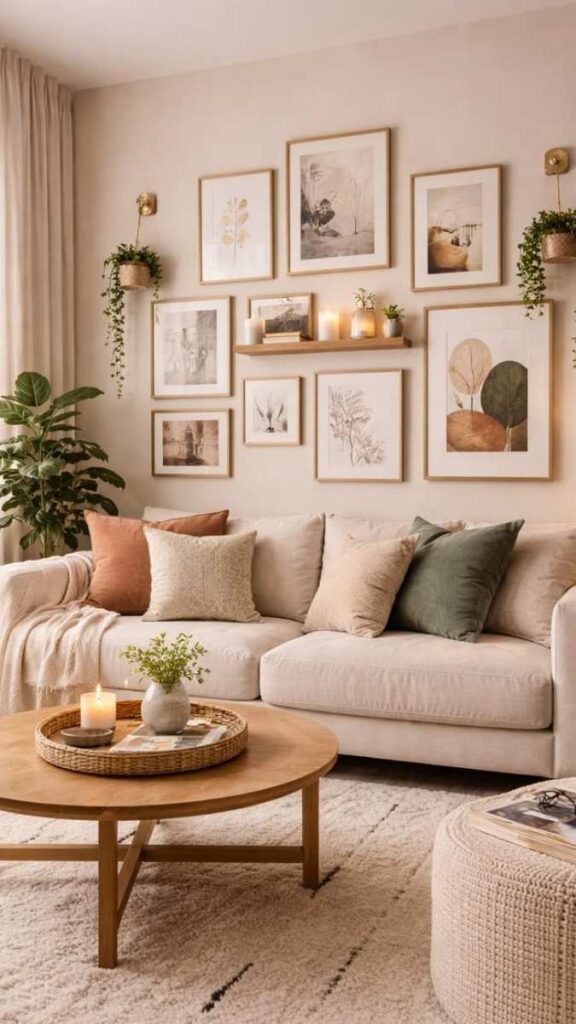
An empty wall behind a sofa is one of the most common layout issues in living rooms and bedrooms alike. The issue isn’t just visual; a blank wall makes the whole side of the room feel unanchored. A gallery wall solves this, but the execution matters more than most tutorials admit.
The key is starting with your largest piece ideally 18″x24″ or bigger and building outward. Use a craft paper template on the floor to test your layout before putting a single nail in the wall. Mix frame finishes (black, natural wood, thin gold) rather than matching them, and vary orientation between portrait and landscape. Add one small mirror to the arrangement; it catches light and prevents the wall from reading as flat. This works especially well in rental apartments where you want the visual impact of built-in shelving without the commitment.
Floating Shelf Styling With a Bookend-and-Negative Space System
Most floating shelves end up either overpacked or bare. The fix isn’t buying more objects, it’s using a bookend-and-breathing-room system where you treat negative space as a deliberate design element. Group three objects of varying heights (a book stack, a small plant, one ceramic piece), leave a visible gap, then add one smaller object alone on the other side of the shelf. The asymmetry makes it look styled rather than stored.
This works on any shelf width from 24″ to 60″. For small bedrooms, two shelves placed at eye level on either side of the bed replace a headboard entirely functional and visually cleaner than most headboard options under $100.
Painted Accent Wall Using Color Blocking No Tape Required
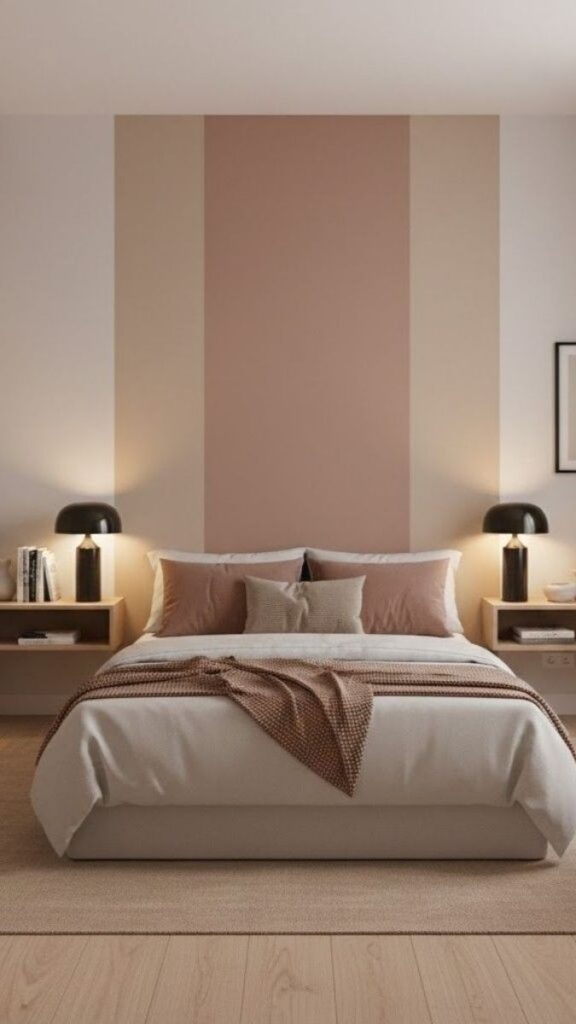
Color blocking painting the lower two-thirds of a wall a deep, saturated color while leaving the upper portion white or cream is one of the highest-impact DIY decor moves for small rooms. It visually lowers a high ceiling, makes a room feel more intimate, and functions as a built-in backdrop for furniture without requiring wallpaper.
You don’t need painter’s tape for a clean line; use a level, a light pencil mark, and an angled brush. In my experience, the most flattering colors for this are warm terracotta, soft sage, and dusty blue all pair well with the warm white above. For renters, this is reversible with two coats of the original wall color. Works especially well in bedrooms and dining areas.
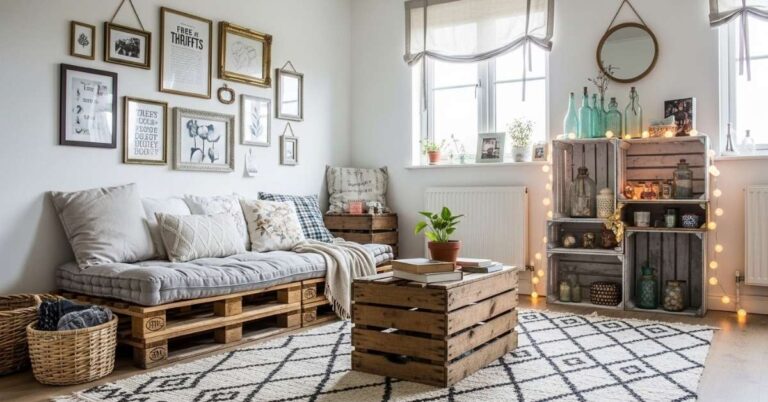
Upcycled Wooden Crates as Modular Bedside Storage
A standard nightstand solves one problem surface area but doesn’t address storage depth. Stacked wooden crates give you both. Place two crates vertically, one on top of the other, with the open face outward on the top crate for accessible storage, and the closed face outward on the bottom for a cleaner look. Sand and seal with a matte wax, or leave raw for a more textural, organic feel.
The surface can hold a lamp, a small tray, and a glass of water without feeling cluttered because the vertical storage below removes the need to stack items. This works best in smaller bedrooms where a traditional nightstand either crowds the walking space or feels oversized for the room.
DIY Linen Roman Shades for Softer Window Light
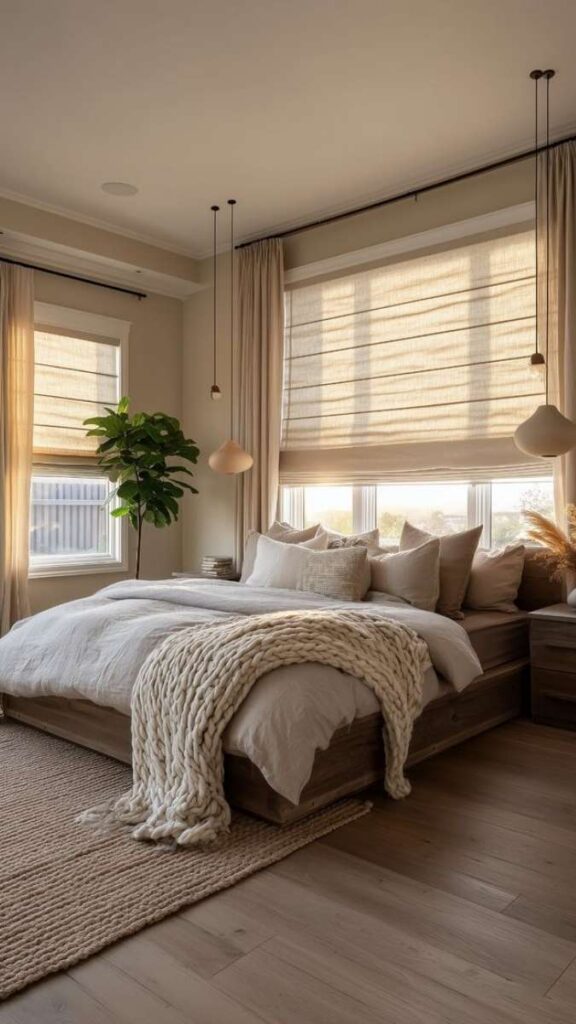
Bare windows or cheap plastic blinds are one of the most noticeable things that make a room feel unfinished. A DIY roman shade in a neutral linen or cotton muslin changes the quality of light in the room, not just the coverage. The fabric diffuses harsh afternoon sunlight into something warmer and more even.
The construction is simpler than it looks: iron-on adhesive tape, wooden dowels at intervals, and a basic mounting bracket. No sewing required. Use 1.5 to 2 times the window width for the fabric to allow soft folding. These work in any room facing south or west where glare is an issue, and the neutral linen reads as elevated against almost any wall color.
Read More About: 83+ Kitchen Counter Organization Ideas That Actually Make Cooking Easier
Macramé Wall Hanging as a Texture Layer in Neutral Rooms
Neutral rooms can veer into feeling flat when every material has a similar weight and finish. Macramé introduces texture without color, which means it won’t fight your existing palette. A large piece roughly 24″ wide and 36″ tall hung above a sofa or in a bedroom corner adds the kind of handmade depth that printed art can’t replicate.
The entry-level knots (square knot and spiral half hitch) are genuinely learnable in an afternoon. Use 5mm single-strand cotton rope for a clean, modern look, or 3mm twisted rope for a more traditional texture. I’ve noticed this style tends to photograph particularly well in warm lamplight, which is part of why it dominates Pinterest but it also works in person, especially in rooms with wood furniture and soft textiles.
DIY Concrete Planters for Low-Maintenance Indoor Greenery
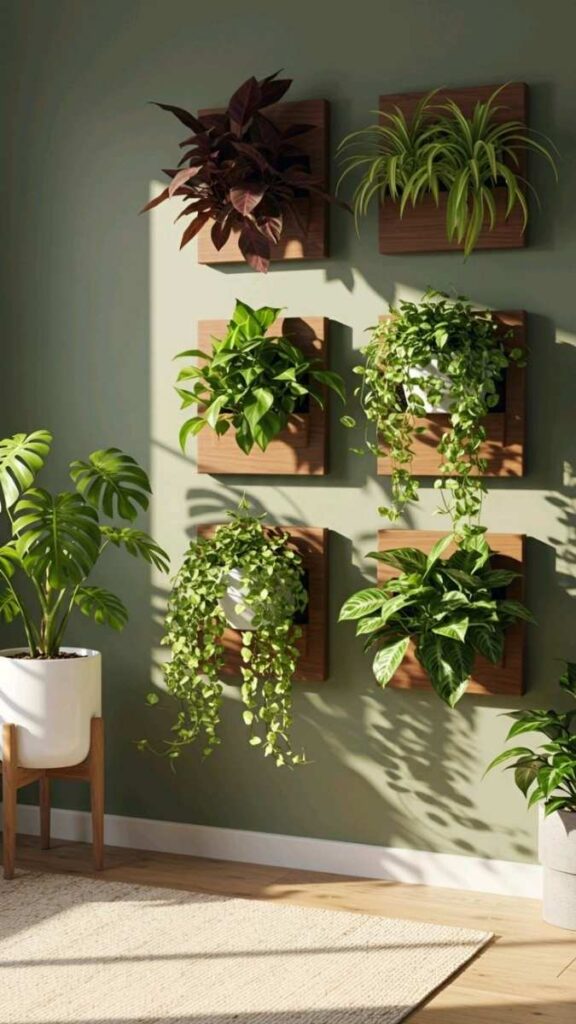
Plants are one of the fastest ways to make a room feel alive, but the pots matter as much as the plants. Plastic nursery pots in a concrete-look planter are a different visual result than actual concrete; the texture reads differently. Making your own is a straightforward mixing bowl, portland cement, perlite, and a mold (plastic cups, cardboard boxes, balloon shapes all work).
The result is a dense, matte, genuinely heavy planter that anchors a windowsill or side table rather than looking like an afterthought. Works best for succulents, snake plants, and other drought-tolerant varieties where the planter becomes part of the composition, not just the container. These are particularly effective in kitchens and bathrooms where the room lacks texture.
Repurposed Ladder as a Blanket and Textile Display
A leaning ladder in a living room corner solves two things simultaneously: it displays throws and blankets in a way that’s accessible but not cluttered, and it adds a vertical element to a corner that would otherwise feel dead. Use an old wooden ladder (paint it or sand it down depending on the wood condition) or build a simple A-frame from 2×2 lumber cut to 72″ lengths.
The display works best with two to three blankets of varying textures: a chunky knit, a woven cotton, and a faux fur or fleece draped at different heights on the rungs. Don’t fold them too neatly; loose draping is part of the visual. This is one I’d actually recommend trying first because the installation takes under 20 minutes and the impact on a cold, bare corner is immediate.
Read More About: 82+ Japandi Bathroom Design Ideas That Make Small Spaces Feel Calm and Intentional
DIY Pegboard Organization Wall in Home Offices and Kitchens
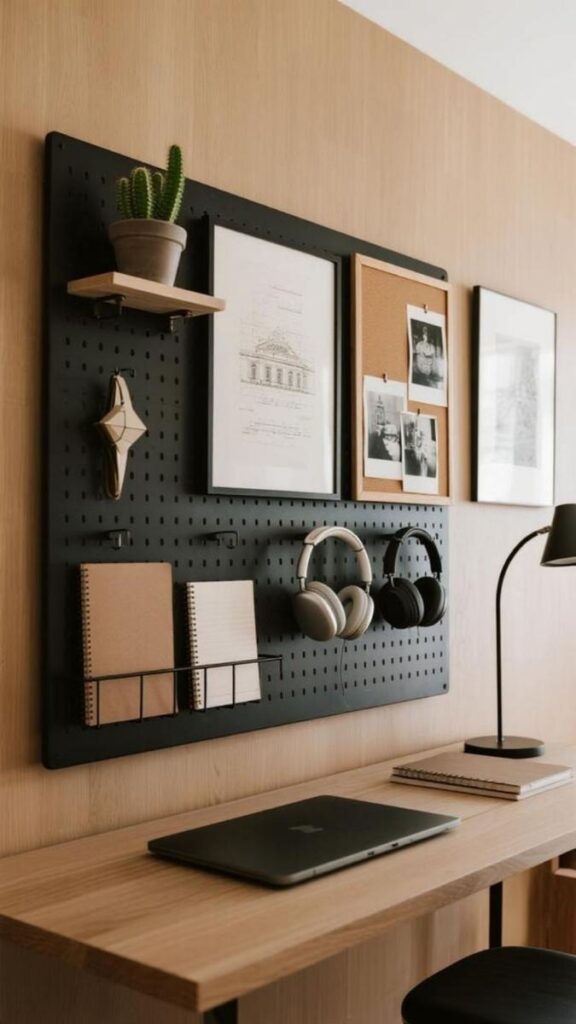
A pegboard wall is one of the few DIY projects that solves a functional problem storage while also being visually interesting. The key is treating the pegboard as a design surface, not just a utility board. Paint it to match or contrast your wall color, use uniform hooks (metal, not plastic), and limit the accessories to one color family.
In a home office, it handles desk accessories, charging cables, and small plants without requiring drawer space. In a kitchen, it holds utensils, cutting boards, and small herb planters. Mount it 2″ off the wall with wooden spacers (not directly against the wall) so hooks have room to engage properly. This works especially well in studio apartments where one wall needs to do double duty as a workspace and storage solution.
Framed Fabric as Budget Wall Art in Rented Spaces
Large-format art is expensive. Framed fabric isn’t. Fabric stores, vintage shops, and even fabric remnant bins carry textured, printed, and woven materials that in a large frame read as intentional art at a fraction of the cost. An IKEA RIBBA frame in the 24×32″ size, combined with a piece of printed block linen or geometric cotton, looks nothing like a budget solution when hung on the right wall.
Choose fabric with at least some organic texture or visual interest; a flat, uniform print loses impact at scale. Secure it over mat board or foam core with a staple gun on the back. This is especially useful for renters who need a large, high-impact wall piece they can take with them when they move.
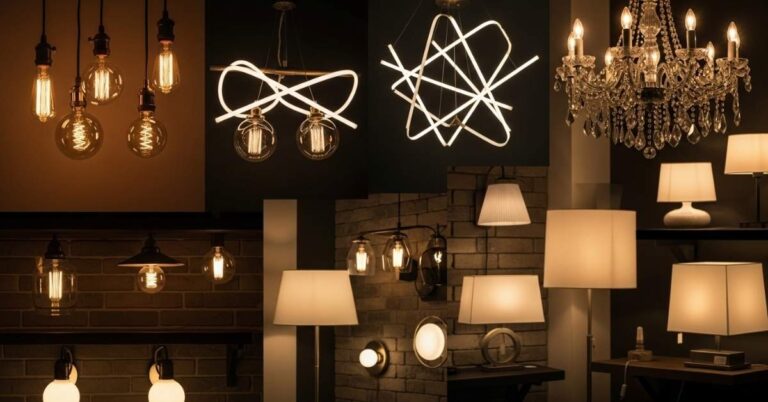
DIY Rope Pendant Light for Low Ceilings
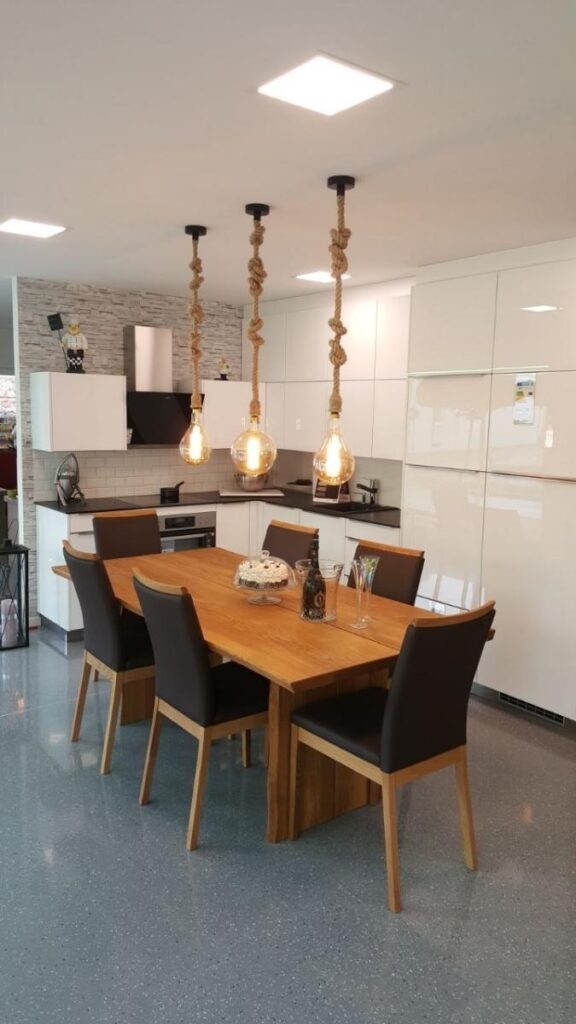
A bare bulb or a flat flush-mount fixture is one of the most overlooked reasons a room feels flat. Pendant lights draw the eye upward and define zones particularly important in open-plan layouts where the dining area needs visual separation from the living space. A DIY rope pendant is one of the more achievable electrical DIY projects; it requires a pendant cord kit, a vintage-style Edison bulb, and a jute or cotton rope for wrapping.
The rope wrapping is the design element; it adds warmth and texture that a bare cord lacks, and it complements wood, rattan, and natural fiber furniture naturally. Hang it low over a dining table. The bottom of the shade should be about 30″ above the table surface for the most intimate, functional light.
Woven Jute Rug Layered Over a Flat Weave Base Rug
Single rugs in small-to-medium rooms often look like they’re floating, not quite large enough to anchor the furniture, not quite small enough to work as an accent. Layering rugs solves this without buying a larger rug. A flat-weave base rug (low pile, easy to vacuum) in a neutral tone, with a smaller jute or natural fiber rug layered on top, creates visual depth and defines the seating area more clearly than one rug alone.
The base rug should extend at least 12-18″ beyond the sofa on each side. The top layer sits centered, usually under the coffee table. This works well in living rooms, bedroom seating areas, and home office setups where the hard floor feels too cold or visually bare.
Milk Paint Furniture Refresh Without Stripping
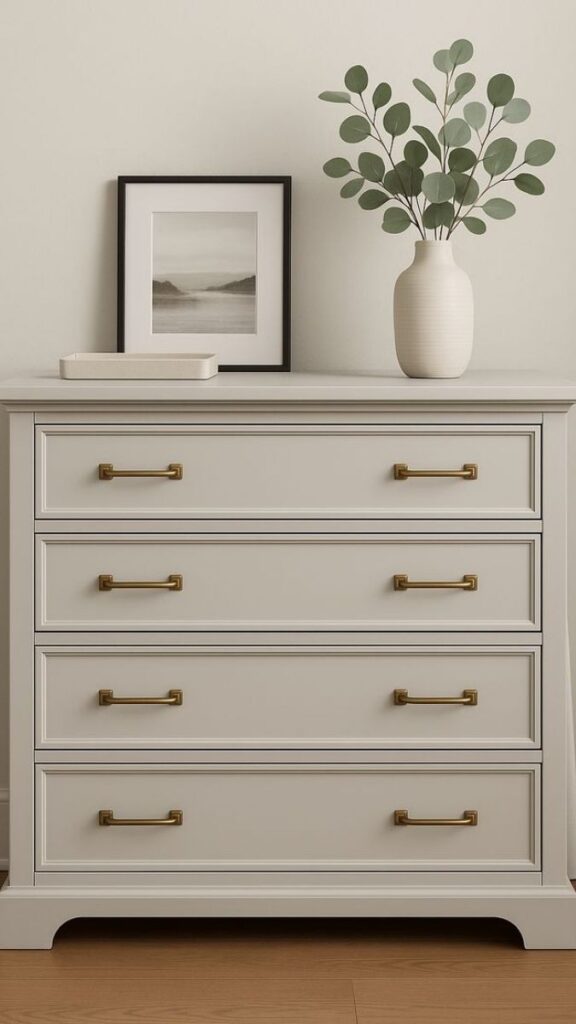
Most people assume painting furniture requires stripping, priming, and sanding down to raw wood. Milk paint, specifically, was designed to bond to porous surfaces without stripping applied to a raw or lightly sanded piece, it bites into the material without primer. The matte, slightly chalky finish it leaves is closer to vintage European furniture than any spray paint or latex alternative.
Apply two coats with a natural-bristle brush, let it dry fully between coats (two hours minimum), and seal with a furniture wax or matte topcoat. The slight imperfection in the finish, slight variation in coverage, occasional crackling is part of the aesthetic, not a flaw. Works particularly well on solid wood dressers, side tables, and kitchen chairs.
DIY Bookshelf Styling Using the “Rule of Three” and Color Grouping
An unstyled bookshelf just books shoved horizontally is one of the easiest things to fix without spending anything. The rule of three applies here practically: group books, objects, or plants in odd numbers (three, five) and vary the heights within each group. Leave at least one shelf with some open space overcrowded shelves read as clutter regardless of what’s on them.
Color-blocking books (grouping by spine color rather than title or author) turns a functional storage piece into a visual element. Mix in plants trailing pothos or small succulents and one or two objects (a candle, a small sculpture, a framed photo) per section. The balance between books and non-book objects is what separates styled shelves from storage.
DIY Terrarium as a Low-Maintenance Centerpiece
A terrarium is one of the few DIY projects that genuinely looks better over time as plants fill in and the micro-ecosystem establishes itself, it develops a quality that purchased decor rarely achieves. Use a large glass vessel (an apothecary jar, a fishbowl, or a geometric glass container), layer activated charcoal, potting soil, and moss, and plant low-maintenance varieties like ferns, air plants, or nerve plants.
The scale matters: a terrarium smaller than 8″ diameter tends to look like a novelty rather than a centerpiece. On a dining table, aim for 10-14″ across. This works best in rooms with indirect natural light and high humidity, though air plant terrariums require neither soil nor consistent moisture.
Faux Limewash Paint Effect for Textured Walls Without a Contractor
Limewash walls have taken over in 2026 as the finish of choice for rooms that need warmth and character without bold color. The real version requires a specialty product and some practice, but a convincing DIY version uses diluted matte latex paint (roughly 1 part paint to 2 parts water) applied with a wide natural bristle brush in overlapping, circular strokes before it dries.
Work in small sections (about 3 square feet at a time) and vary your pressure; heavier strokes leave more coverage, lighter ones reveal the base. The result is an organic, uneven finish that reads as plaster or aged paint. Use a warm white or pale clay color over a white base for the most authentic result. This is one of the higher-skill DIY techniques on this list, but the materials cost under $30.
Washi Tape Geometric Wall Pattern for Renters
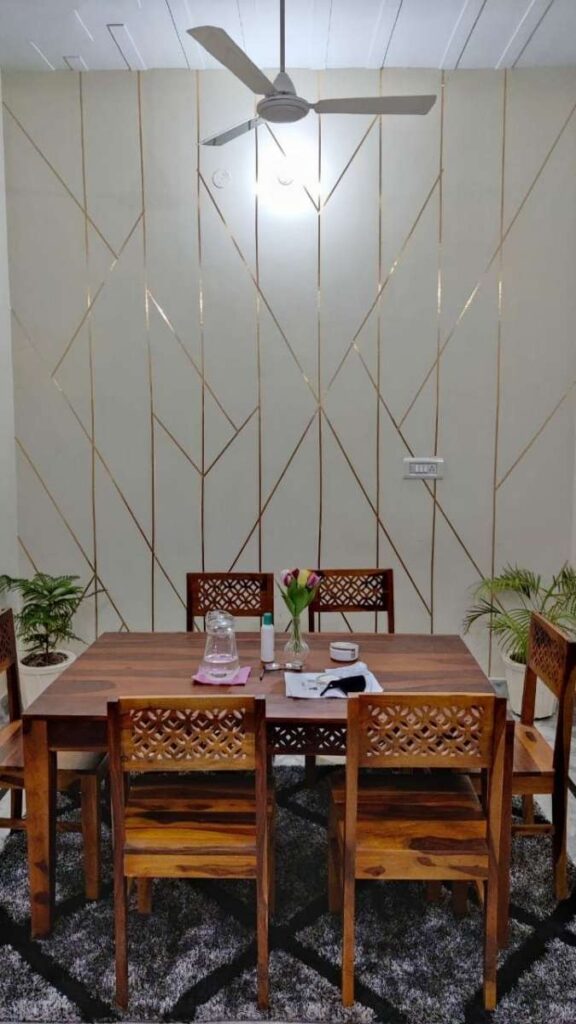
Washi tape has graduated well beyond scrapbooking. For renters who can’t paint, it’s one of the few ways to create a bold wall pattern without permanent commitment and unlike removable wallpaper, it’s repositionable and costs under $20 for a full accent wall treatment.
Use a level, a pencil, and two or three complementary tape widths (5mm, 10mm, and 15mm in the same color family) to create a geometric grid, herringbone, or asymmetric line pattern. Black tape on a white wall is the most graphic option; gold or brass-toned tape on a warm white reads as more editorial. Remove cleanly by pulling at a 45-degree angle with no residue on latex or eggshell paint.
DIY Dried Flower and Pampas Grass Arrangement as a Lasting Display
Fresh flowers are expensive and short-lived; dried flowers are neither. A properly constructed dried arrangement of pampas grass, dried lunaria, cotton stems, dried lavender, and eucalyptus in a tall rattan or ceramic vase holds its visual quality for 12-18 months without watering or light requirements.
The height is what makes these arrangements work as room anchors rather than table accents. A 36″ arrangement in a floor vase fills a corner in a way no potted plant can replicate without the maintenance demands of a real indoor tree. In small apartments, this is particularly useful for filling vertical space in living room corners without adding furniture.
Fabric-Covered Headboard Using Plywood and Foam
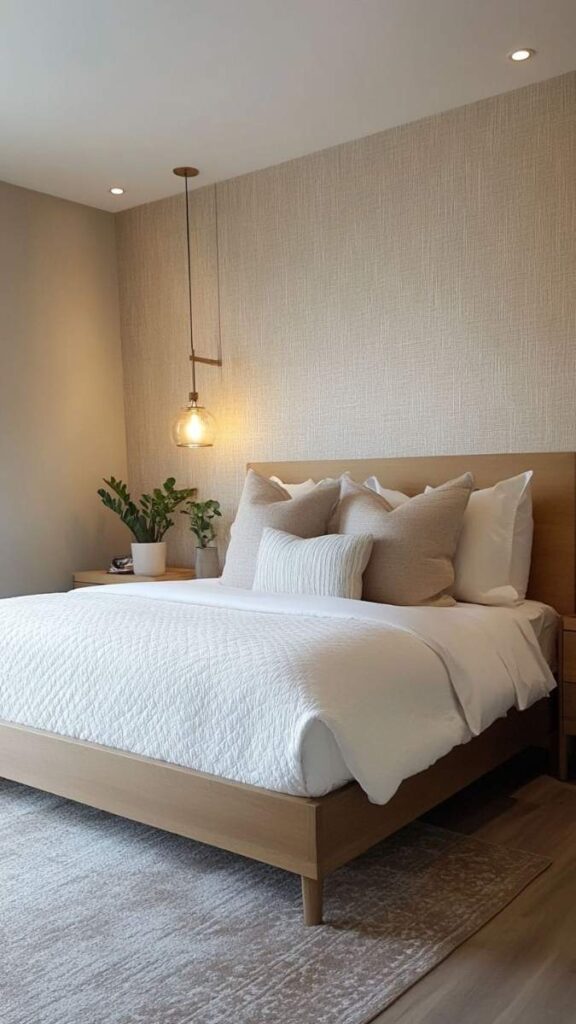
A bedroom without a headboard feels unfinished; the bed floats in the room without a visual anchor. A DIY upholstered headboard requires plywood cut to size (usually 60″x30″ for a queen), a 2″ foam layer cut to match, batting, and your fabric of choice all in. The cost typically runs $60-120 depending on fabric selection.
The fabric selection determines the room’s character more than any other variable linen and cotton reads as calm and minimal; velvet reads as warmer and more layered; a boucle fabric adds texture. Mount with a french cleat for easy removal and repositioning. This is the one DIY project I’d recommend most for renters who want a significant visual upgrade at a fraction of furniture-store pricing.
Vintage Crate or Box Frames as Shadow Box Display Shelves
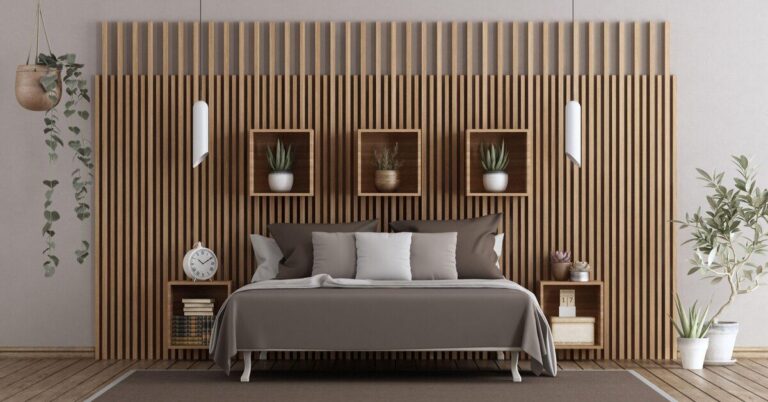
Shadow box shelves open-faced boxes mounted on the wall are a more interesting alternative to standard floating shelves because they contain their contents visually, making even a small display feel curated rather than set on top of a flat surface. Old wine crates, wooden cigar boxes, or DIY plywood boxes stained or painted all work.
Mount in a staggered grid pattern at varying depths for dimensional interest. The contained format naturally limits what you can put inside each box, which prevents the over-styling that makes most shelf displays look cluttered. Works especially well in hallways, home office walls, and above console tables.
Repurposed Vintage Bottles as a Cohesive Vase Collection
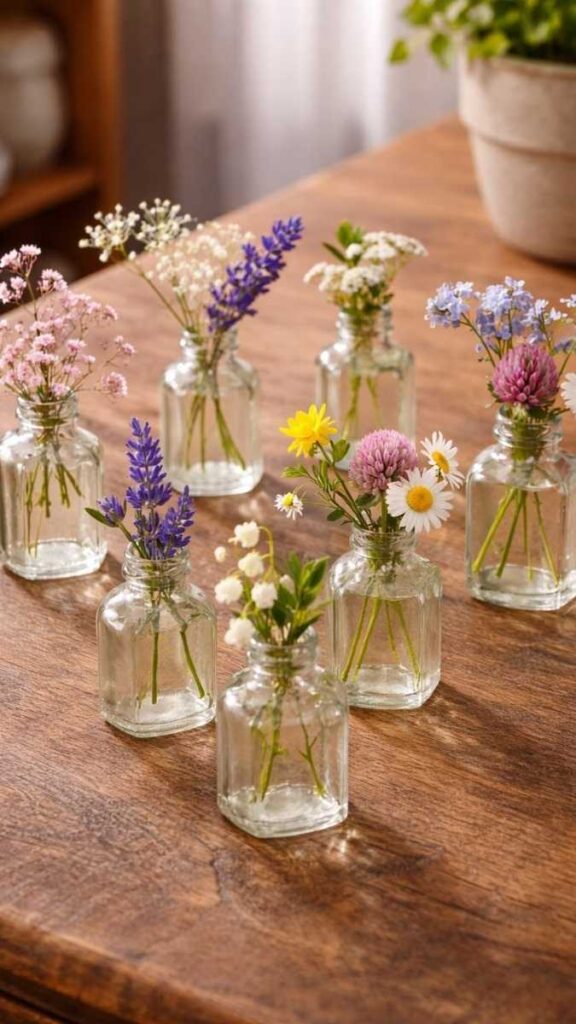
A single flower stem in a cheap vase looks like an afterthought. The same stem in a thick, colored glass vintage bottle looks deliberate. The key is collecting bottles in a consistent color family all amber, all green, all clear but varying heights and shapes. Three to seven bottles grouped closely together, each holding one to three dried or fresh stems, reads as a composed collection rather than random clutter.
Thrift stores, estate sales, and recycling bins are the source here apothecary bottles, old wine bottles, medicine vials, and soda bottles all work. The group creates visual weight that a single vase of the same budget never could. A south-facing windowsill in morning light is the best placement.
DIY Chunky Knit Throw for Textural Layering on Sofas
A sofa without a throw is a sofa that’s just waiting to be used. A throw particularly a chunky, textured knit makes the seating arrangement look lived-in and intentional at the same time. The DIY version, arm-knitted from jumbo merino or T-shirt yarn, takes three to four hours and costs $40-70 in materials.
The technique (arm knitting) doesn’t require needles or prior knitting experience; the loops travel from arm to arm. The resulting fabric is slightly irregular, which adds to the organic quality. A 50″x60″ throw covers the sofa arm and drapes naturally with a single fold. Works in any neutral sofa color, but especially effective on cream, grey, and warm white upholstery where the texture contrast reads most clearly.
DIY Tray Styling for Cohesive Coffee Table Displays
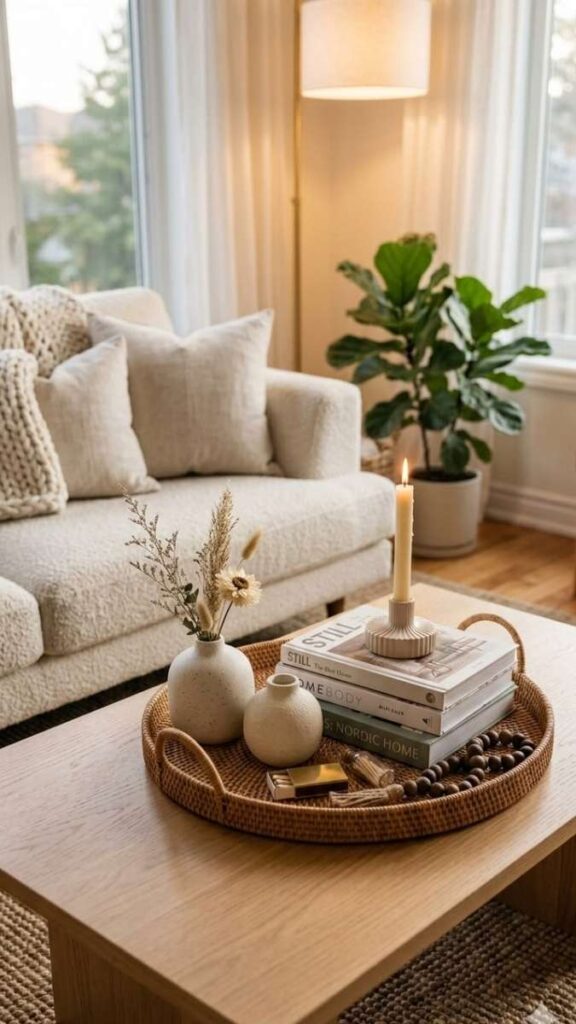
A coffee table with objects scattered across it reads as clutter. The same objects contained in a tray reads as styled. The tray itself is the organizational unit; it gives everything inside it a shared boundary. DIY version: a raw wood tray sanded and sealed, a wooden frame with a tile or fabric base, or even a repurposed cutting board with handles.
The contents follow a simple formula: one tall element (a candle or small vase), one flat element (a book stack or flat decorative object), one organic element (a small plant or dried stem), and one functional element (a coaster or remote). Keeping one corner of the tray empty prevents the display from looking overpacked.
Rope and Wooden Dowel Plant Hangers for Vertical Greenery
Trailing plants in hanging planters solve two layout problems at once: they use vertical space that floor plants can’t reach, and they fill the mid-level zone of a room (between floor-height furniture and the ceiling) that usually goes unaddressed. A DIY rope hanger uses 5mm natural cotton rope, a wooden dowel for the ring, and basic knotting the whole project takes 30-45 minutes per hanger.
Hang three at slightly different heights near a bright window, with trailing varieties (pothos, string of pearls, tradescantia) in ceramic or terracotta pots. The layered effect adds movement and life to a corner that would otherwise be flat. Works in any room with medium to bright indirect light and ceiling hooks.
DIY Wallpaper Accent Panel Behind a Bed or Console
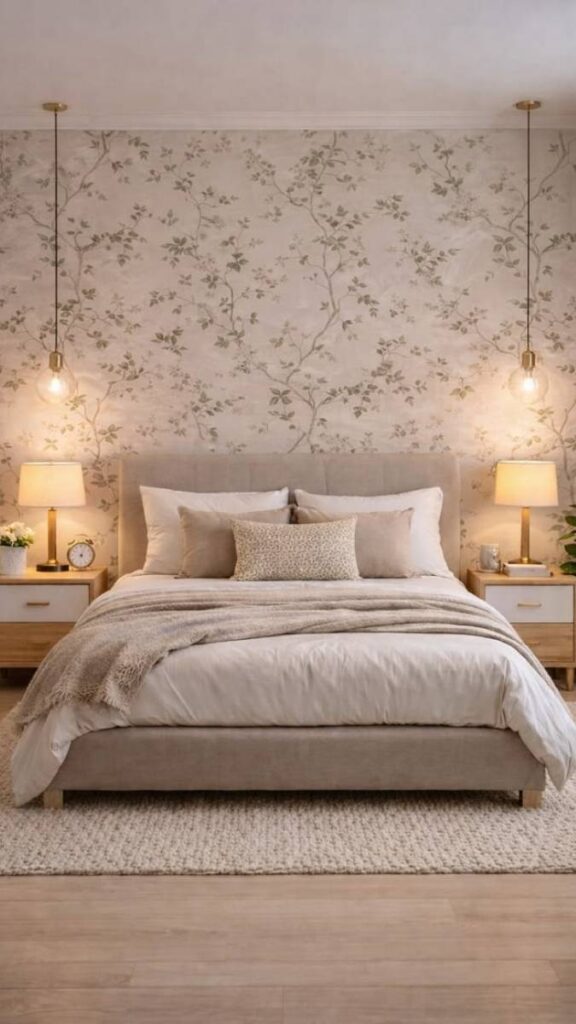
An accent wall is a large commitment. A panel isn’t. Rather than papering an entire wall, measure the width of your bed or console table and apply peel-and-stick wallpaper in a roughly 5-6 foot wide panel centered behind the furniture. The panel becomes a defined backdrop without overwhelming the room.
This is a particularly effective technique in rooms where the other walls have architecture windows, doors, closets that makes a full accent wall impractical. Pattern choices that work well at panel scale large-scale botanical prints, block geometric patterns, and soft abstract designs. Peel-and-stick products come off cleanly from most latex-painted walls, making this the most renter-friendly option on this list.
Read More About: 79+ Japandi Kitchen Design Ideas That Make Small Spaces
Upcycled Picture Frame as a Functional Jewelry or Key Display
An old ornate picture frame the kind you find at thrift stores for $3-8 mounted on the wall with small hooks or wire mesh inside becomes one of the most functional wall pieces you can make. In a hallway, it holds keys. In a bathroom, it displays jewelry. In a closet, it organizes hair tools or accessories.
The contrast between the decorative frame and the utilitarian function is part of the visual interest. Use a staple gun to attach a piece of wire mesh, pegboard material, or even velvet-covered cardboard to the back of the frame opening. For the entryway specifically, this is one of the tidiest approaches to key storage; it reads as decor and solves the “where are my keys” problem simultaneously.
DIY Herringbone Shiplap Accent Wall With Peel-and-Stick Wood Panels
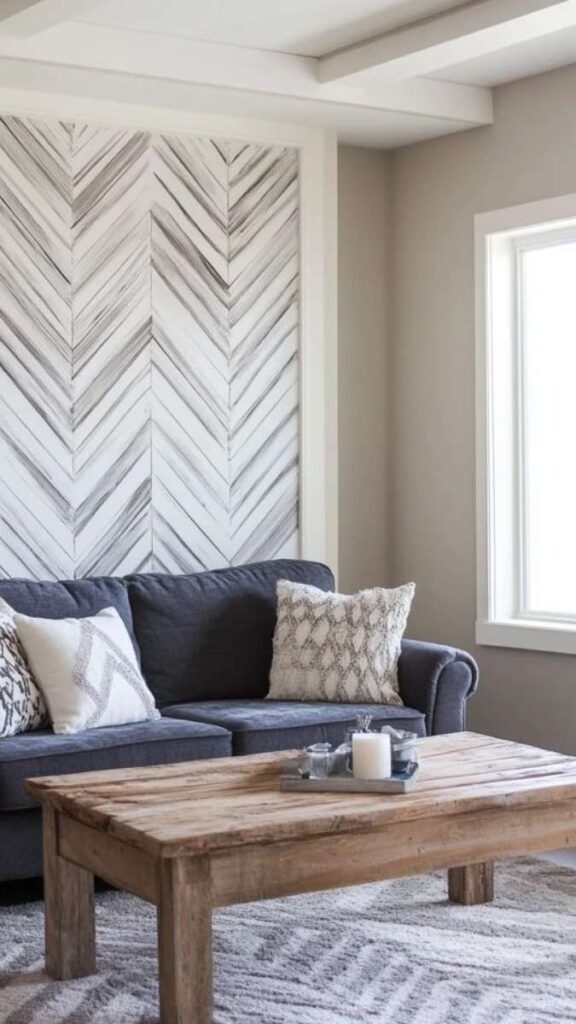
Shiplap walls in living rooms and bedrooms add architectural interest that painted walls simply can’t replicate the shadow lines and texture make even a simple room feel designed rather than decorated. Peel-and-stick engineered wood panels have made this achievable for renters and non-carpentry types: no nails, no table saw, no finish carpenter.
A herringbone pattern (45-degree angled placement) requires cutting more pieces but creates a more dynamic visual result than horizontal shiplap. It works best on the wall behind a sofa or bed where it frames the furniture as a backdrop. Total cost for a 10×8 foot wall typically runs $200-400 depending on material quality significantly less than real wood shiplap installation.
What Actually Makes These DIY Decor Ideas Work
Most DIY decor projects fail not because the execution was poor, but because the idea was solving the wrong problem for that room. Before starting, it helps to identify which category your room’s issue falls into
Layout problems
Furniture placement, room flow, awkward dimensions) need structural solutions: rugs that anchor zones, vertical elements that draw the eye upward, furniture arrangements that respect walking paths. DIY lighting, hanging plants, and leaning ladders address these.
Texture and warmth deficits are the
Most common issues in rooms with all-smooth surfaces (painted walls, hard floors, flat-weave sofas) are fixed with material contrast: chunky knits, woven rugs layered over flat ones, macramé, raw wood accessories. If your room feels cold or sterile, the solution is almost always tactile, not visual.
Color and pattern deficits
In neutral rooms rarely require repainting. A fabric headboard, framed fabric art, or a wallpaper panel adds visual complexity without committing to a full room color change.
Unfinished qualities
That means that a room is still a work in progress almost always comes down to three things: bare walls, no window treatments, and no rug (or an undersized one). Those three elements should be addressed before anything else.
DIY Home Decor Ideas Setup Comparison Guide
| Idea | Best Space Type | Main Problem Solved | Difficulty | Approx. Cost |
| Gallery wall | Living room, hallway | Bare wall, unanchored sofa | Easy | $30–100 |
| Faux limewash wall | Living room, bedroom | Flat, generic wall | Medium | $20–40 |
| Fabric headboard | Bedroom | No focal point, bare wall | Medium | $60–120 |
| Peel-and-stick wallpaper panel | Bedroom, living room | Renters needing pattern | Easy | $50–150 |
| Herringbone shiplap wall | Living room, bedroom | Plain walls needing architecture | Medium | $200–400 |
| Macramé wall hanging | Living room, bedroom | Texture deficit in neutral rooms | Easy–Medium | $25–60 |
| Rope pendant light | Dining nook, kitchen | Flat overhead lighting | Medium | $30–60 |
| Chunky knit throw | Living room | Sofa lacking warmth | Easy | $40–70 |
| Floating shelves styled | Bedroom, home office | Storage without furniture bulk | Easy | $20–50 |
| Layered rugs | Living room | Undersized rug, cold floor | Easy | $40–80 |
Common DIY Home Decor Mistakes That Make Spaces Feel Smaller or More Cluttered
Scaling too small.
A 5×7 rug under a full-size sofa arrangement looks like a bath mat. A 24-inch gallery wall over an 84-inch sofa looks like a lost postage stamp. Scale mismatch is the single most common DIY decor error, and it makes a room feel less finished than bare walls would. Go larger than you think you need, especially with rugs and wall art.
Styling every surface.
Not every surface needs an object. A side table with a lamp, a small plant, and three additional objects is a side table that’s doing too much work. The negative space around objects is part of the composition removing it collapses the visual into clutter.
Ignoring light direction when placing projects.
A beautiful DIY arrangement on the wrong wall, one that never receives direct or reflected light, will always look flat. Place textured pieces (macramé, woven art, dried arrangements) where they’ll catch side or ambient light, usually perpendicular to a window or near a lamp source.
Treating accent projects as afterthoughts.
A DIY throw, a small terrarium, or a rope hanger should be considered alongside the room’s furniture placement, not added on top of a finished layout. The most effective DIY decor projects are ones that fill a specific spatial gap a dead corner, a blank wall section, a bare surface rather than ones added to a room that’s already complete.
Matching too precisely.
A room where every wood tone matches, every frame is the same finish, and every plant is in the same white pot reads as a showroom rather than a home. Intentional contrast mixed metals, varying wood tones, different textures is what makes a space look curated rather than purchased as a set.
FAQ’s
What are the easiest DIY home decor projects for beginners?
Gallery walls, tray styling, and layered rugs require no tools or special skills and have a high visual payoff. For slightly more involved projects, floating shelf styling and dried flower arrangements are manageable in an afternoon and don’t require power tools.
How do I make a small room feel bigger with DIY decor?
Focus on vertical space, tall leaning ladders, hanging plants, shelves mounted high on walls. Keep the floor as clear as possible and use a rug large enough to anchor the furniture properly. An undersized rug visually shrinks a room. Light-colored walls with one textured element (limewash, a fabric panel) read as larger than busy multi-color rooms.
Which DIY home decor ideas work best in rental apartments?
Peel-and-stick wallpaper panels, washi tape wall patterns, gallery walls with removable hooks, framed fabric art, and leaning ladders are all renter-safe. Avoid anything that requires drilling into tile or creating wall damage that standard spackle can’t repair.
Is DIY home decor actually cheaper than buying from stores?
For most projects, yes especially for things like upholstered headboards ($60-120 DIY vs. $300+ retail), chunky knit throws ($40-70 DIY vs. $100+ retail), and pendant lights ($30-60 DIY vs. $80-200 retail). Where DIY costs approach retail is in materials-heavy projects like shiplap walls or concrete planters in quantity.
How do I style floating shelves so they don’t look cluttered?
Use the rule of odd numbers (groups of 3 or 5), mix object types (books, plants, objects), and leave intentional negative space on at least one shelf. The most common mistake is filling every inch a third of the shelf surface should be visually empty.
What’s the difference between a room that looks “DIY” and one that looks designed?
Scale, restraint, and intentionality. DIY rooms that look designed have appropriately sized elements (large rugs, generous art, full curtains), limit the number of projects per room (2-3 well-executed ideas instead of 10 scattered ones), and address the whole room’s layout rather than just adding objects to an existing setup.
How often should I update my DIY home decor?
Structural changes: headboards, accent walls, rugs, shelving should feel settled for years. Smaller elements like dried arrangements, throw styling, and tray displays can rotate seasonally. Changing smaller elements every 3-6 months keeps a space feeling current without requiring full re-decoration.
Conclusion
The rooms that feel best calm, functional, genuinely personal aren’t usually the result of one big decorating decision. They’re the result of several smaller, well-considered ones: a rug that’s finally the right size, a wall that has something on it worth looking at, lighting that works with the room rather than against it. DIY home decor, done with some intention, gets you there faster and at a fraction of the cost of buying your way to the same result.
Start with the two or three ideas here that address the most obvious gap in your current space: the thing that’s bothered you every time you walk in. The key is finding what works for your specific room, not recreating a setup designed for a different layout, budget, or lifestyle. Small, targeted changes tend to do more than sweeping overhauls.