69+ Rental Friendly Decor Ideas That Make Your Space Feel Like You Actually Own It
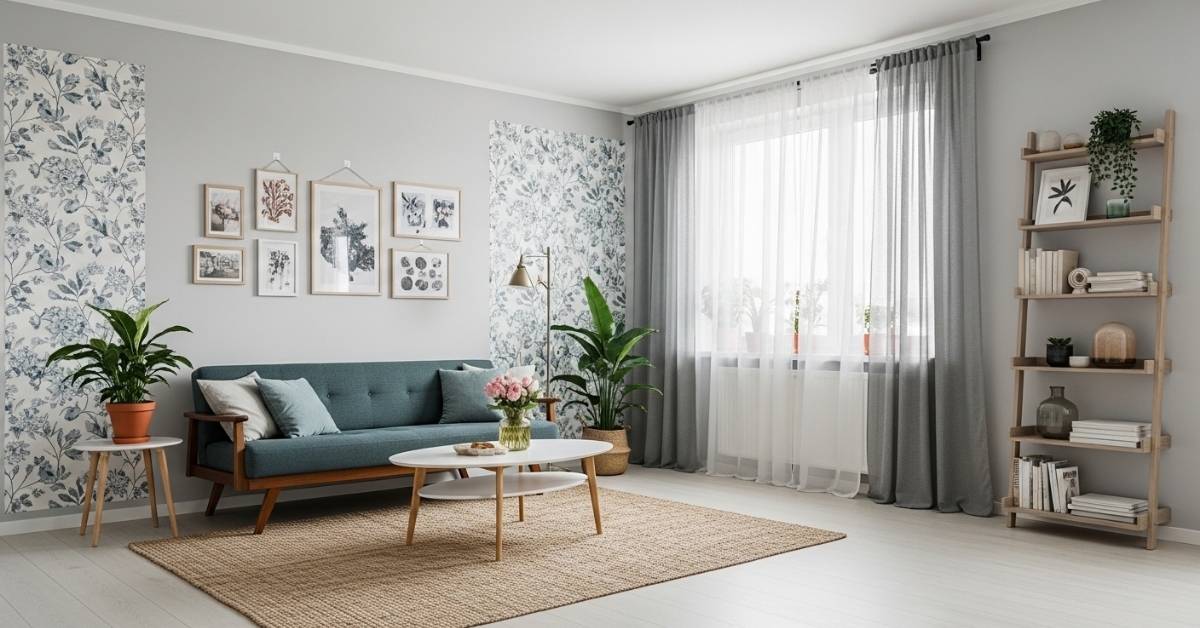
Rental friendly decor has evolved well beyond removable hooks and peel-and-stick tiles. In 2026, there’s a whole design language built around commitment-free decorating one that works with your lease terms without sacrificing personality, warmth, or function. Whether you’re in a studio, a shared apartment, or a short-term rental, these ideas are built around what’s actually possible.
If you’re working with rented walls you can’t paint, floors you can’t refinish, and fixtures you can’t swap out, this list is exactly for you.
Layer Rugs to Cover Ugly Flooring Without Touching It
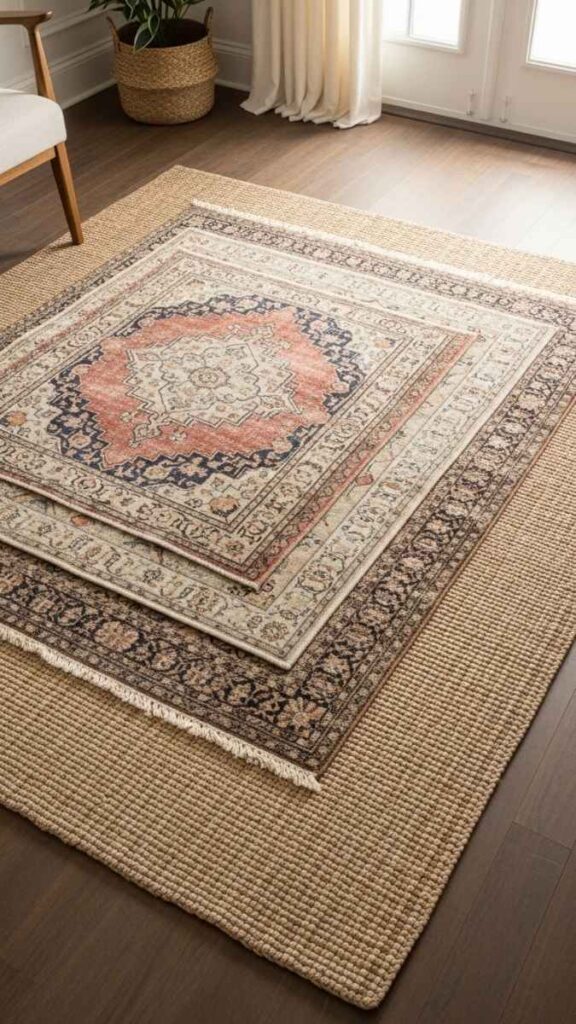
Ugly laminate or stained carpet is one of the most common rental frustrations and the fix doesn’t involve a single tool. Layering a large jute or sisal base rug under a smaller, more decorative one adds texture, warmth, and visual depth without adhesives or damage.
The base layer anchors the furniture zone while the top rug introduces pattern or color. This works especially well in living rooms where the floor is the first thing you see when you walk in. In my experience, a warm-toned rug over cold grey laminate does more for a room’s atmosphere than almost any other single change.
Use Peel-and-Stick Wallpaper on One Accent Wall
One wall is all it takes to shift the entire visual weight of a room. Peel-and-stick wallpaper has improved dramatically in quality today’s options include linen textures, geometric prints, and even subtle faux grasscloth that reads as intentional, not DIY-cheap.
Apply it to the wall behind your bed or sofa, and it creates a built-in focal point without paint or permission. It peels off cleanly in most cases, making it lease-safe. This works especially well in bedrooms with minimal natural light, where a warm-toned print can compensate for what the lighting can’t do.
Install Freestanding Shelving Units Instead of Wall-Mounted Ones
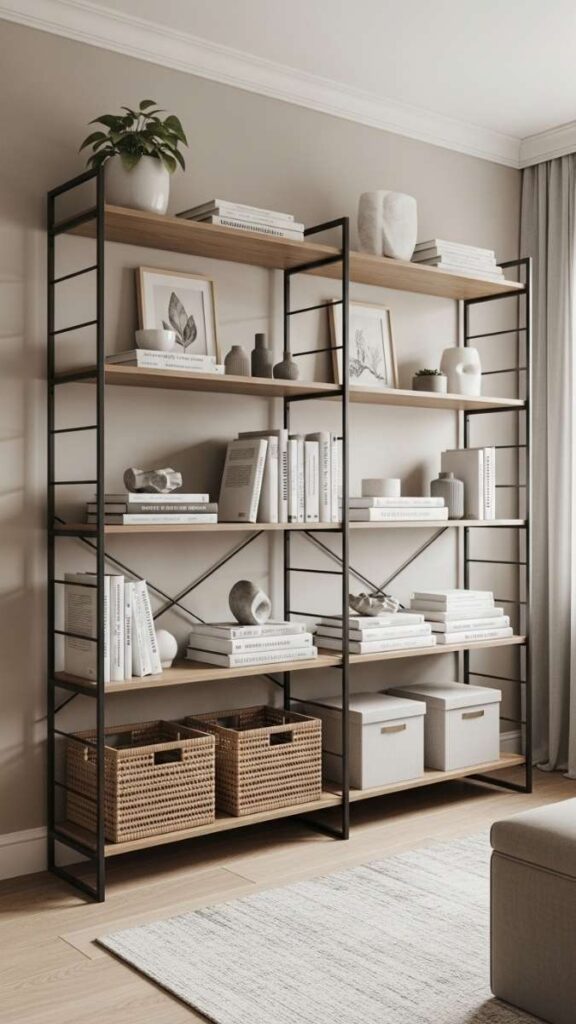
Wall brackets leave holes. Freestanding shelving units don’t. A tall, open bookcase placed in a corner or along an empty wall creates vertical storage, display space, and a sense of architectural structure all without touching the drywall.
Style the shelves with a mix of books, plants, and a few decorative objects to keep it from looking like a storage unit. This setup works particularly well in small apartments where built-in shelving is absent and wall space is the only real vertical asset. Lean it against the wall and it reads as intentional furniture, not a workaround.
Read More About: 68+ Budget Decor Ideas That Make Your Home Look Intentional Not Cheap
Hang Curtains High and Wide to Make Windows Look Bigger
Most rental windows have generic blinds that do nothing for the room. Adding curtains hung as close to the ceiling as possible and extending well past the window frame on both sides makes the window appear significantly larger and the ceiling feel taller.
Use a tension rod inside the window frame or removable adhesive hooks rated for the curtain rod weight. Linen or cotton in a warm neutral keeps the look soft rather than heavy. Honestly, this single change does more for a rental’s perceived size than most furniture arrangements.
Use a Large Statement Mirror to Expand a Narrow Room
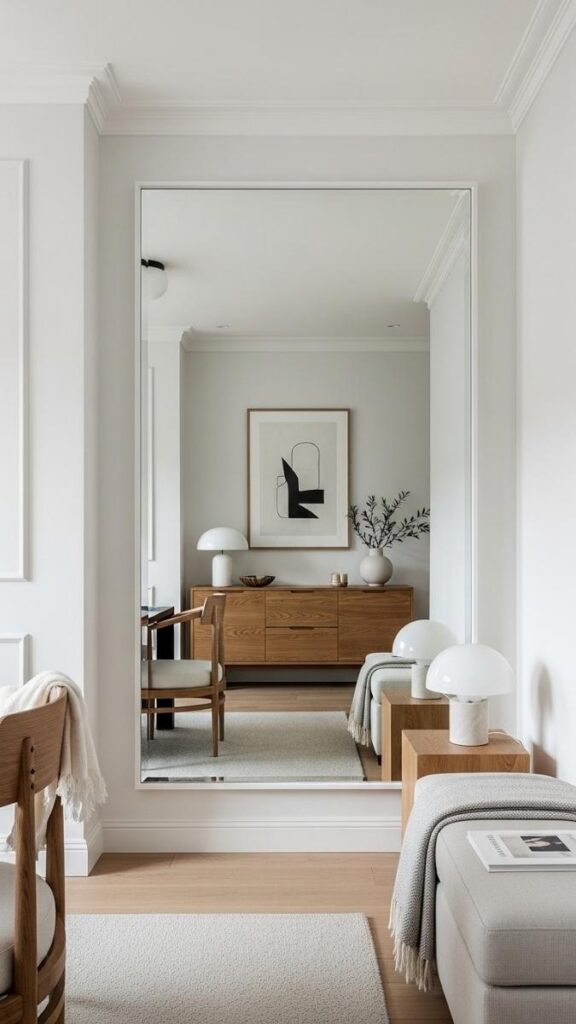
Mirrors don’t need to be wall-hung to be effective. A large leaning mirror propped against a wall works just as well and requires no installation. In a narrow room, placing it opposite a window bounces light back across the space and creates the visual impression of depth that simply isn’t there architecturally. Go for something with a wooden or metal frame that fits your aesthetic; the frame matters as much as the mirror itself. This is one of the highest-impact, zero-damage moves in rental decorating.
Replace Cabinet Hardware Without Damaging Anything Permanently
Rental kitchens often come with the most forgettable hardware imaginable. Swapping drawer pulls and cabinet knobs is one of the easiest upgrades you can make and as long as you keep the originals in a labeled bag and reinstall them before moving out, it’s completely reversible.
Matte black, unlacquered brass, and satin nickel are the most current options in 2026, and all of them significantly change the visual tone of a kitchen without touching a single surface. This works in any kitchen but has the most dramatic effect in ones with flat-front or shaker-style cabinets.
Build a Gallery Wall Using Removable Adhesive Strips
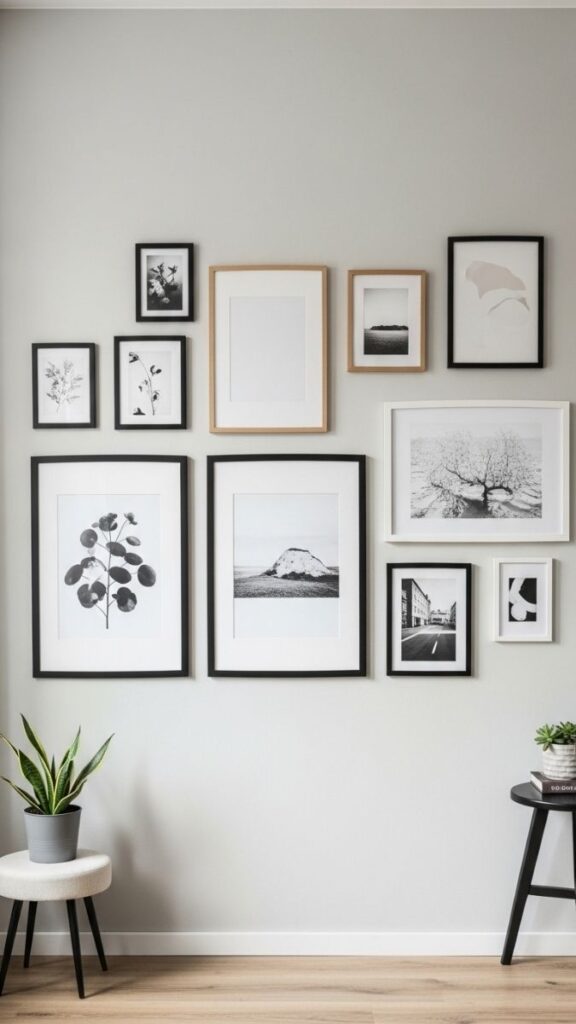
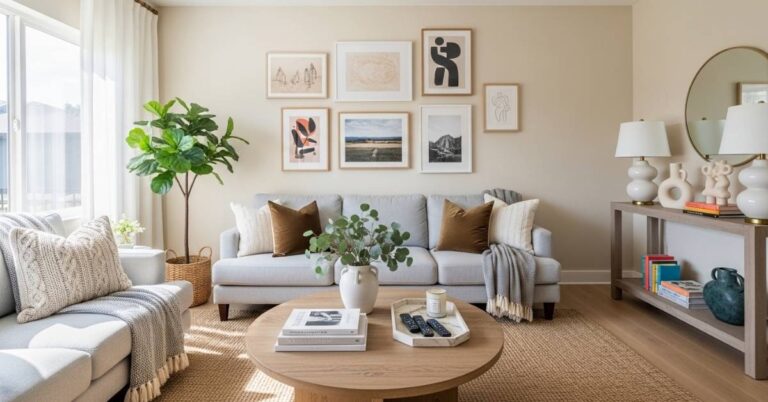
Command strips have a weight limit, not a style limit. A well-composed gallery wall with a mix of frame sizes, coordinated mat colors, and intentional spacing looks no different from one hung with nails. Plan the layout on the floor first before committing to placement.
Stick to a consistent frame finish (all black, all natural wood, all white) or a consistent mat color to unify otherwise mismatched prints. Above a sofa or bed is the most effective location; the wall needs something at that scale, and a gallery wall fills it without over-furnishing the room.
Use Freestanding Room Dividers to Create Zones in Open Layouts
Open-plan rentals, especially studios, often suffer from a lack of defined zones: the sleeping area bleeds into the living area, and nothing feels contained. A freestanding room divider rattan, slatted wood, or even a tall bookcase placed perpendicular to the wall breaks the space into functional sections without altering the floor plan.
It also adds texture and a layer of privacy that genuinely improves day-to-day usability. For anyone trying to carve out a work-from-home corner or a more private sleeping nook, this is one of the most practical structural changes you can make without touching a wall.
Read More About: 67+ DIY Decor Ideas That Actually Work in Real Homes No Craft Store Overwhelm Required
Swap Out Overhead Lighting Fixtures With Plug-In Pendants
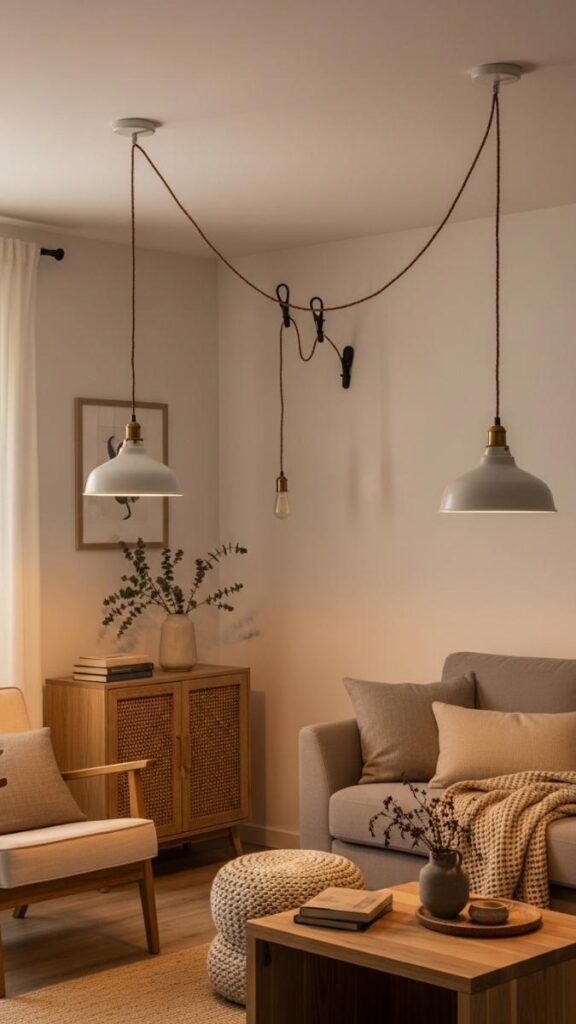
Rental lighting is almost universally bad: a single overhead fixture in the center of the room that casts flat, unflattering light. Plug-in pendant lights solve this without any electrical work.
Run the cord up and across the ceiling using adhesive cable clips, plug it into a standard outlet, and use a removable ceiling hook to hold the pendant at the right height. The result looks intentional and dramatically improves ambiance. This setup works especially well over dining tables, reading nooks, or beside beds where a table lamp isn’t practical.
Introduce Texture Through Throw Pillows, Blankets, and Cushion Covers
Rentals tend to have hard, flat surfaces and not much else bare walls, smooth counters, plain flooring. Layering tactile textures through soft furnishings is one of the fastest ways to make a space feel finished. Think linen cushion covers, a boucle or chunky-knit throw, a velvet pillow or two for contrast.
The key is keeping the palette cohesive so the layering reads as curated rather than collected. A sofa that’s visually flat can shift entirely with three well-chosen cushions and a folded throw at the arm.
Add Warmth With a Plug In Wall Sconce
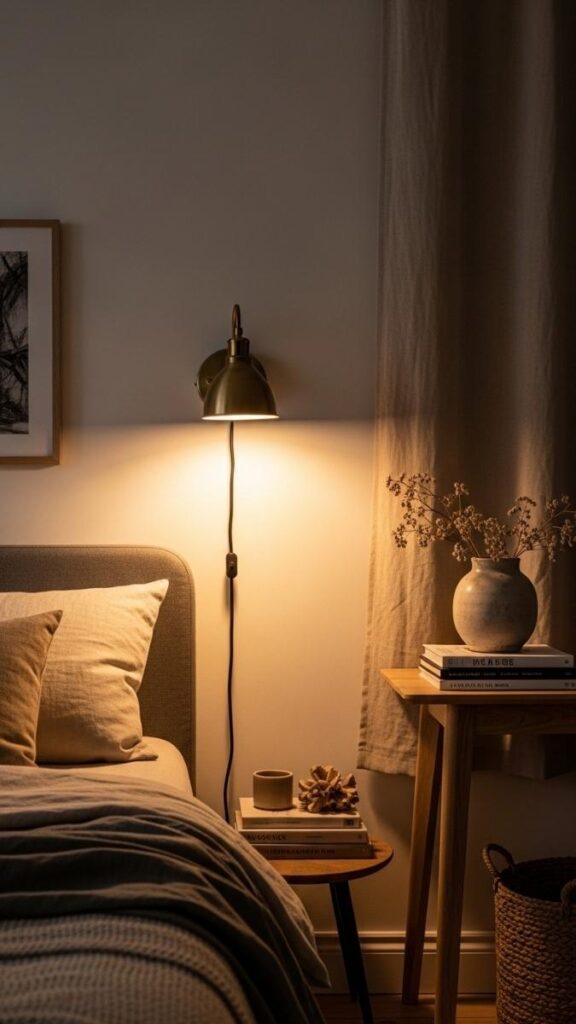
Wall sconces without hardwiring sounds like a contradiction, but plug-in versions exist and look almost identical to their wired counterparts. Mount them using adhesive strips or a single small nail (which most leases allow), run the cord behind furniture or tuck it into a cord cover, and you have layered lighting without an electrician.
Beside a bed or on either side of a sofa, they add warmth and architectural interest to walls that would otherwise sit bare and flat. This is one I’d actually recommend trying first because the visual impact is disproportionate to the effort involved.
Use Temporary Tile Stickers to Upgrade Dated Bathroom or Kitchen Tiles
Tile stickers have become one of the most popular rental-friendly updates for good reason: they’re easy to apply, completely removable, and can turn a dated avocado-green bathroom into something that looks intentional and current. Apply them over existing floor or backsplash tiles after a thorough clean.
Geometric patterns and Moroccan-inspired designs have broad appeal and wear well visually. This works best in small bathrooms where the floor area is manageable and the visual impact per square foot is high.
Style Open Shelving in the Kitchen to Make It Feel Designed
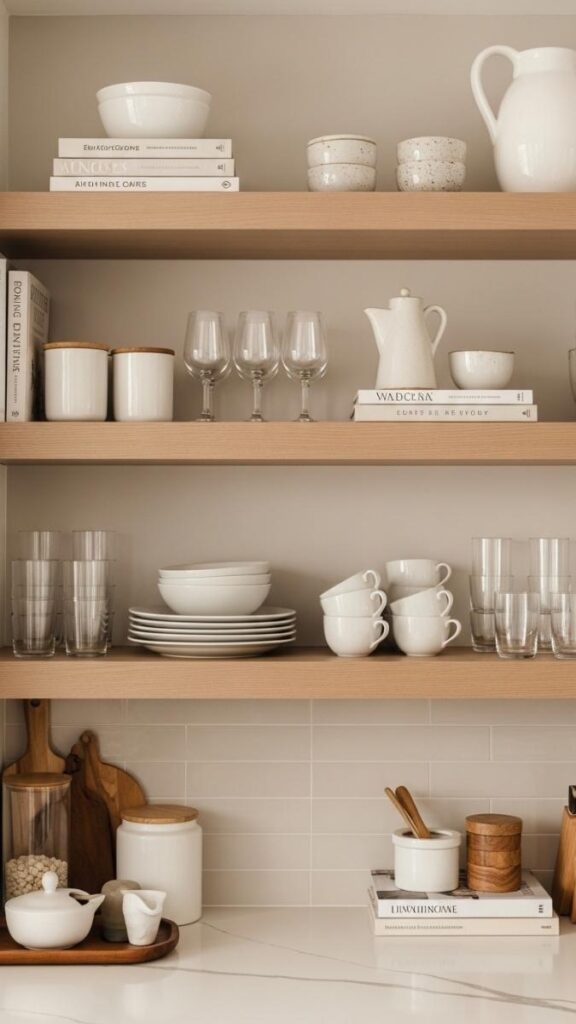
If your rental kitchen came with open shelving, it’s either an asset or an eyesore depending on how it’s styled. Keep one shelf functional (stacked dishes, glasses) and one shelf more curated (a plant, a cookbook, a small ceramic or wooden object).
The mix of utility and personality is what makes open shelving feel considered rather than chaotic. Decant dry goods into matching jars if you want a cleaner look. It’s a small commitment with a significant visual payoff in a room that often gets neglected decoratively.
Create a Headboard Effect Without Mounting Anything
Rental bedrooms often have a bed floating against a blank wall with nothing behind it which makes the whole room feel unfinished. A large-scale art print leaned directly on the bed frame against the wall, or a fabric panel draped and hung using a simple tension rod, creates the visual anchoring of a headboard without any drilling.
Alternatively, a tapestry hung with adhesive strips works the same way. The goal is to give the wall behind the bed a reason to exist in the room’s visual composition.
Read More About: 66+ Storage and Organization Ideas That Actually Work in Real Homes
Use Plants Strategically to Fill Structural Gaps
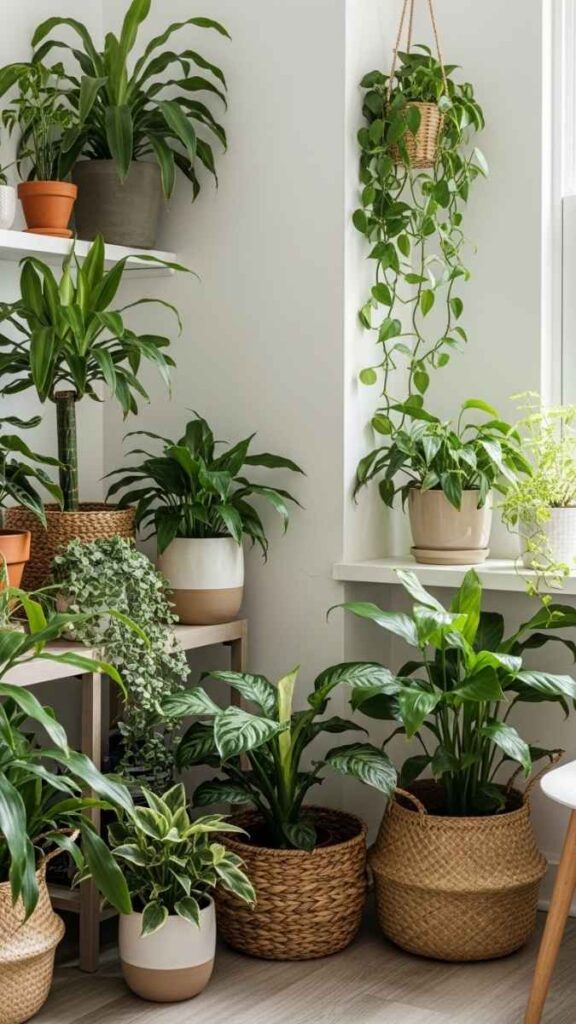
Empty corners are one of the most common rental complaints; there’s nothing to put there without overcrowding the room with furniture. A tall floor plant (fiddle-leaf fig, bird of paradise, olive tree) placed in a corner fills vertical space and adds a living, textural element that no piece of furniture fully replicates.
Pair it with a lower plant on a shelf or side table for a layered effect. Beyond aesthetics, they soften hard edges, introduce color, and give a room a sense of life that particularly matters in spaces with minimal architectural character.
Use a Console Table to Define the Entryway in Open-Plan Apartments
Most studios and smaller apartments don’t have a dedicated entryway where you walk directly into the living space with no transition. Placing a slim console table just inside the door creates a psychological and visual boundary between the entrance and the rest of the room.
Add a small mirror above it (leaned or adhesive-mounted), a tray for keys, and a hook on the side for bags, and you’ve built a functional entryway where none existed. This layout detail does a lot for how the apartment feels as a whole.
Upgrade Soft Furnishings to Elevate Budget Furniture
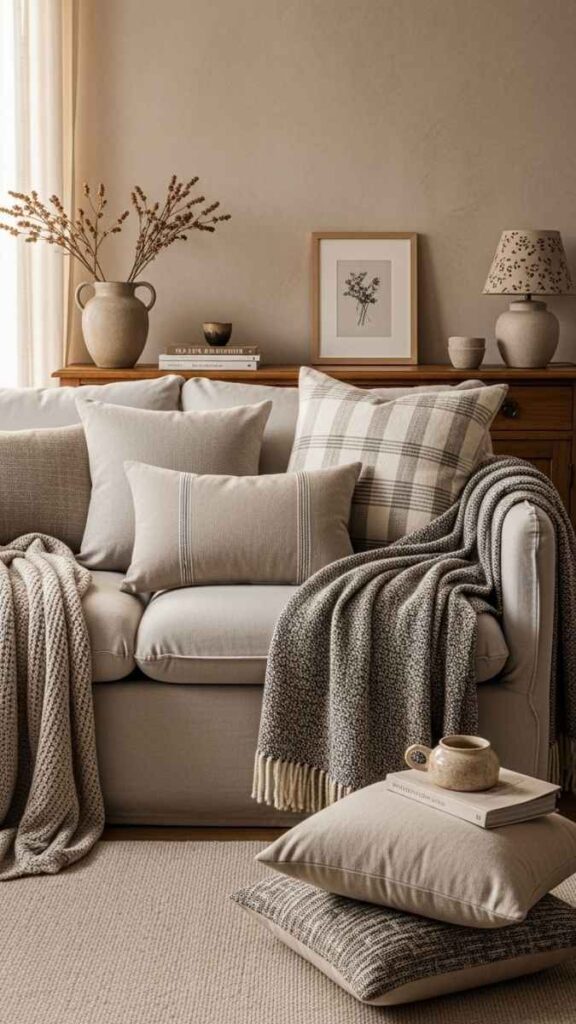
Rental living often means living with furniture that isn’t yours or that you bought on a budget. A well-made slipcover, a quality throw, and good cushion covers can make an inexpensive or generic sofa read as something far more considered. The same principle applies to beds: a high-quality duvet cover and a set of linen pillowcases change the visual register of the entire room regardless of what’s underneath.
I’ve noticed this works best when the soft furnishing quality is noticeably higher than the furniture itself; the contrast is what makes it look intentional.
Use Adhesive Hooks and Pegboards to Create Functional Wall Storage
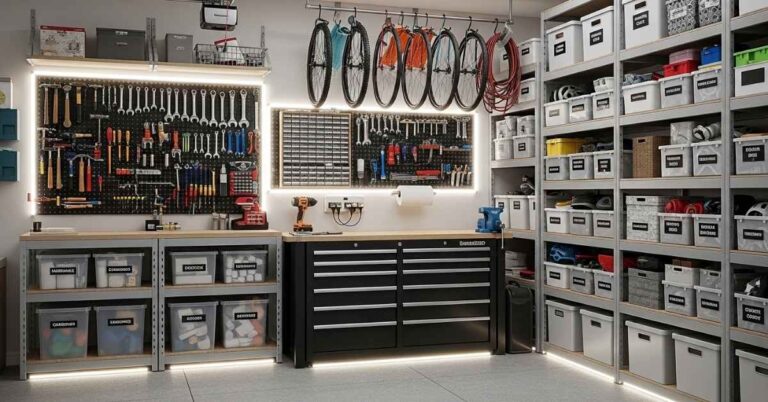
When you can’t install cabinetry or drill into walls freely, pegboards become genuinely useful. A large pegboard leaned against a wall or mounted with heavy-duty adhesive strips provides customizable storage for a kitchen, home office, or entryway.
Hang hooks, shelves, baskets, or magnetic containers the configuration adjusts as your needs change. In small rentals where counter and floor space is premium, moving storage onto the wall is often the most practical spatial decision available.
Create Visual Continuity With a Monochromatic Color Palette
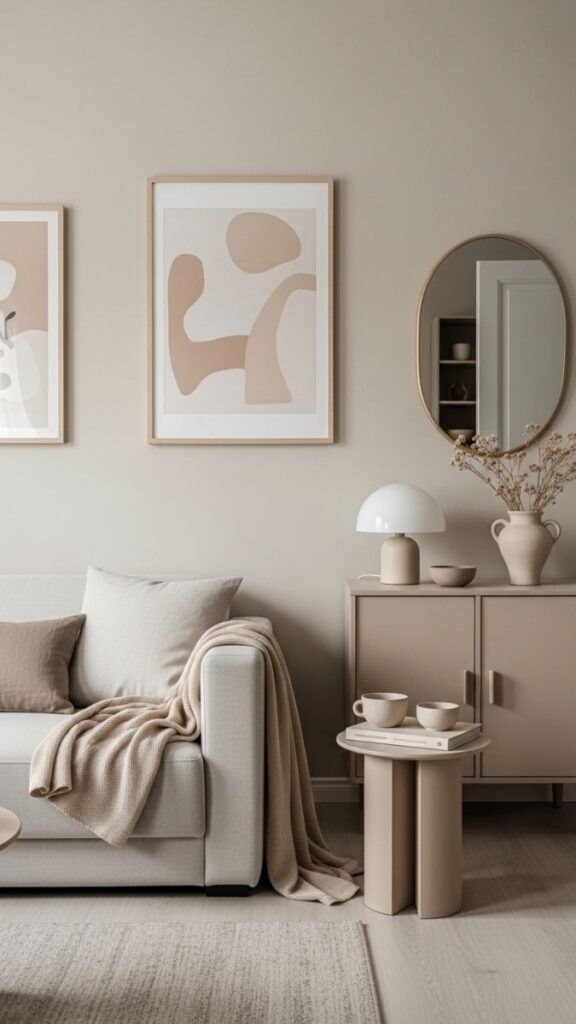
Rental spaces often feel disjointed because nothing relates to anything else: a brown sofa, white walls, random rug. Pulling the room into a single tonal palette (all warm neutrals, all cool greys, all muted greens) creates visual continuity that makes the space feel cohesive and designed even without structural changes.
The furniture doesn’t have to match; it just has to belong to the same color family. This approach also makes future purchases easier than anything within the palette works.
Use Curtain Rods and Fabric to Hide Clutter or Ugly Appliances
Not everything in a rental deserves to be seen. Tension rod curtains are one of the most underused rental hacks for concealing open storage, laundry areas, under-sink clutter, or awkward alcoves. A simple linen or cotton fabric panel on a tension rod covers the visual mess without requiring any hardware. In studios, this technique is especially useful for separating sleeping areas from storage zones or hiding a washing machine in a bathroom without building anything.
Layer Ambient, Task, and Accent Lighting for a Curated Feel
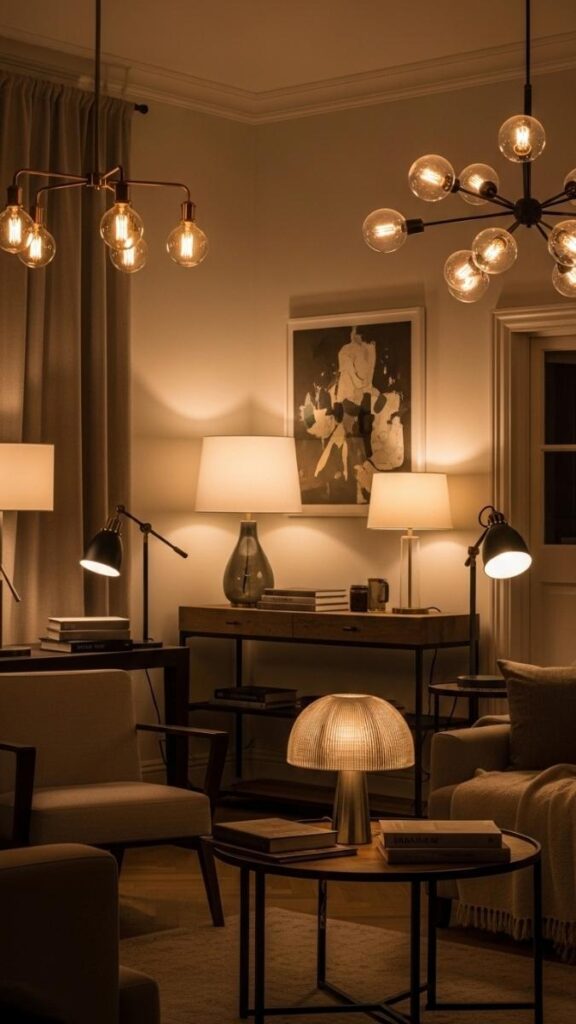
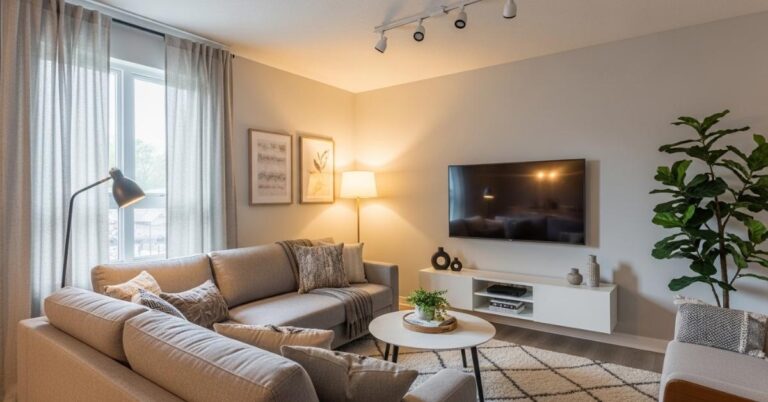
Overhead lighting flattens a room. Layered lighting: a floor lamp in one corner, a table lamp beside the sofa, a string of warm lights on a shelf creates depth, warmth, and zones within the same space.
None of these require hardwiring or installation. The key is to use warm bulb temperatures (2700K–3000K) across all sources so the light feels consistent. In a rental where the overhead fixture is doing all the work, switching it off and building a layered setup from plug-in sources changes the entire atmosphere of the room after dark.
Style a Bookcase as a Focal Point, Not Just Storage
A bookcase is often treated as a purely functional object books in, books out. But a well-styled bookcase acts as a room’s focal point in the same way a gallery wall or statement piece of furniture does. Vary the arrangement some books horizontal, some vertical, some with the spines facing inward for a muted tone.
Add a small plant, a framed photo, a candle or ceramic. The proportions and spacing matter as much as the objects themselves. In a rental where wall art options are limited, a styled bookcase gives the room a center of gravity.
Use a Daybed or Sleeper Sofa to Make a Studio Work Harder
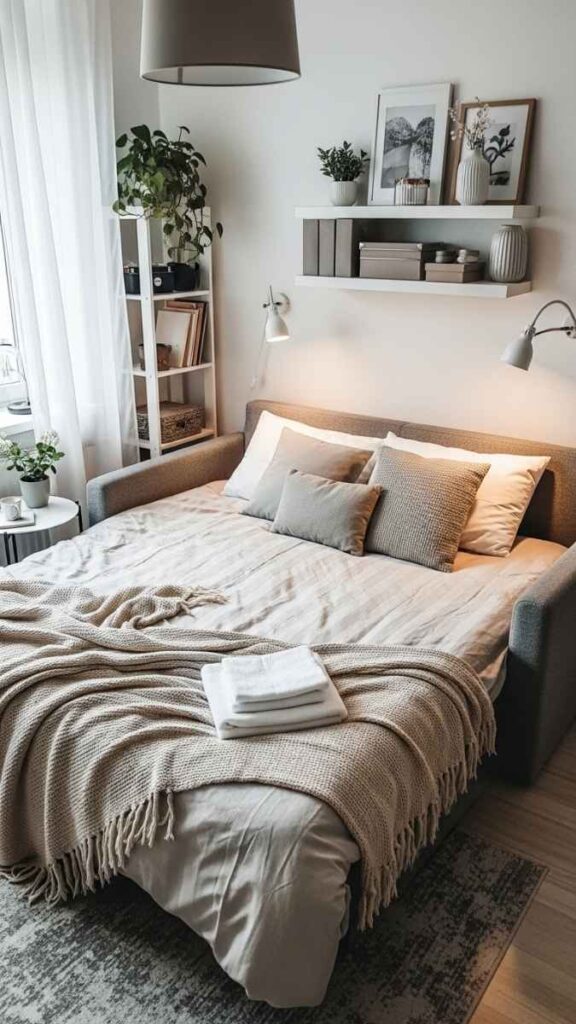
Studios live or die by how well their furniture multitasks. A daybed styled with back cushions and a throw during the day functions as a sofa without requiring a separate bed, freeing up a significant portion of the floor plan.
This works best when the daybed is treated as a design object rather than a compromise: a good frame (rattan, upholstered, or metal), quality bedding, and a considered cushion arrangement. The spatial gain in a studio is real and immediate.
Hang Floating Shelves Using Damage-Free Anchors or Furniture Supports
The assumption that floating shelves require wall studs and drilling isn’t always true anymore. Heavy-duty adhesive anchors rated for 15–30 lbs, or shelves that sit on top of existing furniture, give you the look without the holes.
Keep items on the lighter side: a small plant, a candle, a few paperbacks and the setup holds reliably. In bedrooms where a nightstand feels too bulky, a small floating shelf at lamp height solves the problem cleanly.
Incorporate Natural Materials to Counteract Synthetic Rental Finishes
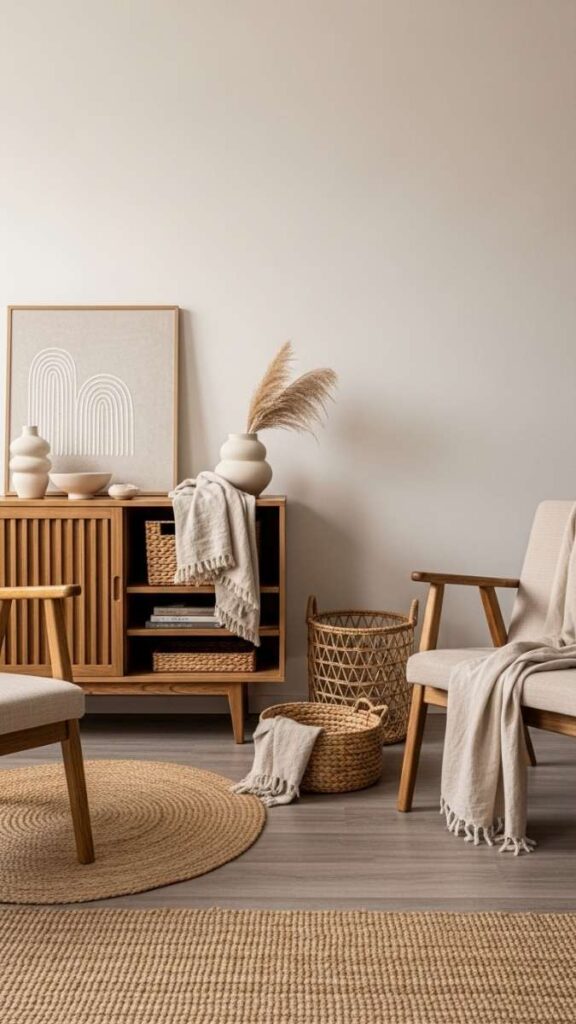
Rentals are disproportionately full of synthetic materials, laminate flooring, plastic fixtures, glossy finishes. Introducing natural materials: a rattan chair, a wooden tray, a ceramic lamp base, a linen throw creates textural contrast that feels grounded and warm.
The natural materials don’t need to be expensive; a jute basket, a wooden cutting board displayed on a shelf, or a simple clay vase goes a long way. The contrast between synthetic and natural is what gives the room a sense of personality that purely plastic-and-laminate spaces lack.
Use Furniture Feet Replacements to Elevate Budget Pieces
This is a genuinely underrated rental trick. Many flat-pack sofas, beds, and sideboards come with removable legs and replacement feet in natural wood, tapered mid-century shapes, or brushed metal are inexpensive and widely available.
Raising furniture slightly off the floor creates visible floor space beneath it, which makes the room feel larger. It also immediately updates the silhouette of a piece without replacing it. Works especially well with low-clearance IKEA furniture in small rooms where visual breathing room matters.
Build a Bedroom Reading Nook With a Chair, Lamp, and Shelf Combination
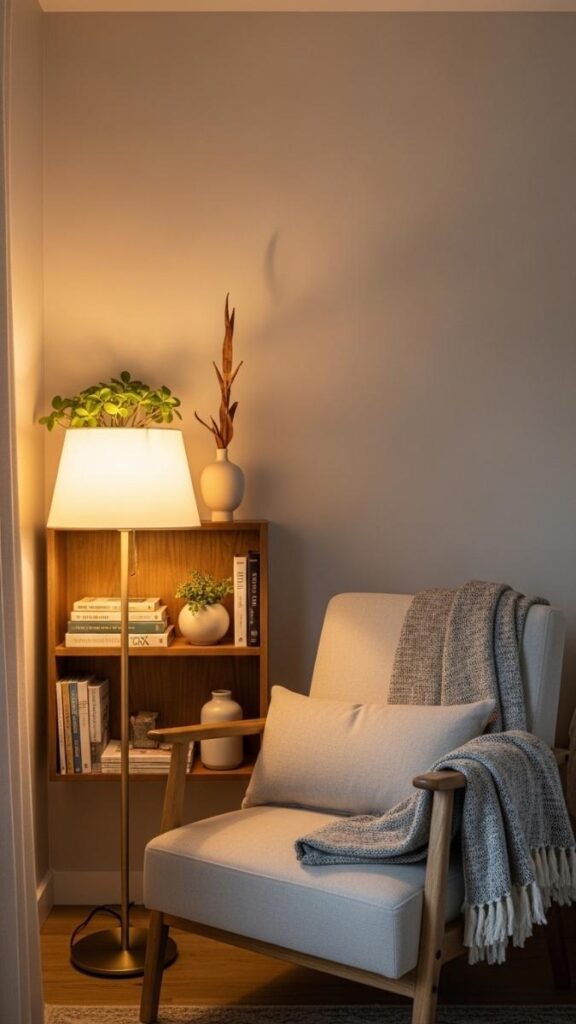
A corner that’s doing nothing is a missed opportunity especially in a bedroom. A single armchair angled into the corner, a floor lamp positioned behind it, and a small shelf or stool beside it creates a reading nook that functions as both a practical zone and a visual moment in the room.
It gives the bedroom a secondary purpose and a sense of layered living that makes the space feel less like a holding room and more like an actual home. For anyone in an apartment without a dedicated living room or study, this corner setup is worth prioritizing.
What Actually Makes Rental Friendly Decor Work
The best rental setups share a few common traits and none of them are about specific products or price points.
Reversibility with intention.
The commitment-free rule doesn’t mean settling for less. It means choosing solutions that are removable but still look considered. A peel-and-stick wallpaper that’s applied neatly and styled around is indistinguishable from real wallpaper. The execution is what matters.
Cohesion over quantity.
Rental spaces often feel unfinished not because they lack decor, but because what’s there doesn’t relate. A consistent palette, a recurring material (wood tones, woven textures, warm metals), or even just a consistent lighting temperature ties disparate furniture and finishes together. You don’t need more, you need more connectedness.
Verticality.
Rental apartments frequently underuse vertical space while overcrowding floors. Tall shelving, high curtains, vertical art arrangements, and wall-mounted lighting draw the eye upward, making the ceiling feel higher and the floor less cluttered.
Lighting as architecture.
In spaces where you can’t change the structure, lighting does structural work. It defines zones, creates warmth, and shifts how a room reads at different times of day. A rental with no overhead fixtures left on and multiple layered plug-in sources feels like a completely different space than the same room with one central light.
Rental Friendly Decor Setup Comparison Guide
| Idea | Space Type | Problem Solved | Effort Level | Lease Safe |
| Layered rugs | Any floor type | Ugly flooring | Low | ✅ Yes |
| Peel-and-stick wallpaper | Bedroom, living room | Blank/boring walls | Medium | ✅ Yes |
| Freestanding shelving | Living room, studio | No storage or built-ins | Low | ✅ Yes |
| High curtains | Any room with windows | Small windows, flat walls | Low–Medium | ✅ Yes (with right hardware) |
| Plug-in pendant | Dining, bedroom | Bad overhead lighting | Medium | ✅ Yes |
| Pegboard storage | Kitchen, office | No wall storage | Medium | ✅ Yes |
| Room divider | Studio, open plan | Undefined zones | Low | ✅ Yes |
| Leaning mirror | Narrow rooms, entryway | Dark or cramped feel | Low | ✅ Yes |
| Tile stickers | Bathroom, kitchen | Dated tiles | Medium | ✅ Yes |
| Furniture leg replacement | Any flat-pack piece | Low, boxy furniture | Low | ✅ Yes |
Common Rental Decorating Mistakes That Make Your Space Feel Smaller or Cluttered
Hanging art at the wrong height.
The standard “eye level” rule often results in art that’s too low, especially in rooms with higher ceilings. Art should be centered slightly above furniture height in relation to what it sits above, not at your standing eye level. Too low creates a visual compression that makes ceilings feel closer.
Choosing a rug that’s too small.
A rug that only fits under the coffee table and nothing else is almost always worse than no rug at all. The front legs of your sofa should sit on the rug at minimum. Undersized rugs make furniture float and break the room’s cohesion.
Using only overhead lighting.
This has been mentioned in the ideas section, but it’s worth framing as a mistake relying exclusively on a central ceiling fixture especially in a rental with a cheap flush mount creates flat, shadowless light that reads as institutional rather than residential. It’s the single most common reason a rental feels cold.
Overcrowding a small room with too much furniture.
The instinct to fill empty space with furniture creates more problems than it solves. Adequate walking clearance (at least 18–24 inches between pieces) matters for both usability and how the room visually breathes. In a small rental, one fewer piece of furniture almost always feels better than one more.
Ignoring the entry.
The first thing you see when you walk in sets the tone for the whole apartment. A bare, cluttered, or undefined entry communicates disorganization regardless of how the rest of the space looks. Even a small console table or a wall hook arrangement at the door changes the entire arrival experience.
FAQ’s
What is rental friendly decor?
Rental friendly decor refers to decorating approaches that don’t require permanent modifications, no paint, drilling, or structural changes. It includes removable adhesives, freestanding furniture, plug-in lighting, and peel-and-stick materials that can be reversed without damaging the property.
How do I make a rental apartment feel like home without losing my deposit?
Focus on layers, not permanent changes. Rugs over flooring, curtains hung with tension rods or adhesive hooks, and peel-and-stick wallpaper on one wall are the highest-impact, lowest-risk moves. Swap out hardware and save the originals, and use plug-in lighting instead of hardwired fixtures.
Can I use peel-and-stick wallpaper in a rental?
Yes most peel-and-stick wallpapers are designed to remove cleanly, especially from painted drywall. Clean the wall thoroughly before application, apply at room temperature, and remove slowly when moving out. Avoid textured walls, as adhesion and removal can both be less predictable.
Renter’s furniture vs. homeowner’s furniture: is there a real difference in approach?
The main difference is flexibility. Renters generally benefit from furniture that’s freestanding, multifunctional, and easy to move pieces that work in different room configurations rather than being custom to one layout. Modular sofas, daybeds, and open shelving systems are especially useful for this reason.
How do I deal with bad rental lighting?
Layer plug-in sources a floor lamp, one or two table lamps, and a plug-in pendant or sconce if needed. Use warm-toned bulbs across all sources (2700K is a reliable choice) and stop using the overhead fixture as your primary light. This single shift changes the atmosphere of most rental rooms significantly.
Is it worth buying furniture for a rental you might leave in a year or two?
IMO, yes with conditions. Invest in pieces that travel well a quality sofa, a good rug, a solid bookcase. These move with you and define your space in every home you live in. Avoid built-in or layout-specific furniture that won’t flex to a different floor plan.
What’s the easiest rental decor upgrade with the highest visual impact?
Curtains hung high and wide are consistently the most impactful single change; it makes windows look larger, ceilings feel taller, and walls feel finished. Pair that with a large rug and layered lighting, and a generic rental reads as an entirely different space.
Conclusion
Decorating a rental well isn’t about tricks or workarounds, it’s about understanding what creates the feeling of a real home and finding commitment-free ways to build it. The key is finding what works for your space and your lease terms, then doing it with intention. Even small changes to a rug, a curtain, a lamp compound quickly when they’re working together.
Start with one or two ideas from this list that address your biggest frustration, whether that’s the flooring, the lighting, or the blank walls. Build from there as you go. Not every idea will fit every apartment, but the ones that do will consistently make the space feel more like yours which is exactly the point.