42+Vintage Living Room Ideas That Feel Collected, Not Costumey
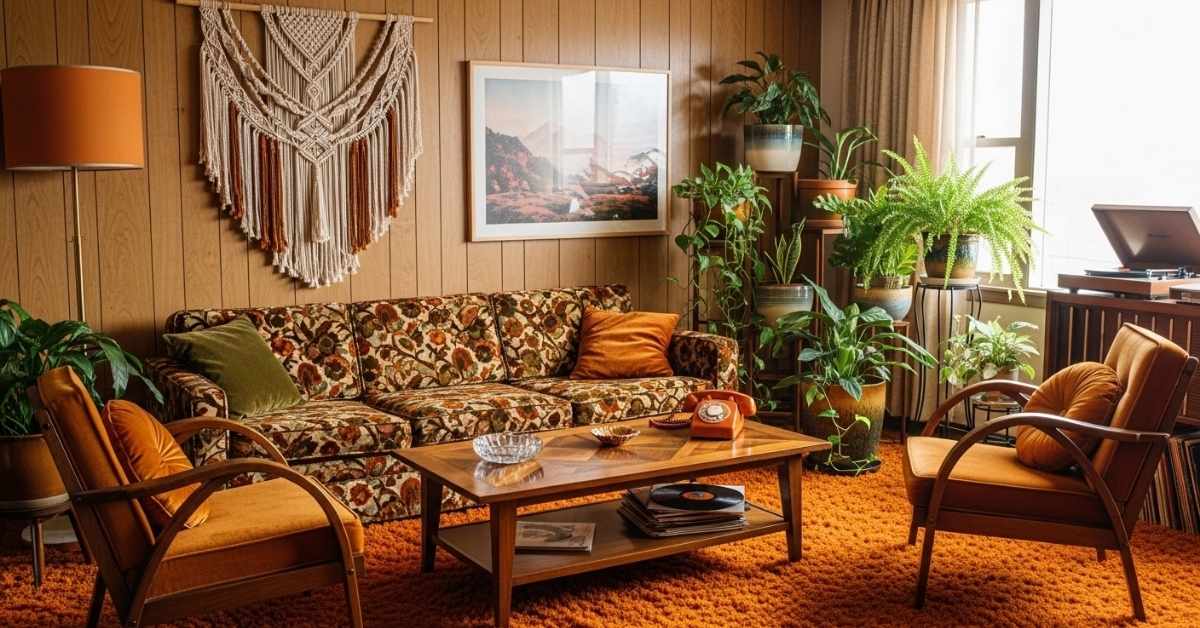
There’s a version of vintage decorating that looks genuinely lived-in and intentional and then there’s the version that looks like a prop room. The difference usually comes down to how pieces are mixed,Vintage Living Room Ideas not how many you own. If your living room feels like it’s missing personality, or like everything matches a little too perfectly, vintage layering might be exactly what it needs.
This isn’t about filling a room with antiques. Most of these ideas work in apartments, rented spaces, and modern homes where you’re blending old and new rather than committing to a full period look. If your style leans warm, textured, and a little eclectic or if you’re just tired of spaces that feel generic these setups give you a real starting point.
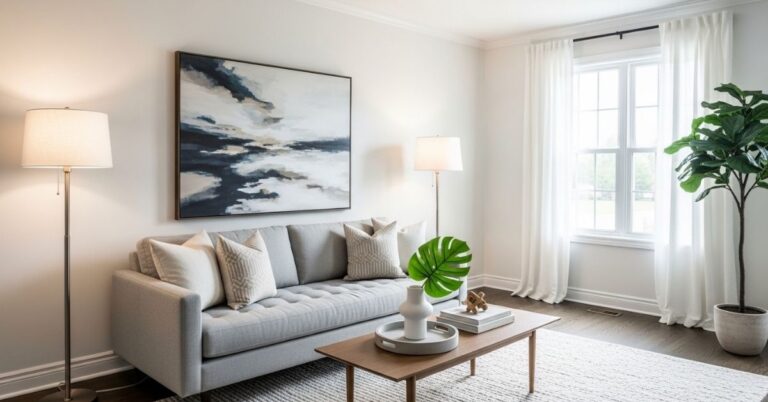
A Tufted Sofa as the Anchor Piece
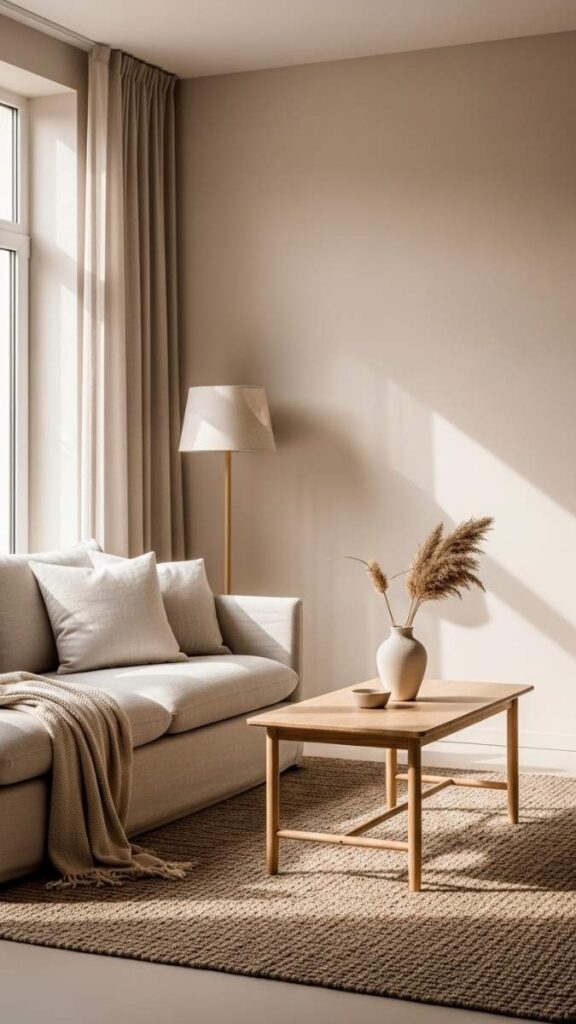
A tufted sofa does something a modern sectional can’t; it creates immediate visual weight and period texture without needing much else around it. Place it centered on a wall with breathing room on both sides (at least 18 inches from adjacent furniture), and let it do the heavy lifting.
Pair it with a simple wooden coffee table and a neutral rug underneath to ground the setup without competing with the silhouette. This works especially well in small-to-medium living rooms where one statement piece is more effective than several competing ones. The tufting adds depth and shadow that makes the room feel designed rather than assembled.
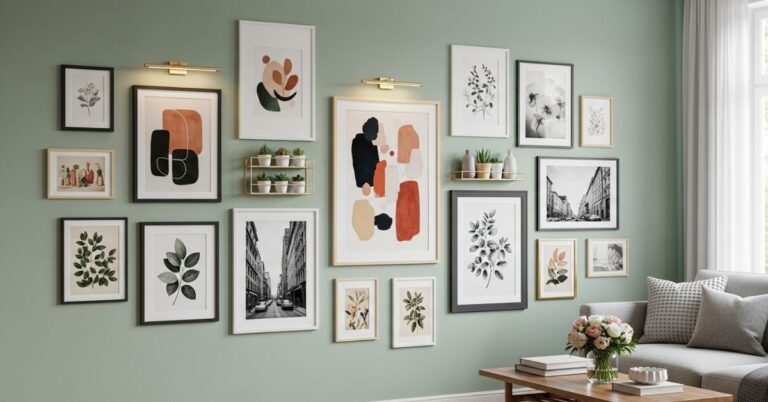
Gallery Wall With Vintage Frames in Mismatched Sizes
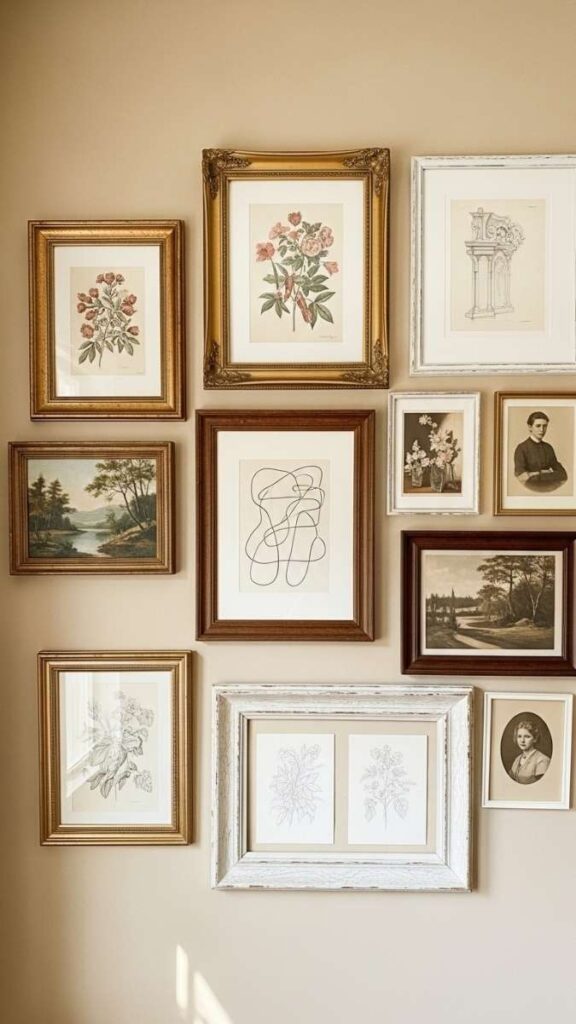
The key to a vintage gallery wall that doesn’t look chaotic is frame finish consistency, not frame size consistency. Stick to one or two metal tones aged gold and dark wood, for example and let the sizes vary freely. Mix botanical prints, old maps, portrait reproductions, and abstract pieces at different scales.
Hang the largest piece slightly off-center to avoid a grid-like stiffness. This setup works particularly well on long, empty walls that feel bare but don’t have obvious furniture to anchor them. It also adds visual height without requiring tall furniture.
Read More About: 14+Neutral Color Palette Ideas for Home That Actually Work in Real Life
Layered Rugs With a Persian or Oriental Base
Layering rugs is one of those techniques that reads as expensive in photos but is actually one of the more budget-conscious vintage moves especially if you source the base rug secondhand. Start with a large Persian or Oriental-style rug as the foundation, then layer a smaller natural-fiber rug (jute or sisal) slightly off-center on top.
This creates visual texture and defines the seating area without a single solid color dominating the floor. The setup works best in medium to large living rooms, but even in smaller spaces, a partial overlap adds warmth. Honestly, this one trick shifts a room’s entire mood.
Warm Brass Lighting Fixtures
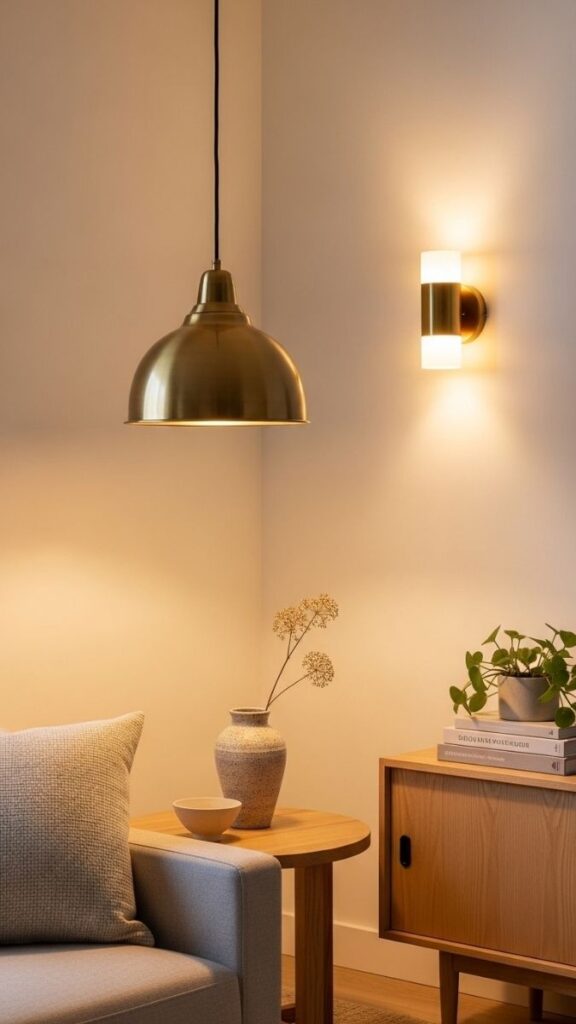
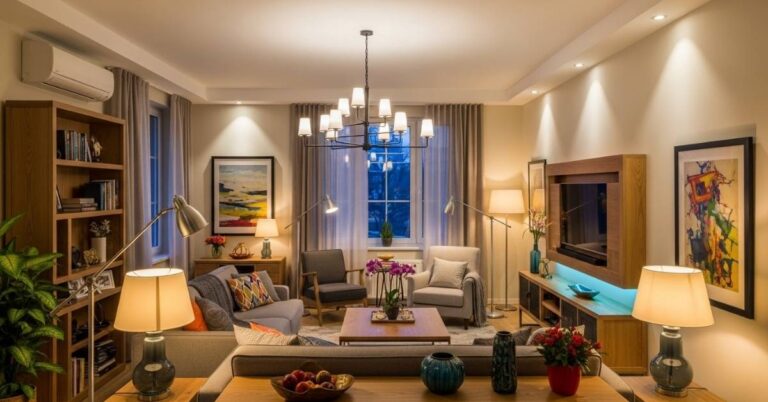
Overhead lighting is often the main reason a living room feels flat or institutional. Swapping it out for brass floor lamps and table lamps, especially designs with exposed bulbs or fabric shades creates pools of warm light that make the space feel layered and inhabited.
Position one floor lamp beside the sofa and a table lamp on the opposite end of the room to balance warmth directionally. Brass fixtures work particularly well in rooms with darker walls or wood-heavy furniture because the warm metal tone bridges cool and warm tones naturally. This is one I’d recommend prioritizing early in a vintage room: build lighting changes the feel more than most decorating decisions.
A Vintage Armchair in a Contrasting Fabric
A single vintage-style armchair in a fabric or color that contrasts with your sofa adds personality without requiring a full furniture change. Look for curved silhouettes, barrel chairs, slipper chairs, or wingbacks in velvet, boucle, or tweed. Place it beside a window or at a 45-degree angle to the sofa to create a conversation corner rather than a linear arrangement.
This setup is especially useful in living rooms where the main sofa is neutral; it introduces color and texture without overwhelming the space. A small side table alongside it makes the corner feel intentional and functional.
Open Shelving With a Curated Vintage Living Room Ideas
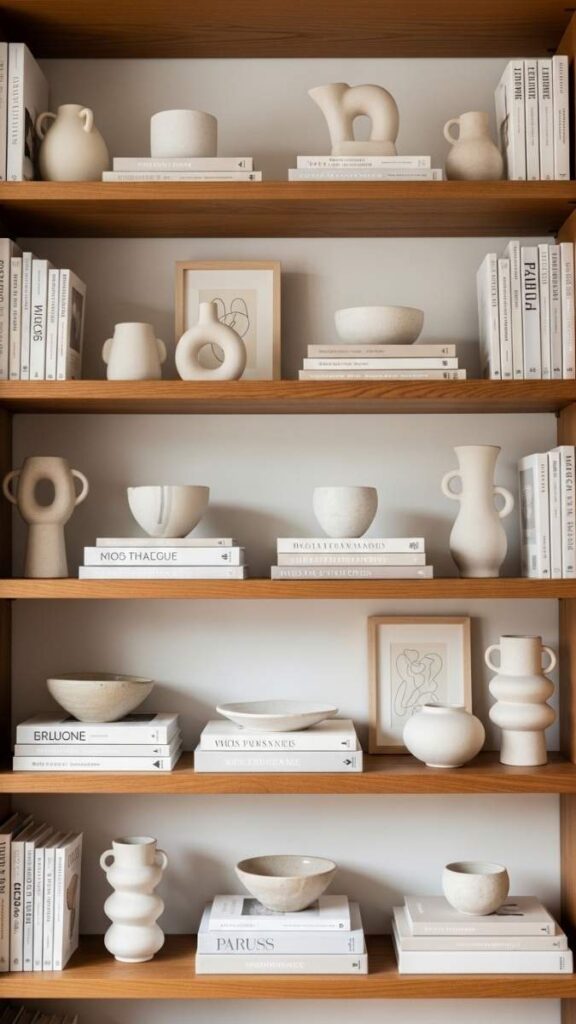
Open shelving in a vintage living room works best when it follows a loose visual rhythm: books grouped by color or height, objects spaced so they have room to breathe, nothing crammed. Anchor each shelf with one larger item (a vase, a plant, a stack of oversized books) and fill in around it with smaller pieces.
Dark wood shelving especially if it has some natural grain variation reinforces the vintage feel without needing decorative hardware. This setup solves the problem of blank walls that feel too austere for a vintage aesthetic while also keeping frequently used items accessible.
Read More About: 12+Vintage Modern Living Room Ideas That Actually Work in Real Homes
Exposed Wood Beams or Faux Beam Accents
If you have exposed beams, they’re arguably the single most powerful vintage architectural feature a living room can have; they add texture, warmth, and a sense of age that no furniture piece can replicate. If you don’t have them, lightweight faux wood beam kits are now realistic enough to work in most rooms.
Pair exposed beams with light-colored walls (white, cream, or warm gray) so the wood reads clearly rather than blending into a dark background. This works best in homes with higher ceilings but can also create a cozy, cabin-like effect in rooms with standard ceiling heights.
A Vintage-Style Fireplace Surround
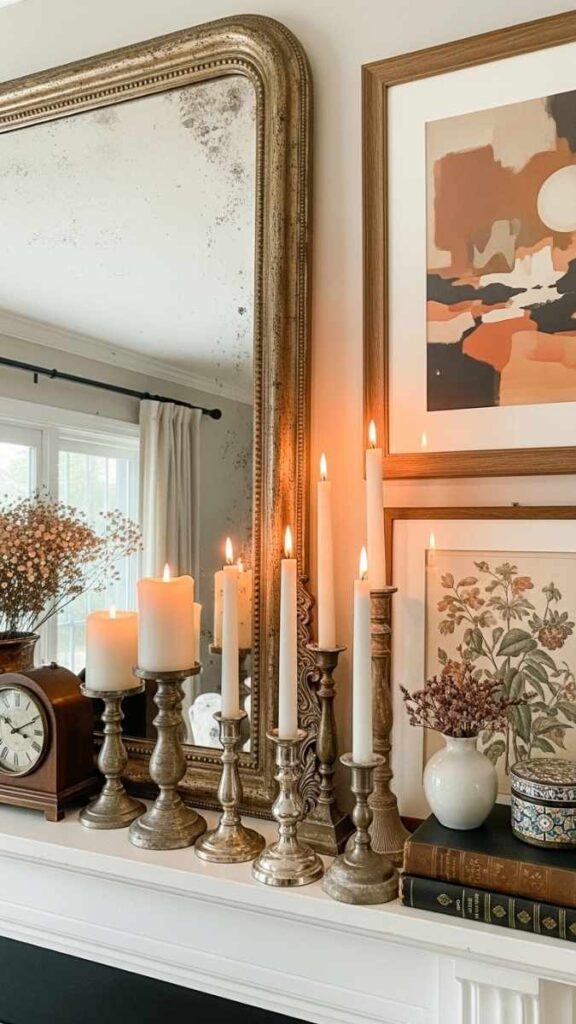
The fireplace wall is one of the few areas in a living room that naturally becomes a focal point, and a vintage-style surround especially in marble, painted wood, or cast iron makes the most of that position.
Even a non-functional fireplace can anchor the room visually if the surround is detailed. Style the mantle with a mix of heights: a tall mirror or artwork leaning against the wall, candles at varying heights, and one or two ceramic or brass objects. Avoid centering everything symmetrically a slight asymmetry reads as more collected and less staged.
Velvet Throw Pillows in Jewel Tones
Velvet pillows in jewel tones, deep teal, burgundy, forest green, mustard are one of the fastest ways to shift a modern sofa into vintage territory without reupholstering anything. The fabric itself carries the vintage signal; the color makes it feel intentional rather than accidental. Mix two or three tones rather than matching everything to the same shade, and vary the sizes slightly.
A linen throw draped over one arm of the sofa adds a contrasting texture that keeps the velvet from feeling heavy. This is a setup that works in rentals, works on a budget, and is easy to swap seasonally.
A Round Wooden Coffee Table With Turned Legs
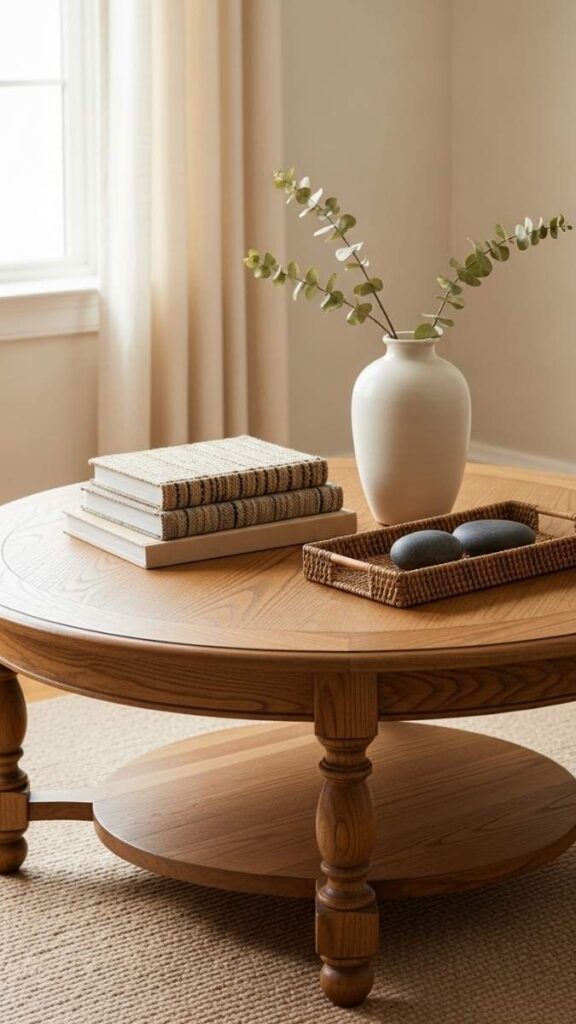
Most modern coffee tables are rectangular and low which works, but doesn’t contribute much to a vintage aesthetic. A round wooden table with turned or tapered legs reads immediately as a period piece and also improves room flow: round tables eliminate sharp corners,
which matters in smaller living rooms where people navigate around the furniture daily. Style the top with a tray, a small stack of books, a candle, and one natural element (a plant cutting in a small vase, a single stone). This setup works well in rooms where the sofa faces a TV and the coffee table sits between them. The round shape softens what can otherwise feel like a very linear arrangement.
Antique Mirror Above the Sofa or Fireplace
An antique or antique-style mirror does two things simultaneously: it adds visual detail (ornate frame, aged patina) and it reflects light, which makes the room feel more open. Position it above the sofa or fireplace, ideally leaning rather than hung flush leaning adds an informal, collected feel.
Choose a frame finish that picks up on at least one other metal in the room (lamp base, picture frames, hardware) to create visual cohesion without obvious matching. In smaller living rooms, a large mirror on a shorter wall can visually double the perceived depth of the space.
Botanical Prints and Framed Nature Illustrations
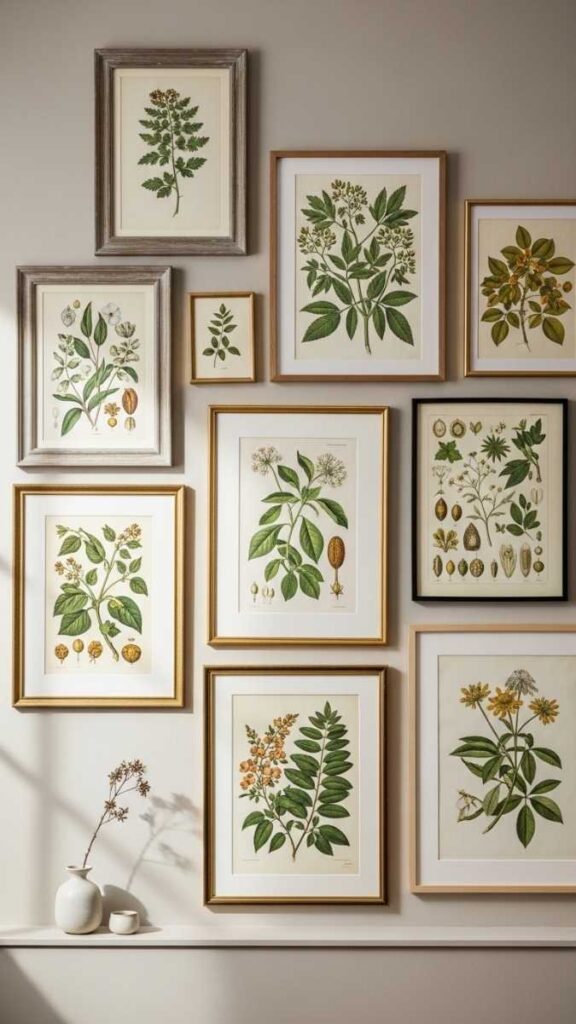
Botanical prints, especially the hand-illustrated variety from the 18th and 19th century are a natural fit for vintage living rooms because they add color, pattern, and organic content without any visual chaos. Group three to five prints in complementary frames on a single wall rather than scattering them individually.
The prints themselves are widely available as free downloads from public domain archives, so the main investment is the frames. This works particularly well in rooms that already have neutral furniture; the botanical imagery adds the color and character without requiring new upholstery or paint.
Read More About: 19+Living Room Decor Ideas That Actually Work in Real Homes Not Just on Pinterest
A Vintage Bar Cart in a Corner
A bar cart in a vintage living room functions as both storage and styling. It’s practical, visually interesting, and adds a layer of lived-in personality that purely decorative pieces can’t. Position it in a corner or beside a bookshelf where it fills a dead zone in the room without blocking movement.
Style it with a mix of glassware, a decanter, and one or two non-drink items (a small plant, a vintage candle, a small framed photo). Brass or gold-toned carts with glass shelves feel the most period-appropriate, though dark iron versions work well in more industrial-vintage blends.
Wainscoting or Picture Rail Molding
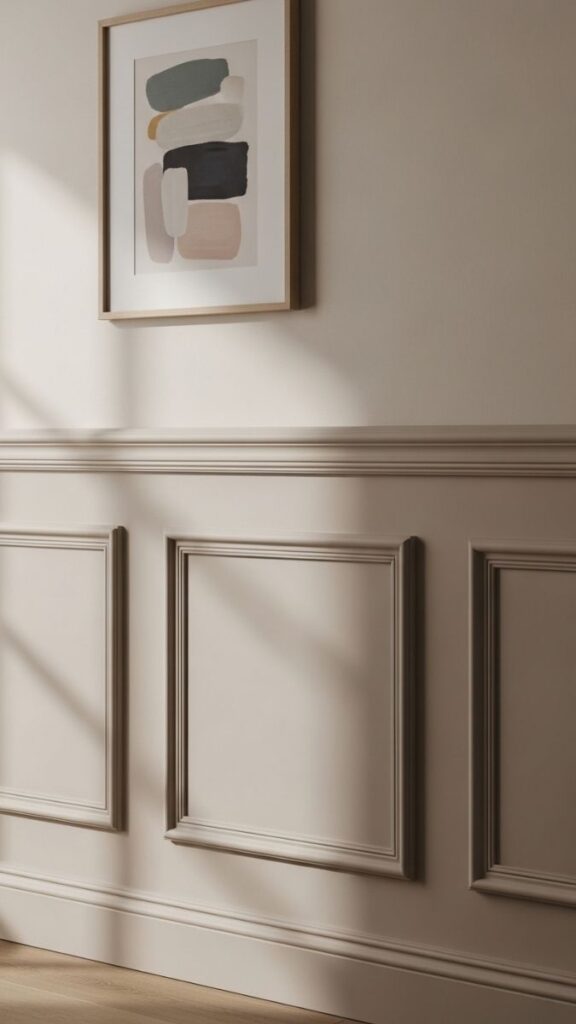
Architectural detail like wainscoting or picture rail molding adds a period quality that furniture and decor alone can’t fully replicate. In older homes, these features are often already present but painted over stripping and repainting them in a crisp white or soft cream immediately restores period character. In newer homes, peel-and-stick or MDF molding kits are a renter-friendly alternative that create a similar effect. Wainscoting works especially well in rooms with lower ceilings because the horizontal line it creates makes the room feel wider rather than taller.
A Chesterfield Sofa in Leather or Velvet
The Chesterfield is arguably the most architecturally distinct sofa silhouette for vintage interiors; the rolled arms, buttoned back, and bun feet are immediately recognizable and hold up well as the room’s primary statement piece. In leather, it reads as more masculine and library-like.
In velvet (particularly dusty pink, forest green, or deep navy), it shifts into something warmer and more eclectic. Either way, keeping the surrounding furniture relatively simple a Chesterfield tends to visually dominate a room, and competing pieces can make the space feel cluttered rather than layered.
Vintage Clocks as Wall Decor
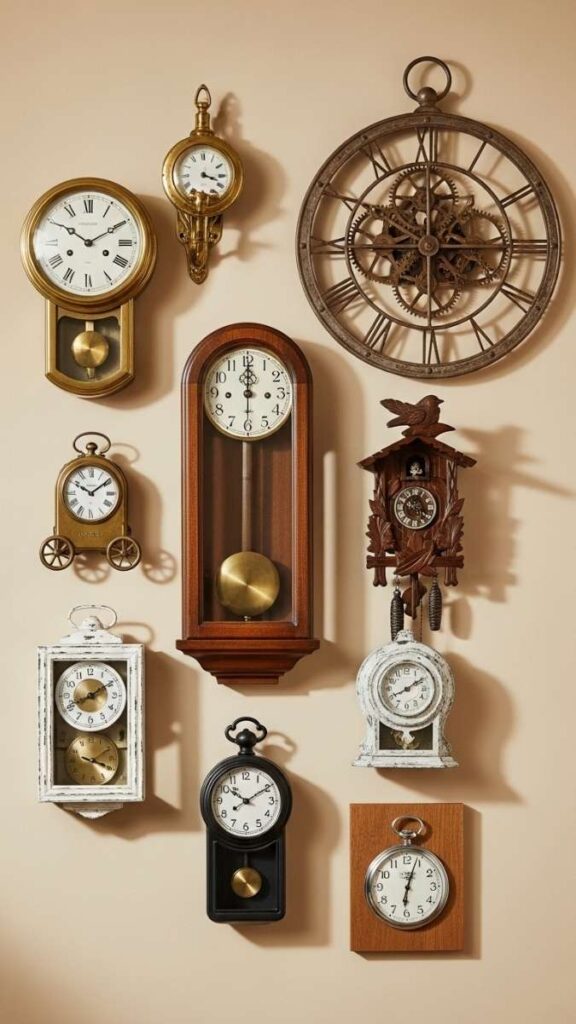
A vintage clock, particularly a large one with a visible mechanism or Roman numerals functions as both art and object in a way that purely decorative wall pieces don’t. Position it as the anchor of a small wall grouping rather than centering it in isolation, which can feel too intentional. Pair it with two or three smaller framed pieces at varying heights around it.
Starburst clocks from the mid-century era, ornate pendulum styles, and industrial station clocks all read as vintage while fitting different aesthetic directions.
Exposed Brick or Brick Wallpaper Accent Wall
Exposed brick is one of those architectural details that immediately anchors a space in a specific kind of vintage mood: urban, warm, slightly industrial. If you have it, work with it rather than around it: let it be the backdrop for the main seating area rather than a side wall, and use warm lighting to bring out the texture.
If you don’t have real brick, brick-effect wallpaper has improved significantly in realism and is now a genuinely viable option. In either case, keeping the furniture in front of the wall relatively simple, the brick provides enough visual complexity on its own.
A Persian or Kilim Rug as the Room’s Color Foundation
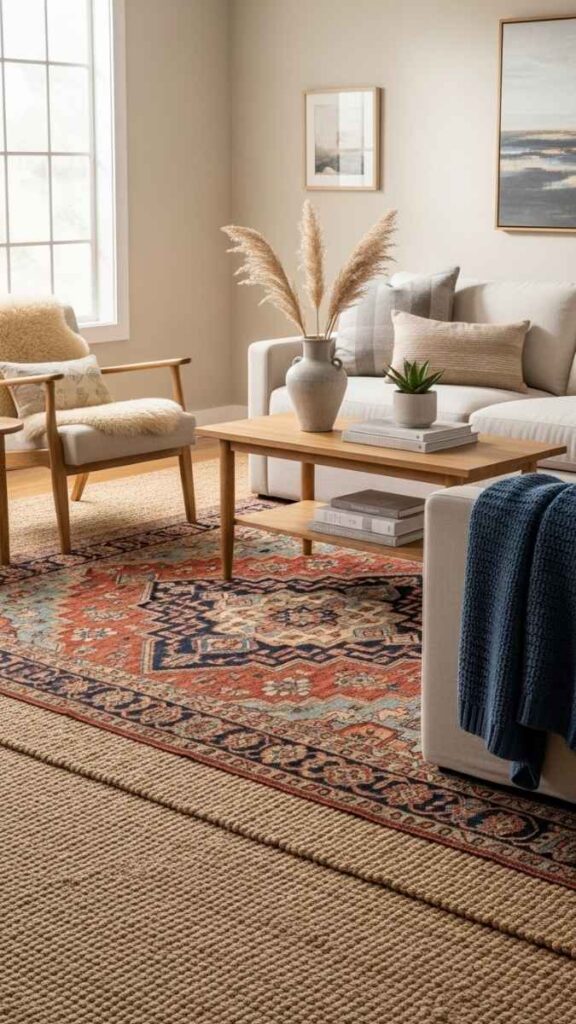
Starting the room’s color palette with a vintage rug rather than paint or upholstery is a practical strategy because it gives you a fixed point to pull colors from. A Persian rug with red, navy, and ivory tones, for example, immediately suggests what lamp shades, throw pillow colors, and frame finishes will work in the space.
Pull two or three colors from the rug into the room’s other soft furnishings rather than matching them exactly. This avoids the over-coordinated look that makes vintage rooms feel theme-y rather than collected.
Dark Paint on One Wall Moody Backdrop Effect
A single dark wall forest green, navy, deep terracotta, or charcoal creates a backdrop that makes vintage furniture and artwork read more dramatically. It’s particularly effective on the wall behind the sofa or the fireplace wall, where it frames the main seating area rather than surrounding it. In my experience, this works best when the remaining walls stay light; the contrast is what creates the effect, and dark walls on all four sides in a smaller room can feel oppressive rather than atmospheric.
The dark wall also reduces the visual weight of artwork hung against it, which means you can display smaller pieces without them getting lost.
A Vintage Trunk or Chest as a Coffee Table
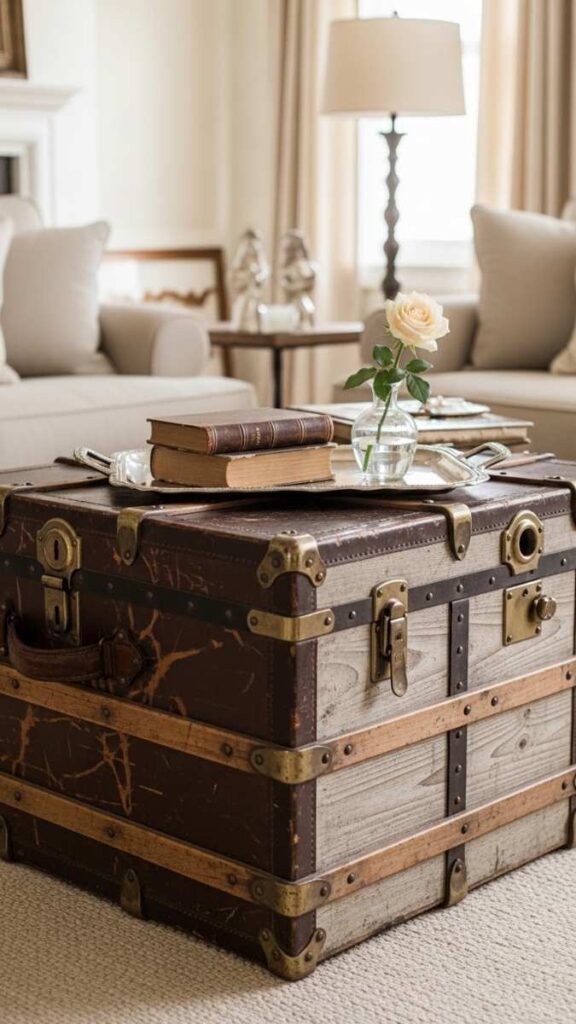
Using a vintage trunk as a coffee table is one of those dual-function ideas that solves a storage problem while contributing to the room’s aesthetic. A leather or wooden steamer trunk at the right height (roughly the same level as your sofa cushions) functions as a surface for trays, books, and drinks while storing blankets, games, or other living room items inside.
Position it centered on the area rug, directly in front of the sofa. The irregular texture and wear of a genuine vintage trunk adds authenticity that a reproduction furniture piece rarely achieves.
Vintage-Inspired Wallpaper on One Wall
A single wall of vintage-inspired wallpaper botanical, damask, toile, or geometric creates enough period character to carry the room’s aesthetic direction without committing every surface. Apply it to the wall with the most natural visual focus (usually the fireplace wall or the wall behind the main sofa).
Keeping the furniture in front of it relatively quiet in terms of pattern solid upholstery in a color pulled from the wallpaper works better than competing prints. This is particularly effective in rentals where wallpaper is allowed, since it’s a single-wall commitment that’s reversible.
A Reading Nook With Vintage Styling
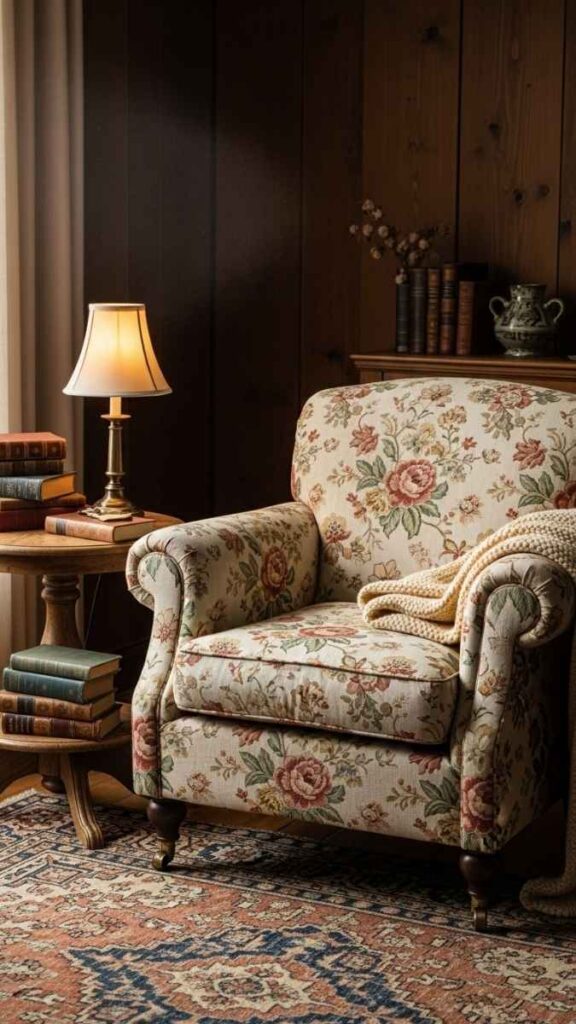
A reading nook carved out of a corner, a wingback or tub chair, a floor lamp positioned behind it, and a small table for a drink creates a secondary zone in the living room that makes the space feel more intentional and multi-functional.
Style the bookshelf nearby with a curated mix of books (grouped by color or size rather than strict alphabetical order), a few small objects, and a plant. The nook setup works particularly well in larger living rooms where one seating area near the TV doesn’t fully activate the room. It also solves the common problem of corner dead zones.
Ceramic and Pottery Accents in Earthy Tones
Handmade or vintage ceramics particularly in terracotta, cream, sage, and muted rust add the kind of organic texture that manufactured objects don’t. Group them in odd numbers (three or five) at slightly different heights on a shelf or console table. Mixing glazed and unglazed finishes within the same grouping adds visual complexity without chaos.
I’ve noticed this style tends to work better when the ceramics are kept in a relatively tight tonal range; reaching too wide into unrelated colors makes the grouping look like a random collection rather than a considered one.
Linen Curtains in Warm Neutral Tones
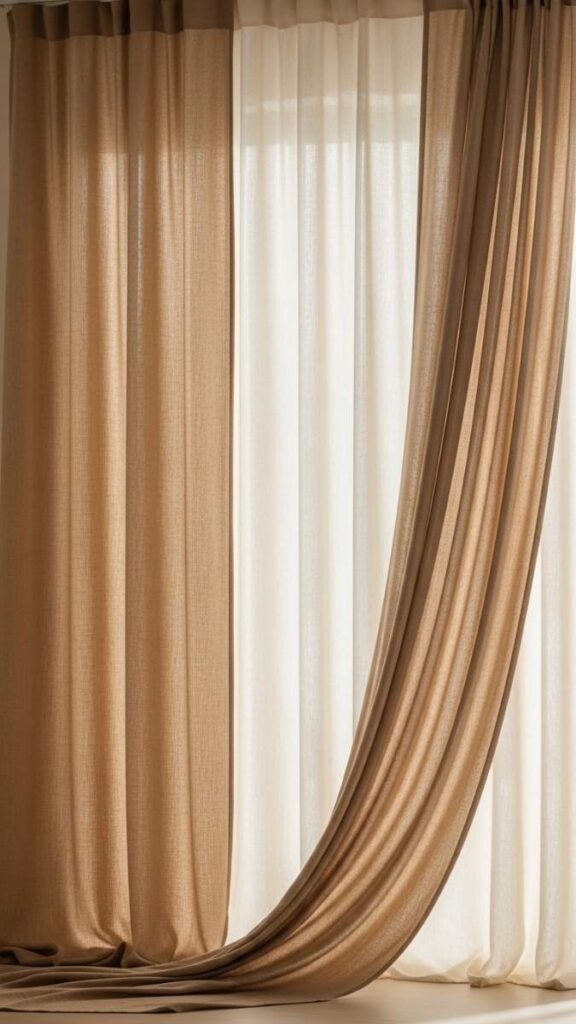
Linen curtains hung from ceiling to floor even in a room with standard-height windows create a sense of architectural height and softness that shorter curtains simply don’t. Install the rod close to the ceiling rather than above the window frame, and let the fabric puddle slightly at the floor for a relaxed, lived-in effect.
Warm ivory, oat, or soft flax tones work best in vintage living rooms because they allow natural light to filter through warmly rather than blocking it with a heavier fabric. This is a renter-friendly setup; most curtain rods require only a few screws, and the curtains themselves travel with you.
Vintage Maps or Blueprints as Framed Art
Oversized vintage maps or architectural blueprints framed simply in black, white, or natural wood add visual scale to a wall while contributing to the collected, travel-worn feel of a vintage interior. They work especially well on walls that need a large single piece rather than a gallery arrangement.
Source them from antique markets, estate sales, or digital archives (many historical maps are in the public domain). The combination of the aged document, the scale, and the map subject matter tends to be a reliable conversation piece without requiring any curatorial explanation.
A Console Table With Layered Vintage Styling
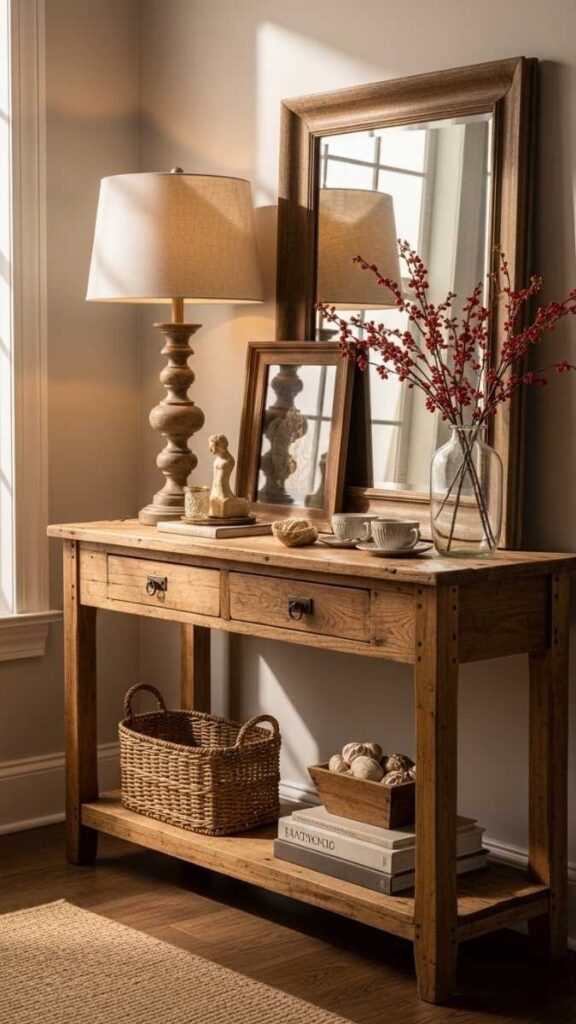
A console table against a wall particularly in a dark wood or painted finish creates a secondary display surface that organizes the room’s decorative layer. Style it with varying heights: a tall lamp on one end, a framed piece of art or small mirror propped against the wall behind it, a stack of books, and one or two smaller objects.
The layering creates depth even though the table itself is flat against the wall. This setup is particularly useful in living rooms that have a long, underused wall and need something to interrupt the emptiness without adding bulk.
Plants and Greenery in Vintage Containers
Plants in a vintage living room work best when the containers are doing some of the aesthetic work terracotta pots, wicker baskets, brass planters, and aged ceramic vessels all reinforce the vintage palette more effectively than modern plastic nursery pots. Mix plant scales: one larger floor plant (fiddle leaf fig, rubber plant, or monstera) and several smaller tabletop or shelf plants.
Trailing plants like pothos or string of pearls add movement and a slightly overgrown quality that vintage interiors tend to wear well. Place the larger plant near a window where natural light direction is obvious; it reads more intentionally when the plant is clearly thriving.
What Actually Makes a Vintage Living Room Feel Cohesive
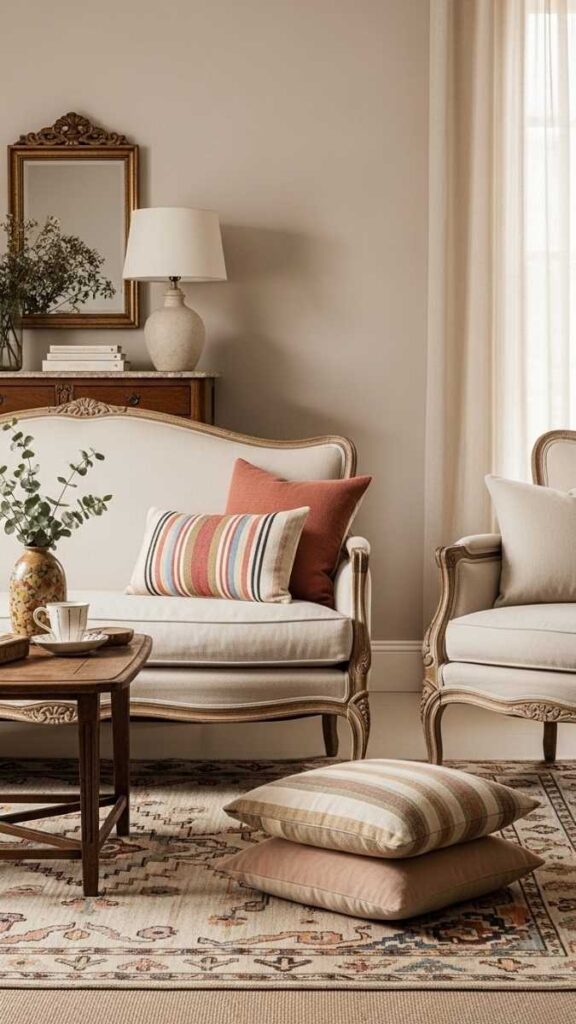
The most common mistake in vintage decorating is collecting too many statement pieces without a unifying through-line. A room can have a Chesterfield sofa, a Persian rug, antique frames, and a velvet armchair and still feel chaotic if the colors are fighting each other or the scale of the furniture is mismatched.
The through-line is usually one of three things: a consistent color palette pulled from a rug or a key textile, a repeated material (brass throughout, or dark wood throughout), or a consistent finish tone (warm vs. cool). Pick one of these as your anchor before adding decorative layers. Everything else becomes easier to edit when you have a fixed reference point.
Lighting is the second most overlooked element. Vintage rooms photograph beautifully because they rely on warm, layered lighting rather than overhead fixtures. Multiple light sources at different heights create the kind of ambient glow that makes furniture and textures read well. If your living room still relies on a single ceiling light, no amount of vintage furniture will make it feel right.
Vintage Living Room Setup Comparison
| Setup | Best For | Space Type | Problem Solved | Budget Level |
| Tufted sofa as anchor | Bold aesthetic statement | Medium to large rooms | Generic, personality-free space | Mid to high |
| Layered rugs | Warmth and zone definition | Any size | Cold or undefined seating area | Low to mid |
| Gallery wall with vintage frames | Empty or bare walls | Any room size | Blank, unfinished walls | Low |
| Brass lighting fixtures | Mood and ambient warmth | Any layout | Flat, harsh overhead lighting | Low to mid |
| Persian rug as color foundation | Palette direction | Medium to large | Uncoordinated color scheme | Mid |
| Vintage trunk as coffee table | Storage + aesthetic | Small to medium | Clutter, lack of storage | Low to mid |
| Dark accent wall | Drama and depth | Any with good light | Flat, uninspired backdrop | Low |
| Linen curtains ceiling to floor | Height and softness | Small or standard-height rooms | Short windows, low ceilings | Low to mid |
Common Vintage Living Room Mistakes That Make the Space Feel Cluttered
Too many focal points competing at once.
When a room has a bold sofa, a gallery wall, a statement rug, a decorative fireplace, and a bar cart all visible from the same sightline, nothing reads clearly. Vintage rooms work best when one or two elements lead and the rest support.
Buying reproductions that look too new.
New reproductions in vintage styles often lack the slight imperfections, varied patina, slight asymmetry, natural material wear that make genuine vintage pieces feel authentic. If budget allows, one real vintage piece (a rug, a mirror, a lamp) reads better than five perfect-looking reproductions.
Ignoring scale.
A delicate vintage side table next to a large modern sofa looks awkward regardless of how beautiful the table is individually. Vintage decorating requires attention to the proportional relationship between pieces: large sofas need substantial coffee tables, tall ceilings need larger artwork, and small rooms need furniture with visual lightness (tapered legs, open bases) rather than heavy upholstered blocks.
Overcrowding shelves.
Open shelving in a vintage room is most effective when roughly 30% of the shelf space is empty or negative space. Filling every inch makes the room feel congested rather than collected.
Neglecting lighting.
Vintage rooms depend on layered, warm lighting to feel atmospheric. If you’ve invested in the furniture and textiles but the room still feels flat in the evening, the overhead light is almost certainly the issue.
FAQ’s
What is a vintage living room style?
A vintage living room style draws from design aesthetics of past decades typically the 1920s through 1970s using furniture with period silhouettes (tufted sofas, turned legs, wingback chairs), warm materials (velvet, leather, brass, natural wood), and layered decor like Persian rugs, gallery walls, and antique objects. It differs from “antique” in that it mixes old and new rather than recreating a strict period look.
How do I make my living room look vintage without buying antiques?
Focus on materials and silhouettes rather than age. Velvet upholstery, brass fixtures, linen curtains, and tufted or curved furniture all signal vintage without requiring genuine antiques. Secondhand shops and estate sales are good sources for lower-cost pieces with authentic wear, and free public domain botanical prints work well as affordable vintage wall art.
What colors work best in a vintage living room?
Warm, muted tones tend to work best with deep greens, burgundy, mustard, terracotta, navy, and warm cream. These shades appear frequently in vintage textiles (particularly Persian rugs) and complement aged materials like brass and dark wood naturally. Avoid bright, saturated modern tones, which tend to clash with vintage furniture’s warmer finish.
Is vintage decor a good choice for small living rooms?
Yes, with some caveats. Avoid large, heavy-upholstered pieces in tight spaces instead, look for vintage styles with visual lightness: tapered legs, open-arm chairs, and round coffee tables. A single strong vintage element (a Persian rug or a gallery wall) in an otherwise simple room tends to read better than multiple competing pieces in a small layout.
What’s the difference between vintage and shabby chic style?
Vintage living rooms lean toward a collected, layered aesthetic that pulls from multiple eras and mixes materials intentionally. Shabby chic is more specifically associated with distressed painted furniture, soft florals, and a predominantly white or pale pink palette with a deliberately worn, romantic feel. Both use older or older-looking pieces, but vintage is generally warmer in tone and more eclectic in its references.
How do I start decorating a vintage living room on a budget?
Start with the elements that have the highest visual impact for the lowest cost: curtains (linen panels hung high), throw pillows in velvet, and a gallery wall using public domain prints in thrifted frames. A secondhand rug, even an imperfect one adds more vintage character than almost any new purchase at a similar price point. Build from those foundations before investing in larger furniture pieces.
What lighting works best in a vintage living room?
Layered warm lighting from multiple sources at different heights floor lamps, table lamps, and candles creates the ambient quality that vintage rooms are known for. Edison-style bulbs in exposed brass fixtures reinforce the period feel. Avoid cool-toned LED lighting, which tends to wash out warm materials like wood, velvet, and aged metals.
Conclusion
A vintage living room doesn’t require a complete overhaul or a large budget; it’s built piece by piece, with attention to material, scale, and lighting rather than matching sets. The ideas here range from architectural (wainscoting, exposed brick) to easily reversible (throw pillows, curtains, gallery walls), so there’s a realistic entry point regardless of your situation.
Start with one or two ideas that address your room’s most obvious gap whether that’s a blank wall, flat lighting, or a lack of warmth and texture. A layered rug and a brass lamp, for example, can shift the entire atmosphere of a room before anything else changes. Work from there, and add pieces gradually as you find the right ones rather than filling the room all at once.