44+ Cozy Vintage Apartment Ideas That Make Small Spaces Feel Warm, Layered, and Lived In
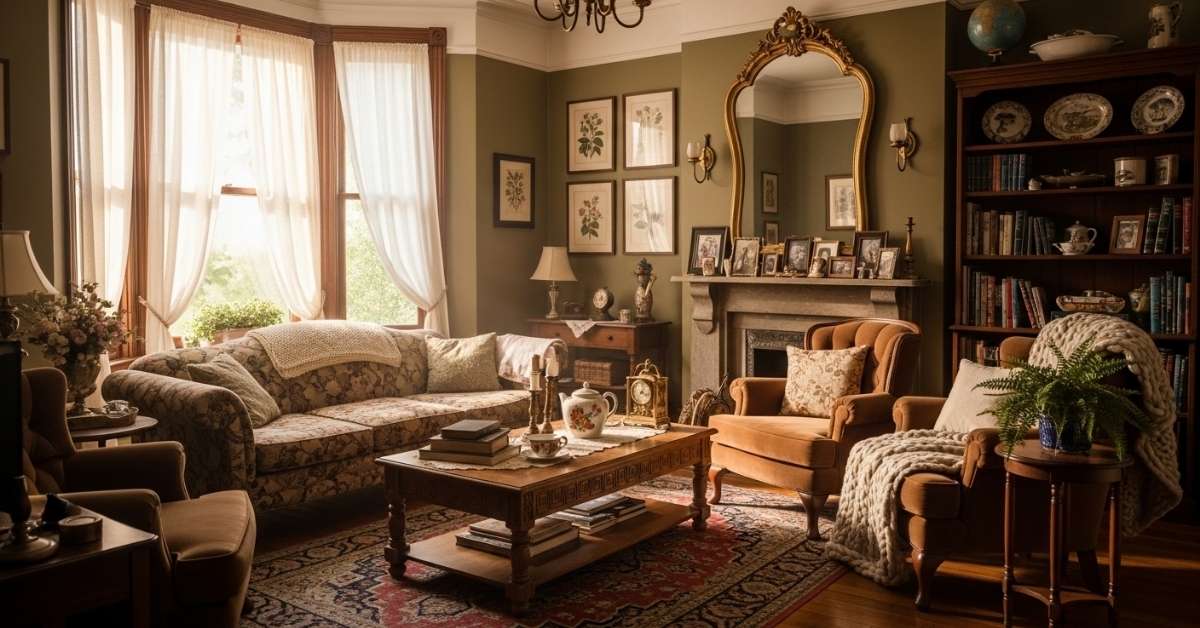
If your apartment feels too sterile, too sparse, or just… not quite you, vintage layering is one of the most forgiving design approaches out there. You don’t need a big budget or a large space. Cozy Vintage Apartment You need the right combination of texture, light, and objects that hold visual interest without tipping into clutter.
This list is especially useful if you’re renting a smaller apartment and want it to feel cozy and character-rich without doing anything permanent. Most of these ideas work with what you already have; they just need to be arranged differently.
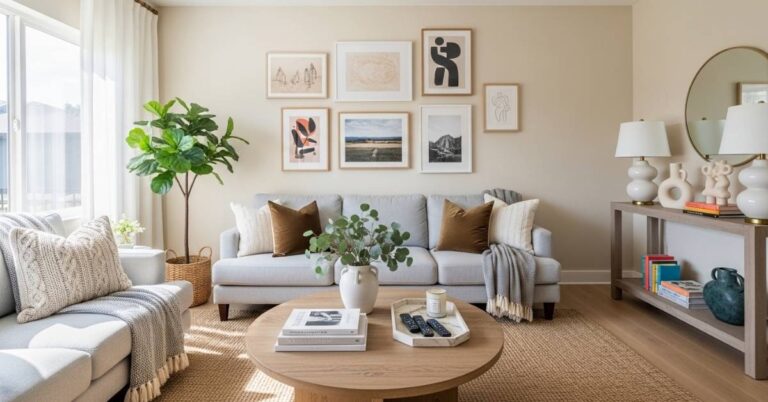
A Velvet Sofa Against a Warm Toned Wall
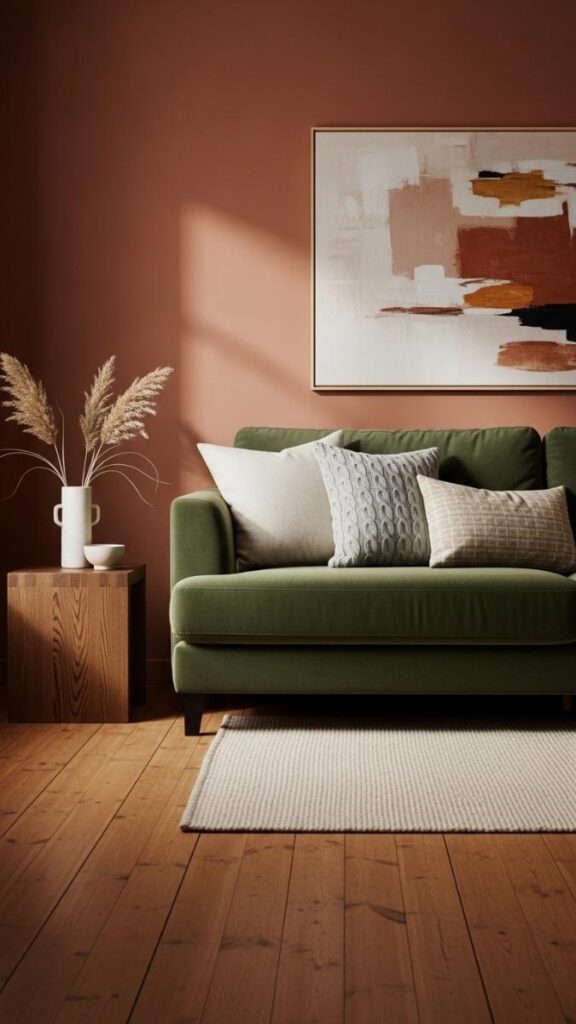
Velvet and vintage go together for a reason. The fabric holds light differently throughout the day; it looks moody in the evening and surprisingly soft in natural light. A deep-toned velvet sofa (think forest green, rust, dusty plum) placed against a warm-painted or textured wall immediately anchors the room.
The combination creates visual depth that makes even a compact living room feel intentional rather than cramped. Where it works best are narrow living rooms where you need the sofa to do most of the decorative heavy lifting.
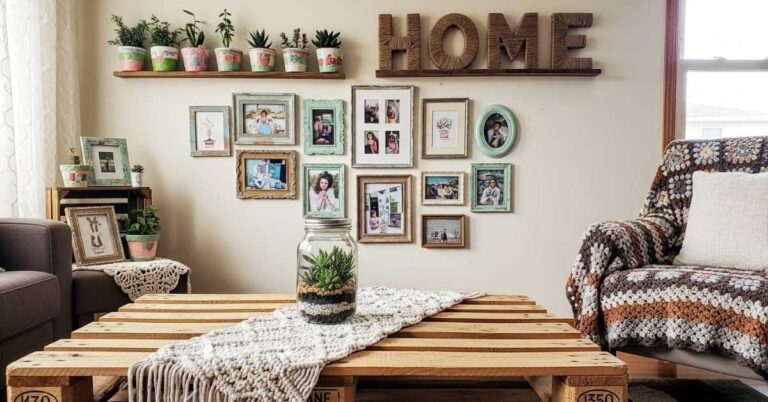
Mismatched Vintage Frames Arranged as a Gallery Wall
The trick with vintage gallery walls isn’t symmetry, it’s cohesion through age. Mix ornate gilded frames with plain wooden ones, but keep the artwork tonal black and white photography, sepia botanical prints, old maps. Hang them close together so the wall reads as a single composition rather than scattered objects.
This setup works well above a sofa or along a narrow hallway where blank wall space feels like wasted potential. It solves the “empty wall” problem without requiring expensive art pieces.
Layered Rugs on Hardwood or Tile Floors
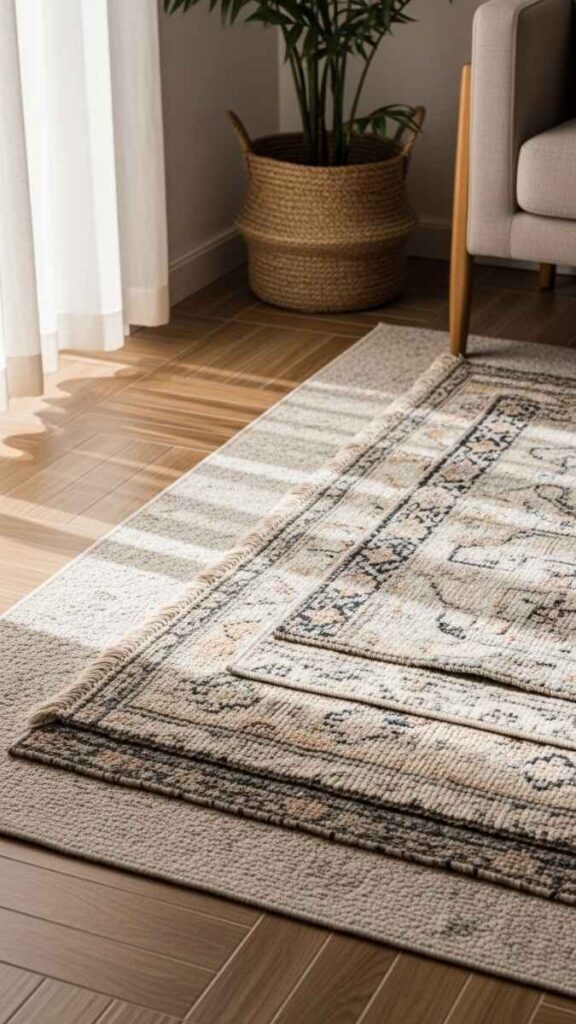
In my experience, this is one of the first ideas I’d recommend trying because the impact is immediate and completely reversible. Layering a smaller vintage-style or Persian rug over a natural fiber base rug (jute or sisal) adds warmth, texture, and the kind of grounded coziness that bare floors simply can’t deliver.
The key is scale: the base rug should be large enough to anchor the furniture, and the top rug should sit centered or slightly offset. Works especially well in living rooms with cold tile or light-colored hardwood.
A Reading Nook Built Around a Single Armchair
You don’t need a bay window to build a reading nook, you need one good chair, one good light source, and a surface for your drink. A worn leather armchair or a tufted accent chair in the corner of a room, paired with a tall arc floor lamp and a small side table, creates a defined zone within an open space.
The lamp does most of the work warm-toned bulbs (2700K or lower) make the corner feel pulled apart from the rest of the room in the best possible way. Ideal for studio apartments where you want zones without walls.
Open Wooden Shelving with Curated Vintage Objects
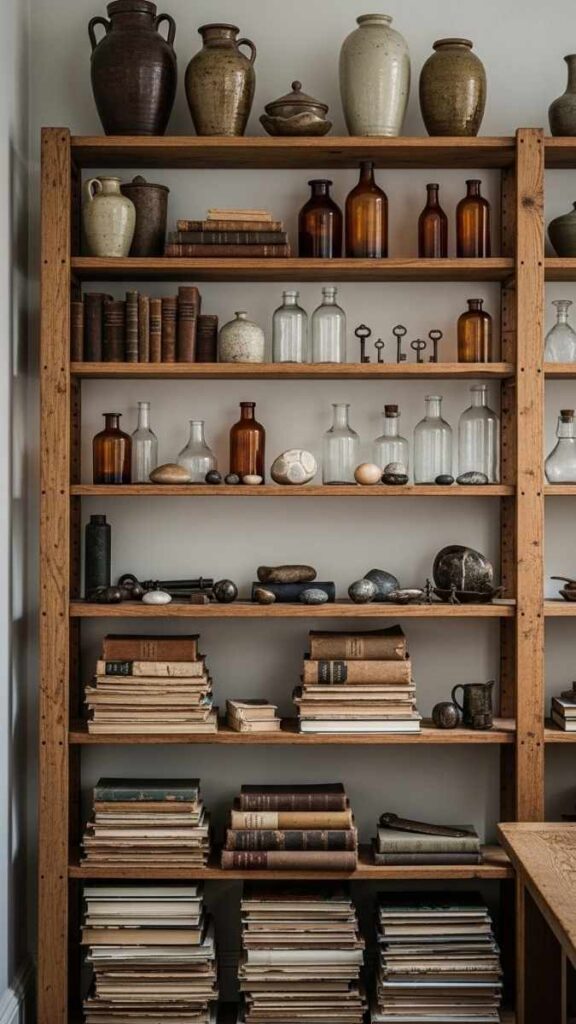
Open shelving in a vintage apartment works when it’s edited. The goal isn’t to display everything, it’s to create a rhythm between objects. Mix tall and short items, vary textures (ceramic, wood, glass, linen-bound books), and leave breathing room between groupings. Dried botanicals and trailing plants add organic softness.
This setup solves the storage-vs-aesthetic tension that most small apartments struggle with the shelving is functional, but it reads as decor. Best for living rooms or bedrooms where you need storage without closing off the space.
Warm Edison Bulb Lighting Instead of Overhead Fluorescents
Overhead lighting in most apartments is the single biggest obstacle to a cozy atmosphere. The fix isn’t complicated: turn it off and replace it with layered lamps. Table lamps at seated eye level, a floor lamp in one corner, and Edison bulb string lights draped along a shelf or window frame create ambient light that feels warm and dimensional.
This is especially useful in rentals where you can’t rewire anything plug-in options do everything you need. The spatial effect is significant: a room lit from multiple low points feels larger and much more inviting than one lit from a single ceiling source.
A Vintage Wooden Dining Table as the Room’s Focal Point
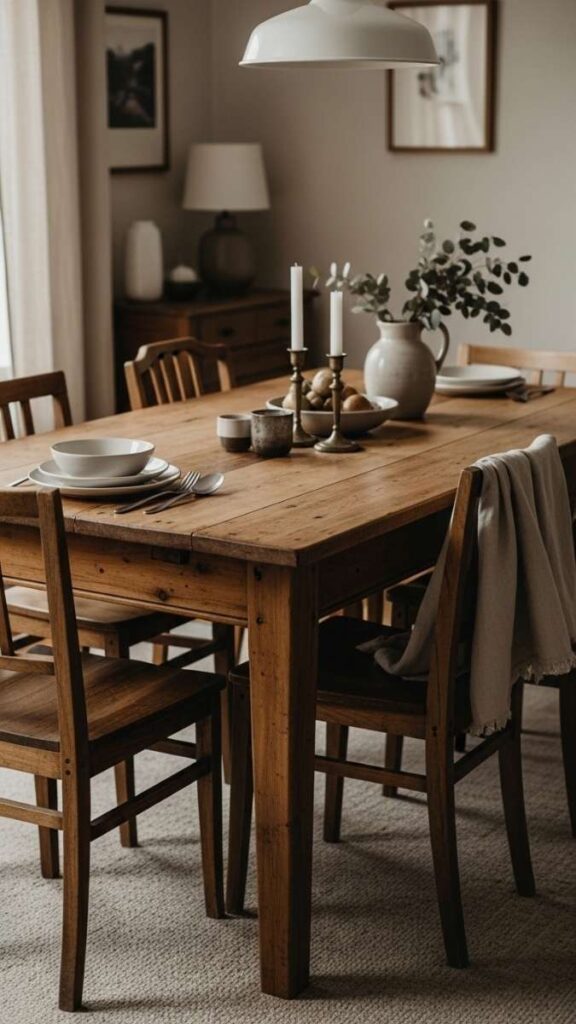
Round vintage dining tables are underrated in small apartments. The absence of corners makes movement easier, and the worn patina of aged wood adds instant warmth that new furniture takes years to develop.
Pair it with mismatched chairs two cane-back, two upholstered for a collected-over-time feel. A pendant light hung low over the table (around 30 inches above the surface) draws the eye down and makes the dining area feel like a defined room within a room.
Works in open-plan apartments where the dining zone needs visual separation.
Read More About: 43+ Vintage Lake House Decor Ideas That Make Every Room Feel Warm, Collected, and Lived In
Linen Curtains That Pool Slightly on the Floor
Curtains hung close to the ceiling and allowed to just graze or lightly pool on the floor create the impression of taller walls and a more generous room. Linen is the right fabric for vintage spaces; it’s slightly rumpled by nature, which reads as relaxed rather than careless.
Avoid stiff polyester panels; they kill the softness immediately. In a small apartment, this single change can make the room feel 20–30% taller without touching the walls. Best for bedrooms and living rooms with low or average ceiling heights.
A Brass or Antique Gold Mirror as a Statement Piece
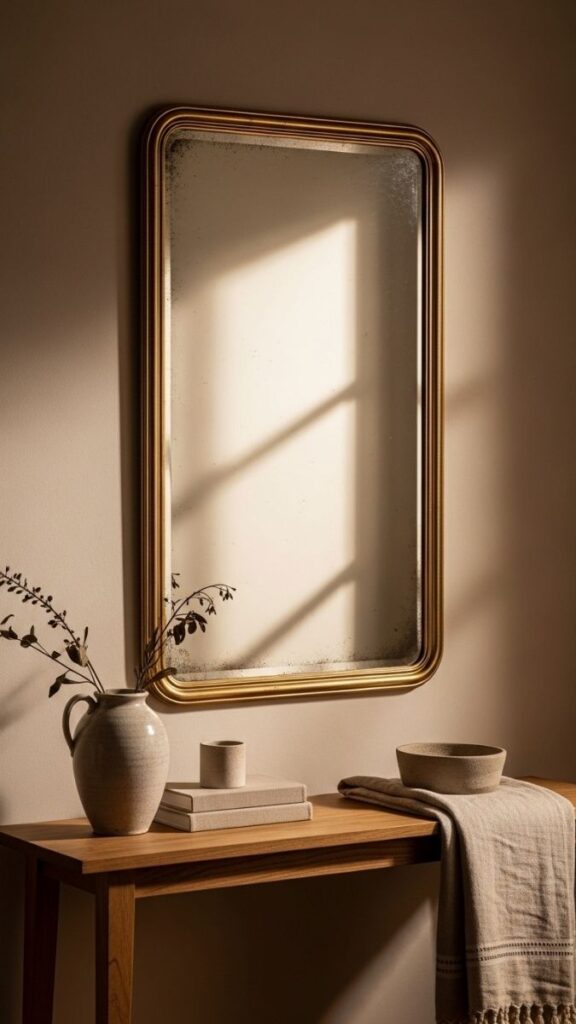
A large vintage mirror leaning rather than hung does two things simultaneously: it reflects light into darker corners and creates the impression of additional square footage. Brass or antique gold frames suit the vintage aesthetic without looking overly formal.
Position it opposite a window when possible to maximize light bounce. In an entryway, it makes a narrow space feel open. In a living room, it adds depth to a flat, featureless wall. This is one of those pieces that solves multiple spatial problems with a single object.
Exposed Bookshelves Used as Room Dividers
In a studio or open-plan apartment, bookshelves placed perpendicular to the wall can define zones without blocking light or closing off the space.
A low bookshelf (around waist height) between a sleeping area and a living space lets each zone feel distinct while maintaining visual openness. Fill it with books, a few plants, and a small lamp on top.
The result is functional storage, a spatial divider, and a decor moment all in one piece of furniture.
A Vintage Trunk or Ottoman as a Coffee Table
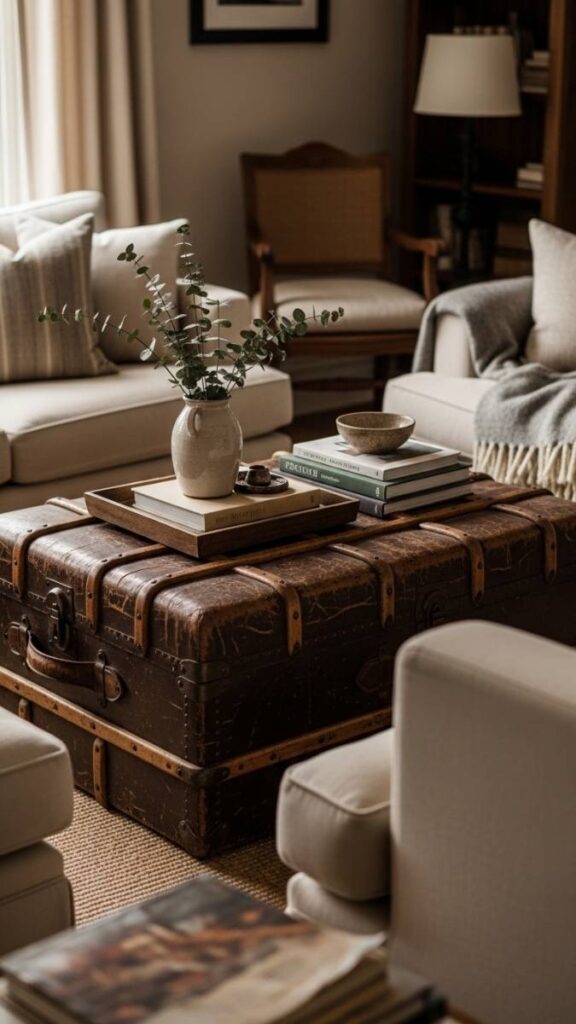
Vintage trunks work as coffee tables because they carry genuine age, the patina, the hardware, the imperfect edges and they add hidden storage at the same time. Top them with a wooden tray holding a candle, a small plant, and a couple of books to create a surface that’s both usable and visually grounded.
This solves the small living room problem of needing a coffee table without sacrificing floor space to something purely decorative. The storage inside is genuinely useful for throws, extra pillows, or media equipment.
Antique or Thrifted Ceramics Grouped on a Windowsill
Windowsills are underused in most apartments. A grouping of antique or thrifted ceramics of varying heights, similar earth tones arranged on a windowsill creates a low-maintenance vignette that gets better with natural backlighting.
The silhouettes of the vessels against the light add depth and visual interest to an otherwise flat surface. This works best on south- or east-facing windowsills where morning or afternoon light creates a warm glow through the arrangement.
A Canopy or Draped Fabric Above the Bed
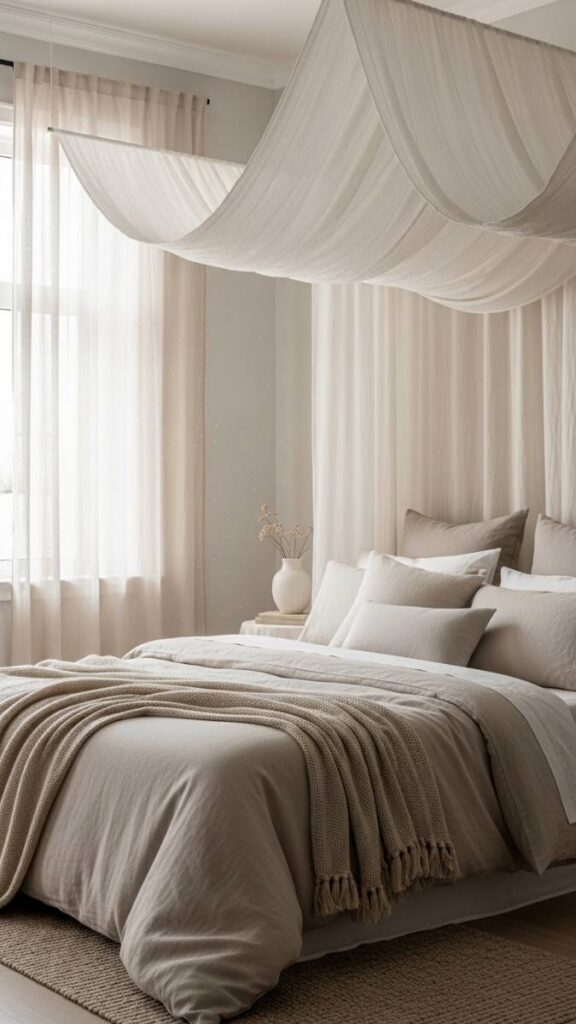
A fabric canopy above the bed creates a sense of enclosure that feels cozy rather than confining. Sheer linen panels or lightweight cotton draped from a ceiling hook or curtain rod transform a bed into a defined sanctuary within the room.
In apartments with high ceilings, this brings the visual scale down to a more intimate level. For renters, removable ceiling hooks work perfectly. The effect is especially strong in bedrooms that otherwise feel too open or too bare.
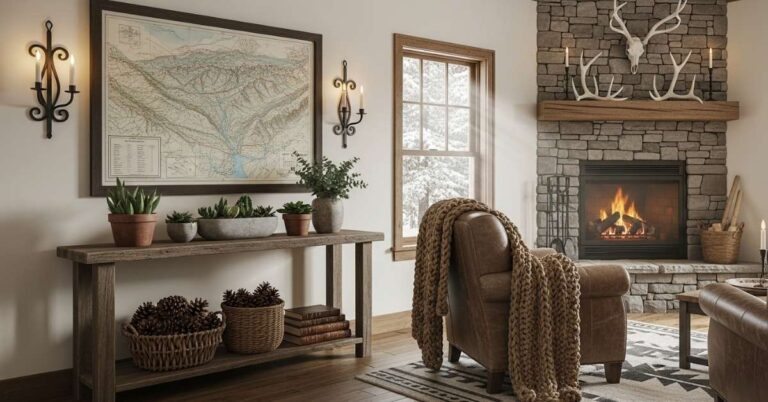
Vintage Maps or Botanical Prints as Artwork
Vintage maps and botanical illustrations are among the most affordable ways to fill wall space with pieces that have actual visual complexity. They reward close inspection; there’s always something new to notice and they read as collected rather than curated.
Frame them consistently (matching thin wood or simple metal frames) to give a mix of prints a cohesive look. A set of three to five botanical prints in mismatched but coordinated frames creates a strong visual grouping for under $50 in most cases.
Read More About: 11+Apartment Living Room Aesthetic Ideas That Actually Work in Real Spaces
Wood-Paneled Accent Wall or Shiplap Effect
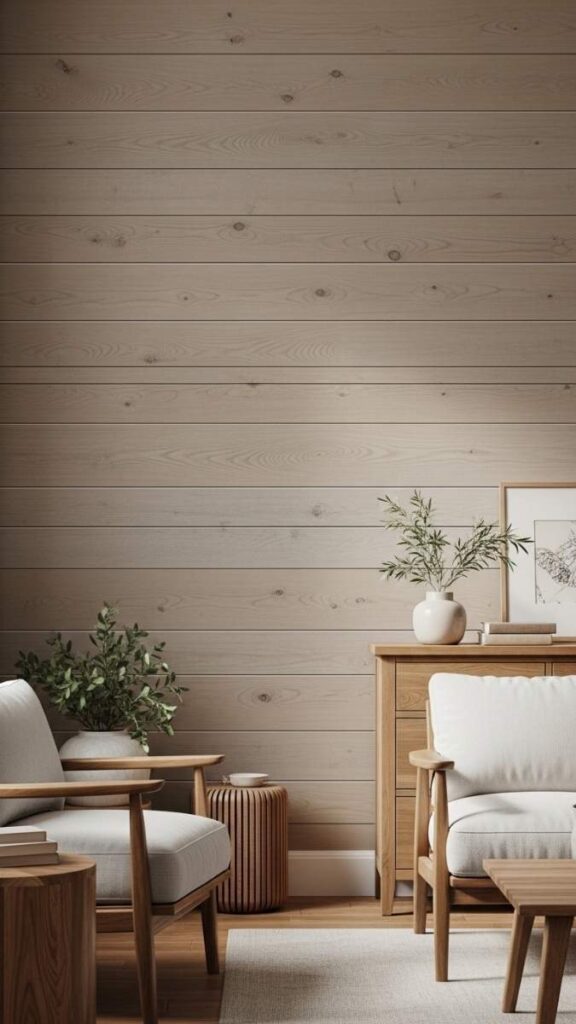
Not all rentals allow painting, but removable wood panels or peel-and-stick shiplap have become genuinely good options in recent years. A single accent wall in a bedroom or living room adds warmth, texture, and visual depth in a way that paint alone can’t replicate.
Warm honey or medium walnut tones work best in vintage spaces to avoid anything too pale or too red. The wood grain adds organic texture that complements vintage furniture and natural fiber rugs naturally.
A Vintage Desk Lamp on Every Workspace Surface
Task lighting in vintage apartments shouldn’t be clinical. A brass or aged bronze desk lamp with a fabric shade placed at the corner of a writing desk or work surface adds function and atmosphere simultaneously.
In 2026, the trend toward warm, intentional lighting in work-from-home setups has made this kind of piece far more common and more affordable. It solves the problem of harsh overhead lighting in home office corners without requiring any rewiring.
Layered Bedding with Vintage Quilts and Linen Sheets
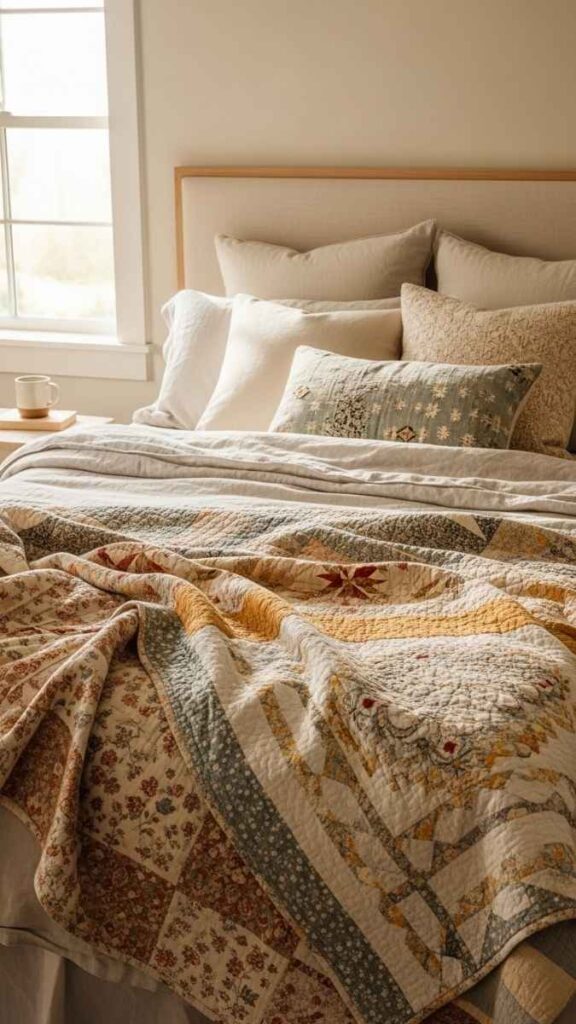
The bed is the largest object in most bedrooms, which means it does the most work in terms of visual warmth. Layering linen sheets (slightly rumpled, never too crisp) with a vintage quilt folded at the foot creates a relaxed, lived-in look that feels genuinely cozy rather than styled.
Add a mix of pillow textures, linen, cotton, a velvet accent but keep the palette neutral. This works in any size bedroom and requires no additional furniture.
Potted Plants in Terracotta or Ceramic Vintage Pots
Plants in vintage apartments work best when the containers are as considered as the plants themselves. Terracotta pots, aged ceramic glazed vessels, or woven baskets add an organic, earthy layer that plastic nursery pots completely undermine.
Group three to five plants at varying heights in a corner or on a shelf: a tall fiddle leaf or snake plant, a mid-height pothos, and a low succulent or fern. The vertical variation creates movement and draws the eye upward in small spaces.
A Vintage Bar Cart in the Living Room
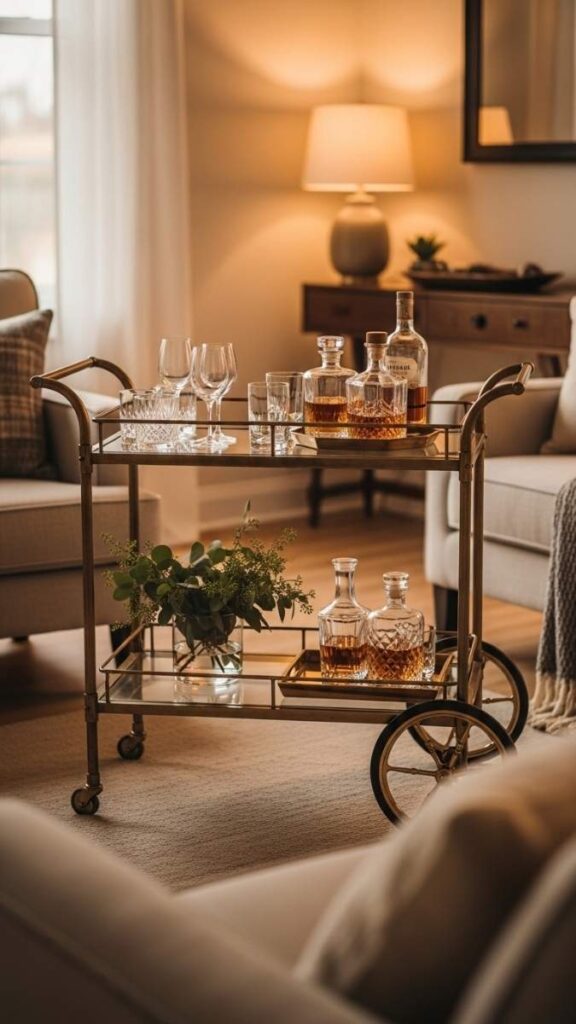
A bar cart in a vintage apartment isn’t just functional, it’s a visual moment. A brass or wrought iron cart loaded with glass decanters, mismatched vintage glassware, and a small plant or candle becomes an accent piece that earns its floor space.
Position it in a corner or beside a sofa to define the edge of the seating area. This works especially well in open-plan apartments where you want to create visual anchors across the room without adding large furniture.
Read More About: 41+Amazon Finds Room Decor Ideas That Actually Work in Real Homes
Woven and Macramé Wall Hangings for Texture
Textile wall hangings solve the “bare wall but can’t paint” problem while adding the kind of organic texture that flat art prints can’t replicate. A large woven or macramé piece hung above a bed or sofa fills vertical space and softens the acoustics of a room at the same time.
Choose natural fibers in cream, warm white, or undyed cotton for the most versatile vintage look. This is one of the more renter-friendly solutions on this list: one nail, maximum impact.
Antique or Vintage Style Clocks as Wall Decor
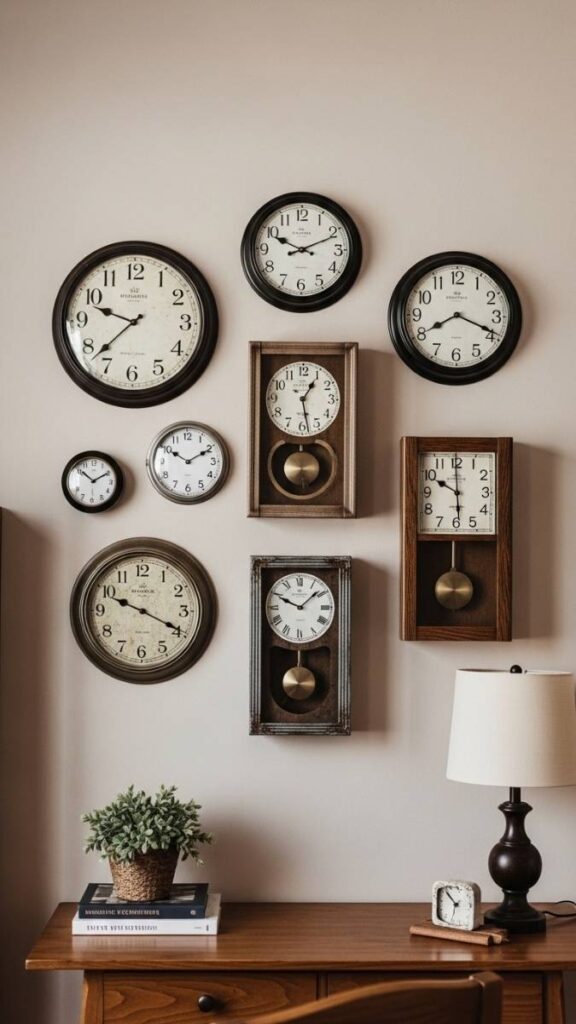
A large vintage clock wall-mounted or placed on a shelf acts as a functional anchor piece that doesn’t require a gallery arrangement around it. The scale matters; a clock that’s too small reads as an afterthought.
A 20–24 inch diameter piece commands attention on its own. Roman numeral faces in aged brass or distressed white work best in vintage apartments. This is a good solution for walls where you want one strong statement rather than a gallery arrangement.
Vintage Textile Throws Draped Over Furniture
A well-placed throw isn’t just about warmth it’s about softening the silhouette of furniture. A draped throw breaks the hard edge of a sofa or armchair arm, adds color and texture in one move, and communicates comfort before anyone sits down.
In vintage apartments, woven or knitted throws in earthy tones (ochre, terracotta, cream, olive) work better than fleece or synthetic options. Drape rather than fold it reads as lived-in rather than staged.
A Vintage Pendant Light Over a Dining or Reading Area
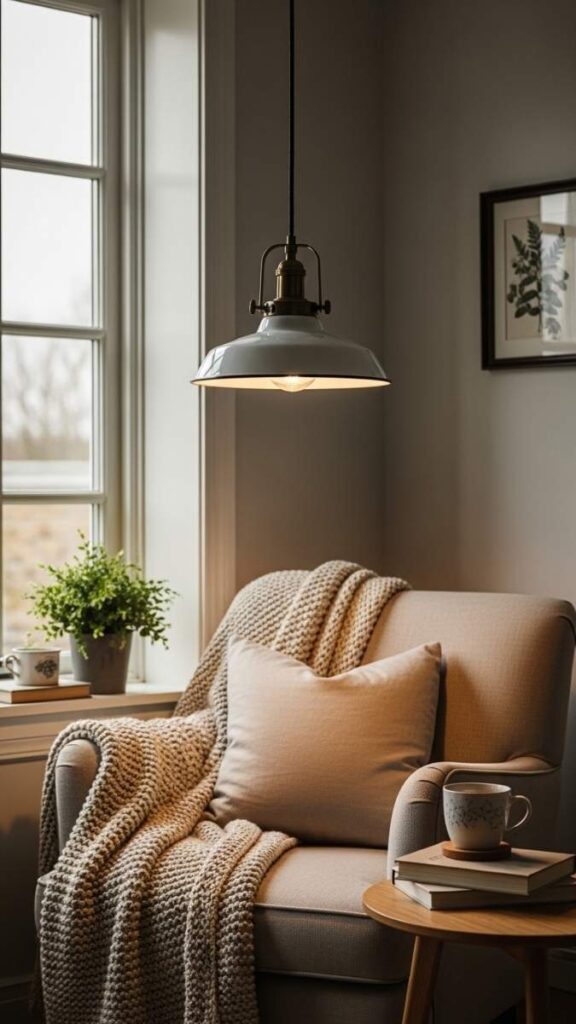
Pendant lights define space in open-plan apartments without adding any floor footprint. A rattan, aged metal, or glass vintage-style pendant hung over a dining table or reading chair creates a visual zone where the light literally says “this area is different from the rest.”
Hang it lower than feels instinctive (30–36 inches above a table surface) for maximum warmth and intimacy. In vintage apartments, woven rattan or antique brass pendants hit the aesthetic note without looking themed.
Apothecary Jars and Vintage Glass on Open Shelves
Apothecary jars and vintage glass bottles grouped on kitchen or bathroom shelves convert utilitarian storage into a decor moment. Fill some with cotton stems, dried lavender, or colored bath salts. Leaving others empty, the glass itself has visual value.
The irregularity of different bottle shapes and heights creates a collected, eclectic feel that works naturally in vintage-style spaces. This is a low-cost, high-impact idea that works in tight shelf spaces.
An Entryway Console Table with Vintage Accessories
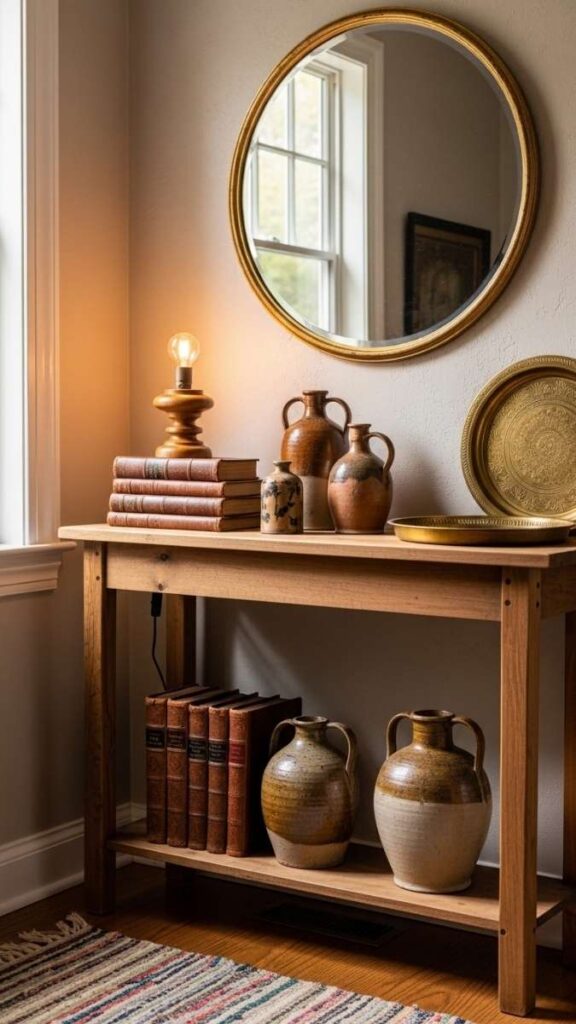
Entryways in apartments are often afterthoughts a place to drop keys and forget. A slim console table with a vintage ceramic or brass lamp, a small mirror above, and a woven basket underneath creates an immediate sense of arrival.
It makes the entry feel like a room rather than a corridor. The basket handles practical storage (shoes, scarves) without being visually disruptive. This works in entryways as narrow as 18 inches deep.
Warm Toned Paint or Limewash on a Single Wall
I’ve noticed this style tends to be the one people hesitate for the longest and then wish they’d done sooner. A warm-toned limewash or clay paint on a single wall terracotta, aged white, warm ochre adds texture and depth that flat paint simply doesn’t have.
The material catches light differently throughout the day, which means the wall looks slightly different in the morning than in the evening. In rentals, limewash is generally removable with permission, and some landlords allow it when asked. The effect is foundational rather than decorative.
A Vintage Fireplace Mantel as a Display Surface
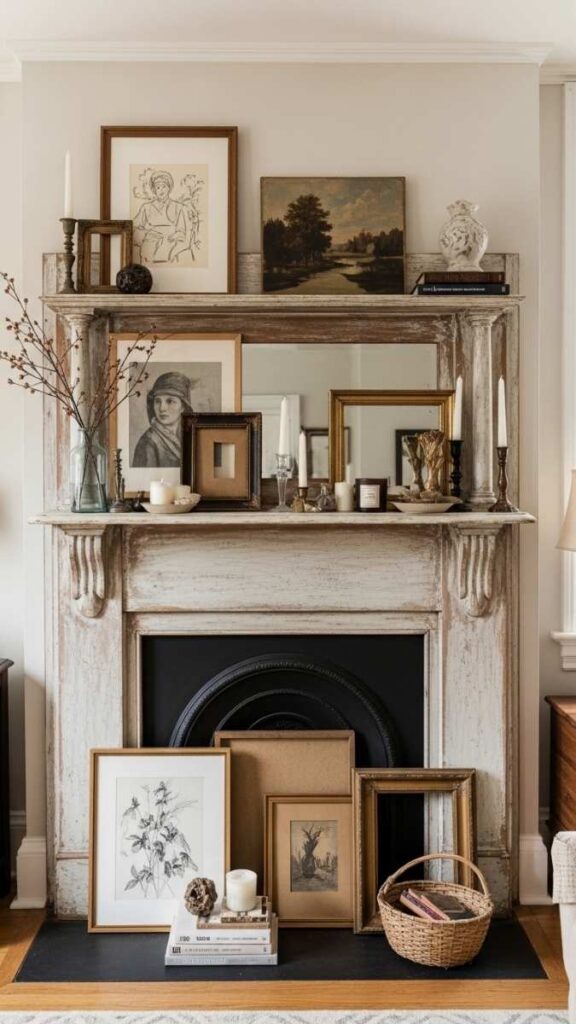
If your apartment has an original fireplace, even a non-functioning one it’s already the natural focal point of the room. Use the mantel as a layered display surface, a large mirror or artwork at the back, candles at varying heights on either side, a small plant, and one or two meaningful objects.
The layering creates visual depth and draws the eye inward. If your apartment doesn’t have a fireplace, decorative mantel panels are available as freestanding pieces and work surprisingly well in living rooms that lack an architectural focal point.
What Actually Makes a Cozy Vintage Apartment Work
Vintage style in a small apartment isn’t about filling every surface, it’s about choosing objects that earn their space. The difference between a cozy vintage apartment and a cluttered one comes down to three things: scale, light, and editing.
Scale means choosing furniture and objects that are proportional to the room. An oversized sofa in a small apartment kills the vintage warmth immediately; there’s no room to breathe around it. Vintage pieces tend to run slightly smaller than contemporary furniture (especially sofas and chairs from the mid-20th century), which is one of the reasons they work so well in compact spaces.
Light is what separates a vintage apartment that feels moody and intentional from one that just feels dark and old. Warm bulbs (2700K), multiple light sources at different heights, and the strategic use of mirrors to bounce natural light all make the difference. Overhead lighting should be a last resort or switched off entirely in favor of lamps.
Editing is the hardest part. Every object needs to justify its presence. If a shelf looks busy, remove one thing. If a wall grouping feels heavy, take down two frames. Cozy vintage spaces feel full but not crowded; that balance requires regular editing, not just initial styling.
Cozy Vintage Apartment Ideas Setup Comparison
| Idea | Space Type | Problem Solved | Budget Level | Renter-Friendly |
| Velvet sofa + warm wall | Small living room | Cold, impersonal feel | Medium | Yes |
| Gallery wall with vintage frames | Narrow hallway living room | Empty walls | Low–Medium | Yes |
| Layered rugs | Any room with hard floors | Cold floors, lack of warmth | Low–Medium | Yes |
| Reading nook armchair | Studio corner space | No defined zones | Medium | Yes |
| Linen floor-length curtains | Bedroom living room | Low ceilings, bare windows | Low | Yes |
| Limewash accent wall | Living room bedroom | Flat, characterless walls | Medium | Ask landlord |
| Open shelving with vintage objects | Living room kitchen | Storage + decor tension | Low | Yes |
| Bar cart | Open-plan living room | Lack of visual anchors | Medium | Yes |
| Vintage pendant light | Dining area reading nook | Undefined zones, flat lighting | Medium | Yes (plug-in) |
| Vintage trunk coffee table | Small living room | No coffee table storage | Low–Medium | Yes |
How to Arrange a Cozy Vintage Apartment for Better Flow and Function
The layout decisions you make in a vintage apartment matter as much as the objects you choose. Here’s how to think through the arrangement systematically.
Start with the sofa placement.
In most living rooms, the instinct is to push the sofa against the wall. Vintage spaces actually work better when the sofa floats slightly pulled 6–12 inches away from the wall. This creates a sense of depth behind the seating area and makes the room feel more deliberate. It also allows a console table or a low bookshelf to sit behind the sofa as a defining element.
Build zones in open-plan spaces.
If your apartment combines living, dining, and sleeping areas, rugs are the most effective zone-defining tool you have. A rug under the sofa and coffee table defines the living zone. A different rug under the dining table defines that space. The floor plan does the work that walls would normally do.
Control the visual weight distribution.
Vintage apartments can feel heavy if all the dark, rich furniture and textiles are concentrated in one area. Spread visual weight evenly if the sofa is deep-toned, balance it with lighter curtains and a pale rug. If one wall has a heavy gallery arrangement, keep the opposite wall minimal.
Think about movement paths.
In small apartments, furniture that blocks natural walking paths makes the space feel smaller and more stressful to live in. Aim for at least 30–36 inches of clear walkway between the sofa and coffee table, and 18–24 inches around the dining table. Vintage furniture tends to be narrower than contemporary pieces, which helps here.
Layer the lighting by zone.
Each zone in the apartment should have its own light source. The reading nook gets a floor lamp. The dining table gets a pendant or a table lamp on a nearby surface. The bedroom gets bedside lamps. Lighting by zone makes the apartment feel like multiple distinct rooms even in a small footprint.
FAQ’s
What makes an apartment look vintage without it feeling cluttered?
The key is editing choosing fewer, more intentional pieces rather than filling every surface. Focus on objects that have genuine visual interest (aged patina, interesting silhouette, natural texture) and leave breathing room between groupings. A vintage space should feel collected, not accumulated.
How do I make a small apartment feel cozy and vintage on a tight budget?
Start with thrift stores and secondhand marketplaces for frames, ceramics, and small furniture. Swap overhead lighting for warm-bulb lamps this costs very little and makes the biggest immediate difference. Layered rugs and linen throws add warmth for under $100 in most cases.
Is vintage decor practical for renters?
Honestly, yes it’s one of the most renter-friendly aesthetics. Most vintage ideas rely on freestanding furniture, removable rugs, plug-in lighting, and wall hangings that use a single nail. Nothing requires permanent changes, which is why it suits rental apartments so well.
What’s the difference between vintage and antique when decorating an apartment?
Antique technically refers to items over 100 years old; vintage typically means 20–100 years old. In practice, for apartment decorating, the distinction matters less than the visual effect aged patina, natural materials, and a sense of history. You don’t need genuine antiques to achieve a vintage feel, well-chosen thrifted pieces and vintage-style reproductions work equally well.
Which vintage styles work best in small apartments?
Mid-century modern and early 20th century cottage styles tend to work best in compact spaces because the furniture runs smaller and the aesthetic doesn’t rely on grand architectural features. Styles like Victorian or maximalist vintage can overwhelm a small footprint unless applied very selectively.
How do I mix vintage with modern elements without it looking inconsistent?
Ground the room with one cohesive color palette (neutral base with warm accent tones) and let the materials do the mixing. Modern pieces in wood, linen, or ceramic sit naturally alongside vintage objects. The rule of thumb if the materials are natural and the tones are warm, the mix tends to work.
Can I create a cozy vintage apartment without buying new furniture?
Completely. Start by rearranging what you have to create better zones and flow. Add warm-bulb lamps, a layered rug, a woven throw, and a few thrifted frames. The result will feel noticeably different without a single new furniture purchase.
Conclusion
A cozy vintage apartment doesn’t require a full renovation or a large budget; it requires attention to the details that actually affect how a space feels light quality, material warmth, scale, and the way furniture is arranged to create flow and zones. Small apartments especially benefit from the vintage approach because the aesthetic is naturally suited to compact proportions, collected objects, and layered texture rather than grand statements.
Start with one or two ideas that fit your current space and budget the reading nook, the layered rugs, or the switch to warm-bulb lamps. Build from there as you find pieces that feel right. The goal isn’t to match a Pinterest board exactly; it’s to create a space that feels genuinely warm and lived-in on your own terms.