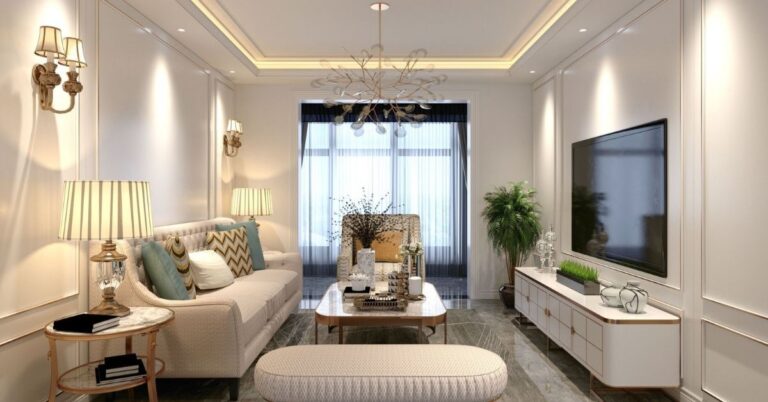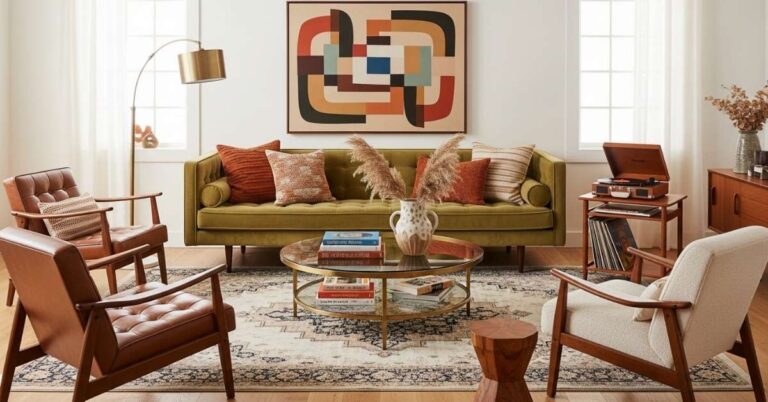
Living Room Accent Wall Ideas: 35 Stylish Designs for Every Home
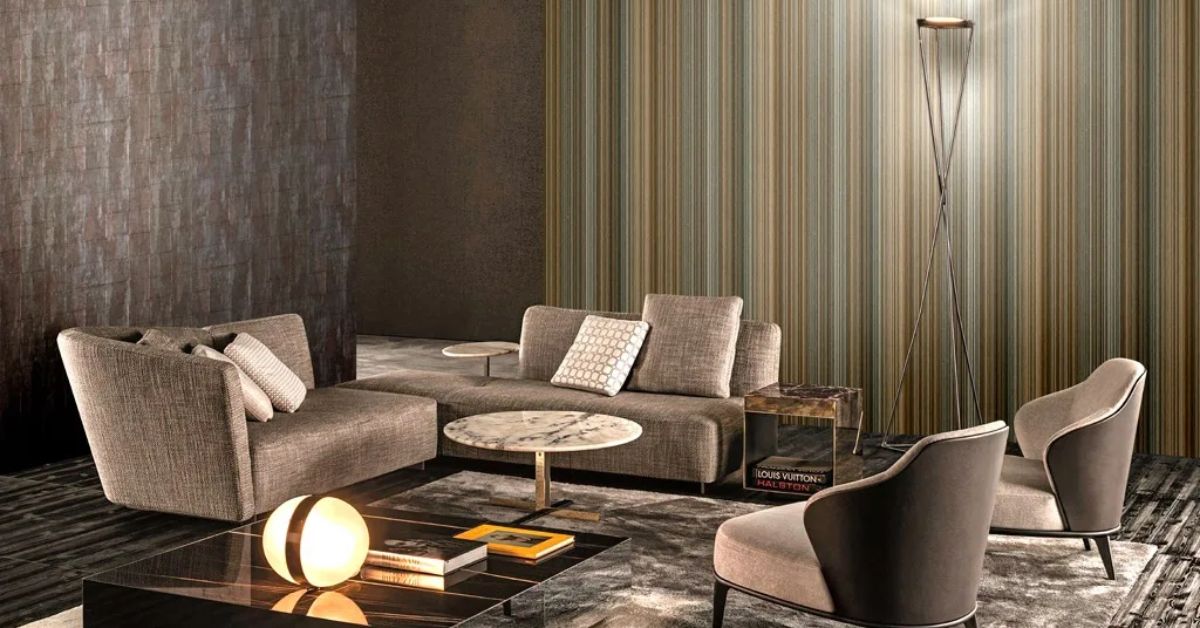
A blank wall has a lot of untapped potential. With the right accent wall, you can turn a plain room into a space full of style and personality. Living room accent wall ideas come in so many forms today. You can choose paint, wood, stone, wallpaper, or texture. Each option brings its own mood to the room.
This guide walks you through 35 accent wall ideas for every taste and budget. Whether you love farmhouse decor or contemporary interiors, you’ll find an idea that fits. We’ll also cover small spaces, open-concept living room layouts, and common mistakes to avoid. By the end, you’ll know exactly how to pick the best accent wall living room design for your home.
Best Living Room Accent Wall Ideas for Every Style
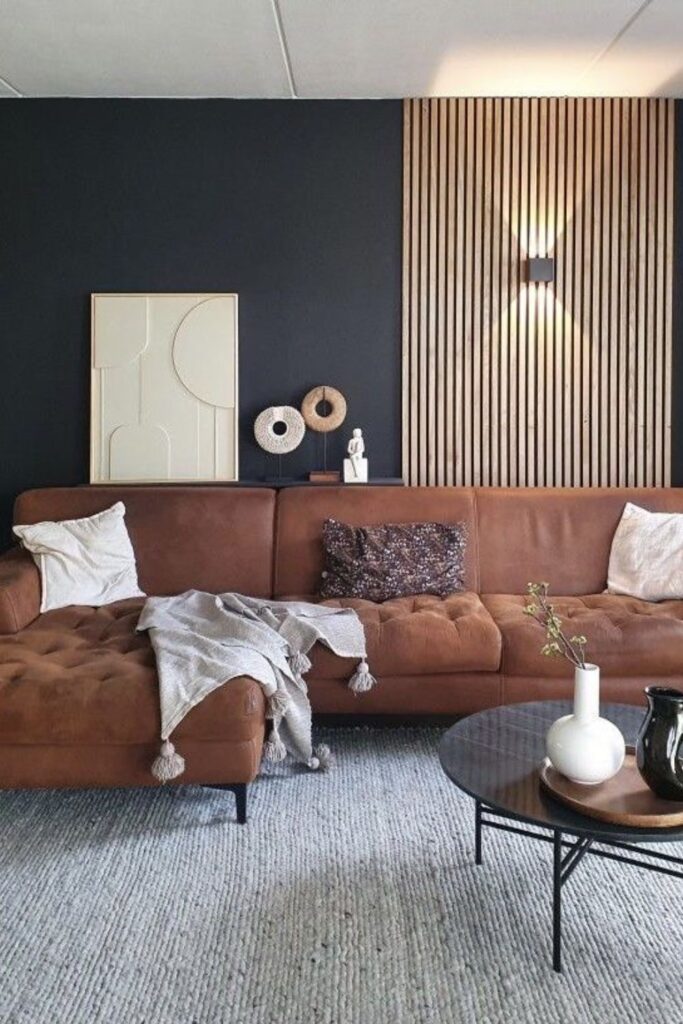
Every home has its own personality. That’s why accent wall designs should match your existing style, not fight against it. A focal point wall works best when it feels like a natural extension of the room, not an afterthought stuck on top of it.
Below, we break down four major styles. Each one uses different colors, textures, and materials to create a statement wall. Pick the one that feels most like you, then use it as your starting point for the rest of the room.
Modern Minimalist Accent Walls
Modern minimalist design loves simplicity. Clean lines matter here. So do quiet, calm colors. A modern accent wall idea often uses just one bold shade against an otherwise neutral room. Think soft gray, deep charcoal, or even a muted green.
Texture plays a quiet role too. Matte paint finishes feel more modern than glossy ones. Many homeowners pair a minimalist accent wall with simple furniture and very little clutter. The wall becomes the star, and everything else supports it. This approach works beautifully in small apartments and open studio layouts.
Farmhouse Living Room Accent Walls
Farmhouse living room style is all about warmth and texture. Shiplap remains the most popular choice here, and for good reason. It adds instant character without much cost. Reclaimed wood is another favorite. It brings history and charm into a brand-new space.
Color palettes stay soft and natural. Think creamy whites, warm taupe, or soft sage green. A farmhouse decor accent wall often pairs with open shelving, woven baskets, and vintage-style lighting fixtures. The goal is comfort. You want the room to feel lived-in, not staged.
Contemporary Accent Wall Designs
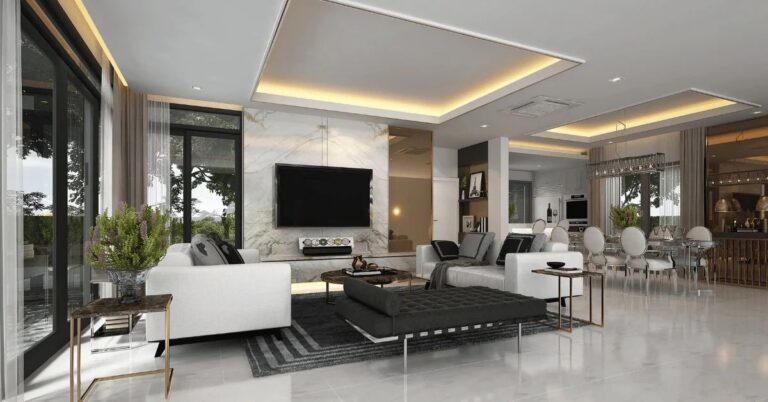
Contemporary living room style pushes boundaries more than traditional design does. Geometric shapes, bold color blocking, and mixed materials all show up here. A geometric accent wall might combine triangles or hexagons painted in two or three shades.
Lighting becomes part of the design too. Many contemporary homes pair their statement wall with sculptural light fixtures or hidden LED strips. The wall doesn’t just sit there. It interacts with the room around it. This style suits homeowners who want their space to feel current and a little daring.
Traditional and Classic Accent Walls
Traditional design leans into history. Wainscoting, deep jewel tones, and classic crown molding all belong here. A traditional accent wall idea often uses navy, burgundy, or forest green paired with white trim.
Decorative molding adds structure and elegance. Board and batten, picture frame molding, and raised panel designs all fit this style well. These walls tend to feel formal but warm at the same time. They work especially well in homes with high ceilings and original architectural details.
Read More About: Best Living Room Ideas 2025: Modern Design Trends & Decor Inspiration
Painted Accent Wall Ideas That Transform a Living Room
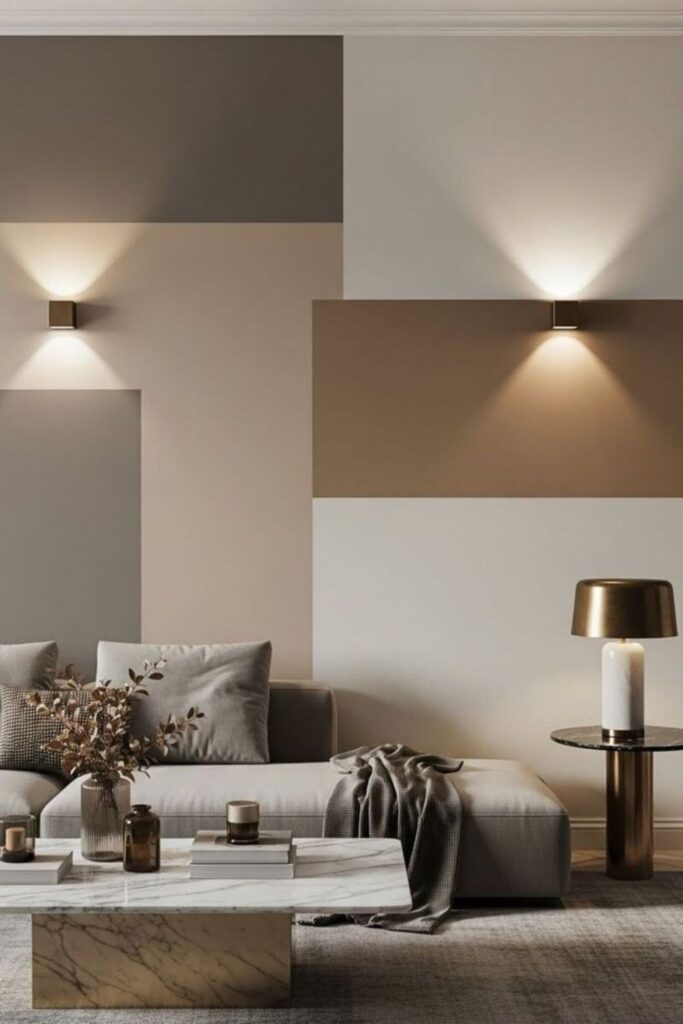
Paint remains the easiest and cheapest way to create a painted accent wall. You don’t need special tools. You don’t need to hire anyone. A gallon of paint and a free weekend can completely change how a room feels.
The right color does more than decorate. It can make a room feel cozier, brighter, or more dramatic. Below, we cover five popular accent wall colors that homeowners across the country keep choosing again and again.
Solid Color Accent Walls
A single bold color, applied to just one wall, creates instant contrast. This is the simplest version of an accent wall, and it’s still one of the most effective. The trick is choosing a shade that complements your existing furniture and flooring.
Deep colors tend to make a wall feel closer, which adds coziness. Lighter, brighter colors can energize a room without overwhelming it. Either way, a solid color wall gives you a strong focal wall without much risk or expense.
Navy Blue Accent Walls
A navy accent wall brings sophistication into almost any room. It pairs beautifully with white trim, brass fixtures, and natural wood tones. Navy works in both contemporary living room spaces and more traditional ones, which makes it incredibly versatile.
Lighting matters a lot with navy. In rooms with plenty of natural light, navy looks rich and deep. In darker rooms, it can feel heavy, so adding a few warm lamps helps balance things out. Many designers call navy the “new black” because it offers drama without feeling harsh.
Black Accent Walls for Dramatic Contrast
A black accent wall sounds intimidating, but it’s become one of the most requested trending accent wall colors in recent years. Done right, it adds serious drama and depth. Done wrong, it can make a small room feel cramped.
The secret is balance. Pair black with brass or gold accents, plenty of natural wood, and crisp white trim. Keep the rest of the room light and airy. This contrast lets the black wall shine as a true statement wall instead of swallowing the space.
Charcoal Gray Accent Walls
Charcoal gray sits comfortably between black and lighter grays. It’s bold enough to stand out, but soft enough to work with almost any color palette. This makes it one of the safest accent wall colors if you want drama without commitment.
Charcoal pairs especially well with warm wood tones and brushed metal fixtures. It also photographs beautifully, which is part of why it shows up so often on home design social media. If you’re nervous about bold color, charcoal is a great middle ground.
Two-Tone Accent Wall Paint Ideas
Why stop at one color? A two-tone painted accent wall uses color blocking to create extra visual interest. You might paint the bottom half one shade and the top half another, divided by a thin trim line.
Vertical splits work too. Some homeowners paint half the wall in a deep tone and the other half in white or cream. This technique adds a custom, designer feel without requiring any special skill. It’s a budget-friendly way to make your feature wall look more expensive than it actually was.
Accent Wall Designs Using Wallpaper and Murals
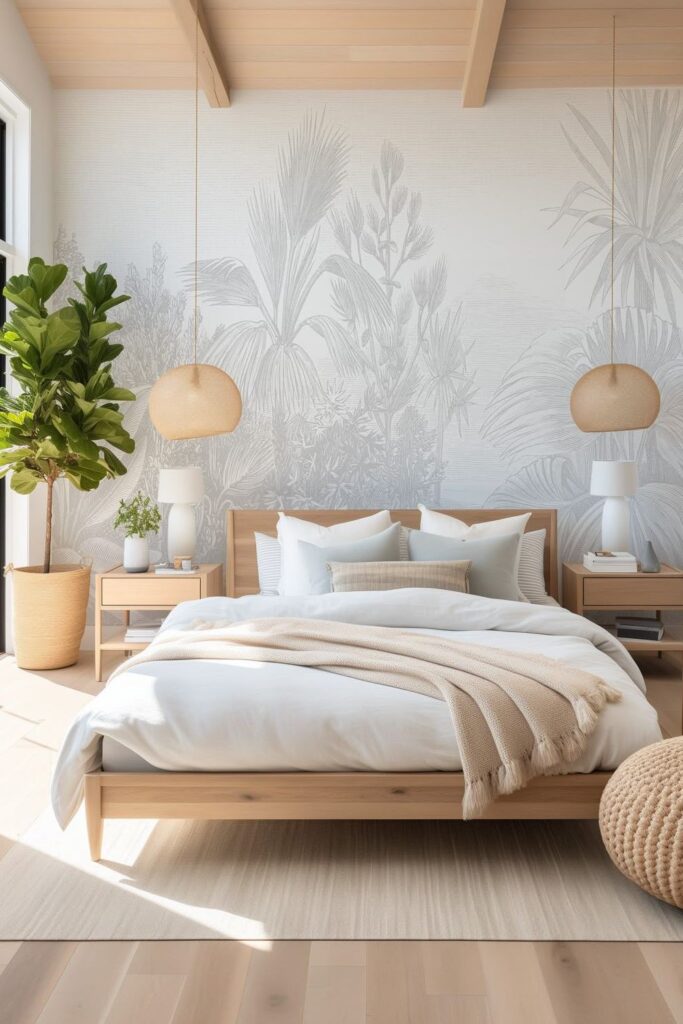
Wallpaper has made a huge comeback in American homes. Today’s options are more durable, easier to install, and far more stylish than the wallpaper your grandparents used. A wallpaper accent wall can add pattern, texture, and personality in ways paint simply can’t match.
Murals take things even further. A mural accent wall turns your living room into something closer to art. Whether you want subtle texture or a full scenic landscape, this category offers some of the most creative living room accent wall ideas available today.
Read More About: 25+ Cozy Living Room Ideas to Create a Warm and Inviting Space
Patterned Wallpaper Accent Walls
Geometric prints, damask patterns, and retro-inspired designs all fall under this category. A patterned wallpaper accent wall works best when the rest of the room stays fairly simple. Too much pattern competing with pattern can feel chaotic.
Many homeowners choose a busy print for just one wall, then keep furniture and other walls neutral. This lets the focal point do its job without overwhelming the senses. Removable wallpaper options also make this a great choice for renters.
Oversized Wall Murals
An oversized mural makes a huge visual impact. These designs often stretch from floor to ceiling, covering the entire wall in one continuous image. They work especially well in open-concept living room layouts, where the wall needs to make a statement visible from multiple angles.
Abstract murals, vintage map prints, and large-scale botanical designs are all popular right now. A mural like this becomes the conversation piece of the room. Everything else, from furniture to lighting, tends to take a back seat.
Nature-Inspired Scenic Murals
Forests, mountains, and ocean scenes bring the outdoors inside. A nature-inspired mural accent wall creates a calming, almost meditative feeling in the living room. These designs work particularly well in homes that lean toward a relaxed, nature-connected aesthetic.
Soft, muted color palettes tend to work best here. You want the scene to feel like a window, not a billboard. Pairing a scenic mural with natural materials, like a wood coffee table or jute rug, ties the whole look together.
Botanical and Floral Wall Designs
Botanical prints bring softness and organic shapes into a space. Large leaf patterns, delicate floral designs, and even abstract plant silhouettes all fall into this category. These designs suit farmhouse decor and contemporary interiors equally well, depending on the color choice.
A botanical wallpaper accent wall pairs nicely with green accents throughout the room. It’s a gentle way to bring nature indoors without going as bold as a full scenic mural. Many homeowners choose this style for rooms that need a calmer, more feminine touch.
Wood Accent Wall Ideas for Living Rooms
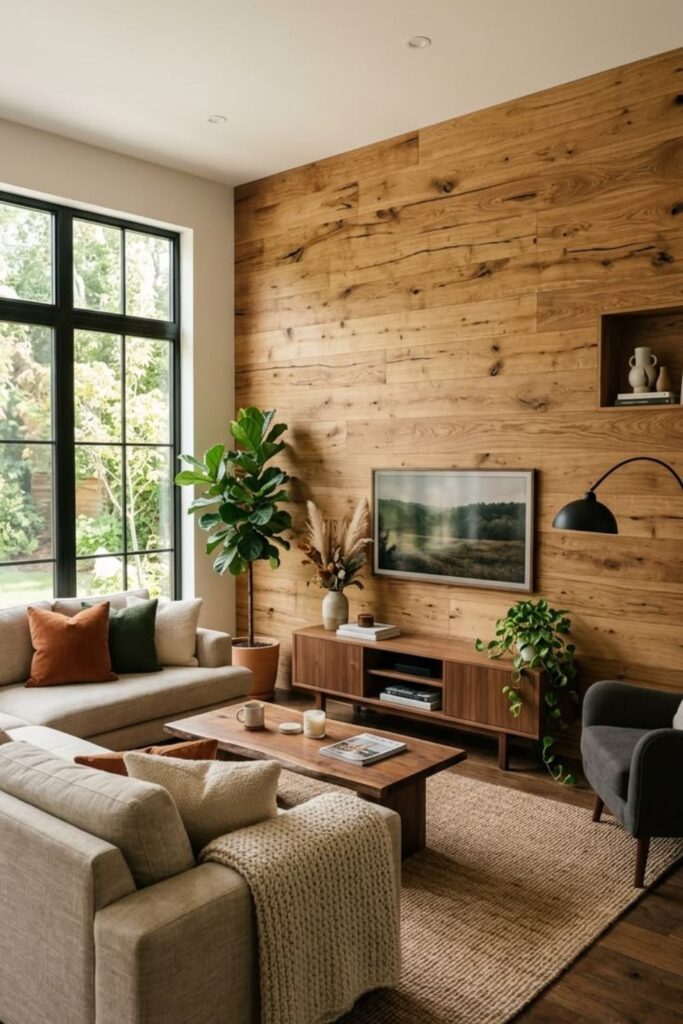
Wood brings instant warmth to a room. A wood accent wall adds texture, depth, and a natural feel that paint alone can’t achieve. It’s one of the most requested living room wall decor upgrades among homeowners renovating their space.
Wood accent walls also tend to hold their value well. They suit nearly every design style, from rustic farmhouse to sleek modern. Below are four popular wood-based techniques worth considering for your next project.
Wood Slat Accent Walls
Vertical wood slats have become hugely popular in the past few years. A wood slat accent wall uses thin strips of wood, evenly spaced, running floor to ceiling. The look is clean, modern, and surprisingly easy to install with pre-made panel kits.
This style pairs beautifully with both light and dark wood tones. Many homeowners choose slats in a rich walnut shade for a dramatic look, or a lighter oak tone for something softer. It’s one of the most popular modern wall treatments in new builds today.
Shiplap Accent Walls
Shiplap became a household name thanks to popular home renovation shows, and it hasn’t lost its appeal. A shiplap accent wall uses horizontal wood planks with small gaps between each board, creating subtle shadow lines.
This style fits farmhouse living room spaces perfectly, but it also works in coastal and traditional homes. Painted white, shiplap feels crisp and clean. Left natural or stained, it leans more rustic. Either way, it adds texture without much visual weight.
Reclaimed Wood Feature Walls
Reclaimed wood brings real history into your home. Each board carries its own marks, knots, and color variations, which makes every feature wall completely unique. This option appeals to homeowners who want sustainability along with style.
Because reclaimed wood often comes from barns, old factories, or shipping pallets, no two installations look exactly alike. This natural variation is part of the charm. It pairs especially well with industrial lighting and leather furniture.
Board and Batten Accent Walls
Board and batten wall designs use vertical strips of wood, called battens, layered over a flat panel or directly on drywall. This creates a grid-like pattern that adds dimension and architectural interest.
This technique fits both traditional and modern homes, depending on the spacing and paint color chosen. Painted white, it feels classic and timeless. Painted a bold color, it becomes a true statement wall. Board and batten is also one of the more approachable DIY accent wall projects for beginners.
Textured Accent Walls That Add Dimension
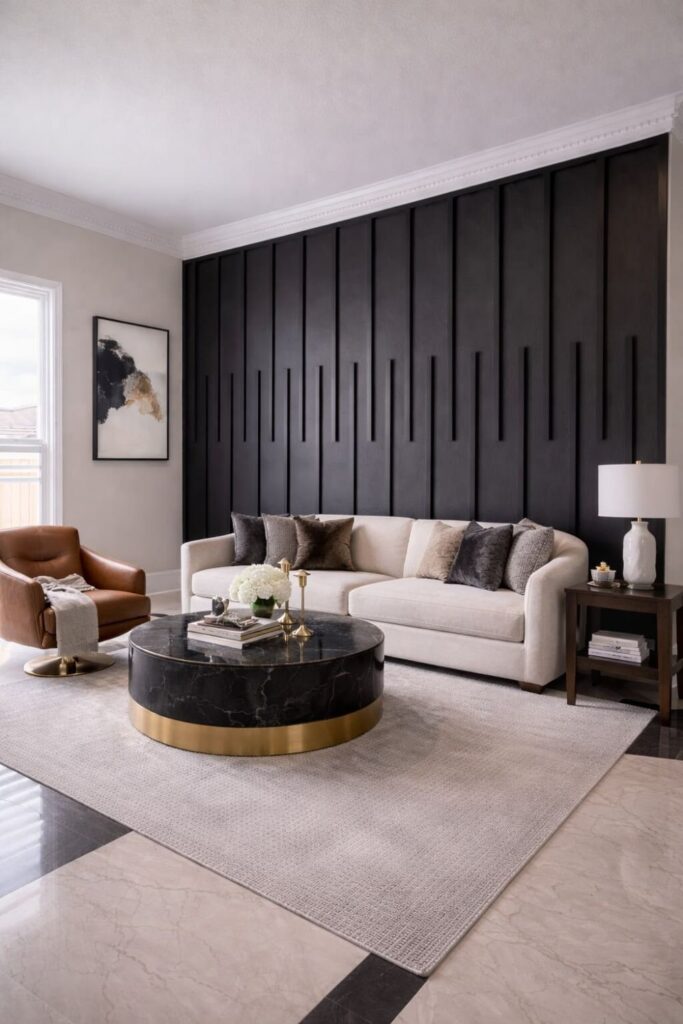
Not every accent wall needs color or pattern. Sometimes, texture alone does all the work. A textured accent wall uses physical depth, ridges, bumps, or layers, to catch light and create shadow. This adds richness to a room in a way flat paint never could.
Texture also tends to feel more tactile and inviting. People naturally want to touch a textured wall, which makes the living room feel more alive. Here are four standout textured options worth exploring.
Brick Accent Walls
Exposed brick has an undeniable charm. A brick accent wall brings industrial character and old-world warmth into a room at the same time. If your home already has exposed brick, you’re in luck. If not, brick veneer panels offer a realistic alternative without major construction.
Brick pairs beautifully with both modern and rustic furniture. It’s especially popular in loft-style apartments and older homes with original architectural bones. Painted white, brick softens. Left natural, it adds a rugged texture.
Stone Accent Walls
A stone accent wall brings a grounded, natural feel into the living room. Stone veneer panels make this look achievable without the cost or weight of real stacked stone. This style works especially well around fireplaces, where stone feels like a natural extension of the architecture.
Stone walls pair beautifully with warm lighting and natural wood furniture. They add a sense of permanence and solidity to the room, which is part of why they remain such a popular choice for fireplace accent wall designs.
Plaster and Limewash Finishes
Limewash has surged in popularity recently, and it’s easy to see why. This technique creates a soft, cloudy, organic texture on the wall, almost like old European plaster. No two limewash walls look exactly the same, which gives each one real character.
This finish suits minimalist styling and earthy color palettes especially well. It feels both ancient and completely current at the same time. Many designers consider limewash one of the defining interior design trends of the past few years.
Upholstered Wall Panels
Upholstered panels bring softness, both visually and physically, into the living room. These padded fabric panels often appear in luxury hotels, and homeowners have started bringing the same look home. A textured accent wall made from upholstered panels also helps absorb sound, which is a nice bonus in open layouts.
This option tends to suit more formal or glamorous spaces. Velvet and boucle fabrics are especially popular right now. While it’s pricier than paint or wallpaper, the result feels genuinely luxurious.
Small Living Room Accent Wall Ideas That Maximize Space
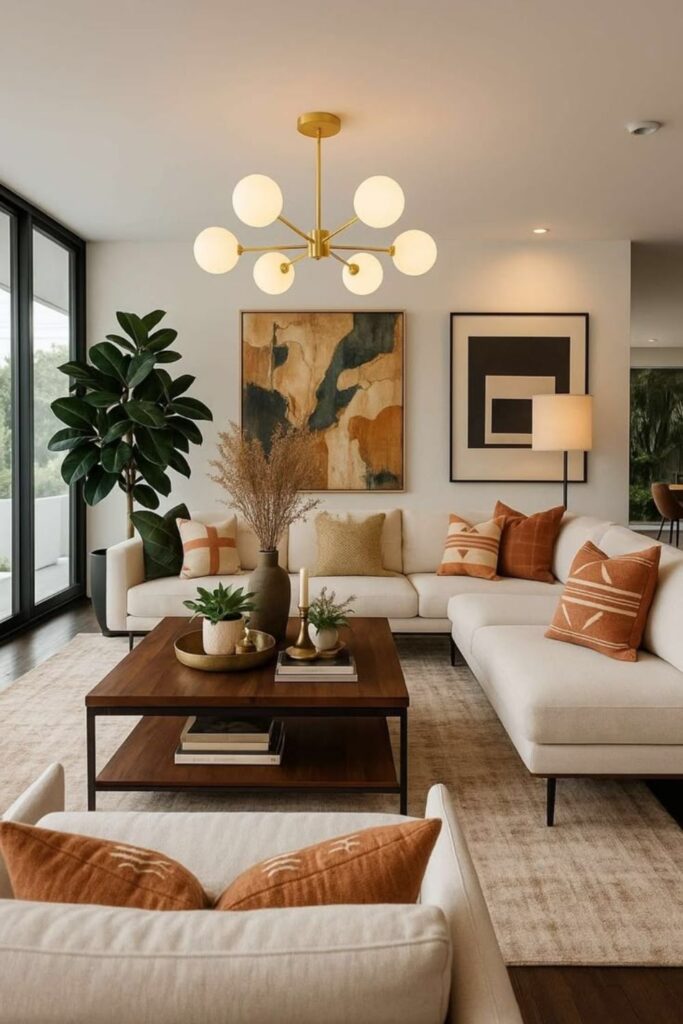
Many homeowners worry that a bold wall will make a small room feel even smaller. The good news is the opposite is often true. The right small living room accent wall ideas can actually open up a tight space and make it feel more intentional.
The key lies in choosing the right combination of color, direction, and reflection. Below are three approaches specifically suited for compact living rooms.
Read More About: Best Living Room Layout Ideas: 25 Smart Ways to Arrange Your Space
Vertical Accent Walls to Add Height
Anything that draws the eye upward makes a room feel taller. Vertical stripes, tall wood slats, or vertically oriented wallpaper patterns all create this illusion. A wood slat accent wall running floor to ceiling is one of the best tools for this effect.
This trick works especially well in rooms with lower ceilings. The vertical lines trick the eye into perceiving more height than actually exists, making the whole space feel more open and airy.
Mirror Accent Walls for Small Rooms
Mirrors have long been a designer’s secret weapon for small spaces, and a full mirror accent wall takes this idea to its fullest extent. By reflecting light and the room itself, a mirrored wall can visually double the perceived size of your living room.
This works especially well in rooms with limited natural light. Position the mirror wall opposite a window if possible, so it bounces daylight deeper into the space throughout the day.
Light-Colored Accent Walls That Open Up Space
Bold doesn’t always mean dark. A soft, light-colored accent wall, in a shade like warm white, pale blush, or soft sage, can still create contrast against the rest of the room while keeping the space feeling open. This is one of the most underrated small living room accent wall ideas available.
The trick is using a slightly different finish or undertone than the surrounding walls. Even a subtle shift in color creates a noticeable focal point without sacrificing brightness.
Accent Wall Ideas for Open Concept Living Rooms
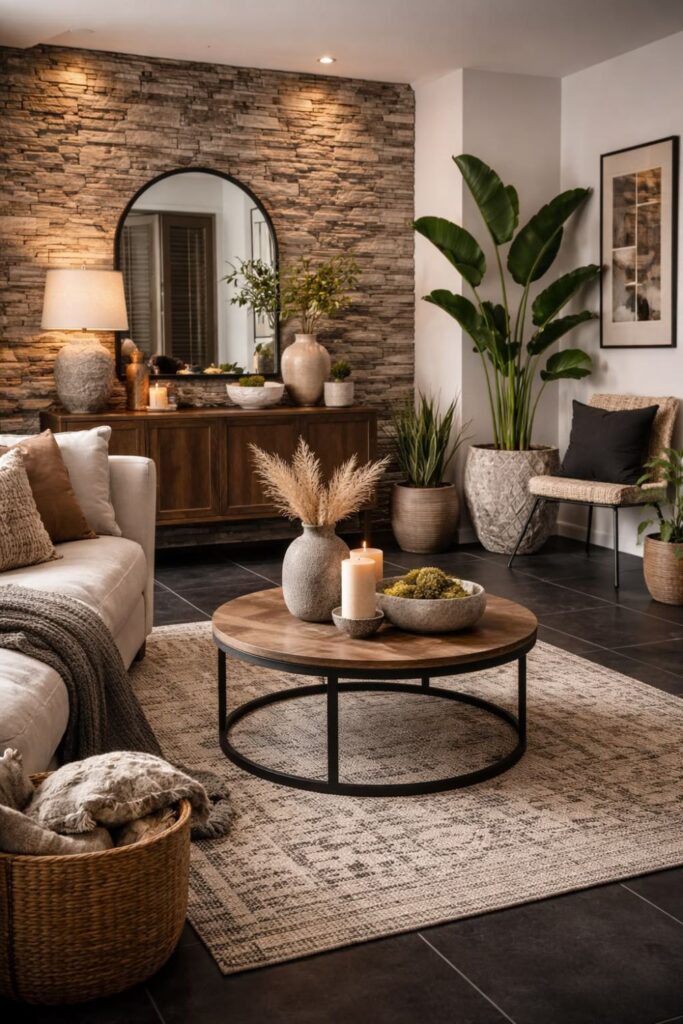
Open-concept living room layouts come with their own design challenges. Without walls to naturally divide spaces, homeowners need other tools to create separation and flow. An accent wall is one of the most effective ways to do exactly that.
Used thoughtfully, a focal wall can guide the eye, define zones, and tie separate areas of the home together visually. Here’s how to make that work in practice.
Defining Zones With Accent Walls
In a large open layout, an accent wall can signal where one “room” ends and another begins, even without a physical divider. For example, a bold painted accent wall behind the sofa instantly defines the living room zone, separate from an adjacent kitchen or dining area.
This technique gives the eye a clear anchor point. It also helps furniture arrangements feel more intentional, rather than floating randomly in a big open space.
Connecting Living and Dining Areas
Accent walls don’t always need to separate spaces. Sometimes, they connect them. Using the same wood paneling, paint color, or wallpaper across a section of wall that spans both the living and dining areas creates visual continuity. This approach works particularly well for homeowners who want their open-concept living room to feel cohesive rather than choppy.
Budget-Friendly Accent Wall Ideas Anyone Can DIY
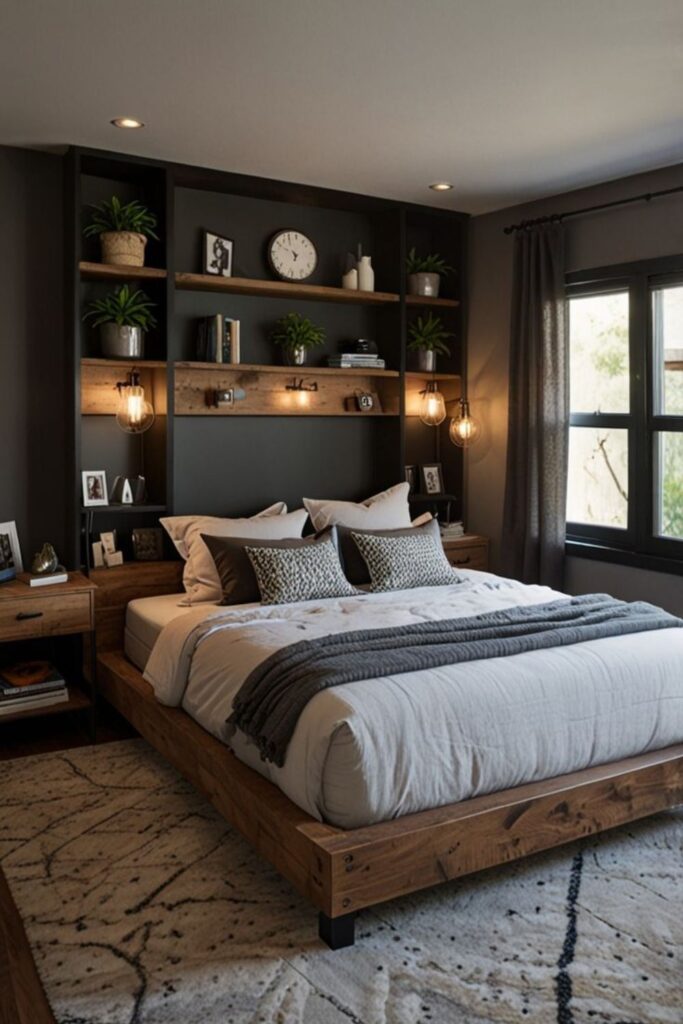
You don’t need a big budget to create a stunning accent wall. Many of the most popular DIY accent wall projects cost less than a night out and take just one weekend to complete. Here are three approachable options for any skill level.
A geometric design using painter’s tape and two paint colors costs very little and delivers a custom, high-end look. Peel-and-stick wallpaper has also become a favorite among renters, since it applies and removes without damaging the wall underneath. For those who’d rather skip paint and wallpaper entirely, a gallery wall built from framed art, photos, and small shelves creates a personal, ever-changing feature wall that costs whatever you want it to.
| Budget Option | Estimated Cost | Skill Level | Best For |
| Painted Geometric Design | $30–$80 | Beginner | Renters and first-time DIYers |
| Peel-and-Stick Wallpaper | $50–$150 | Beginner | Apartments and quick updates |
| Gallery Wall | $0–$200+ | Beginner to Intermediate | Personalizing a space over time |
Trending Accent Wall Colors for 2026
Color trends shift every year, and 2026 brings a fresh set of favorites. These trending accent wall colors reflect a broader move toward comfort, nature, and authenticity in home design.
Warm earth tones, like terracotta, clay, and soft rust, continue gaining popularity across the country. These shades feel grounded and cozy, especially when paired with natural materials like wood and linen. Moody greens and blues, including deep forest green and dusty slate blue, bring a sense of calm sophistication that works well in both contemporary living room and traditional spaces. Meanwhile, soft neutrals and greige tones remain a safe, timeless choice for homeowners who want something that won’t feel dated in a few years.
“Color in 2026 is moving away from anything too trendy or fleeting. Homeowners want shades that feel personal, warm, and connected to nature,” notes one residential design consultant based in the Pacific Northwest.
How to Choose the Right Accent Wall in a Living Room
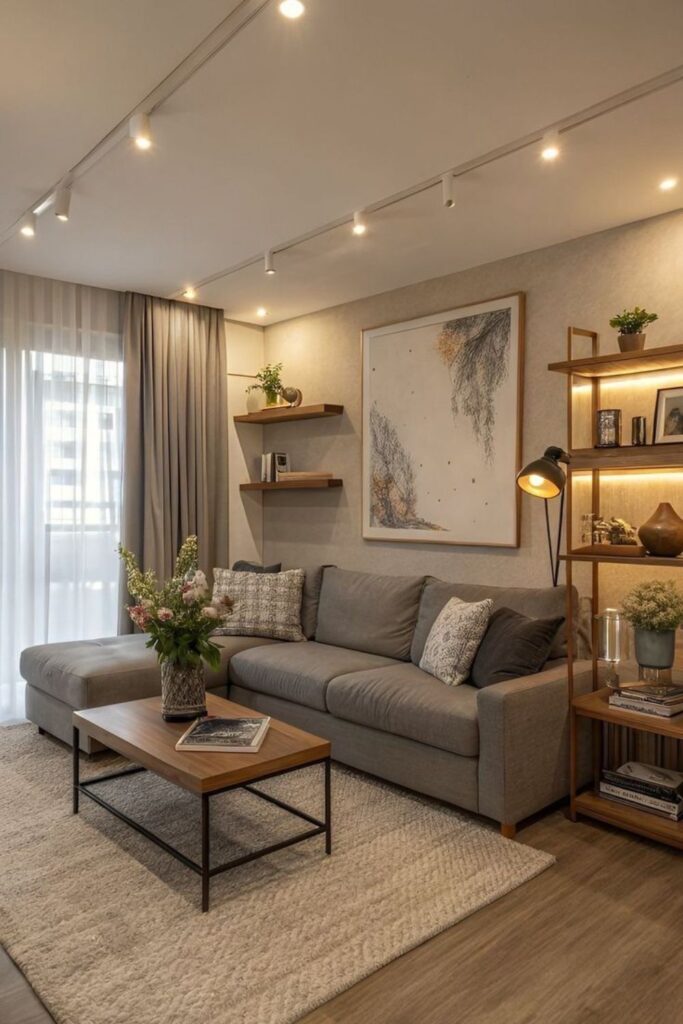
Picking the right wall and color can feel overwhelming with so many living room accent wall ideas available. A few simple guidelines make the decision much easier.
Start by looking at your room’s natural architecture. The wall with a fireplace, the widest wall, or the one you see first when entering the room usually makes the best focal wall. From there, think about lighting and existing furniture before settling on your final design.
Which Wall Should Be the Accent Wall?
The best focal point wall is usually the one your eye naturally lands on first. This is often the wall behind the sofa, the one containing the fireplace, or the wall facing the main entry into the room. A fireplace accent wall is one of the most popular choices because it highlights an architectural feature that’s already a natural gathering point.
Should Accent Walls Be Darker or Lighter?
Both directions work, but the right choice depends on your room. Darker walls add coziness and drama, and they work especially well in larger rooms with plenty of natural light. Lighter accent walls open up smaller spaces while still creating subtle contrast against the surrounding walls.
Do Accent Walls Work in Every Style?
Yes, with some adjustment. Modern accent wall ideas lean toward bold solid colors or clean geometric patterns. Farmhouse decor favors wood and soft neutrals. Traditional homes do well with deep jewel tones and molding details. The accent wall concept itself is flexible enough to fit almost any interior design approach.
Accent Wall Mistakes to Avoid
Even a great idea can go wrong with poor execution. A few common mistakes show up again and again in accent wall living room projects, and avoiding them makes a huge difference in the final result.
Choosing the wrong wall is one of the biggest issues. A wall broken up by too many doors, windows, or outlets rarely makes a strong statement wall, since there’s not enough open space to showcase the design properly. Overusing bold colors across multiple walls is another common pitfall; one strong accent wall has far more impact than three competing ones. Finally, ignoring room lighting can throw off even a well-chosen color, since the same paint can look completely different under warm lamp light versus bright daylight.
Choosing the Wrong Wall
Pick a wall with the fewest interruptions, like windows, doors, or built-in shelving. A clean, continuous surface gives your accent wall design room to breathe and stand out properly.
Overusing Bold Colors
One bold wall creates contrast. Three bold walls create chaos. Stick to a single focal wall per room, and let the rest of the space support it with neutral tones.
Ignoring Room Lighting
Always test paint samples at different times of day before committing. Natural light, warm bulbs, and cool LED lighting can all change how a color appears on the wall.
Frequently Asked Questions About Accent Walls
Are Accent Walls Still in Style?
Yes, accent walls remain one of the most popular interior design trends in American homes today. While specific colors and materials shift from year to year, the core concept, using one wall to create contrast and personality, continues to grow in popularity rather than fade.
Can You DIY an Accent Wall?
Absolutely. Many DIY accent wall projects, like painted designs, peel-and-stick wallpaper, and even simple wood slat panels, require no professional experience. Basic tools and a free weekend are often all you need to complete a full living room makeover.
How Can You Create an Accent Wall on a Budget?
The most budget-friendly options include a painted accent wall using leftover or sample-size paint, peel-and-stick wallpaper, or a gallery wall built from items you already own. Each of these approaches can transform a room for under $100 in many cases.
Conclusion
A single wall holds more power than most people realize. From a bold black accent wall to a soft wallpaper accent wall, the right choice brings new energy, depth, and character into your living room. Whether you’re drawn to farmhouse decor, contemporary interiors, or somewhere in between, there’s an accent wall idea on this list built for your space.
Start small if you need to. A sample swatch, a roll of peel-and-stick wallpaper, or one weekend with painter’s tape can show you exactly how transformative this single design choice can be. Your living room is waiting for its focal point, and now you have 35 ways to create one.