43+ Wall Decor Ideas That Actually Make Your Space Feel More
Bare walls have a way of making an otherwise decent room feel unfinished, not empty exactly, but not quite there either. The furniture might be right, the lighting might work, but something’s Wall Decor Ideas still missing. That’s usually the walls.
If your space leans minimal, cozy, or somewhere in the middle, the right wall decor doesn’t just fill space, it anchors the room, adds depth, and gives the eye somewhere to land without overwhelming everything else.
For anyone trying to make their walls feel considered rather than decorated-by-default, these 27 wall decor ideas cover layouts, materials, scale, and placement of the stuff that actually determines whether something works in a real room.
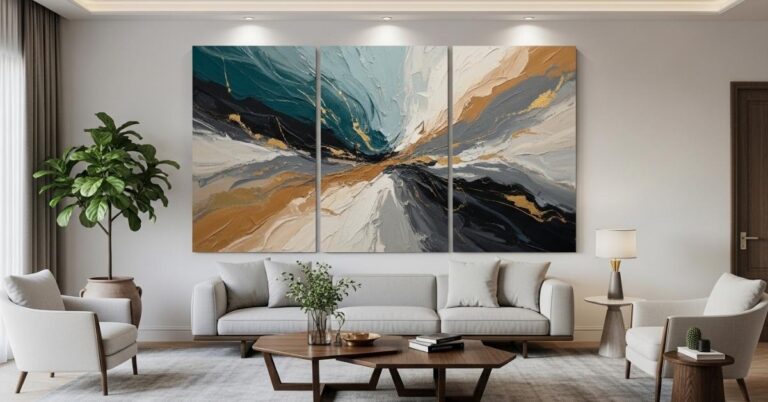
Oversized Single Art Print in a Living Room With Neutral Walls
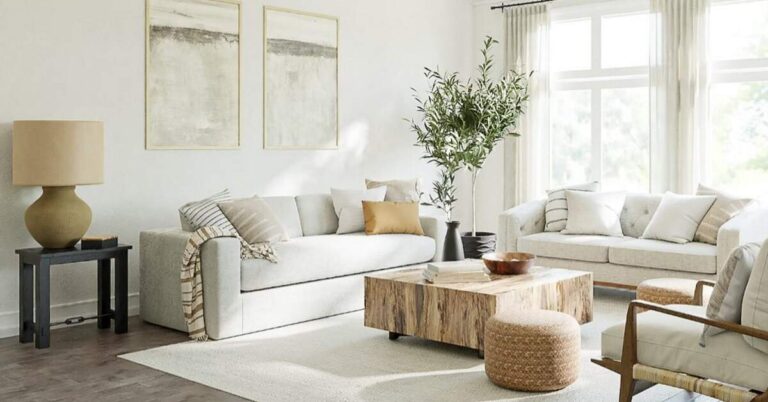
When a room has too many small pieces competing for attention, the walls end up feeling scattered even if individually everything looks fine. One oversized print something that fills at least two-thirds the width of your sofa creates a visual anchor that ties the whole wall together.
Go for a simple frame in natural wood or matte black, and keep the surrounding wall clear. This setup works especially well in living rooms where the sofa sits against a long wall with decent ceiling height. The scale does the work; you don’t need anything else on that wall.
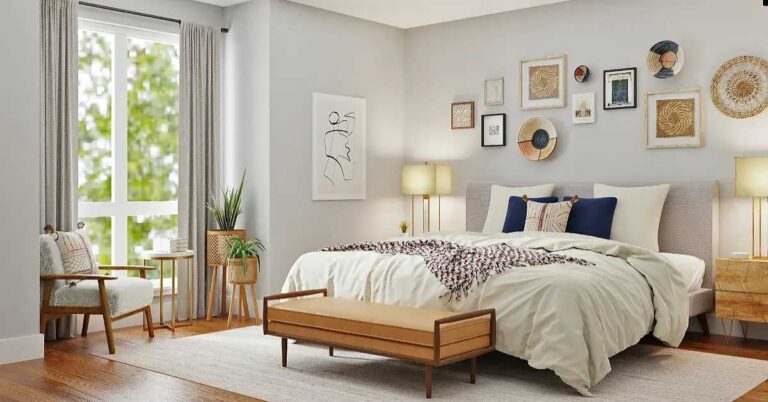
Grid Gallery Wall in a Bedroom Above the Headboard
A grid gallery wall is the opposite of the “throw it up and hope” approach. It works because the uniform spacing and matching frames create structure which makes even a collection of mismatched prints feel intentional.
Measure and mark before you hang anything; the margin between frames should stay consistent (3–4 inches is the sweet spot for most bedroom walls). This is one I’d actually recommend trying first if you’re new to gallery walls, because the grid format is the most forgiving, one or two frames slightly off-center won’t unravel the whole thing the way an asymmetrical layout would.
Floating Shelves With Layered Objects in a Narrow Hallway
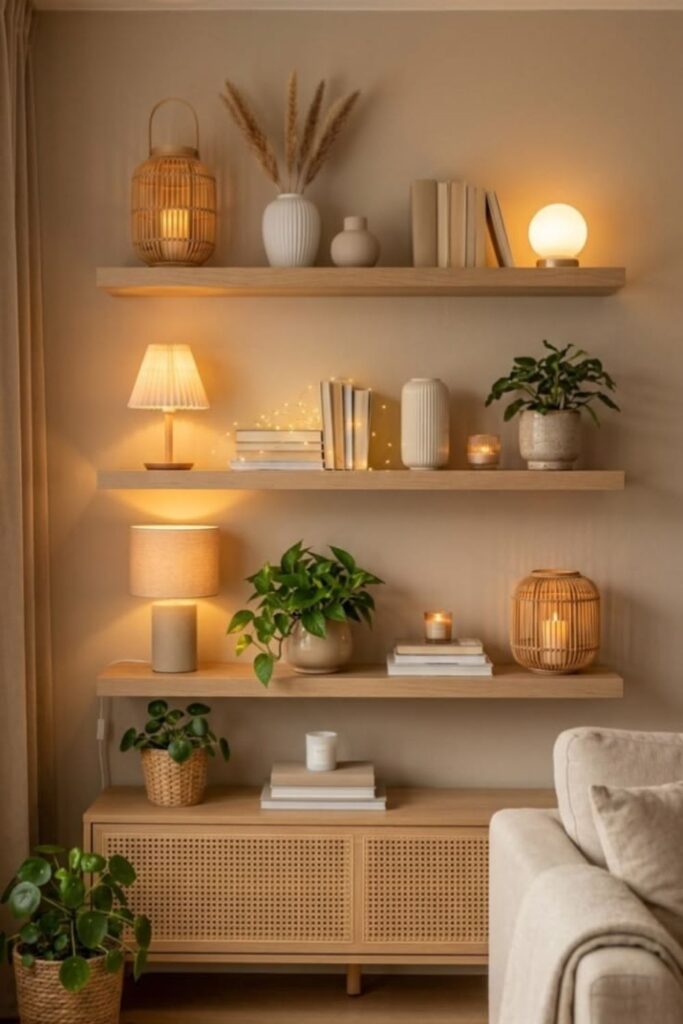
Hallways are often the most neglected walls in any home. A pair of floating shelves staggered rather than stacked directly gives the space function and visual interest without blocking the walkway. Layer objects at different heights: a small plant, a candle, a framed photo leaning against the wall rather than hung.
The leaning element breaks the rigidity that can make shelf styling look too curated. This works well in rentals because it doesn’t require major wall commitment, and the shelves themselves double as drop zones for everyday items.
Woven Textile Wall Hanging in a Bedroom Corner
Textile wall hangings solve a specific problem: rooms that feel visually hard with too much wood, metal, or smooth paint need something with organic texture to soften the space. A large woven piece above a bed or dresser introduces warmth without color.
In 2026, woven wall decor has evolved past the boho macramé moment; thicker, more structured weaves in natural cotton or jute read more contemporary and pair well with minimal furniture. Keep the surrounding wall bare and let the textile breathe.
Statement Mirror as Wall Decor in a Small Living Room
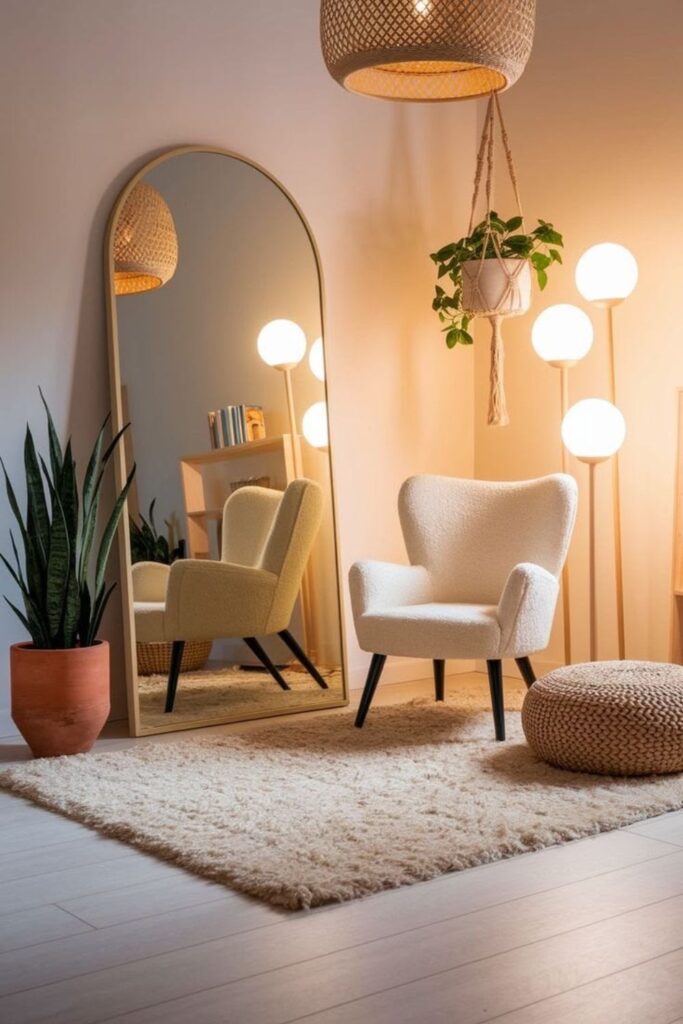
A mirror does two things a piece of art can’t: it reflects light and makes the room feel wider. In a small living room, a large round or arch-shaped mirror positioned across from a window pulls daylight into the space and creates depth on the wall it occupies.
The key is to scale a small mirror on a large wall that reads as an afterthought. Go as large as the wall can support proportionally. Matte black, brushed gold, or raw wood frames all work; avoid ornate or overly decorative frames if the rest of the room is clean-lined.
Vertical Art Stack in a Room With Low Ceilings
Low ceilings are one of the most common layout complaints in older apartments and condos. Stacking two narrow vertical prints one above the other with a small gap draws the eye upward and makes the ceiling feel taller than it is.
The trick is in the proportion: the prints should be taller than they are wide, and the total vertical span of both pieces should reach close to the ceiling without touching it. This works especially well in dining rooms and bedrooms where wall space is limited horizontally.
Ledge Shelf With Rotating Art Prints in Wall Decor Ideas
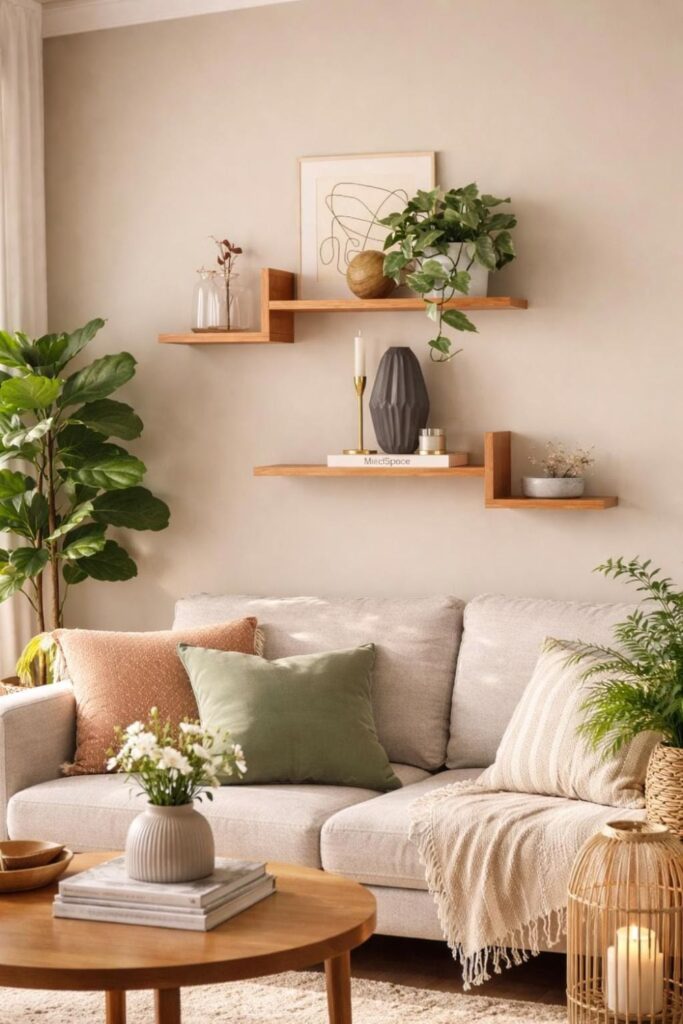
Picture ledges are underrated in home offices because they solve the commitment problem. You can change what’s displayed without repainting or re-patching walls. A single long ledge at eye level holds several prints leaning against the wall, and you can rotate them seasonally or when you feel like a change.
This setup is ideal for renters or anyone who hasn’t fully settled on an aesthetic yet. Layer prints at slightly different heights by leaning some against others; it’s more visually dynamic than a flat row.
Read More About: 12+ Aesthetic Wall Decor Ideas That Make Any Room Feel Intentionally
Dark Accent Wall With Minimal Framed Art in a Bedroom
An accent wall behind the bed changes the entire atmosphere of a bedroom without touching the other three walls. A deep, saturated color forest green, navy, warm charcoal makes framed art stand out in a way that’s impossible on a white or beige wall.
Keep the art minimal: one or two small frames rather than a full gallery, so the wall color itself does the heavy lifting. This approach works well in rooms that feel too neutral or flat. Honestly, this is one of the highest-impact changes you can make with paint alone.
Botanical Print Collection in a Bright Kitchen
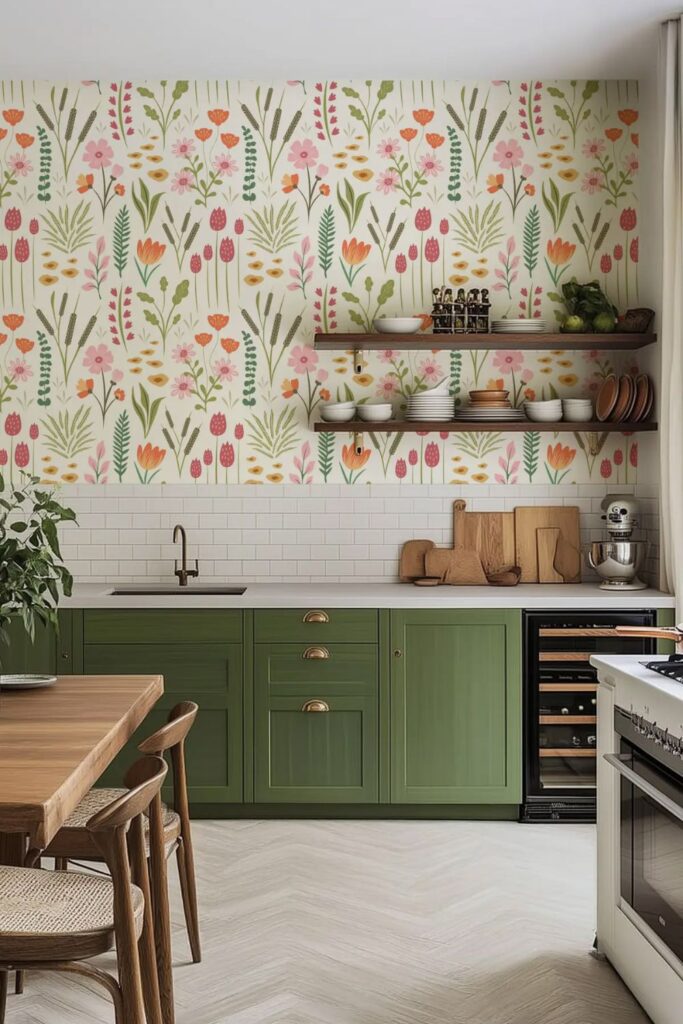
Kitchens rarely get intentional wall decor attention, but the wall space above a dining bench or beside open shelving is an easy opportunity. A set of three matching botanical prints, same frame, same mat, evenly spaced brings organic warmth into a space that’s typically hard and functional.
Thin gold or brass frames add just enough warmth without competing with hardware finishes. Keep the prints at a consistent height and space them 2–3 inches apart. This setup works well in kitchens with white or cream cabinets where the walls need texture and contrast.
Large-Scale Wall Mural or Removable Wallpaper Panel
Wallpaper is back but not the repeat-pattern-on-every-wall version. A single accent panel of removable wallpaper or a hand-painted mural on one wall creates a backdrop that functions like oversized art. Peel-and-stick options have genuinely improved in the last few years; the texture and finish now hold up in well-lit rooms without looking obviously temporary.
Go for this if you want something that makes a strong visual statement without committing to a full renovation. Works best on the wall directly behind a sofa or bed where it’s visible from the room entrance.
Black and White Photography Wall in a Hallway or Staircase
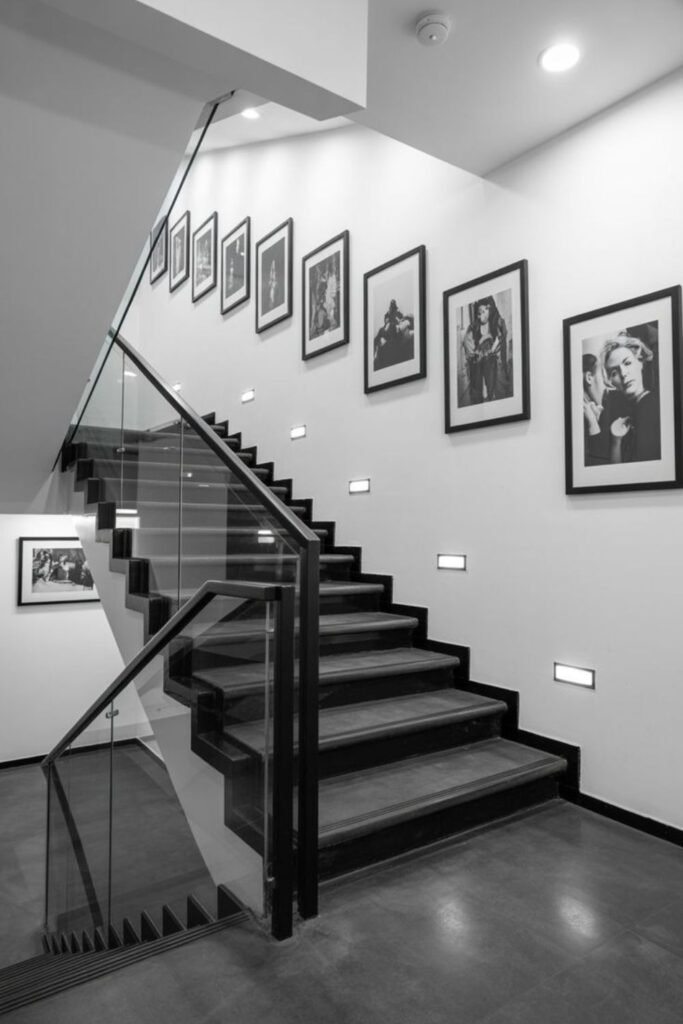
A staircase or hallway wall is one of the few places where an asymmetrical, evolving gallery actually makes sense because you’re moving past it rather than sitting in front of it. Black and white photography ties mismatched frame sizes and photo styles together into a cohesive collection.
Use a mix of portrait and landscape orientations, and vary the frame sizes but keep the finish consistent (all black, all white, or all natural wood). The movement of the staircase means the eye reads it as a progression rather than a composition, so it doesn’t need to be perfectly balanced.
Minimalist Line Art in a Bathroom
Bathrooms are the easiest rooms to overlook when it comes to wall decor and also the easiest to improve. A single small framed print above the toilet or beside the mirror is enough to make the space feel finished.
Minimalist line art (faces, botanicals, abstract shapes) works well because it reads clearly in a small space without adding visual clutter. Keep the frame simple and the mat wide; the mat adds the visual weight a small print needs to hold its own on a bare wall.
Read More About: 35+ Best Living Room Paint Ideas to Transform Your Space in 2026
DIY Painted Arch or Shape Directly on the Wall
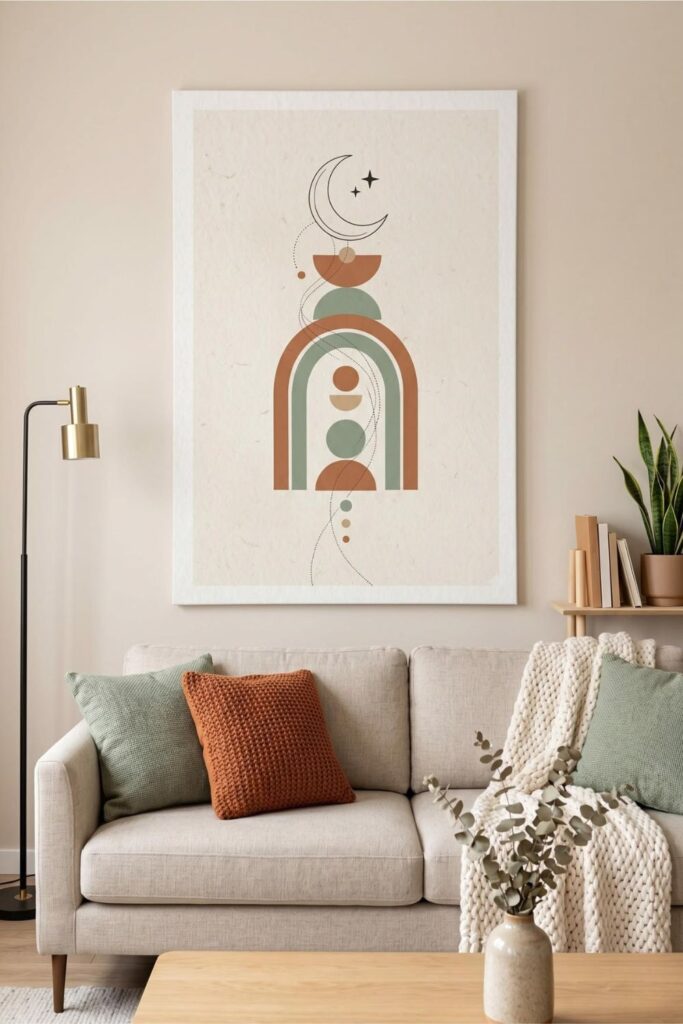
This one requires commitment but zero frames. A painted arch or geometric shape directly on the wall behind a bed, around a doorway, or framing a shelf nook acts as a built-in backdrop that’s architectural rather than decorative.
It works especially well in rentals if you’re willing to repaint on the way out (and the landlord allows it). The arch shape has been building momentum since 2024 and reads more permanent and refined than a typical accent wall because it frames rather than covers.
Floating Wall-Mounted Shelf With Art Leaning Behind Objects
The combination of a wide floating shelf with a leaning print behind a few objects creates a layered vignette that feels collected rather than staged. Position the shelf at about chest height, lean the print against the wall behind it, and place 3–5 objects of varying height in front.
The print doesn’t need to be hung leaning; it gives it a casual, lived-in quality that works well in living rooms and bedrooms where the overall vibe is relaxed but intentional. Renters will appreciate that this setup involves one set of wall anchors maximum.
Sconce Pair Flanking a Mirror or Art Piece
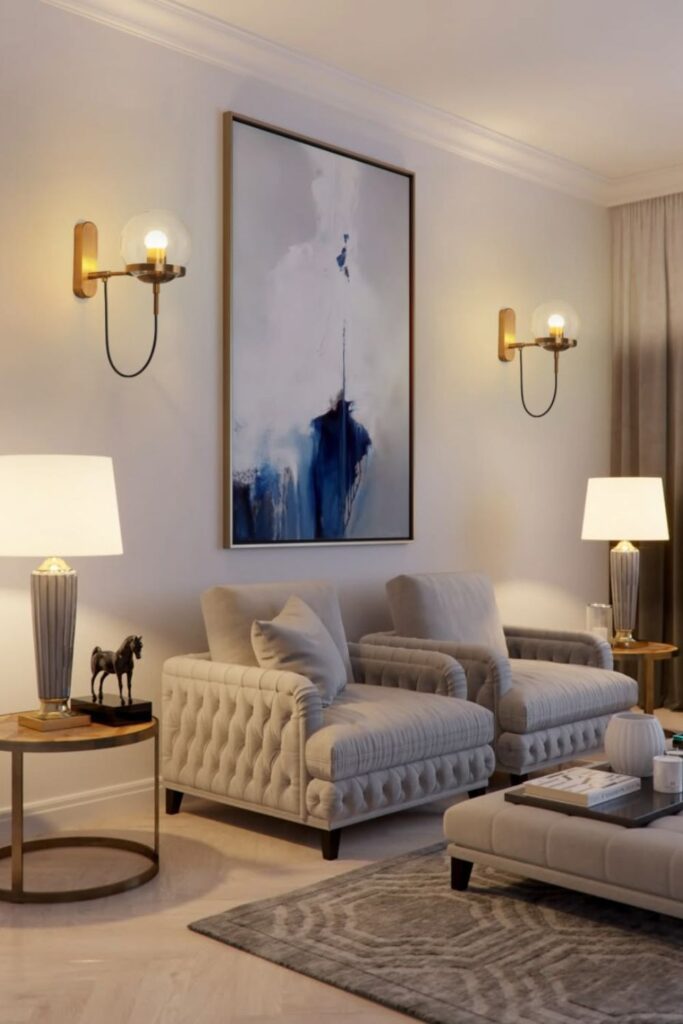
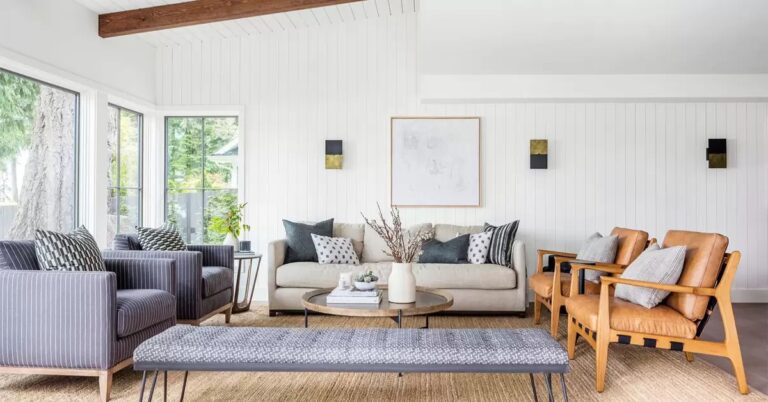
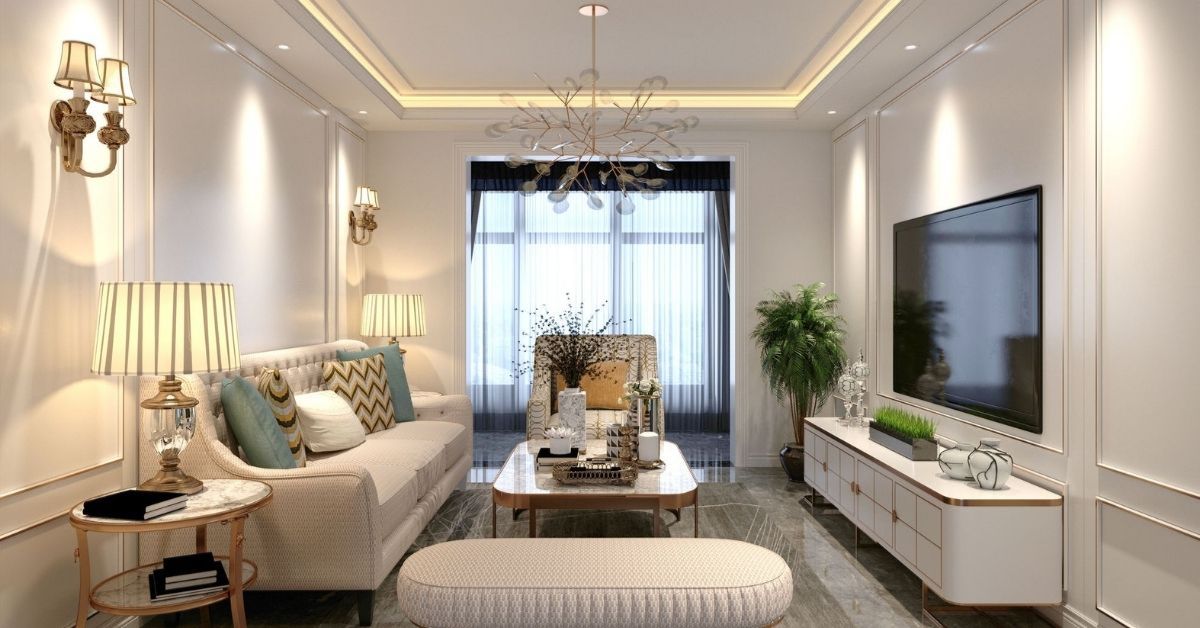
Wall sconces do double duty: they add lighting and function as wall decor themselves. Flanking a mirror or a large piece of art with a matching pair of sconces creates a symmetrical, finished look that makes a wall feel purposefully designed rather than casually decorated.
This works especially well in entryways and living rooms where overhead lighting is flat or insufficient. Hardwired sconces are ideal, but plug-in versions with cord covers have become genuinely clean-looking, a viable option without electrical work.
Corkboard or Pinboard Wall in a Home Office
A corkboard, especially a large framed one is functional wall decor that earns its place in a working space. The key is treating it like a design element, not an afterthought: choose a frame that matches your desk or shelving, and keep the pinned items deliberately arranged rather than randomly accumulated.
A large square or rectangular corkboard at eye level above a desk gives you a visual workspace that doubles as inspiration and organization. In my experience, this works best when you edit it regularly when a corkboard that’s too full loses its function and starts to read as clutter.
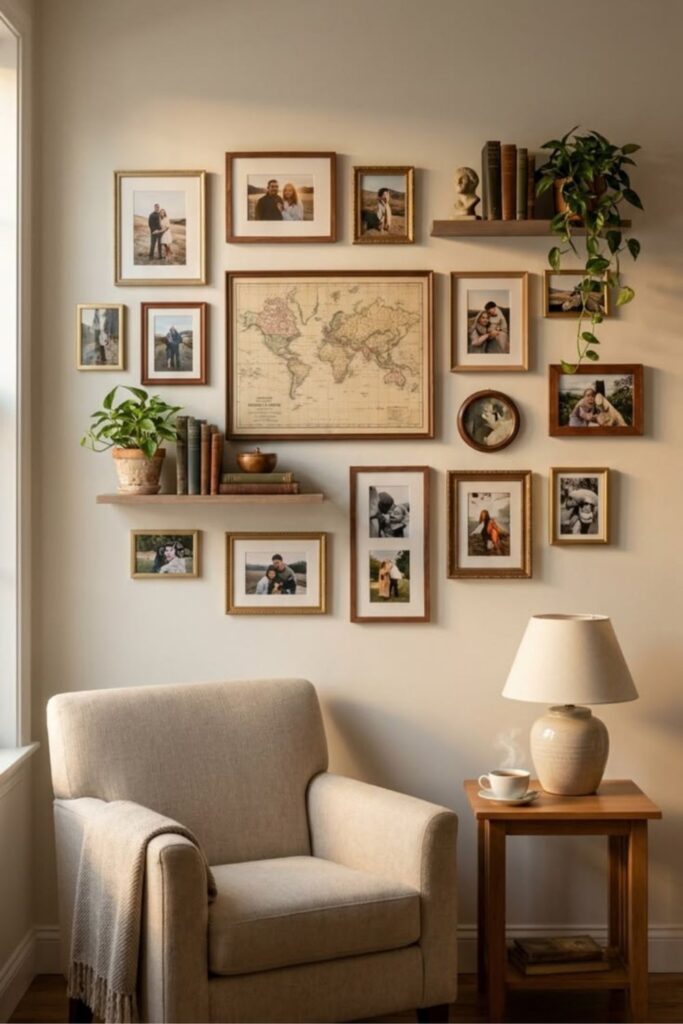
Vintage Map or Antique Print as a Living Room Focal Point
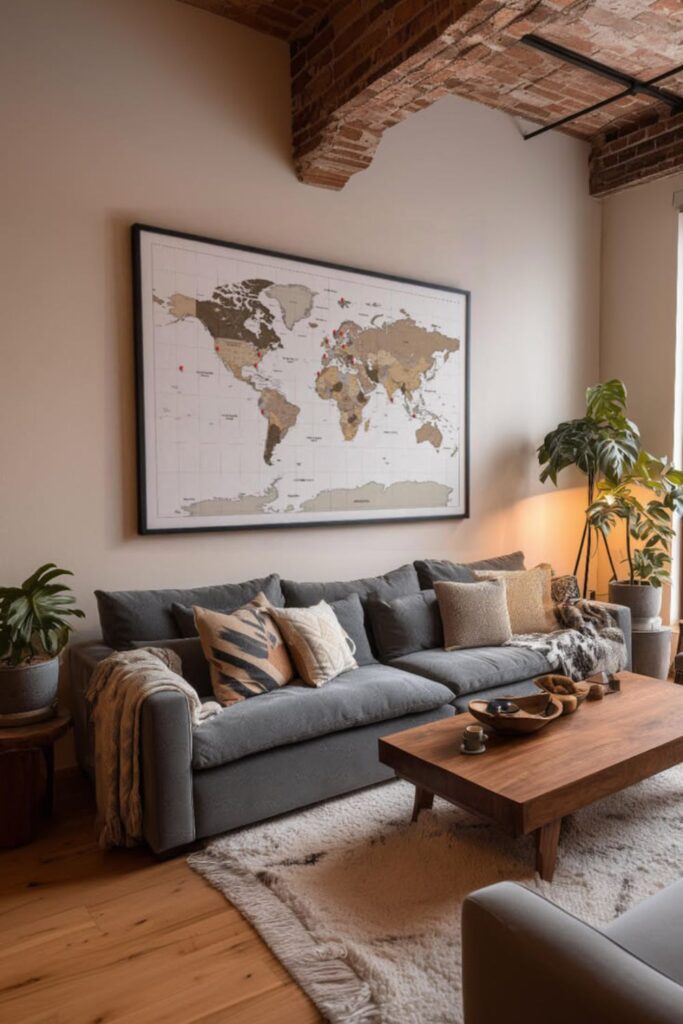
Maps and antique botanical or anatomical prints work particularly well in living rooms because they reward close looking there’s enough detail to be interesting without being loud.
A large vintage-style map in a warm wood or gilded frame creates an academic, grounded atmosphere that works well with leather, linen, or dark wood furniture. The visual density of the print means it holds its own on a large wall without needing companion pieces. This setup is especially suited to rooms where the goal is warmth and character rather than minimal clean lines.
Pegboard Feature Wall in a Kitchen or Studio
Pegboard is one of the more practical wall decor solutions for small kitchens, studio apartments, or any room that needs storage and visual interest simultaneously. Paint it to match or contrast the wall a white pegboard on a dark wall reads very differently from a natural wood-toned one on a light wall.
The key to making a pegboard look intentional is arranging the items on it with negative space in mind: don’t cover every hole. Leave breathing room between objects, add a small plant or framed card among the functional items, and it reads as a feature rather than a storage solution.
Washi Tape or Removable Wall Decals for Renters
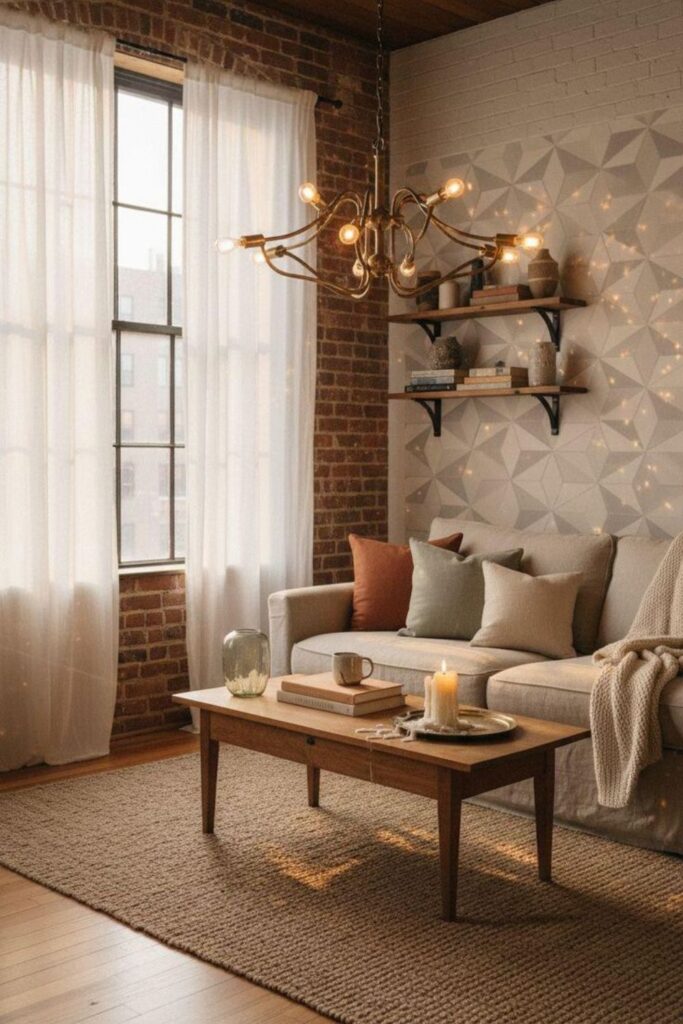
For renters who want wall decor without the risk, washi tape and high-quality removable wall decals have gotten significantly more sophisticated. A geometric pattern in washi tape, a simple grid, an irregular frame shape, or lines radiating from a corner costs almost nothing and comes down clean.
This works best when the pattern is large and simple rather than intricate, since small-scale patterns can look busy on a plain wall. Pair with a few framed prints hung with damage-free strips and the setup reads more intentional than you’d expect from something entirely reversible.
Metal Wall Sculpture or 3D Wall Art in a Living Room
Three-dimensional wall art adds something flat prints can’t: shadow. A metal wall sculpture or carved wood panel creates depth and movement as light shifts throughout the day, which means the wall looks different in morning light versus evening lamp light.
This works especially well in living rooms with good ambient lighting or a window nearby. IMO, this is one of the more underused ideas in residential spaces. People gravitate toward prints, but a well-chosen piece of wall sculpture has a longer visual lifespan because it doesn’t feel like it dates the same way.
Read More About: Best Living Room Color Ideas: 25 Designer Approved Paint Colors & Combinations
Framed Fabric or Textile Art in a Neutral Bedroom
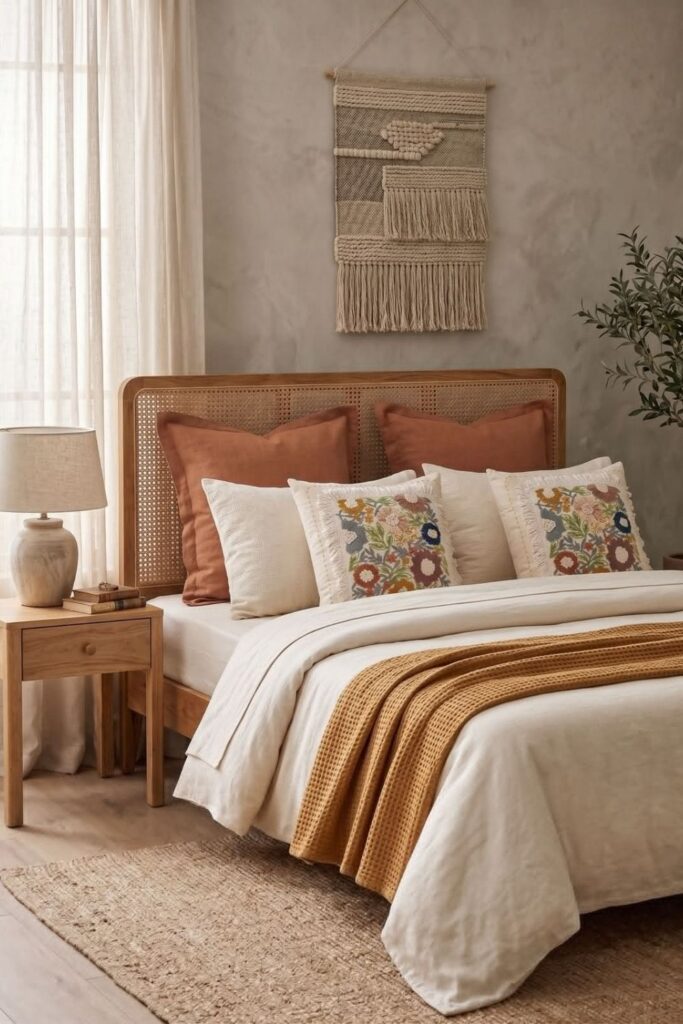
Framed fabric, a piece of interesting linen, a vintage scarf, a hand-dyed textile is one of the quieter wall decor ideas that tends to get overlooked. Stretched over a canvas or placed in an oversized frame with a wide mat, fabric introduces texture in a way that paper prints can’t.
It also tends to work well at large scale because the material itself has visual depth. Go for this if the bedroom palette is already very neutral and you want warmth without color the fabric adds dimension where a flat print would just feel like more of the same.
Stacked Book Wall or Built-In Bookshelf as a Feature Wall
A floor-to-ceiling bookshelf, whether built-in or a freestanding unit pushed against a wall functions as wall decor at a scale most art can’t match. The density of books creates texture and visual interest across the entire wall, and you can control the palette by arranging books by color or alternating books with objects and plants.
This setup works best in living rooms and home offices where the goal is warmth and personality. The furniture placement matters here: a chair or sofa facing the bookshelf wall creates a natural reading corner that makes the whole room feel purposeful.
Art Prints With Mismatched Frames in a Cohesive Color Palette
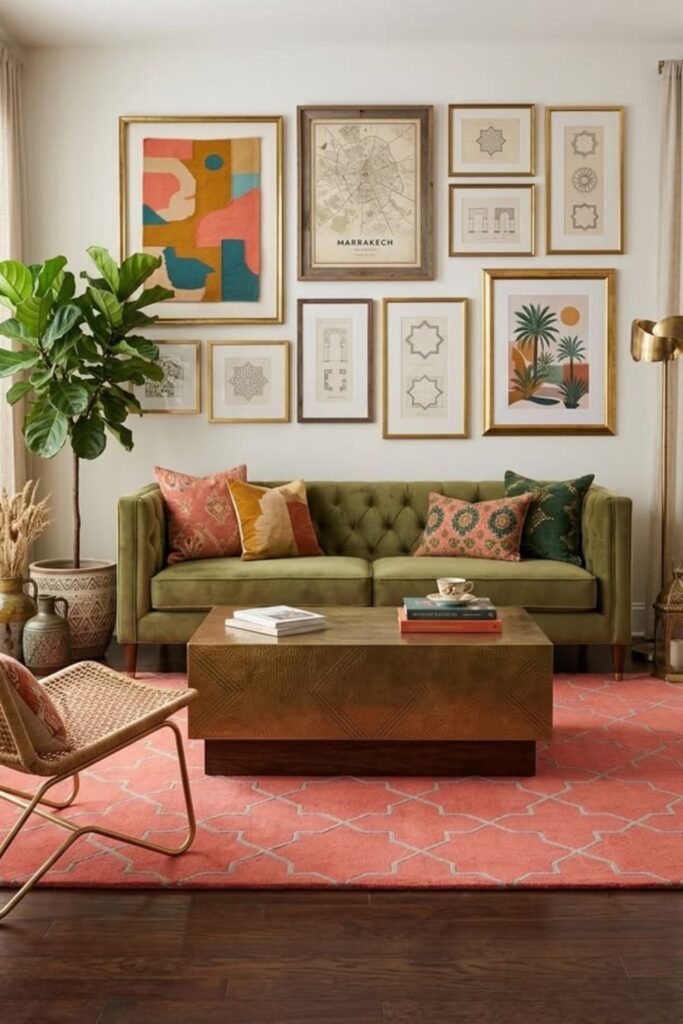
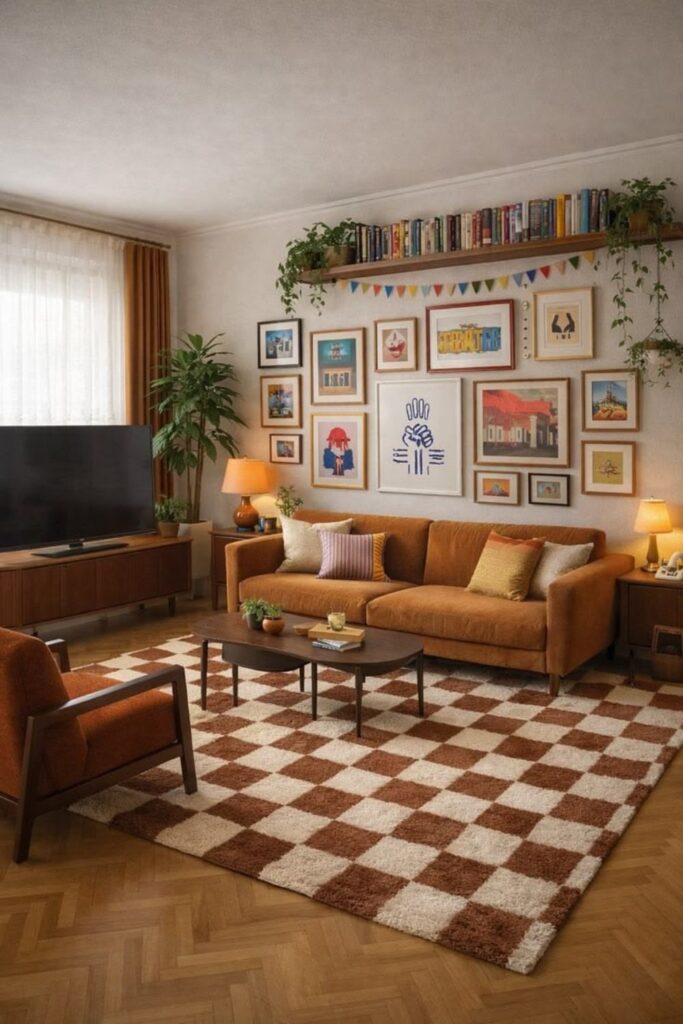
The mismatched frame gallery works when the prints share a color palette rather than a style or subject. Three to five prints in the same warm or cool tone family even if the frames are different sizes, materials, and finishes read as a collection rather than a random assortment.
Lay them on the floor first to test the arrangement before putting anything on the wall. The spacing between them should be roughly consistent, even if the layout itself is asymmetrical. This is a great approach for anyone building a gallery wall. Gradually you can add pieces over time without committing to a perfect matching set upfront.
Oversized Clock as a Statement Wall Piece in a Kitchen or Living Room
A large wall clock, the kind with exposed numbers and simple hands spanning 24 inches or more, functions more like sculptural wall decor than a functional timepiece in most modern homes (since everyone checks their phone).
In a kitchen, it fills the dead wall space above cabinets or across from the stove. In a living room, it works on a wall that’s too narrow for a full gallery but needs something with enough scale to feel deliberate. Industrial metal, distressed wood, or matte black finishes all work well to avoid hyper-ornate designs if the room is otherwise clean.
Children’s Room Art Gallery at Low Height
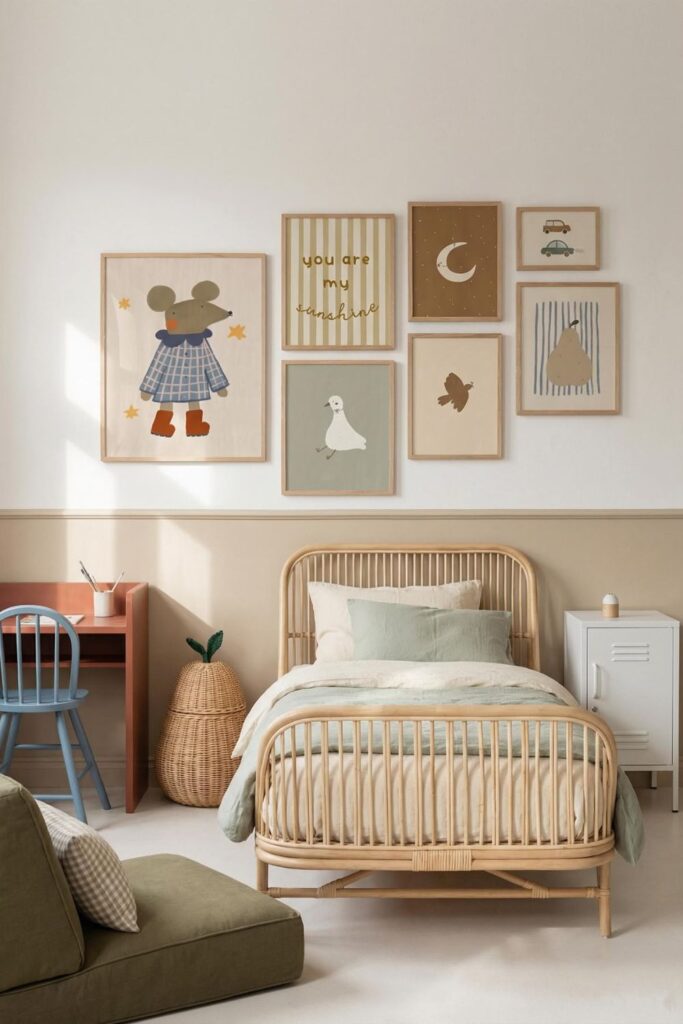
Most kids’ room wall decor is hung at adult eye height which means the child doesn’t actually experience it. Dropping the gallery to the child’s eye level (roughly 36–42 inches from the floor to the center of the arrangement) makes the space feel genuinely designed for them rather than decorated for aesthetics.
Mix framed prints with the child’s own drawings at the same level, same frames, different content. This approach solves the “my kid’s room looks cute but impersonal” problem without a full redesign, and it’s easy to update as the child grows.
Natural Materials Gallery Pressed Plants, Wood Panels, Stone Tiles
This is one of the more interesting directions wall decor is heading in 2026: instead of all-print galleries, rooms are mixing natural materials: a framed pressed fern beside a small mounted wood slice beside a woven square panel.
The variety of texture within a tight color palette (all naturals, all neutrals) creates visual depth that a flat print collection can’t achieve. The arrangement should be loose and slightly asymmetrical. Works especially well in spaces with a lot of smooth or hard finishes tile, painted drywall, lacquered furniture where the walls need something organic to balance the room.
Empty Frame Wall Installation for a Layered, Architectural Effect
Empty frames painted the same color as the wall or in a single contrasting finish create a graphic, architectural installation that’s technically zero-effort to fill. The frames themselves are art. Overlap them slightly, vary the sizes, and keep the arrangement tight rather than spread out.
This works particularly well in hallways or narrow spaces where a traditional gallery would feel crowded but bare walls feel unfinished. It’s also one of the more budget-conscious approaches since thrift store frames painted to match cost almost nothing. The effect is graphic and modern without leaning into any specific trend.
What Actually Makes Wall Decor Ideas Work in Real Homes
The biggest reason wall decor fails isn’t the wrong art, it’s the wrong scale. Most people hang things too small and too high. Art centered at roughly 57–60 inches from the floor (average eye level when standing) tends to look right in most rooms. Above a sofa, the bottom of the frame should sit 6–8 inches above the sofa back not floating halfway up the wall.
Scale is the second variable. A single piece of art on a large wall needs to be large enough to anchor the space, not just visible. A rough guide: the art should span at least half the width of the furniture below it.
The third thing that actually determines whether wall decor works is how it relates to what’s in front of it. A floating print with nothing below it looks disconnected. A print above a console, dresser, bed, or sofa reads as part of the room’s composition rather than an afterthought.
Lighting changes everything too. A print that looks flat in overhead light can come alive with a small picture light or a nearby lamp. If your wall decor consistently feels underwhelming, check the lighting before reconsidering the art.
Wall Decor Setup Guide by Space Type and Goal
| Setup | Best Space | Primary Benefit | Works For | Difficulty |
| Oversized single print | Living room, bedroom | Creates visual anchor | All room sizes | Easy |
| Grid gallery wall | Bedroom, office | Structured, intentional look | Medium to large walls | Moderate |
| Floating ledge with leaning art | Living room, office | Flexible, renter-friendly | Small to medium walls | Easy |
| Textile or woven wall hanging | Bedroom, living room | Adds organic texture | Neutral or minimal rooms | Easy |
| Accent wall + minimal art | Bedroom, dining room | High visual impact, low clutter | Any room with blank wall | Moderate |
| Mirror as wall decor | Small living rooms, entryways | Reflects light, adds depth | Compact or dark spaces | Easy |
| Natural materials gallery | Living room, bedroom | Textural depth, organic feel | Rooms with hard finishes | Moderate |
| Empty frame installation | Hallways, narrow spaces | Architectural, graphic effect | Tight spaces, small budgets | Easy |
| Pegboard feature wall | Kitchen, studio, office | Functional + decorative | Compact, multi-use spaces | Moderate |
Common Wall Decor Mistakes That Make Rooms Feel Off
Hanging everything too high.
This is the most consistent mistake across every room type. When art sits too high on a wall, it disconnects from the furniture below and makes the ceiling feel lower rather than the room feel taller. The center of any piece should be at eye level not at the top of the wall.
Using too many small pieces on a large wall.
A collection of 4-inch prints scattered across an 8-foot wall reads as cluttered, not curated. If the wall is large, either scale up the individual pieces or group smaller pieces into a tight, intentional arrangement with consistent spacing.
Matching art exactly to the furniture.
A painting that exactly mirrors the sofa color or directly depicts the room’s decor style tends to feel forced. Wall decor works better as a counterpoint to something that adds a layer the room doesn’t already have, whether that’s color, texture, or material contrast.
Ignoring the relationship between wall decor and lighting.
Prints hung in a dark corner or beneath a harsh overhead light rarely look the way they did in a gallery or on a screen. Before committing to placement, check the light at different times of day. North-facing rooms with flat light often benefit from warm-toned art and lamp-based lighting rather than relying on overhead fixtures.
Filling every wall.
Not every wall needs decor. A single well-placed piece on one wall can make the whole room feel more considered than four walls with something on each. Negative wall space is part of the composition.
Frequently Asked Questions
What is the best wall decor for a small room?
For small rooms, the most effective approach is one large-scale piece rather than multiple small ones. A single oversized print or mirror takes up visual space without adding physical clutter, and keeps the room from feeling fragmented. Mirrors are especially useful because they reflect light and create the perception of more space.
How high should I hang wall art?
The center of a piece of art should hang at approximately 57–60 inches from the floor average standing eye level. Above furniture like a sofa or bed, the bottom of the frame should be 6–8 inches above the furniture’s top edge. Hanging higher than this disconnects the art from the room’s layout.
How do I arrange a gallery wall without making it look cluttered?
Start by laying all the pieces on the floor and finding an arrangement you like before anything goes on the wall. Keep spacing consistent 2–4 inches between frames and establish a clear outer boundary for the arrangement. A grid format is the most forgiving for beginners; asymmetrical layouts work best when there’s one dominant piece anchoring the composition.
Is removable wall decor worth it for renters?
Yes, removable options have genuinely improved. Peel-and-stick wallpaper panels, washi tape patterns, and damage-free picture-hanging strips allow renters to create real visual impact without lease violations. The key is using large-scale, simple applications rather than intricate ones, which tend to look more intentional and are easier to remove cleanly.
Wall art vs. wall shelves: which is better for small spaces?
Both solve different problems. Wall art adds visual interest; shelves add function and visual interest together. If storage or display space is limited, floating shelves with a few decorative objects solve more problems than art alone. If the room already has enough storage but feels flat or unfinished, art is the more direct solution. In compact rooms, combining both a shelf below a framed print creates a layered effect without requiring extra floor space.
Why does my wall decor always look off even when I like the pieces individually?
Usually it comes down to scale, height, or isolation. A piece that looks right on its own can feel disconnected on a wall if it’s too small for the space, hung too high, or placed without any relationship to the furniture below it. Try dropping it 4–6 inches lower and centering it over the nearest piece of furniture that adjustment alone often resolves the disconnect.
What’s a good wall decor idea that works across different room aesthetics?
A large framed botanical or abstract print in a neutral palette is the most versatile option; it reads well in minimal, maximalist, modern, and traditional rooms depending on the frame finish and color palette chosen. For rooms that are still evolving aesthetically, a picture ledge with rotating leaning prints gives you flexibility without committing to a permanent arrangement.
Conclusion
Wall decor is one of the more direct ways to shift how a room feels, not just how it looks. The right scale, placement, and material can make a space feel more grounded, more open, or more personal without changing a single piece of furniture. Small adjustments dropping a frame a few inches, swapping a small print for a larger one, adding a sconce beside an existing piece often make more difference than a full overhaul.
The key is finding what works for your specific wall, your lighting, and the furniture already in the room. Start with one or two ideas from this list that match the problem you’re actually trying to solve whether that’s a blank wall that feels empty, a cluttered arrangement that needs simplifying, or a room that just lacks warmth. Start simple, see how it settles, and build from there.