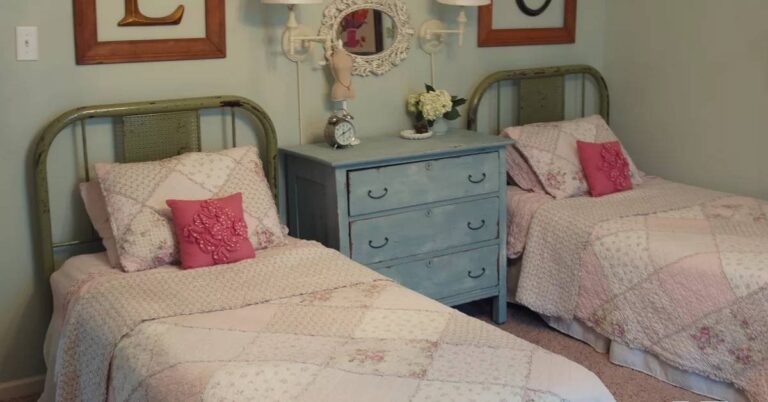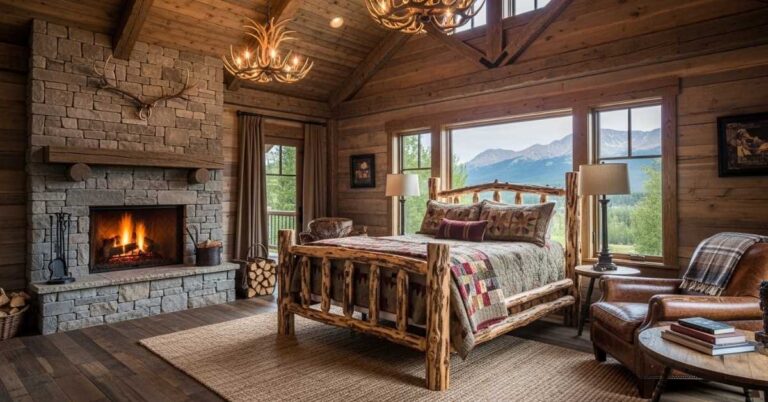
Best Living Room Color Ideas: 25 Designer Approved Paint Colors & Combinations
Color changes everything. Walk into a room painted the wrong shade and something just feels off even if you can’t explain why. Walk into one painted perfectly and you never want to leave. Living Room Color Ideas That’s the quiet power of living room color ideas done right.
The paint on your walls isn’t just decoration. It shapes how the room feels, how large it looks, how relaxed you become sitting in it. It affects your mood before you even sit down.
In 2026, American homeowners are moving away from the cold, gray-dominated interiors that ruled the last decade. Designers across the country are reaching for warmer palettes, earthy green tones, warm cream walls, rich brown interiors, and saturated jewel shades that feel genuinely personal. The era of playing it safe with agreeable beige is giving way to something far more interesting.
This guide covers everything. You’ll find the best paint colors for living rooms trending right now, designer-approved color combinations, practical advice on choosing the right shade for your specific room, and even color ideas tailored for Indian-American homes. Whether you’re redecorating from scratch or just refreshing one wall, you’re in the right place. Let’s get into it.
Best Paint Colors for Living Rooms in 2026
The best living room colors can transform a space by influencing mood, light, and visual appeal. That’s not just design theory, it’s backed by color psychology research. In 2026, the top paint directions aren’t chasing trends for the sake of it. They reflect something deeper: a collective desire for homes that feel warm, intentional, and alive.
Interior designers often recommend choosing paint shades based on room size, natural lighting, existing furniture, and decor style. The chart-toppers this year include white living room color schemes layered with warm undertones, deeply saturated greens, and earthy neutrals that feel grounded rather than bland. Gray, once the undisputed king of American living rooms, has quietly stepped aside. Warmth is winning.
| Paint Color | Brand | Best Finish | Best For |
| Alabaster | Sherwin-Williams | Eggshell | Bright, airy living rooms |
| October Mist | Benjamin Moore | Satin | Earthy, nature-inspired rooms |
| Hale Navy | Benjamin Moore | Eggshell | Bold, classic living spaces |
| Dead Salmon | Farrow & Ball | Flat | Warm, intimate interiors |
| Tricorn Black | Sherwin-Williams | Semi-gloss | Dramatic accent walls |
| Evergreen Fog | Sherwin-Williams | Satin | Modern organic aesthetics |
| Chantilly Lace | Benjamin Moore | Matte | Crisp, modern white rooms |
Warm White Living Room Colors
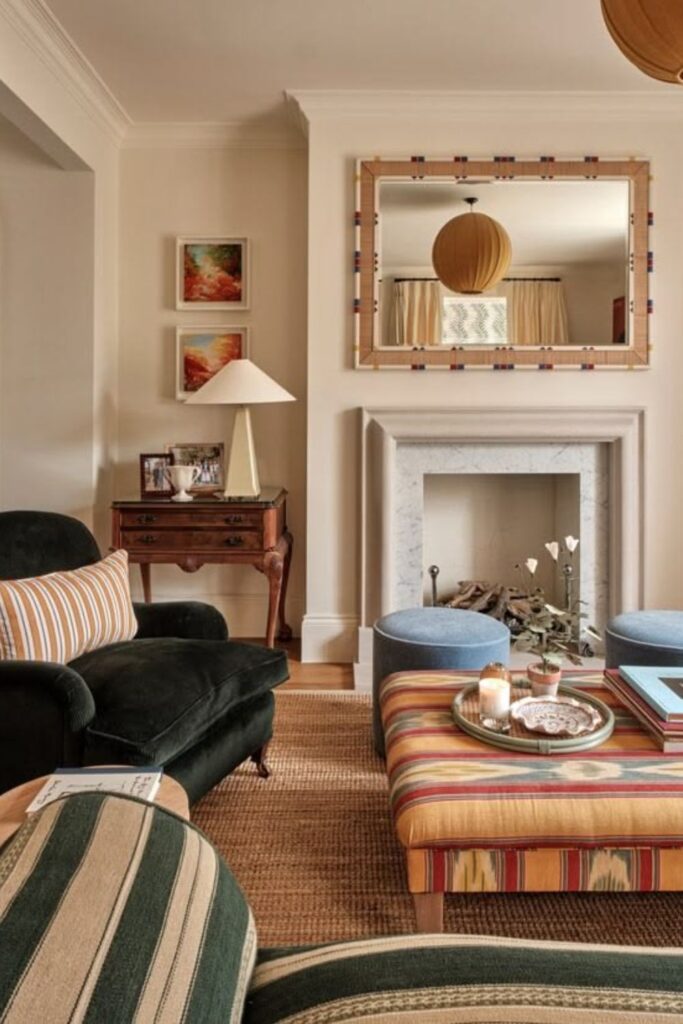
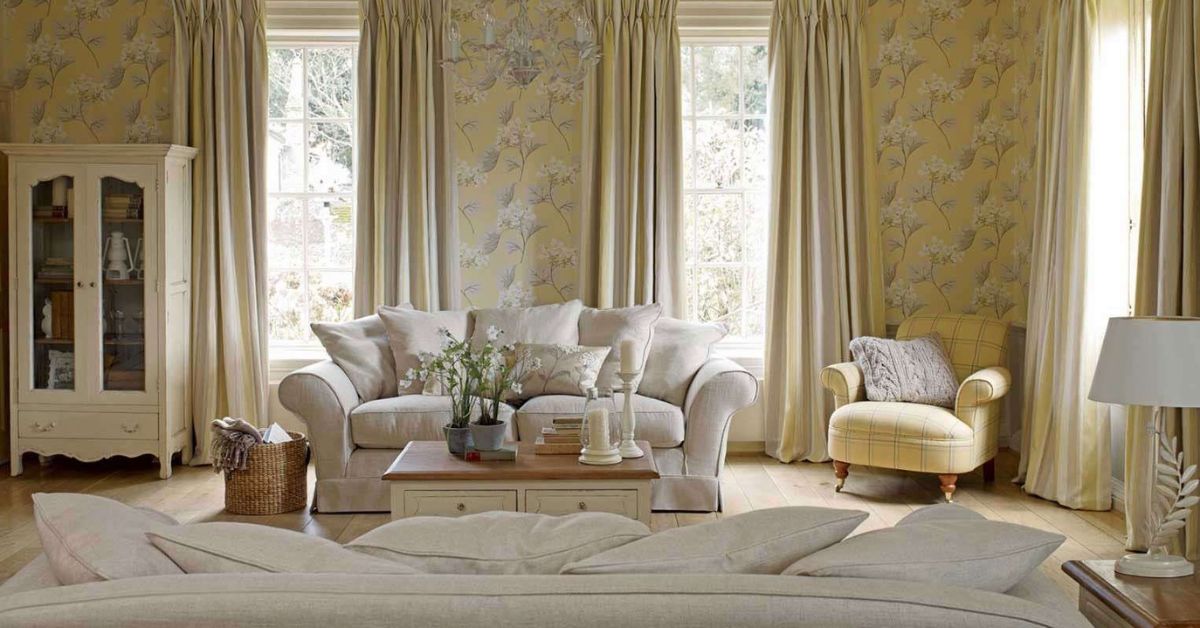
Don’t let anyone convince you that white is boring. Warm cream walls are one of the most sophisticated choices you can make. The secret lies in undertones: a warm white leans toward yellow, pink, or peach, while a cool white tilts toward blue or green. In a living room, warm whites feel inviting rather than clinical. Think of Alabaster by Sherwin-Williams or White Dove by Benjamin Moore. Both carry that subtle warmth that makes a room feel like a hug rather than a hospital corridor.
Cream paint colors work brilliantly in almost every lighting condition. North-facing rooms which tend to feel cold and shadowy come alive with a warm white rather than a stark brilliant white.
Layered lighting, linen curtains, and natural wood furniture amplify the effect beautifully. Add textured fabrics like a chunky wool throw or a jute rug and the whole room takes on a quiet, luxurious calm. It’s the kind of look that photographs well and lives even better.
Read More About: 12+ Aesthetic Wall Decor Ideas That Make Any Room Feel Intentionally
Earthy Green Living Room Paint Living Room Color Ideas
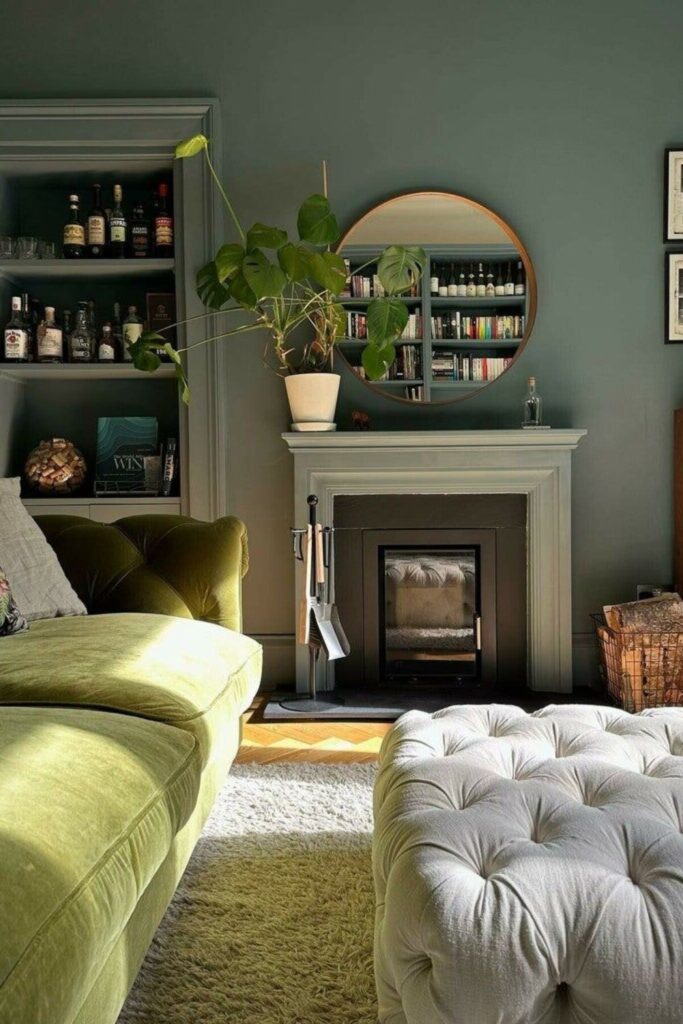
Green is undeniably the color of 2026. Not just any green earthy green tones that feel pulled straight from the natural world. Moss, olive, sage, and forest green are dominating designer portfolios from New York to Los Angeles. The reason is simple: green connects interior spaces to nature, and right now, that connection is exactly what people crave in their homes.
Sage green living rooms in particular have become a design staple. Sherwin-Williams’ Evergreen Fog and Farrow & Ball’s Mizzle are two designer favorites that walk the perfect line between cool and warm. Pair either with natural wood finishes, a walnut coffee table, oak shelving and the effect is extraordinary.
Add accent furniture in warm cream or aged brass and you’ve got a room that looks straight out of an interior design magazine. The best part? Earthy greens age beautifully. They don’t feel trendy five years from now. They feel timeless.
Blue Living Room Color Ideas for a Calm Space
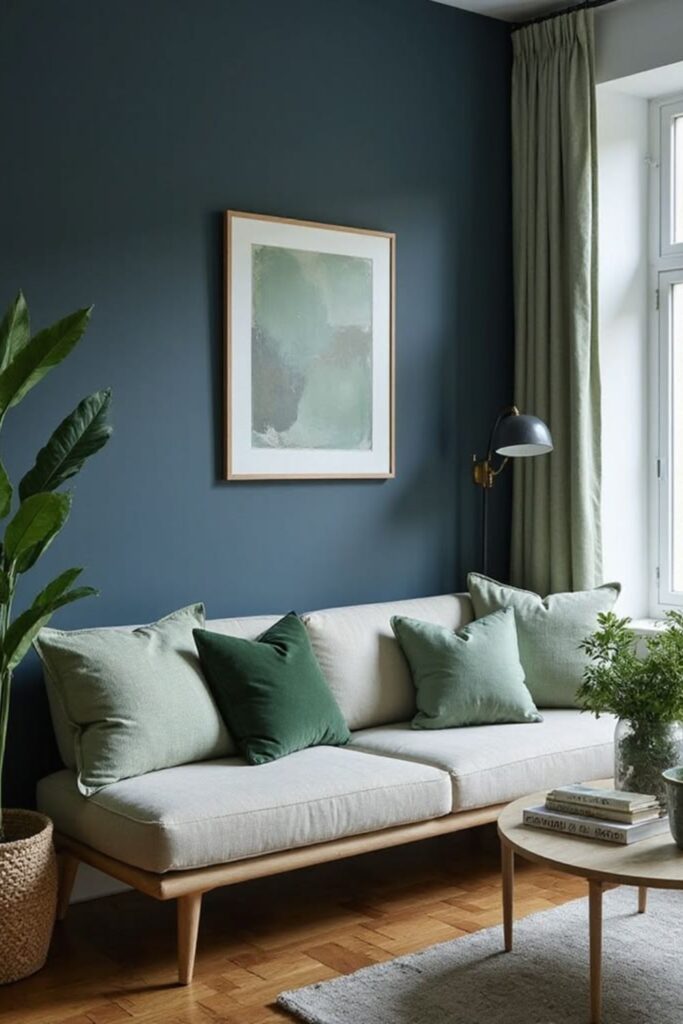
Blue has been a living room favorite for decades and it’s not going anywhere. The reason is psychological. Research consistently shows that blue tones lower heart rate and reduce anxiety making them ideal for the room where you decompress after a long day. Soft blue living rooms feel calm and collected without feeling cold, provided you choose the right shade and pair it thoughtfully.
Pale blue paint works best in rooms with decent natural light. Think Borrowed Light by Farrow & Ball or Gossamer Blue by Benjamin Moore. These shades float on the wall airy, fresh, and endlessly serene.
For something more dramatic, Hale Navy by Benjamin Moore is a perennial designer favorite. Navy grounds a room with confidence. Pair it with statement artwork in warm tones, layered lighting with warm-bulb sconces, and cream or white upholstery. The result is sophisticated without being stuffy.
Rich Brown and Chocolate Paint Colors
Brown is back and designers couldn’t be happier about it. For years it was dismissed as dated, a leftover from the early 2000s.
But chocolate brown walls have made a full comeback, this time paired with modern furniture and sophisticated accents that feel anything but heavy. When executed well, deep brown paint creates a room that feels like a private library or a boutique hotel suite rich, cocooning, and deeply comfortable.
Farrow & Ball’s Dead Salmon and Benjamin Moore’s Kona are two standout picks. Yes, Dead Salmon sounds alarming, but it’s one of the most beautiful warm pinkish-brown shades in existence.
Rich brown interiors work especially well in larger living rooms where the depth of the color doesn’t overwhelm. Balance dark walls with light-colored upholstery cream linen sofas, ivory cushions and metallic accents in gold or copper. The contrast is stunning.
Read More About: 49+ Boho Minimalist Wall Decor Ideas That Make Any Room Feel
Moody Black, Charcoal, and Deep Teal Shades
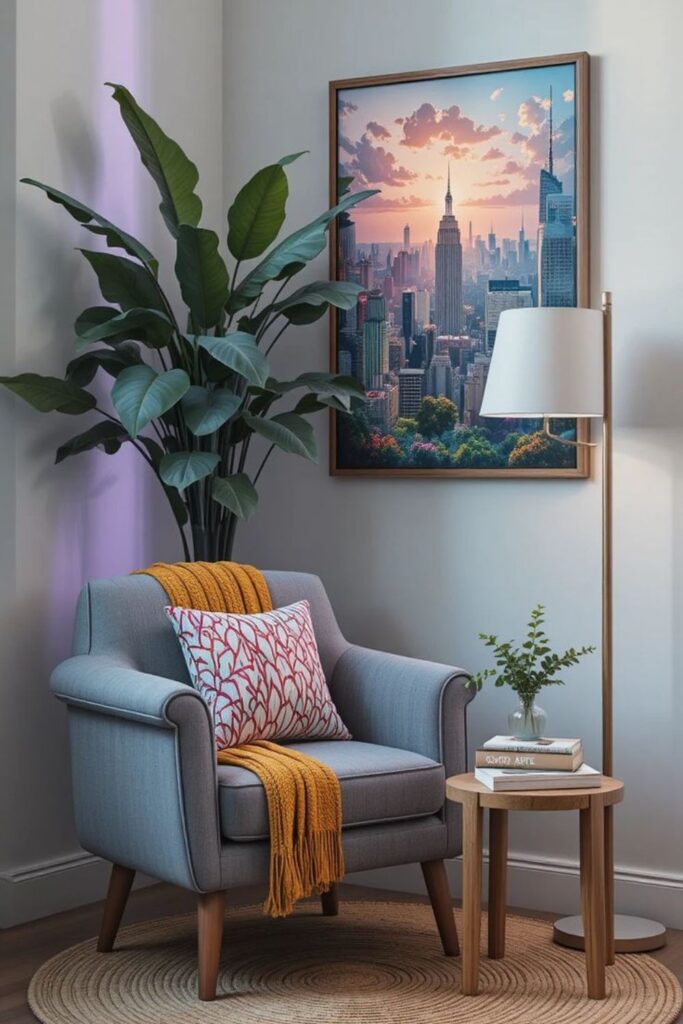
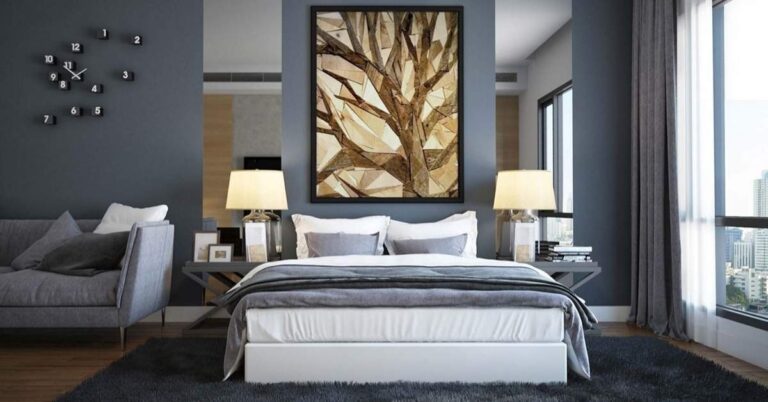
Moody rooms are having a genuine cultural moment. Scroll through any interior design feed right now and you’ll find dramatic living rooms drenched in near-black, charcoal, or moody purple interiors that feel theatrical and deeply personal. The key to pulling this off is balance. Dark walls absorb light so you need to compensate deliberately.
Deep teal, charcoal, and matte black work best when surrounded by reflective surfaces: a large mirror above the fireplace, glass coffee table, glossy ceramic table lamps. Velvet upholstery in emerald or rust adds texture without fighting the wall color. Railings by Farrow & Ball and Tricorn Black by Sherwin-Williams are two favorites. A word of caution, though, always test dark colors in your actual room before committing. They can shift dramatically between morning and evening light.
Hall Wall Colour Combination Ideas That Always Work
Your hall sets the tone for everything that follows. It’s the first thing guests see and the last thing you look at leaving the house. Hall wall colour combinations deserve just as much thought as the main living space arguably more.
Creating a successful palette may involve using the 60-30-10 color rule, incorporating hall wall colour combinations, selecting the best paint colors for living rooms, and balancing warm and cool undertones.
The combinations below have proven themselves across design styles and home types. They’re not just pretty, they’re practical, versatile, and consistently successful.
White and Wood Tones
This combination is essentially foolproof. Warm cream walls or soft white paired with natural wood accents creates a space that feels clean without feeling cold. A walnut console table against a white wall with a linen runner and simple greenery that’s all it takes.
This look works in narrow hallways and generous open-plan halls equally well. It’s the design equivalent of a firm handshake: confident, timeless, and always appropriate.
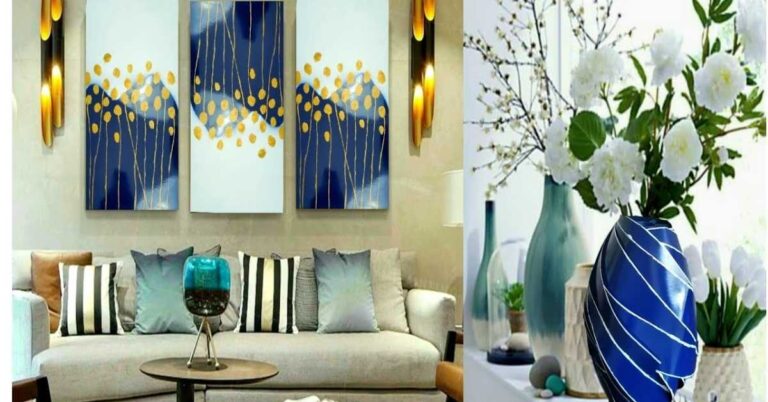
Blue and Gold Living Room Combination
Blue walls with gold accents are genuinely glamorous. Navy or cobalt paired with brass-framed mirrors, gold pendant lighting, and ivory upholstery creates an entrance that stops people mid-sentence.
For American homes with traditional architecture, this combination feels particularly at home. Use pale blue paint in smaller halls or go bold with navy in a larger space. Either way, let the gold do the talking.
Sage Green and Cream
Sage green living rooms and cream form one of the most harmonious combinations in interior design. Sage is neutral enough to recede into the background while still providing unmistakable color and personality. Cream trim and cream upholstery bring warmth and stop the palette from feeling flat.
Add natural textures, a woven basket, linen curtains and the whole thing comes together effortlessly. This is the combination that Instagram designed itself around.
Mustard Yellow and Forest Green
Bold? Yes. Chaotic? Absolutely not. Mustard yellow accents against forest green create a palette that feels eclectic, warm, and vibrantly alive. The trick is restraint: use mustard as an accent rather than a dominant color.
A mustard velvet armchair against a deep forest green wall, anchored by a neutral rug, creates a room that feels curated rather than busy. It’s a high-risk, high-reward combination that pays off beautifully when executed with confidence.
Read More About: Small Living Room Ideas With TV: 25 Smart Layout & Decor Solutions
Pink and Grey Color Pairings
Soft blush pink and warm grey is a combination that sounds delicate but wears remarkably well in practice. Blush adds warmth; grey provides sophistication. Together they create a palette that’s quietly elegant, the design equivalent of a tailored suit in an unexpected color.
This works particularly well in contemporary American homes where the architecture is clean-lined and uncluttered. Rose gold hardware and light natural wood floors complete the picture.
Terracotta and Beige Combinations
Terracotta and beige is the combination that designers keep returning to no matter what else is trending. Terracotta brings warmth, depth, and a globally inspired richness.
Beige grounds it, preventing the palette from tipping into overwhelming. Together they create a living room that feels earthy, welcoming, and endlessly livable.
Think Southwestern meets Mediterranean sun-baked walls, natural textiles, ceramic vases, and warm ambient lighting. It’s an atmosphere as much as a color scheme.
Living Room Color Ideas by Living Room Color Ideas
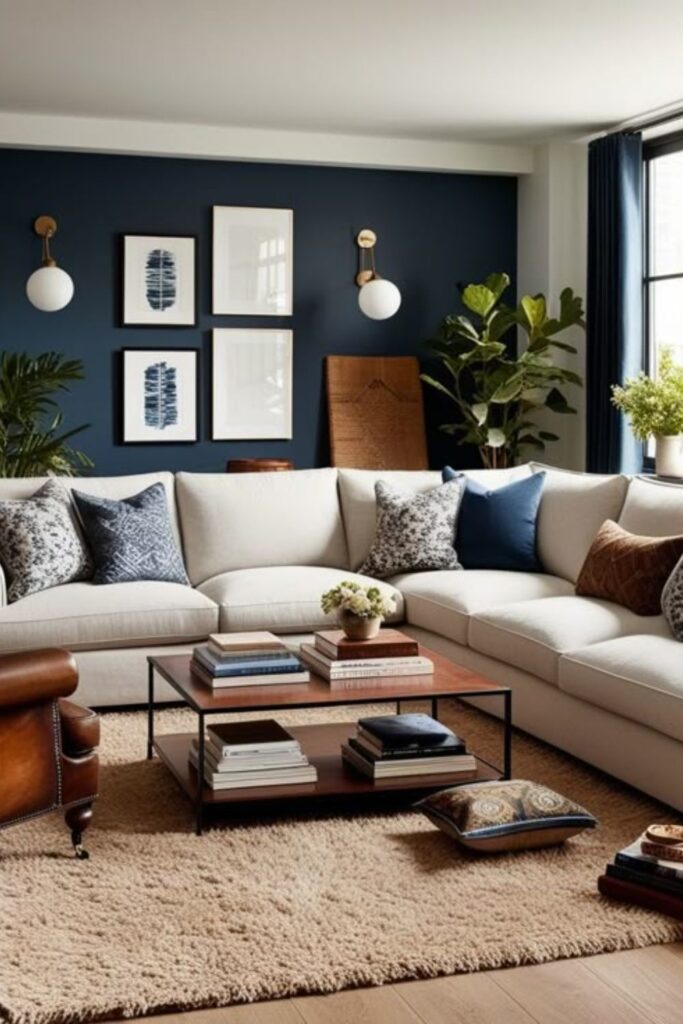
Style matters as much as color. The most beautiful shade in the world won’t work if it’s speaking a completely different visual language from your furniture. Thoughtful color choices help create a living room that feels both luxurious and livable while reflecting personal style. Here’s how the right colors align with the most popular interior design styles in American homes today.
When exploring living room color ideas, consider a mix of timeless and trending shades that enhance comfort, style, and functionality.
Modern Living Room Color Schemes
Modern interiors thrive on restraint and contrast. Think clean whites alongside charcoal or warm taupe, punctuated by a single bold accent, a terracotta cushion, a mustard throw, a piece of abstract art in deep teal.
White living room color schemes are particularly popular in modern interiors because they let architecture and furniture do the talking. The palette supports rather than dominates. Keep it tight two or three colors maximum and every element will feel intentional.
Luxury Living Room Colors
Luxury isn’t loudness. The richest-looking living rooms aren’t necessarily the most colorful, they’re the most considered.
Deep jewel tones like emerald green, sapphire blue, and rich burgundy create an atmosphere of effortless opulence when paired with statement artwork, brass or gold accents, and textured fabrics like velvet, silk, and bouclé. Quiet luxury style in color terms means choosing one deeply saturated shade and building an entire palette around it with precision. Less is always more.
Scandinavian and Japandi Color Palettes
Scandinavian and Japandi design share a love of restraint, nature, and calm. The color palette is muted and warm oatmeal, sand, warm white, pale taupe with natural wood finishes as the dominant visual texture. Black is used sparingly but effectively: a black-framed window, a slender black pendant light. Mint green color schemes appear occasionally in Scandinavian interiors as a soft, nature-inspired accent. The overall effect is peaceful, thoughtful, and deeply livable.
Coastal Living Room Color Ideas
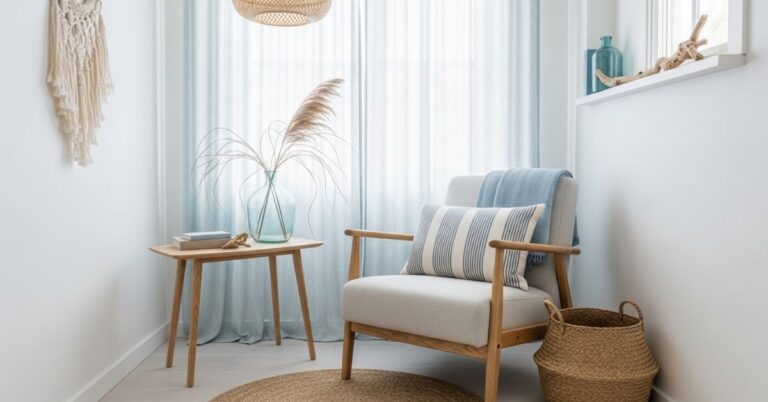
Coastal-inspired palettes are built on the colors of the ocean, shoreline, and sky. Sea glass green, soft aqua, sandy beige, and driftwood gray form the core palette.
Add natural linen, jute rugs, white-washed wood, and organic shapes and you’ve captured the essence of coastal living without a single seashell in sight. This style works especially well in sunlit rooms; the light bounces off pale, reflective colors and fills the space with an almost luminescent glow.
Traditional and Heritage Color Schemes
Traditional American living rooms favor depth and richness: deep navy, forest green, warm burgundy, aged ivory. These colors pair naturally with wood furniture, antique brass hardware, Persian-style rugs, and built-in bookshelves.
Ralph Lauren Paint offers some of the best heritage-inspired color collections available, with shades that feel genuinely aged and authentic rather than artificially distressed. This is the style that improves with age and so do the colors.
Best Colour for Hall Based on Room Size
Room size changes everything in color selection. A shade that’s sublime in a large, light-filled space can feel suffocating in a small, dark one. Popular choices include warm white walls, cream paint colors, earthy green tones, sage green living rooms, pale blue paint, chocolate brown walls, mustard yellow accents, moody purple interiors, and mint green color schemes but the key is matching the right option to the right space.
Understanding how color behaves differently based on square footage and light levels is one of the most practical skills you can develop as a homeowner. Here’s the breakdown.
Colors for Small Living Rooms
Small rooms need color that opens them up rather than closes them in. Light, warm shades soft white, pale blue paint, warm cream reflect light and push walls outward visually. Cream paint colors are particularly effective because they’re bright without the coldness of pure white.
The trick with small rooms is consistency: use the same color on walls and trim to eliminate visual breaks that chop up the space. A monochromatic color scheme of one color in multiple tones works brilliantly for this.
Colors for Large Living Rooms
Large rooms can handle what small ones can’t. Deep, saturated colors, chocolate brown walls, forest green, rich terracotta, navy fill the space with personality and prevent it from feeling empty and cavernous. Large rooms actually benefit from dark paint because it creates intimacy and warmth that too much open white space simply cannot provide. Use color zoning painting different areas in coordinating shades to define distinct seating, reading, or entertaining zones within one large room.
Colors for Dark Living Rooms With Little Sunlight
Dark rooms are a genuine challenge. The instinct is always to go white but the wrong white will make a dark room look dingy rather than bright. Warm cream walls and soft yellows are far more effective.
They reflect whatever light is available and add warmth that a cool white simply doesn’t deliver. The other trick? Mirrors. A large mirror on the wall opposite your window doubles the available light instantly. Combine that with layered lighting, floor lamps, table lamps, recessed lighting and even the darkest room starts to feel genuinely inviting.
Colors for Bright South Facing Rooms
South-facing rooms are the lucky ones. They get abundant, warm light for most of the day. That means they can handle cooler tones that might feel clinical in a north-facing room. Soft blues, pale greens, and crisp whites look extraordinary in south-facing spaces; the warm sunlight balances the cool undertones perfectly.
Avoid very saturated warm yellows in these rooms; they can feel almost aggressive in intense, direct sunlight. Reach instead for pale blue paint or a soft sage to complement rather than compete with the natural light.
Living Room Interior Design Color Inspiration
Beyond single wall colors, some of the most exciting living room interior design decisions involve how color is used architecturally on accent walls, ceilings, and in full-room treatments. Pairing these hues with natural wood finishes, textured fabrics, statement artwork, accent furniture, and layered lighting can create a balanced and inviting atmosphere.
Color Ideas for Open Concept Living Rooms
Open-concept spaces present a unique color challenge: how do you define different zones without physical walls? Color is your best tool. Use a slightly different shade in the kitchen area versus the living area coordinating tones from the same color family rather than jarring contrasts.
Accent furniture in a consistent color thread a mustard dining chair echoed by a mustard throw pillow on the sofa creates visual cohesion across an open space. Area rugs anchored under furniture groupings also help define zones effectively.
Accent Wall Color Ideas
An accent wall is one of the highest-impact, lowest-commitment ways to introduce bold color into a living room. The key is choosing the right wall, almost always the one you see first when entering the room, or the wall behind the main sofa.
Deep teal, terracotta, moody plum, and forest green all make extraordinary accent walls. The one rule: your accent wall color must connect to something else already in the room. A cushion, a rug, a piece of art. Without that anchor, it floats and the room feels unresolved.
Ceiling Paint Color Ideas
The ceiling is what designers call “the fifth wall” and most homeowners completely ignore it. That’s a mistake. Painting the ceiling one shade lighter than your walls creates height and airiness.
Painting it the same color as your walls creates immersive coziness, a technique called color drenching. For a truly dramatic effect in a room with good architectural molding, paint the ceiling a bold contrasting color: a deep navy ceiling in a pale cream room, for example, is genuinely breathtaking.
Color Drenching Trends Explained
Color drenching is one of the biggest trends in interior design right now and for good reason. The technique involves painting walls, ceiling, trim, and even doors in a single shade or very close variations of it. The effect is immersive, cocoon-like, and deeply sophisticated.
A color-drenched living room in deep sage green, warm terracotta, or soft dusty rose feels like stepping inside a painting. The key to making it work is choosing a color with rich enough depth to carry the room without overwhelming it. Flat or matte finishes work best for drenched walls; they absorb light rather than bouncing it, which enhances the enveloping quality.
Wall Colour Design Trends for Modern Homes
Wall colour design in 2026 has moved beyond simple flat color. American homeowners are experimenting with architectural paint techniques that add depth, personality, and genuine artistry to their living spaces. Whether you prefer modern organic aesthetics or something more structured, there’s a technique here worth considering.
These techniques work best when approached methodically, always plan your colors on paper (or a design app) before you pick up a brush.
Two-Tone Wall Paint Designs
Two-tone wall paint divides the wall horizontally typically at chair rail height or slightly above it into two complementary colors. The most timeless approach: a lighter shade on the upper portion, a richer or deeper tone on the lower. Warm cream on top with terracotta below.
Soft white above with deep navy below. The effect adds architectural interest to a plain room and creates the visual impression of paneling without the cost. It’s one of the most transformative and affordable paint techniques available.
Monochromatic Living Room Colors
A monochromatic color scheme uses a single color across the room in varying intensities and finishes. Pale sage on the walls, deeper sage on the trim, a sage velvet sofa, sage cushions in varying tones. It sounds potentially overwhelming but the result is actually deeply calm and pulled together.
The variation in finish matte walls, satin trim, glossy ceramics provides all the visual interest the room needs. Monochromatic rooms photograph beautifully and feel sophisticated in real life.
Color Blocking Techniques
Color blocking brings the bold geometry of graphic design into interior spaces. Two or three contrasting colors painted in large geometric blocks, a rectangle of deep teal surrounded by warm cream, for example, create a living room that feels like contemporary art.
This technique works best in modern, minimalist spaces where the architecture is clean and the furniture is simple. It requires precision and planning but delivers a result that’s genuinely unlike anything else. Keep furniture simple and let the walls do the talking.
How to Choose the Right Living Room Color
Choosing the right color is both an art and a science. It requires understanding how light works, how colors interact, and how your existing furniture and flooring will respond to a new wall color.
Popular options include white living room color schemes, warm cream walls, earthy green paint colors, soft blue living rooms, rich brown interiors, and mustard yellow accents but knowing which to choose for your specific room is the real skill.
Understanding Undertones Before Painting
Every paint color has an undertone, a secondary color lurking beneath the surface that becomes visible once it’s on your walls. A white that looks neutral in the store can turn distinctly pink or green once it’s surrounded by your specific lighting and furnishings.
The white paper test is simple and effective: hold a piece of plain white paper next to your paint swatch. The undertone of the swatch will become immediately apparent by contrast. Always identify and account for undertones before purchasing. It’s the single most common painting mistake homeowners make.
Matching Paint Colors With Furniture
Start with what you already have. Your largest fixed elements, the sofa, the rug, or the flooring dictate the direction your wall color should take. Warm-toned furniture (honey oak, tan leather, warm beige upholstery) pairs with warm wall tones.
Cool-toned furniture (gray sofa, bleached wood, silver accents) works with cooler wall colors. Accent furniture in a contrasting tone adds energy and prevents the room from feeling too matchy. A warm caramel leather sofa against a soft sage green wall, for instance, is a combination that consistently delivers.
Using the 60-30-10 Color Rule
The 60-30-10 color rule is the interior designer’s fundamental framework and it works because it creates balance without formula. Sixty percent of the room’s color comes from the dominant shade, almost always the walls. Thirty percent comes from the secondary color of large furniture, rugs, and curtains.
Ten percent comes from accent color cushions, art, and small decor objects. Here’s a practical example: 60% warm cream walls, 30% sage green sofa and rug, 10% terracotta in cushions and ceramics. The result is a room that feels complete, balanced, and visually satisfying.
Living Room Color Mistakes to Avoid
Even experienced decorators make color mistakes. The difference is they catch them early. Understanding the most common pitfalls before you buy a single can of paint saves you time, money, and a very stressful repainting weekend.
Balancing warm and cool undertones is where most mistakes originate. A room full of warm furniture suddenly feels disjointed because the wall color has a subtle cool undertone nobody noticed at the store.
Colors That Make Rooms Feel Smaller
Very dark colors in small rooms without proper lighting compensation are the number one culprit. Dark paint absorbs light and in a room that’s already limited in square footage, that absorption makes walls feel like they’re closing in.
High-contrast color schemes that create lots of visual “breaks” also chop up small spaces and make them feel fragmented. If you love dark color but have a small room, use it on a single accent wall with excellent lighting and light-colored furniture to compensate.
Overusing Dark Shades
Dark paint is magnificent when handled correctly and genuinely oppressive when it isn’t. The golden rule: every dark room needs relief.
Light-colored upholstery, large mirrors, multiple light sources, and at least one lighter surface, the ceiling, the trim, or a significant piece of furniture prevent chocolate brown walls or deep charcoal from becoming overwhelming. Go dark with intention and give the color room to breathe.
Ignoring Natural Lighting
This is the mistake that causes more repaints than any other. Natural light completely transforms paint color. A shade that looks warm and inviting in the afternoon sun can appear cold and flat on an overcast morning.
Always test paint samples not just swatches, but actual painted patches at least 12 inches square in your room at different times of day. Morning light, afternoon light, evening with lamps on. Live with the samples for 48 hours before making a final decision. No exceptions.
Trending Living Room Colors for 2026
2026 has arrived with a clear color identity: warmth, depth, and personality. The sterile, gray-washed interiors of the 2010s feel genuinely distant now. Whether you prefer a modern organic aesthetic, coastal-inspired palette, quiet luxury style, or a color-drenched living room, selecting complementary shades helps achieve a cohesive design.
Designer-Favorite Green Paints
Green is everywhere and it’s not slowing down. Specifically, earthy green paint colors the kind that feel like they belong in an old-growth forest rather than a color swatch. Sherwin-Williams’ Evergreen Fog, Benjamin Moore’s October Mist, and Farrow & Ball’s Mizzle are the three shades that designers reference most frequently.
All three share the same quality: they’re green enough to be unmistakably green, but complex enough to shift in different lights, appearing more gray in shadow, more olive in sunlight. That complexity is what makes them so endlessly compelling.
Warm Neutrals Replacing Gray
Gray has been dethroned. The new neutrals are warm greige (gray-beige hybrids), warm taupe, soft sand, and dusty terracotta. These shades do everything gray was supposed to do: versatile, sophisticated, easy to furnish without the coldness that gray can inflict in rooms with limited natural light.
Warm cream walls are particularly prominent in this shift. They feel familiar and safe while delivering far more warmth and livability than their cool-toned predecessors.
Color Drenching and Saturated Rooms
Full-room color immersion is the most exciting trend of 2026. A color-drenched living room in deep plum, saturated teal, or rich terracotta feels like an entirely different category of interior design: more emotional, more committed, more personal.
It requires planning: lighting must be excellent, furniture must be chosen with care, and the color itself must be one you genuinely love. But when it works, a drenched room is unforgettable.
Living Room Color Ideas for Indian Homes
Indian-American homes often blend two powerful design sensibilities: the rich, layered aesthetic of South Asian interiors and the clean, functional approach of contemporary American design. The result, when handled thoughtfully, is extraordinary. Rich colour for hall designs is deeply important in Indian design tradition, where the entrance and social spaces are treated with particular ceremony and intention.
Selecting the best paint colors for living rooms in an Indian-American context means considering both aesthetic and cultural factors. Here’s how to approach it.
Vastu-Friendly Living Room Colors
Vastu Shastra, the ancient Indian system of spatial arrangement offers specific color guidance based on the direction a room faces.
North-facing rooms benefit from greens and blues; south-facing rooms can incorporate accents of red and orange; east-facing rooms thrive with white, light yellow, and cream. Generally, white, yellow, green, and blue are considered auspicious for living spaces across most directional orientations. Incorporating these as your dominant shades creates a home that’s not just beautiful but according to Vastu principles energetically balanced.
Colors for Apartments and Flats
Urban apartments and flats across American cities call for clever color strategy. Limited square footage demands colors that maximize the feeling of space: warm cream walls, soft whites, and light sage all reflect light effectively and open the room visually. A single bold accent wall can inject personality without shrinking the space further. The key in small apartments is restraint: one bold decision, executed beautifully, is worth far more than five competing ideas.
Rich Colour for Hall Designs
In Indian design tradition, rich colour for hall spaces reflects hospitality and pride. Deep jewel tones emerald green, royal blue, deep burgundy layered with brass accents, silk textiles, and intricate lighting create an entrance that makes an immediate impression. These aren’t shy colors. They announce the home’s personality with confidence. Layered lighting, a combination of overhead chandelier, wall sconces, and floor lighting is essential to prevent rich dark colors from absorbing all the light and feeling heavy.
Frequently Asked Questions
What is the most popular color for a living room?
Greige (a warm blend of gray and beige) is currently the most popular living room color, praised for its versatility and timeless appeal. Soft whites and warm neutrals like ivory and cream are close runners-up, creating bright, airy spaces. These neutral tones dominate because they pair well with virtually any furniture style, décor, and accent colors.
Which color combination is best for the living room?
The best living room color combination is neutral tones with a bold accent such as warm white or beige walls paired with navy blue, emerald green, or terracotta accents through cushions, rugs, or a feature wall. Earthy tones like warm grey, taupe, and cream create a cozy, timeless feel that suits most styles. For a brighter look, soft pastels like sage green or dusty blue with crisp white trim add freshness and a calming, airy vibe.
What paint color makes a living room look bigger?
Light, neutral colors like white, soft gray, or pale beige make a living room look bigger by reflecting more light and reducing visual boundaries. Cool tones such as light blue or sage green also create a sense of depth and openness. Painting the ceiling the same color as the walls (or slightly lighter) further enhances the spacious effect. .
Conclusion
Here’s the truth: there is no objectively perfect living room color. There’s only the right color for your room, your light, your furniture, and your life. The framework is simple enough to understand your undertones, respect your room size, follow the 60-30-10 color rule, and always test samples in real light before committing. But within that framework, you have extraordinary freedom.
The best living room colors can transform a space by influencing mood, light, and visual appeal. That transformation doesn’t require an expensive designer or a complete renovation. It requires a can of paint, a thoughtful decision, and the confidence to commit to something you genuinely love.