76+ Modern Coastal Decor Ideas That Actually Work in Real Homes
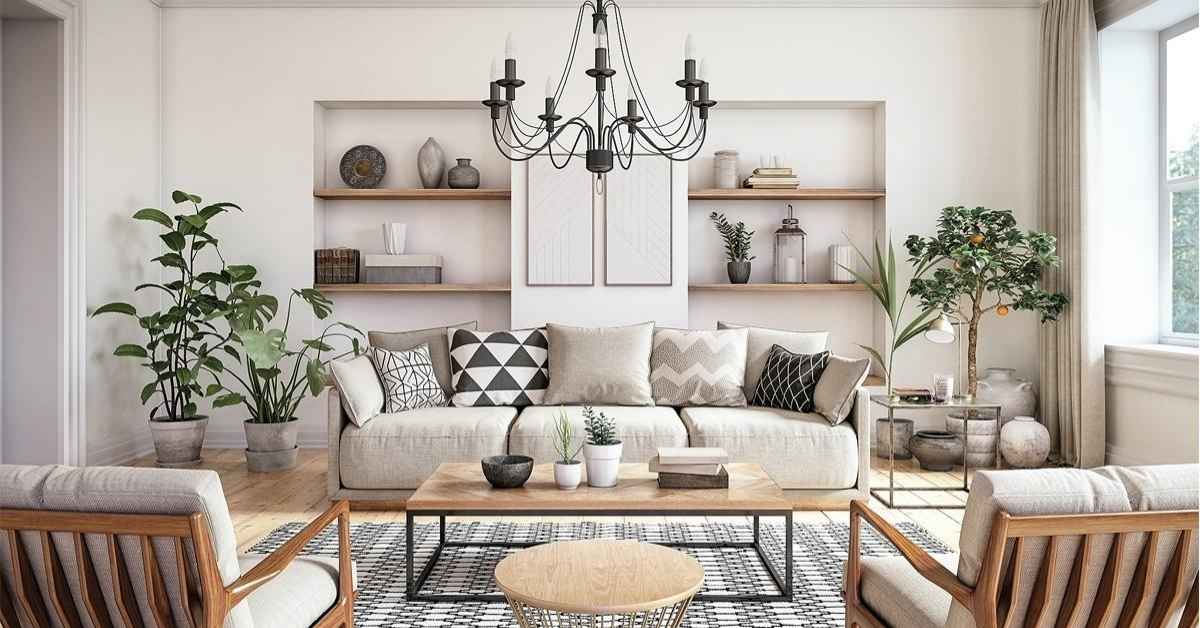
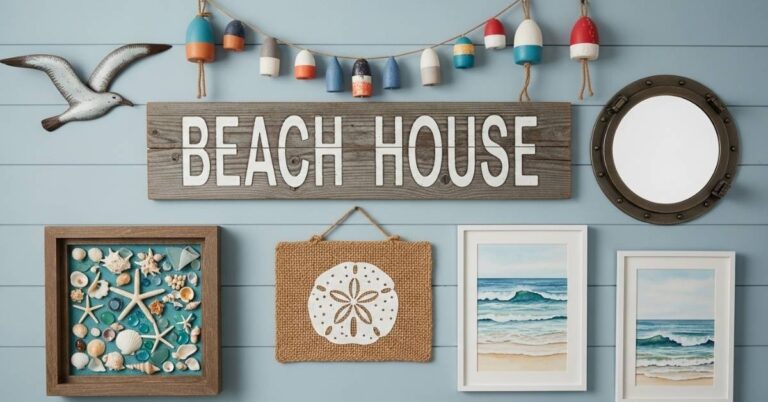
There’s a version of coastal decor that feels lived-in, calm, and genuinely beautiful and then there’s the one with seashell collections on every shelf and a “Life is Better at the Beach” sign above the sofa. Modern Coastal Decor The modern coast is firmly in the first camp.
What’s shifted in 2026 is how people are interpreting the style. It’s less about literal ocean references and more about the feeling of a coastal space open, airy, textured, and easy to be in. Natural light, organic materials, a restrained color palette. The kind of room that feels like a deep exhale.
If your space leans neutral but still feels flat, or you want warmth without going full maximalist, modern coastal decor is genuinely one of the most livable aesthetics to build around. This guide covers 27 real, adaptable ideas for apartments, rentals, small rooms, and spaces that need to work hard every day.
Linen Sofa in Warm White Against a Limewash Accent Wall
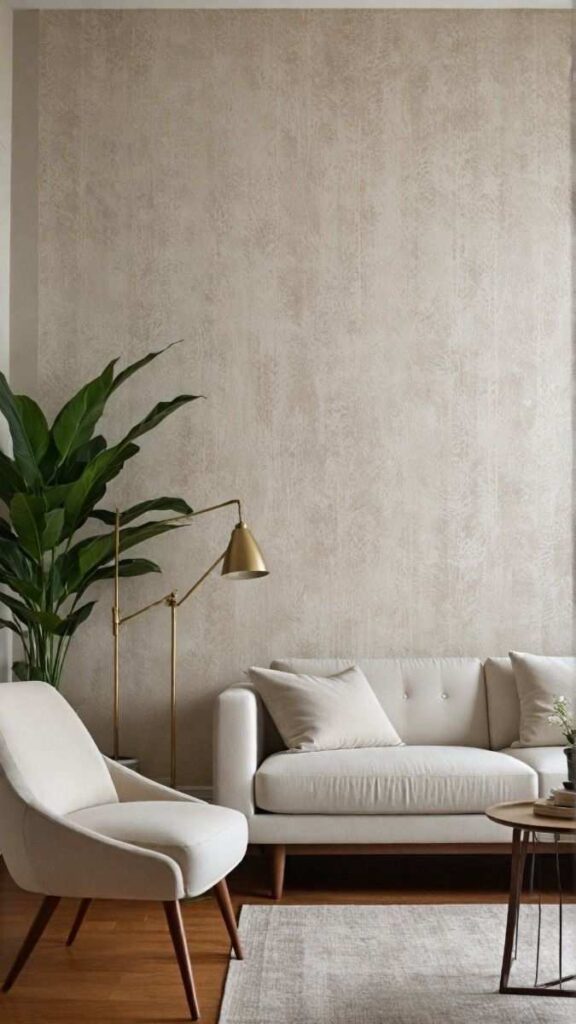
A limewash wall doesn’t just add color it adds depth. Paired with a warm white linen sofa, the combination creates the kind of layered, organic backdrop that defines modern coastal without a single piece of driftwood in sight.
The texture of the wall does the work that artwork or accessories would otherwise do. This setup is especially effective in living rooms with limited natural light, because the matte, slightly chalky finish of limewash bounces soft light around rather than absorbing it. It’s one of the first combinations I’d recommend trying if your space feels too flat or too “plain neutral.”
Rattan Pendant Light Over a Dining Table
Overhead lighting is often the last thing people think about, and it shows. A rattan or woven pendant over a dining table instantly shifts the visual weight of a room upward, drawing the eye and creating a focal point that doesn’t require wall space.
The woven texture adds warmth without color, which keeps the palette clean. This works in rooms where the furniture is already fairly minimal, since the pendant provides visual interest on its own. It also works beautifully in rentals, where you can swap a builder-grade flush mount with a plug-in pendant version without touching the wiring.
Sliding or Sheer Linen Curtains Floor to Ceiling
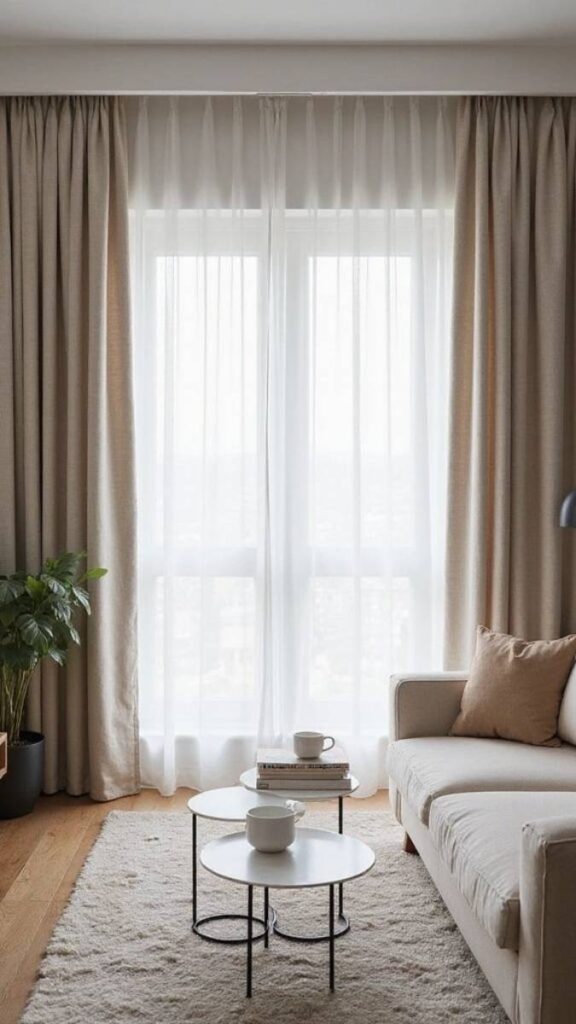
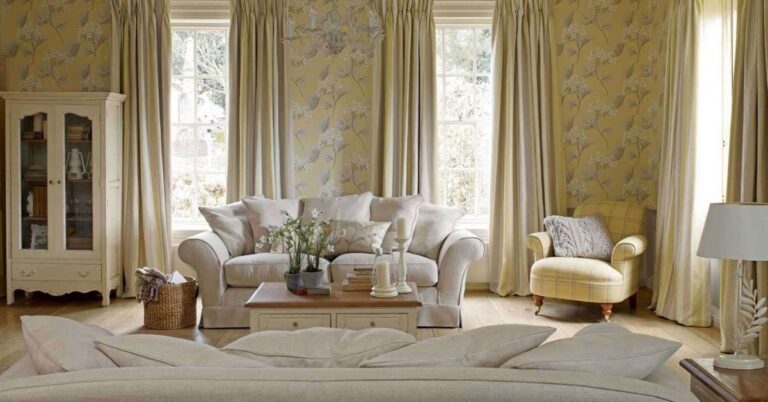
Hanging curtains at ceiling height even if your windows sit lower makes a room feel significantly taller and more open. Sheer or semi-sheer linen is the material of choice here it diffuses light rather than blocking it, which is the core of the coastal aesthetic.
The fabric moves slightly with airflow, adding a softness that heavier drapes can’t replicate. This is particularly useful in small apartments where the goal is to suggest space rather than create it structurally. Go for rod pockets or simple clip rings to keep the hardware minimal.
Whitewashed Wood Shelving With Organic Accents
Whitewashed or limed wood shelving occupies a perfect middle ground between raw and refined. The pale finish keeps walls feeling light while the natural grain of the wood prevents it from looking sterile. Style with a mix of ceramic vessels, a trailing plant, and one or two woven objects not a curated collection of themed pieces.
I’ve noticed this style works best when the objects are grouped in threes and vary in height, which creates a rhythm that feels intentional without being stiff. It solves the “empty wall” problem without leaning on art, which is useful in rental situations or transitional homes.
Jute Rug Layered Over Light Wood Flooring
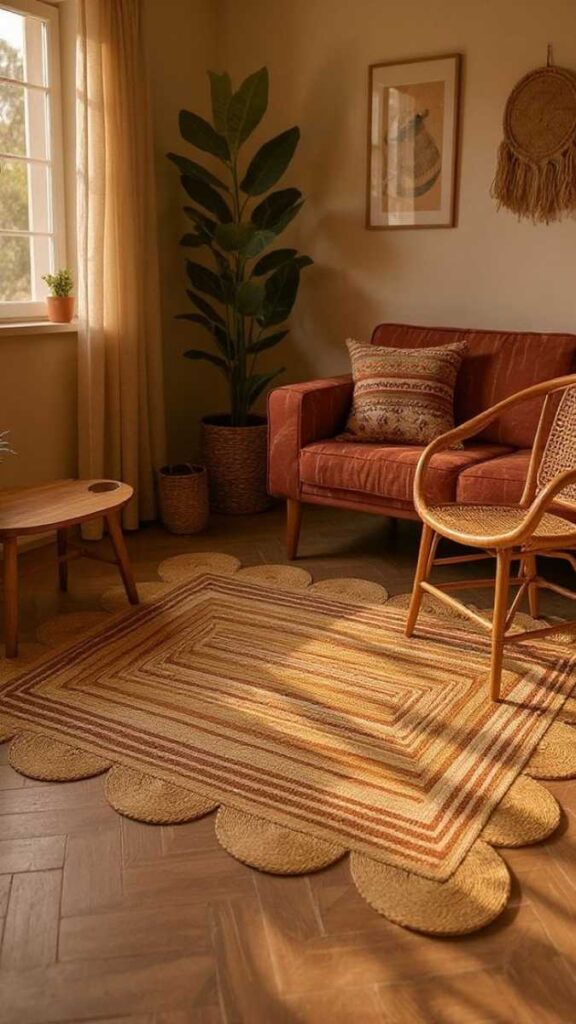
Jute rugs are one of the most underrated workhorses in the modern coastal palette. The natural fiber introduces texture at floor level, where it grounds the room without adding visual clutter above.
Layering it over light wood or blonde oak flooring amplifies the warmth of two natural materials in the same tonal range creating cohesion, not competition. This setup works best in living rooms and bedrooms where the furniture runs neutral. One note jute isn’t ideal for high-moisture areas or households with very young children, but in the right space, it adds more character per dollar than almost anything else.
Read More About: 17+ Coastal Color Palette Ideas That Make Any Room Feel Calm, Airy
Curved Furniture Against Straight-Edged Architecture
Rooms with boxy architecture which most of them benefit significantly from introducing curved furniture. A rounded sofa, bouclé chair, or oval coffee table softens the corners of the space without requiring structural changes. In a modern coastal context, curved pieces work especially well because the aesthetic is built on organic shapes found in nature shells, waves, and worn stone.
This isn’t just a visual choice: curved furniture tends to feel more welcoming for seating arrangements, and it creates better flow in rooms where people gather. The contrast between a curved sofa and crisp white walls is particularly striking.
Coastal Gallery Wall With Maps, Botanical Prints, and Natural Frames
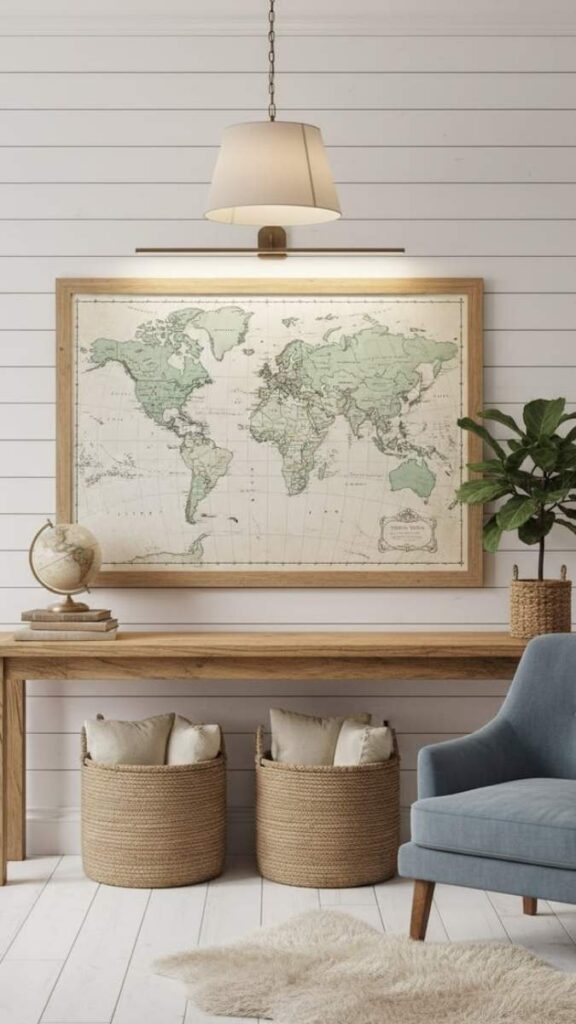
A gallery wall doesn’t have to mean a collection of everything you love. In a modern coastal scheme, the discipline comes from restraint maps in muted ink tones, simple botanical or nature prints, frames in light wood or thin black metal.
The result reads as curated rather than cluttered. This approach solves two problems at once: empty wall syndrome and the temptation to lean too heavily on beachy accessories. Keep the mats white or cream, leave consistent spacing between frames, and avoid mixing more than two frame styles. Honestly, this is one of those setups that photographs well and lives even better.
Built In Window Seat With Storage and Woven Cushions
Window seats are having a genuine moment in 2026 interior design, and the modern coastal aesthetic gives them a natural home. A built-in bench under a window, even a relatively modest one, creates a multi-use zone seating, reading nook, and storage in one footprint.
Woven or textured cushions in cream, sand, or warm white reinforce the material palette without adding furniture to the floor plan. This is especially valuable in small living rooms or bedrooms where the goal is to reduce freestanding pieces while keeping the space functional. The storage drawers below handle blankets, books, or anything else that would otherwise end up on a surface.
Read More About: 75+ Farmhouse Lighting Ideas That Make Every Room Feel Warm
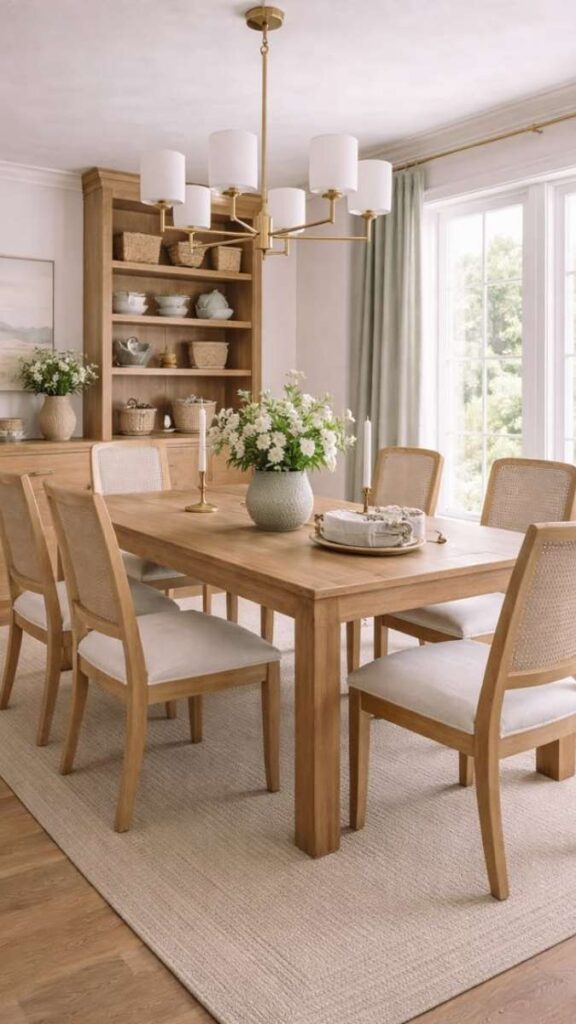
Weathered Oak Dining Table With Linen Dining Chairs
A weathered or wire-brushed oak table brings the worn, organic quality of coastal spaces indoors without mimicking the beach literally. Paired with linen dining chairs loose-cover or close-fitting the combination is relaxed and put-together at the same time.
The texture contrast between the wood grain and the soft fabric is what makes this work visually. This setup is especially practical for families or people who use their dining space daily, since both materials are forgiving and age well. A simple woven or ceramic centrepiece keeps the table dressed without crowding it.
Coastal Blue as an Accent Not a Dominant Color
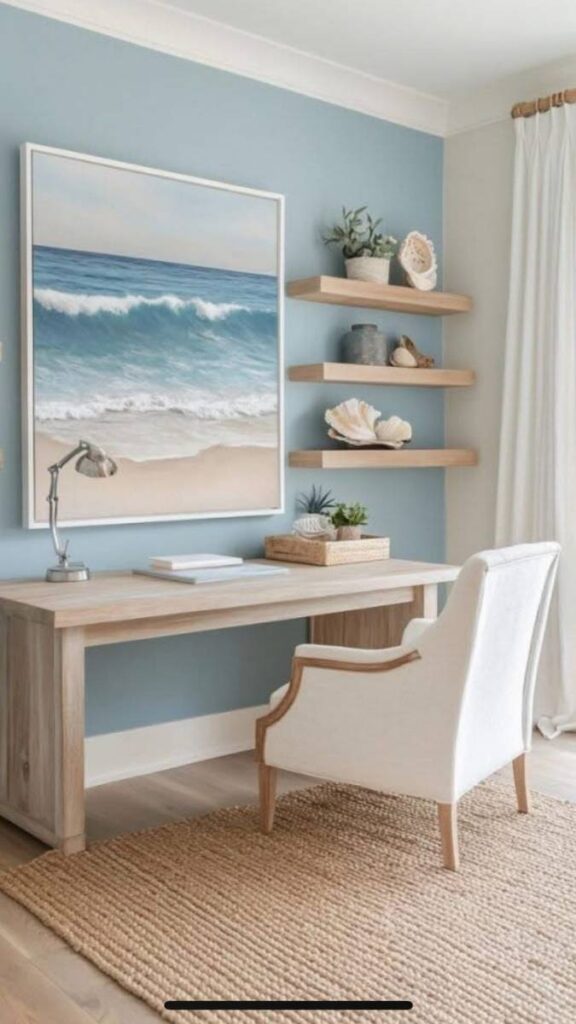
The mistake most people make with coastal color is overcommitting. A full room of ocean blue reads dated quickly and works against the airy, minimal quality that makes modern coastal appealing. Instead, introduce blue as a single accent: one chair, a pair of linen cushions, and a ceramic lamp base.
Against a warm white or natural beige palette, even a muted dusty blue reads clearly without taking over. This approach gives you flexibility as trends shift, swapping one accent piece is far less disruptive than repainting a room. It also keeps the space feeling calm rather than themed.
Terrazzo or Stone Coffee Table as an Anchor Piece
A stone or terrazzo coffee table does something interesting in a soft, textile-heavy room. The visual weight of stone against linen and jute creates a balance that prevents the space from feeling too airy or insubstantial. Round or organic-shaped versions work best in the coastal context. This is one of those investment pieces that tends to outlast trends, partly because the material itself has a timelessness to it, and partly because the neutral speckle of terrazzo works with almost any color story you build around it. It also solves the practical problem of durability. Stone surfaces hold up better than most alternatives in daily-use living rooms.
Open Shelving in the Kitchen With Ceramic and Natural Wood
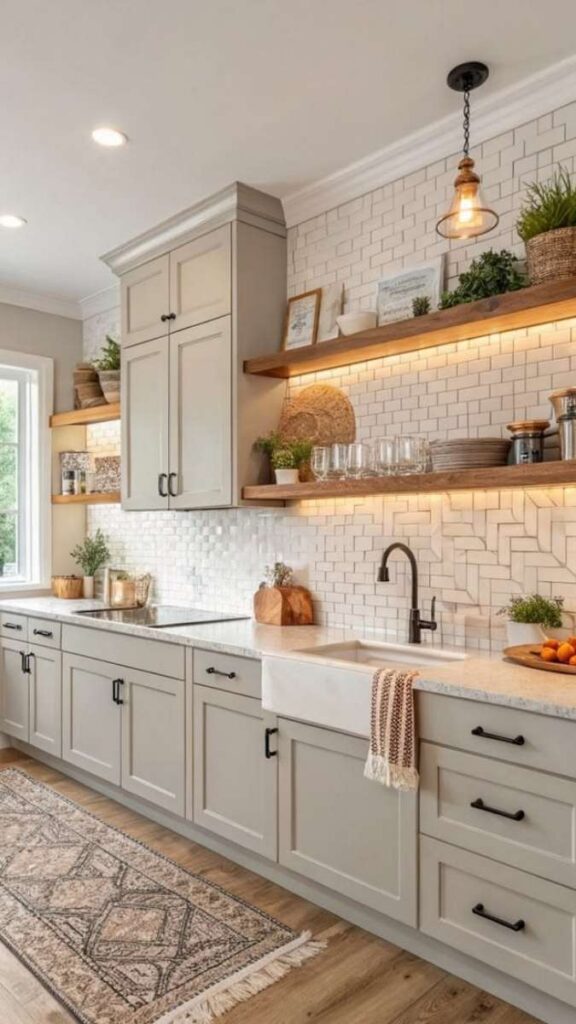
Modern coastal kitchens lean on material honesty; what you see is what’s actually there. Open shelving works here because the palette is restrained enough that the display doesn’t feel chaotic. White or cream ceramics, a few wooden boards or utensils, a small potted herb that’s all it takes. The key is negative space.
Leave gaps between objects rather than filling every inch, which allows the shelf itself to breathe. This works best in kitchens with at least decent natural light, where the open shelves can contribute to the overall brightness rather than making the room feel exposed.
Rope or Macramé Wall Hanging in a Neutral Bedroom
Textile wall art solves a specific problem in bedrooms: the space above the headboard that feels too important to leave blank but too narrow for a full gallery wall. A single, well-proportioned macramé or knotted piece fills that zone with texture instead of color, which keeps the room calm.
Modern versions lean minimal simple knots, undyed cotton or jute, restrained dimensions. This isn’t the oversized macramé of the 2010s; it’s cleaner, quieter, and far more versatile. It works particularly well in bedrooms with white or warm white walls, where the organic texture stands out without competing.
Layered Bedding With Linen, Waffle Weave, and Woven Throw
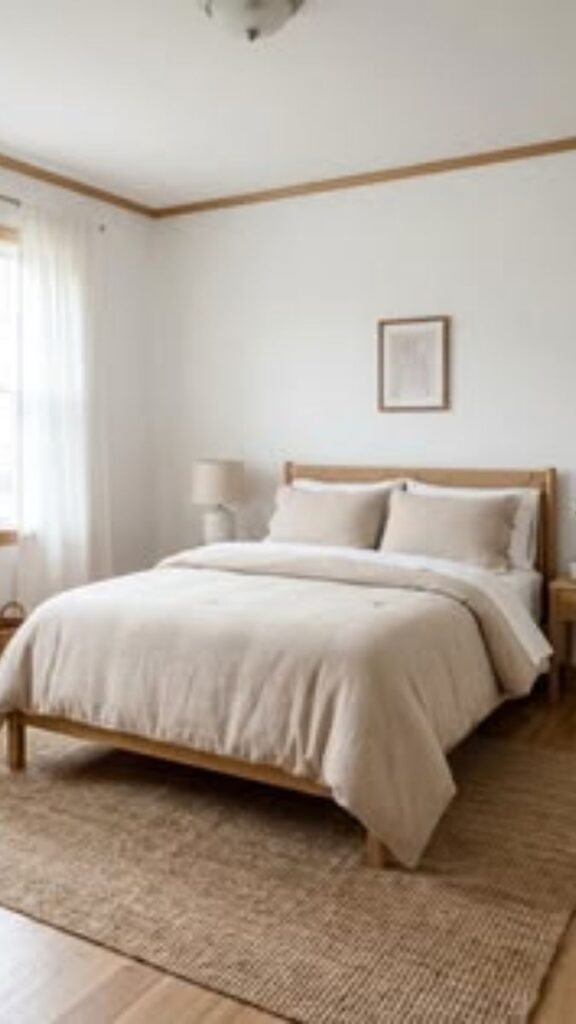
Coastal bedrooms communicate comfort through texture rather than color. Layering a linen duvet with a waffle-weave blanket and a loosely draped woven throw at the foot of the bed creates depth that reads beautifully and functions well; you can adjust warmth without disrupting the look.
Stick to a tonal palette cream, warm white, sand, oatmeal. The variation in weave and material is what creates interest, not contrast in color. This setup is also practically useful in climates with variable temperatures, since each layer serves a real function rather than just a visual one.
Read More About: Coastal Bathroom Ideas That Actually Work in Real Homes
Driftwood or Bleached Wood Headboard
A driftwood or bleached wood headboard is one of the few explicitly coastal references that works in a modern scheme without tipping into theme territory. The key is the scale and finish of natural grain, pale tone, and clean lines that don’t carve the wood into wave shapes or decorative cutouts.
Against white or warm linen bedding, it reads as a material choice rather than a decor motif. This works in bedrooms of most sizes, though it’s particularly effective in rooms with lower ceilings, where a tall upholstered headboard would feel heavy.
Statement Mirror in a Sunburst or Organic Frame
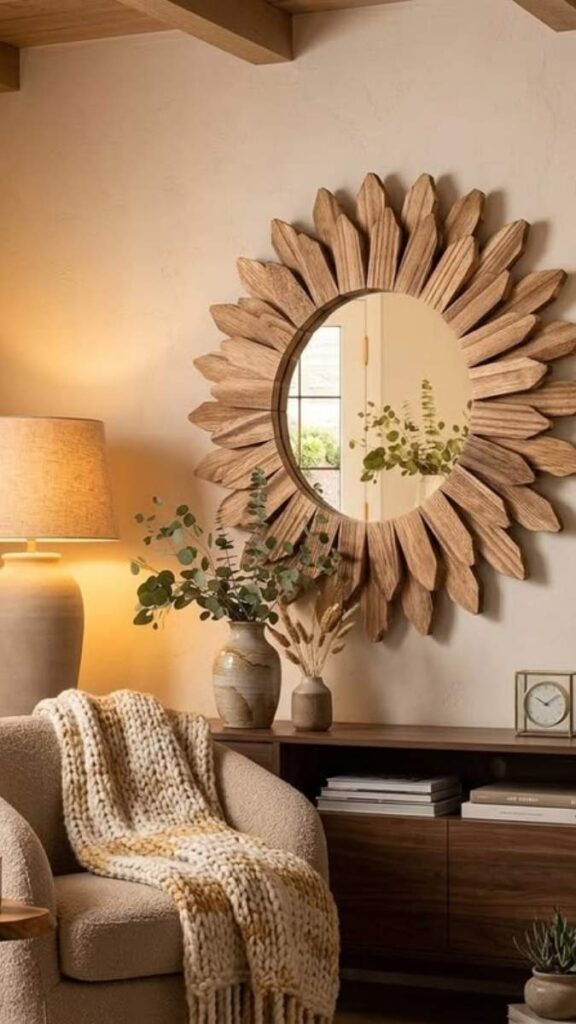
A well-placed mirror does real spatial work: it reflects light, visually extends a wall, and creates a focal point without requiring artwork. In a modern coastal context, frames in rattan, natural wood, or an organic silhouette (irregular, asymmetric, coastal-inspired without being literal) add warmth to what’s otherwise a purely functional object.
Entryways and living rooms are the strongest placements. Position opposite a light source, a window or wall light and the reflection genuinely changes how bright the room reads. This is especially useful in north-facing rooms or apartments where natural light is limited.
Coastal Inspired Bathroom With Zellige or Glossy White Tiles
The modern coastal bathroom has quietly shifted away from subway tile toward more artisanal options. Zellige the handmade Moroccan tile with its slightly irregular surface and high gloss creates a similar brightness to white tile but with a depth and character that’s unmistakably current.
Paired with a warm wood vanity and simple brass or matte black fixtures, the combination feels both fresh and grounded. This works in small bathrooms too, where the reflective quality of the glaze amplifies whatever natural or artificial light is available. In my experience, the warm white zellige reads better under incandescent or warm LED bulbs than under cool white lighting.
Woven Pendant or Bedside Lamp in the Bedroom
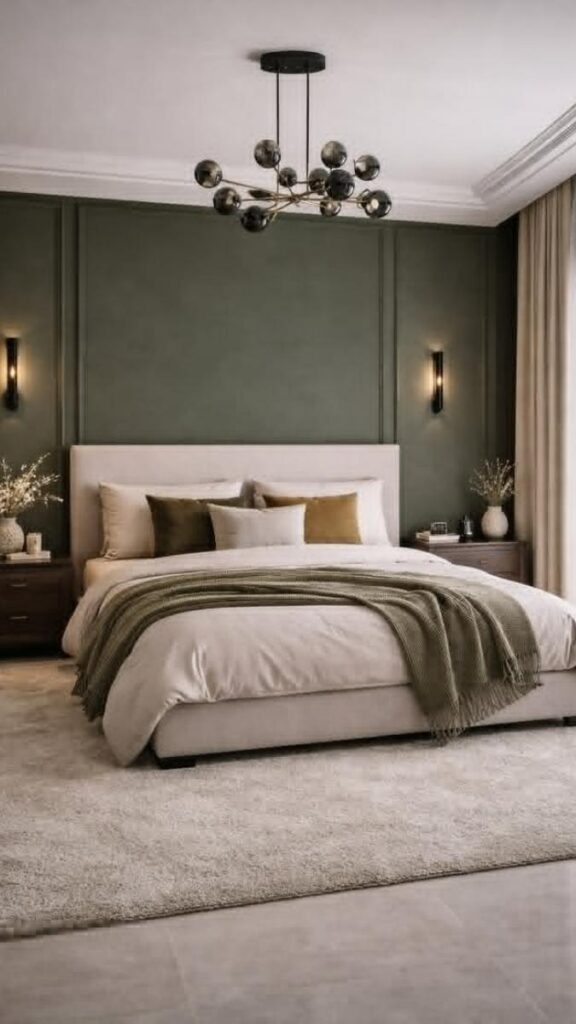
Bedside lighting is rarely given enough thought. A woven pendant lamp hung from a ceiling hook beside the bed instead of a standard table lamp frees up nightstand space while adding a layer of texture to the room.
The woven shade casts a warm, dappled light that’s softer than most lamp shades and contributes to the organic material story of a coastal bedroom. This is a practical solution for small bedrooms where nightstand space is at a premium, and it’s a relatively low-investment change that shifts the atmosphere more than most furniture swaps would.
Outdoor Furniture Brought Indoors for a Relaxed Coastal Feel
One of the quieter shifts happening in interior design right now is the blurring of indoor and outdoor furniture. High-quality all-weather wicker or resin rattan chairs, the kind designed for covered outdoor spaces, can move into a sunroom, reading corner, or casual living area without looking out of place.
The material is durable, easy to clean, and contributes naturally to the coastal palette. This is a budget-aware option that works especially well in transitional spaces, screen porches, enclosed patios, or sun-facing rooms where the indoor/outdoor distinction is already blurred.
Limewash or Whitewash on a Brick Fireplace Surround
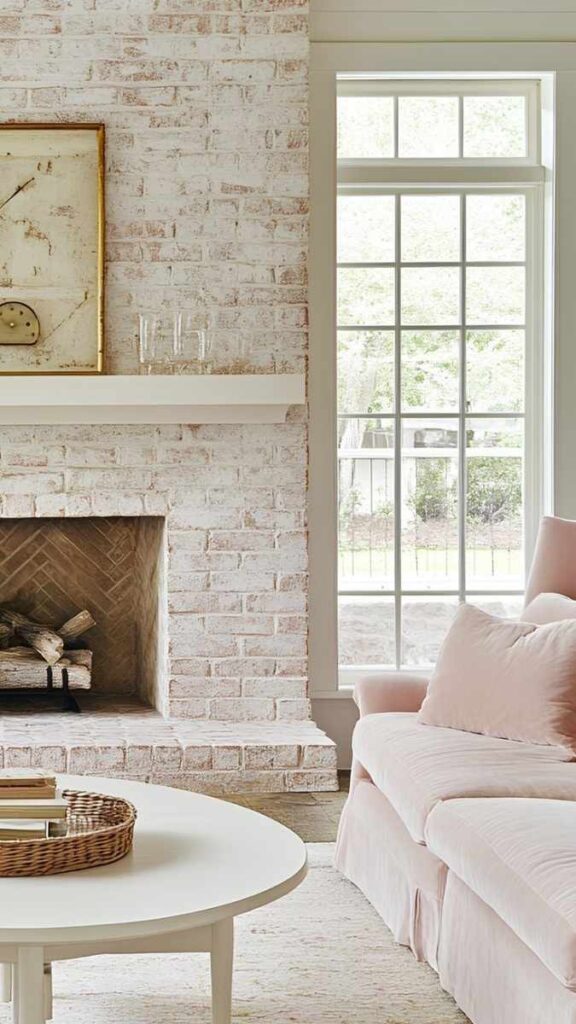
A brick fireplace surround can feel heavy in a modern coastal scheme; the strong pattern and warm red tones work against the airy, restrained palette. Limewash or whitewash paint softens the brick without erasing the texture, which is the best of both outcomes.
The result is a fireplace that reads as an organic material similar to plaster or stone rather than a traditional masonry element. T
his works in both traditional and contemporary rooms, and it’s a project that’s achievable in a weekend with the right primer and technique. It’s also reversible, which matters in rental or transitional homes.
Floating Vanity With Concrete or Stone Basin
A floating vanity opens up the floor plane of a bathroom, which makes the space feel larger without touching the footprint.
When paired with a concrete or natural stone basin, the material palette skews organic and restrained, consistent with a modern coastal approach. The visual gap between the vanity and the floor also makes cleaning easier, which is a practical benefit that’s easy to overlook.
This setup works especially well in smaller bathrooms where a full-size freestanding unit would crowd the space and limit movement. Keep the surrounding tiles light white, cream, or warm grey to maintain openness.
Natural Stone or Marble as a Kitchen Backsplash
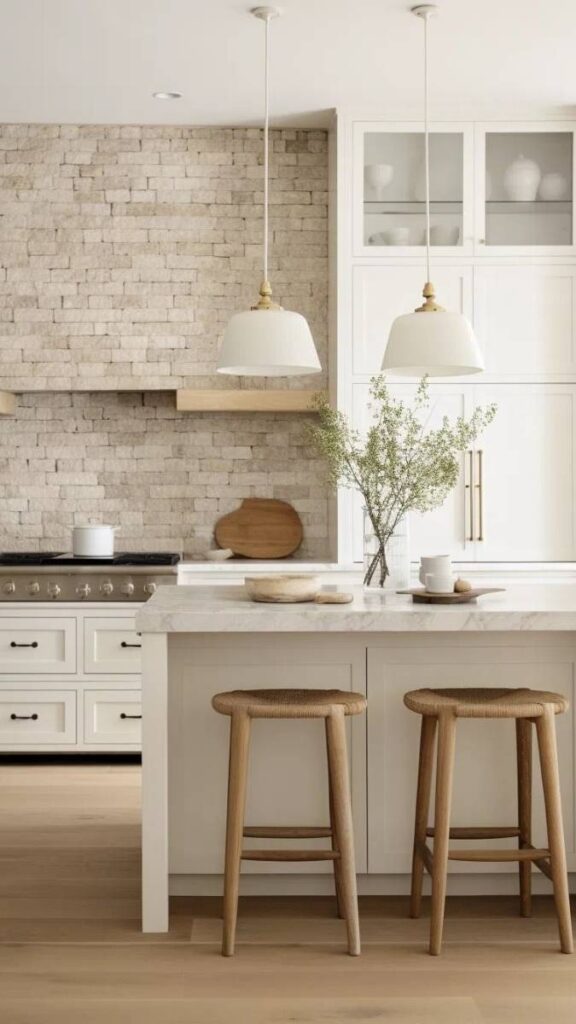
Stone backsplashes, particularly soft white marble, quartzite, or leathered travertine are replacing subway tile in modern coastal kitchens at a noticeable rate in 2026.
The natural veining introduces a pattern without color, which keeps the kitchen feeling cohesive. The material also ages differently than ceramic minor wear adds to the character rather than detracting from it.
Leathered or honed finishes work better in the coastal context than high-gloss polished stone, since they don’t create the hard reflective quality that sits at odds with the organic, textured palette. Pair with warm white or natural wood cabinetry for the strongest result.
Coastal Reading Nook With Shiplap Wall and Built In Bench
Shiplap when used with restraint is one of the more effective ways to add architectural character to a featureless room. A single shiplap wall behind a built-in bench creates a reading nook that feels intentionally designed rather than assembled from furniture alone.
Paint it warm white (not bright white) to keep the grooves visible without the wall becoming too prominent. The bench itself provides seating and storage; a few cushions and a woven basket below complete the setup. This works in living rooms, bedrooms, or any space with an underused corner or alcove.
Indoor Plants Styled for a Coastal Organic Look
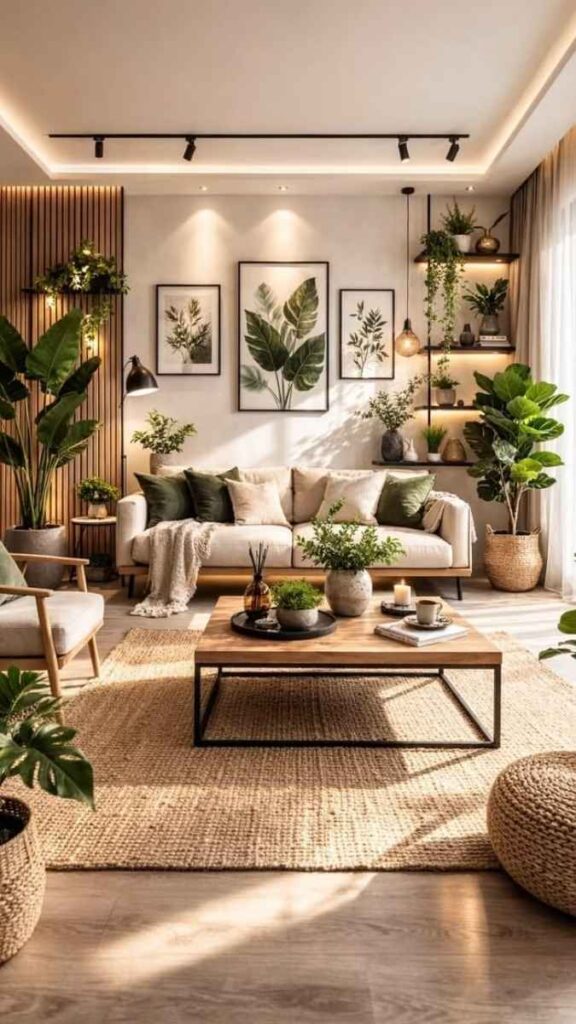
Plants in a coastal scheme work best when they’re styled as objects rather than collections. One large-scale plant, a fiddle leaf fig, olive tree, or tall palm placed in a natural clay or woven basket planter has more visual impact than a dozen small pots scattered across surfaces.
The scale creates a sense of life and growth without adding visual clutter. Positioning near a light source a corner window is ideal both for plant health and to take advantage of the natural light the plant will occupy. Trailing plants on upper shelves (pothos, string of pearls) can complement the arrangement without competing with it.
Soft Blue Green Cabinetry in a Coastal Kitchen
Colored lower cabinetry with white uppers is one of the more practical ways to introduce a coastal palette into a kitchen without committing to a full repaint. Soft sage green, dusty teal, or washed blue-green work within the coastal range while reading more sophisticated than navy or turquoise.
The tonal split color below, white above keeps the kitchen feeling open at eye level, which is especially important in smaller spaces. Natural stone or butcher block countertops bridge the two zones. This is also a good renter option via peel-and-paint cabinet transformations, which have improved significantly in recent years.
Open Plan Living With a Defined Zone Using a Jute Area Rug
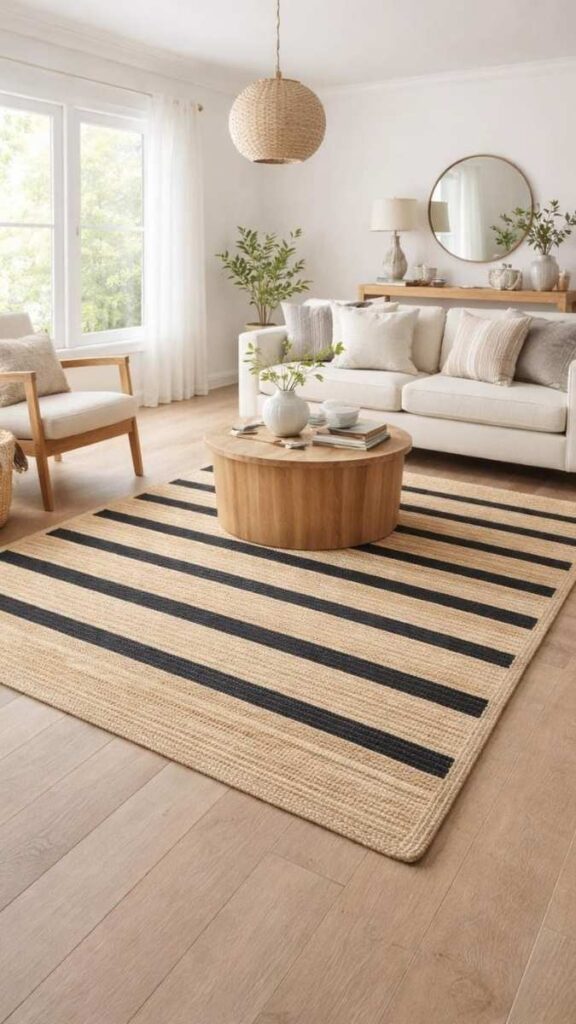
In open-plan spaces, the challenge is creating distinct zones without physical walls. A large jute or sisal area rug placed under the sofa and coffee table large enough that all furniture legs sit within or just on the edge defines the living zone clearly and creates an anchor for the seating arrangement.
The natural fiber ties in with the coastal palette and holds the furniture grouping together visually. This is particularly useful in combined living/dining spaces where the two areas otherwise bleed into each other. The rug doesn’t need to be expensive to work; consistency in the natural material palette matters more than price.
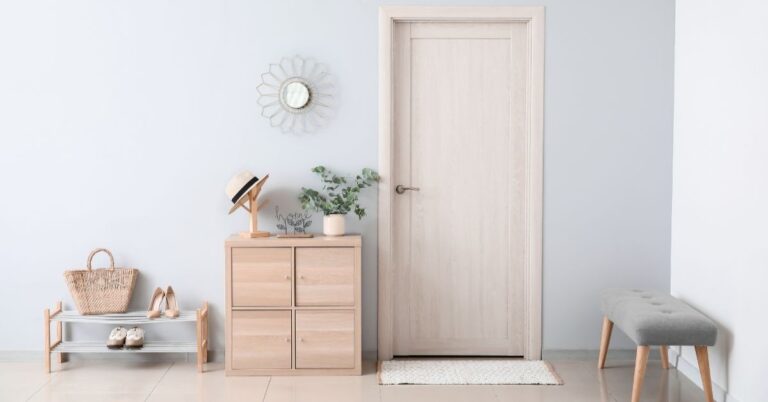
Coastal Entryway With Hooks, a Wooden Bench, and Woven Baskets
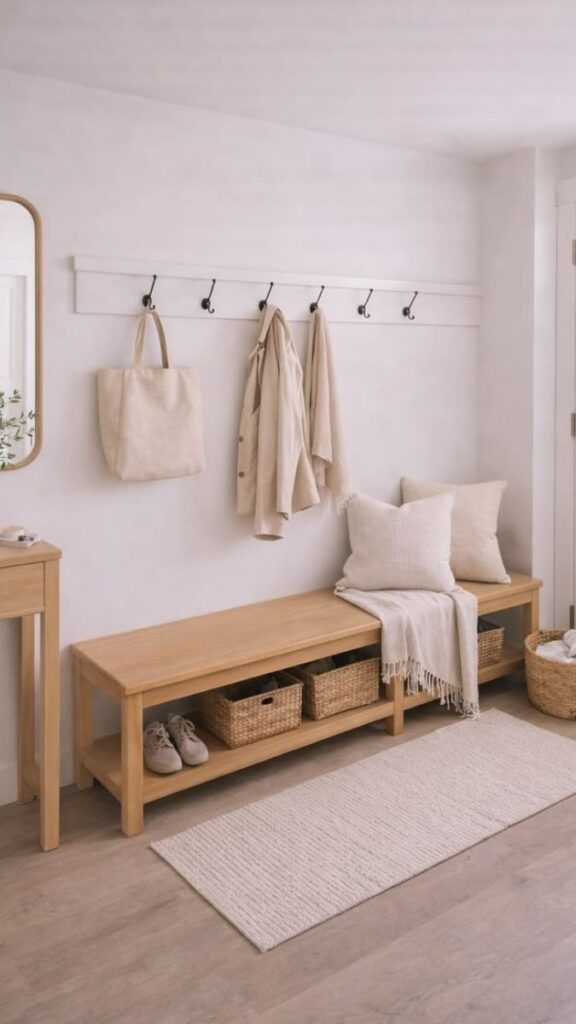
Entryways set the tone for the rest of the home, and in a coastal scheme, they work best when they’re functional first. A wall-mounted hook rail in natural wood or matte black, a narrow bench (with or without storage below), and a pair of woven baskets for shoes or bags creates a landing zone that’s organized and visually consistent.
Keep the walls light white or warm greige and avoid overcrowding the wall hooks with too many items. A small round mirror above the bench reflects light from the front door and makes the entry feel more open. This setup works in any size entryway, but it’s especially effective in narrow ones where freestanding furniture would block movement.
What Actually Makes Modern Coastal Decor Work
The aesthetic succeeds when it’s built on material logic rather than theme. Modern coastal rooms aren’t trying to look like the beach; they’re borrowing the qualities of coastal environments: openness, natural light, organic texture, a restrained color range, and the absence of visual clutter.
The most consistent element across every setup that works is material restraint. Natural fibers (linen, jute, rattan, cotton), matte finishes, pale or weathered wood, stone, and ceramic these materials share a quality that’s hard to name but easy to feel. They age gracefully, they don’t compete with each other, and they respond well to light, which is ultimately what the entire aesthetic is optimized for.
Color is secondary to texture. Most successful modern coastal rooms operate in a range of five or six tones at most: warm white, cream, sand, warm greige, a single muted accent. The variety comes from material, not pigment.
Modern Coastal Decor Space-by-Space Quick Guide
| Room | Key Element | Best Material Choices | Problem Solved | Difficulty |
| Living Room | Linen sofa + jute rug | Linen, jute, rattan, stone | Flat, lifeless space | Easy |
| Bedroom | Layered bedding + woven lamp | Linen, cotton, driftwood | Lack of warmth + texture | Easy |
| Kitchen | Open shelving + stone backsplash | Ceramic, stone, warm wood | Heavy or dated feel | Moderate |
| Bathroom | Zellige tile + floating vanity | Stone, wood, terrazzo | Small or dark space | Moderate |
| Entryway | Bench + hooks + woven basket | Wood, rattan, linen | Clutter and poor function | Easy |
| Open Plan | Large area rug as zone anchor | Jute, sisal, natural fiber | Undefined layout | Easy |
How to Avoid the Most Common Modern Coastal Decorating Mistakes
Over-theming.
The single biggest issue in coastal interiors is too much literal ocean imagery: starfish, anchors, printed waves. Modern coastal works because it’s subtle. If you can’t find the ocean reference without looking for it, you’re on the right track.
Going too bright white.
Pure white walls can make coastal decor feel cold rather than airy. Warm white with just a hint of cream or grey undertone creates the soft, light-diffusing quality that actually works in this aesthetic.
Ignoring scale.
Small accessories scattered across a room create visual noise. Fewer, larger objects, one significant plant, one statement rug, one piece of wall art work better than a collection of small coastal pieces trying to do the same job.
Mixing too many textures without a common thread.
Rattan, jute, linen, and driftwood all belong in this palette. Velvet, glossy lacquer, and chrome don’t not because they’re wrong in general, but because they break the material logic the aesthetic depends on.
Neglecting lighting.
Warm bulb temperatures (2700K–3000K) are essential in a coastal scheme. Cool white light flattens the warmth that natural materials create. Layer ambient, task, and accent lighting to give the room depth at different times of day.
FAQ’s
What’s the difference between coastal and modern coastal decor?
Traditional coastal decor leans on explicit nautical and beach references, rope details, seashell collections, anchor motifs. Modern coastal strips those away and focuses on the underlying qualities light, airiness, natural textures, and an organic color palette. The result is more versatile and less themed.
What colors work best for modern coastal interiors?
Warm white, cream, sand, and warm greige form the base palette. A single muted accent dusty blue, sage green, or terracotta adds dimension without overpowering. Avoid bright or saturated tones, which conflict with the calm, restrained character of the style.
Can modern coastal decor work in a small apartment?
Yes, in many ways it’s better suited to small spaces than large ones. The emphasis on light colors, minimal furniture, natural materials, and open layouts aligns naturally with small-space design principles. A jute rug, linen curtains at ceiling height, and a few well-placed natural-material pieces can shift the feel of even a compact studio.
How do I make a coastal room feel cozy rather than cold?
Layering is the answer. Multiple textile textures, a linen sofa, woven throw, jute rug, cotton cushions create warmth without adding visual weight. Warm bulb temperatures and layered lighting (ambient + accent) are equally important. Avoid all-white rooms with no texture variation, which read cold regardless of the style.
Is modern coastal decor expensive to achieve?
Not necessarily. The aesthetic doesn’t require designer pieces, it requires the right materials. A jute rug from a budget retailer, linen-look curtains, and a rattan pendant light can establish the palette effectively. The investment pieces that pay off long-term are the sofa (linen or boucle), a quality rug, and one or two natural material accents that anchor the room.
Which rooms benefit most from a coastal treatment?
Living rooms and bedrooms are the strongest candidates because the aesthetic is built around comfort and openness. Bathrooms also translate well the clean, material-honest quality of coastal decor suits bathroom design naturally. Kitchens require more commitment (cabinet color, backsplash) but can be updated incrementally.
How is coastal decor evolving in 2026?
The shift is toward warmer, earthier interpretations less white-and-navy, more warm sand, terracotta, and organic stone. Rattan is being replaced in some contexts by more refined natural materials like seagrass and water hyacinth. The overall direction is toward spaces that feel handmade and unhurried, rather than polished and themed.
Conclusion
Modern coastal decor works because it’s rooted in something functional: the way natural materials interact with light, the way open layouts support daily movement, the way a restrained palette reduces visual stress. None of that requires a beach house or a renovation budget. The ideas here are adaptable to real rooms with real constraints.
Start with one or two setups that fit your space and what you already have. Swapping curtains for floor-to-ceiling linen, adding a jute rug, or changing your lightbulbs to a warmer temperature are all low-commitment changes that contribute meaningfully to the aesthetic. Built from there the style rewards incremental layering more than a one-time overhaul.